
Review · MPUMALANGA, SOUTH AFRICA
Marloth Park: Kruger National Park Safari Game Drives
The best safari hour starts before breakfast. This six-hour Kruger National Park drive from Marloth Park puts you on the road around sunrise, when elephants, lions, antelope, and birds are often active. I like the open, high-sided safari vehicle and the chance to focus on wildlife instead of driving. I also like the guides’ strong grasp of animals, trees, and local places. The main catch is the extra 440 ZAR entrance fee, payable in cash, and no food is included.
You may see four or even all five of the Big Five, but nobody can promise that. That is the honest nature of Kruger. The strongest part of this trip is the guide-led search: Jerry, Lucky, Max, Advocate, Sibo, and Gerry are all praised for their timing, explanations, and effort to find good viewing spots. Early starts can be cold, and hot weather can reduce animal activity, so bring layers.
Key points before you book
- Sunrise entry through Crocodile Bridge: The early start gives you a good chance of seeing animals before the day heats up.
- Six hours in an open safari vehicle: You get a high viewpoint, useful for scanning bush and watching animals without driving yourself.
- Big Five potential, not a guarantee: Lions, elephants, buffalo, leopards, and rhinos may appear, with several bookings reporting four or all five.
- Guides add real value: Jerry is praised for his 23 years of park experience, while other guides explain plants, animals, roads, and local names.
- Bring cash for the park fee: The 440 ZAR entrance charge is separate from the tour price and must be paid on arrival.
- Food is your responsibility: Water and lodge transport are included, but breakfast and lunch are not.
Sunrise from Marloth Park to Crocodile Bridge
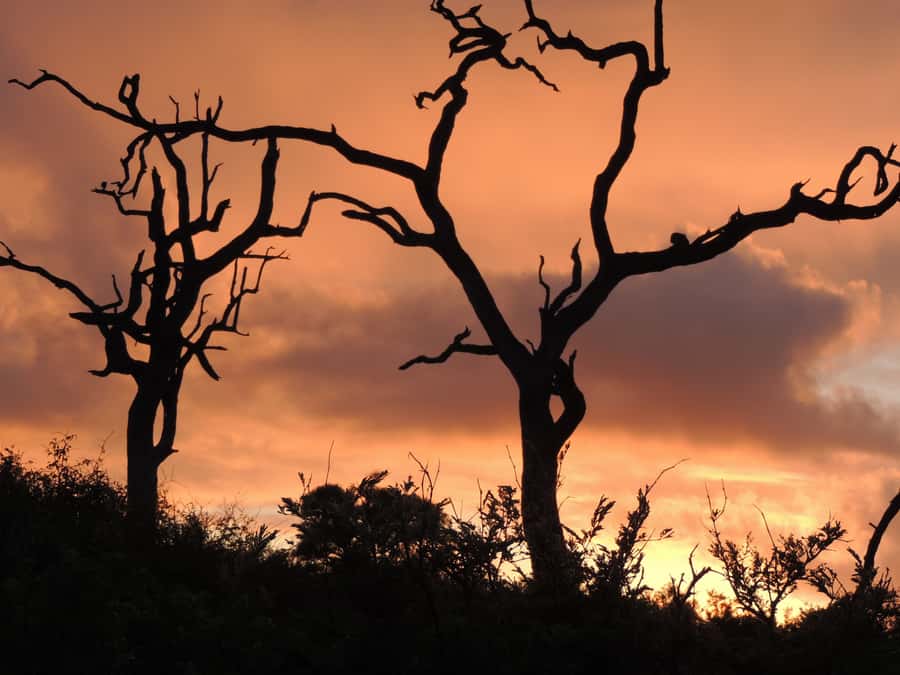
This safari is built around an early start. Pickup is around 5:00 in the morning for the main morning departure, with lodge pickup and return included. You are asked to wait in your hotel lobby 10 minutes before pickup. The vehicle may carry a company sign or logo, so keep an eye out for the marked safari vehicle, taxi, or designated pickup point.
That pre-dawn timing matters. Kruger is cooler and quieter at first light, and the tour description places the first animal sightings almost immediately after entering the park. Impalas, wildebeest, and zebras may appear in the first stretch of the drive. These common animals are not filler. They form the everyday rhythm of Kruger, and your guide can help you read the scene rather than simply point at something with four legs.
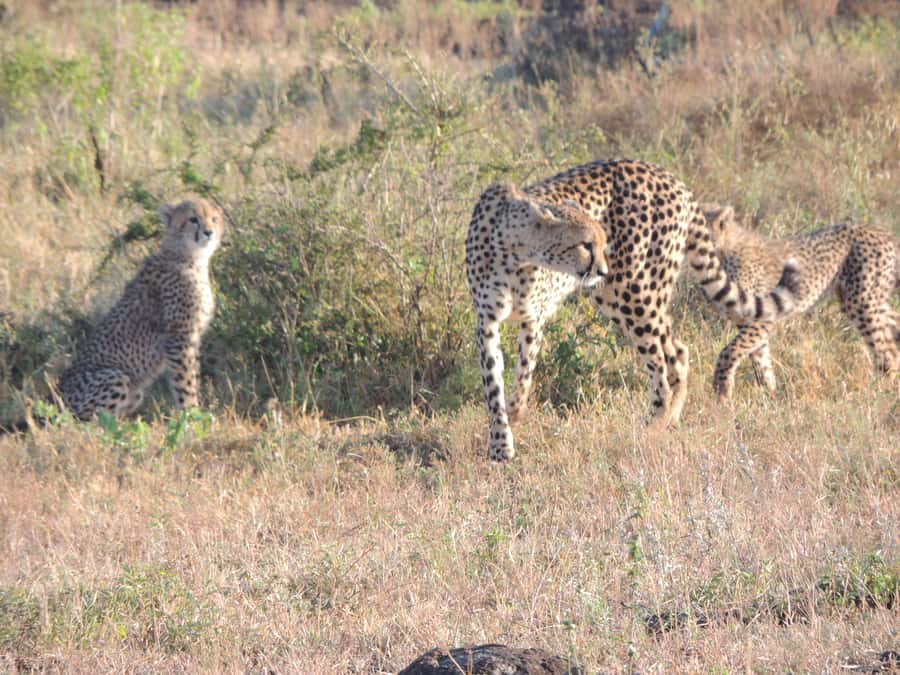
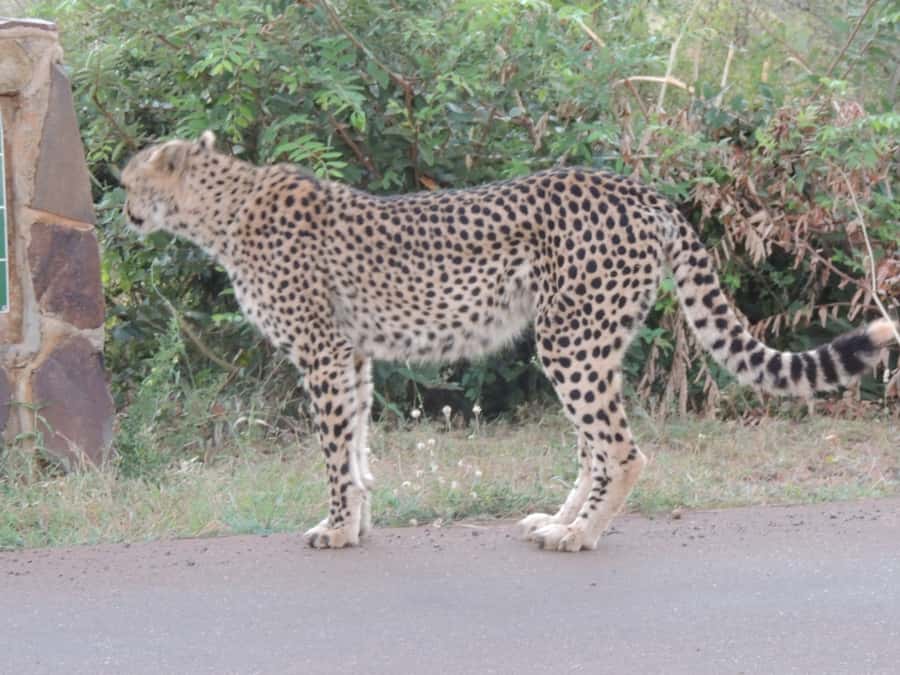
The Crocodile Bridge gate is also important because it gives the drive a natural starting point from Marloth Park. Cheetahs are considered likely in this area, although sightings remain unpredictable. You should treat that as a useful possibility, not a promise printed in stone.
The open vehicle is high and comfortable, which helps you see over low vegetation. It also leaves you exposed to the morning air. A jacket is essential, and a blanket can be handy. Jerry supplied blankets on one early drive, but I would not rely on that being standard for every departure. Pack your own warm layer, sunglasses, and hat.
More National Park Safaris in South Africa
- From Johannesburg: Pilanesberg Nature Reserve Game Safari
★ 4.8 · 1,327 reviews - Addo Elephant National Park All Inclusive Full-Day Safari
★ 4.8 · 872 reviews - Kruger National Park Full Day Private safari
★ 5.0 · 799 reviews
The first three hours, antelope, elephants, and sleeping lions
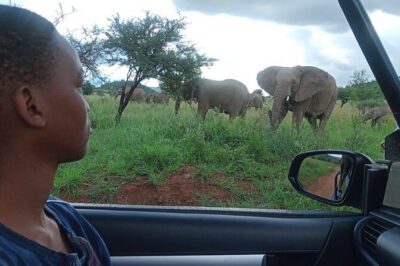
The morning portion is where the tour has its best pace. You may move through savannah woodland, stop for wildlife, and listen as the guide explains what you are seeing. The guides do more than identify animals. They also discuss plants and trees, including the effects of elephants on the woodland.
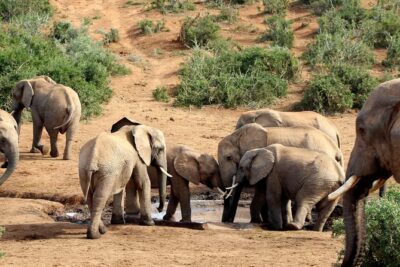
That detail gives the scenery more meaning. Elephants can alter their surroundings by feeding on trees and breaking branches. On a guided drive, you are not just looking at a damaged patch of bush. You are learning how one large species affects the habitat around it.
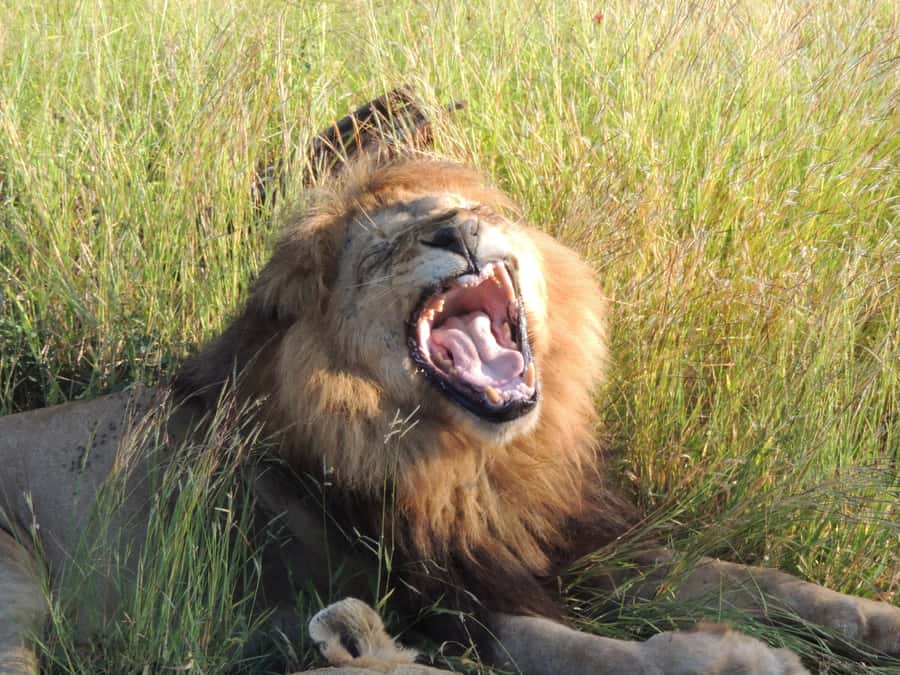
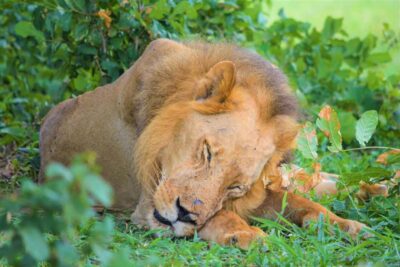
Elephants and lions may be found resting on or near the road in the cooler hours. A lion sleeping in the road is not a dramatic chase scene, but it can be a fine safari moment. You get time to watch the animal at ease, notice its breathing and posture, and see how other vehicles respond. The guide’s job is to position the vehicle sensibly and explain what is happening without disturbing the animal.
Sightings can be surprisingly strong. One six-hour trip produced four of the Big Five, while another reported four in the first four hours. A separate full-day outing found the entire Big Five, along with cheetahs and wild dogs. Those results show what is possible, but they also show why you should not judge a safari only by a checklist. A hot day produced fewer animals for one booking, even though the guide worked hard to make the outing worthwhile.
The guide makes a major difference here. Jerry is repeatedly praised for his animal and plant knowledge, friendly manner, and long experience in the park. One person valued his ability to explain the names behind roads and lodges, while another appreciated his patience during a cold, rainy drive. Lucky is also praised for listening to specific interests, finding less crowded roads, and spending time at good sightings.
Hippos, crocodiles, and the quieter parts of Kruger
The drive also includes the possibility of hippos and crocodiles. These sightings bring a different pace from the open grassland search for cats. Hippos may be hard to read at first, especially when much of the animal is below water. Crocodiles can be equally still, so your guide’s trained eye is useful.
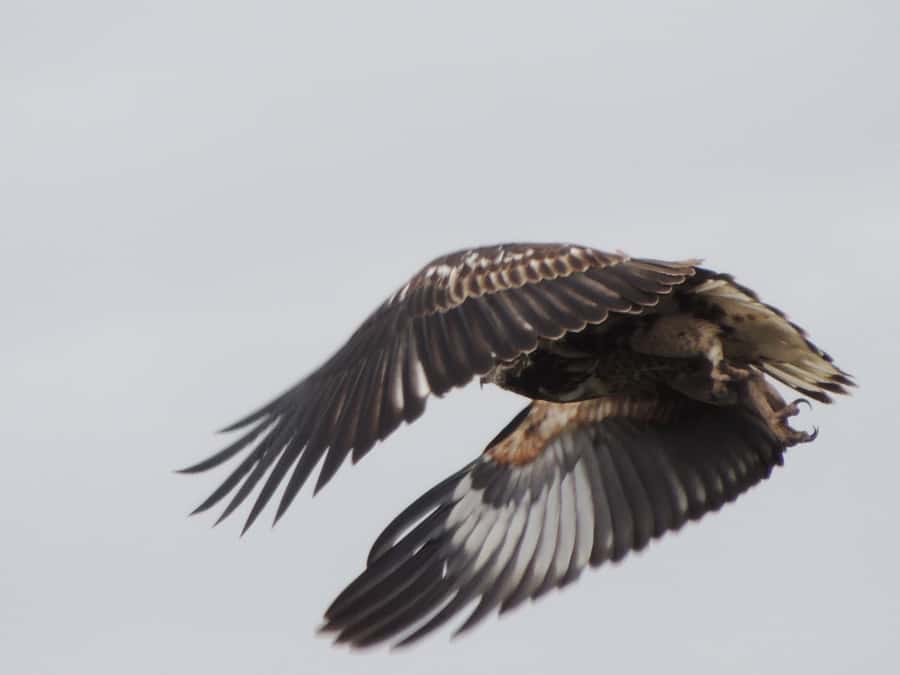
Kruger is not only about lions and leopards. Zebras, giraffes, impalas, kudus, wildebeest, hyenas, and many birds may fill out the day. One outing also found wild dogs and cheetahs, sometimes called part of a wider safari super seven list. Again, these are possible sightings rather than guarantees.
I like that the guide commentary covers birds, trees, and plants as well as large mammals. Adeline described learning about flora and fauna throughout the drive, which is exactly the sort of detail that can turn a repeated-looking stretch of bush into a living place. You may come away remembering a tree or bird as clearly as a lion.
The open vehicle helps with photography and general viewing, but it has limits. You are outside in the cold early hours and may later face strong sun. Bring a hat, sunglasses, and a jacket. Binoculars are worth packing, especially for birds or animals that stay farther from the road.
Breakfast after three hours, then back onto the tracks
After about three hours in the morning, there is time for breakfast. Food is not included, so check what arrangement applies to your departure and bring or purchase what you need according to the operator’s instructions. The supplied details clearly state that water is provided, but food is not.
This pause is useful because six hours in a safari vehicle can feel longer than it sounds. You get a chance to eat, reset your attention, and warm up or cool down before continuing. It also separates the early animal activity from the later part of the drive, when the character of the park may change.
The half-day drive continues until about noon. The wording around the duration deserves a careful look: the activity is sold as six hours, while the schedule also describes a half-day finish around 12:00. Confirm the exact pickup and return times when booking, particularly if your accommodation or another activity depends on a precise schedule.
There is also an afternoon start listed at 14:30. That may refer to an alternate departure option, but the detailed experience described here is the early morning drive. Ask which departure you are selecting so you are not expecting a sunrise safari after choosing the afternoon time.
Same region, a very different drive:
- From Cape Town: 2-Day Safari at Garden Route Game Lodge
★ 4.8 · 928 reviews - Full Day Ultimate Pilanesberg National Park Safari from Johannesburg or Pretoria
★ 4.5 · 718 reviews - Big Five Game Reserve Wildlife Safari from Cape Town
★ 4.0 · 576 reviews - Big Five Safari and Breede River Valley Guided Day Trip
★ 5.0 · 526 reviews
Extending to a full day until 16:00
If six hours leaves you wanting more, the drive can be extended to a full day for an additional price. The full-day schedule includes lunch at about 12:30 for one hour, then continues until roughly 16:00 before returning you to the same lodge.
The full day can make sense if you have specific animals in mind. One successful outing began at 5:00 and continued through sunset, with the guide responding to requests for particular places and animals. That group saw cheetahs and a leopard mother with a young leopard close by, plus lions, elephants, and many smaller species.
Still, a full day is not automatically better for everyone. You will spend many hours seated in the vehicle, and weather can change the quality of sightings. If you are new to safari, six hours gives you a strong introduction without committing the whole day. If you have already driven yourself in Kruger or want more time to search for cats, the extension may be worth considering.
The return to your lodge is included. That simple detail matters after a long day. You do not need to arrange a separate taxi from the gate or work out your way home after the drive.
What the guides add to the experience
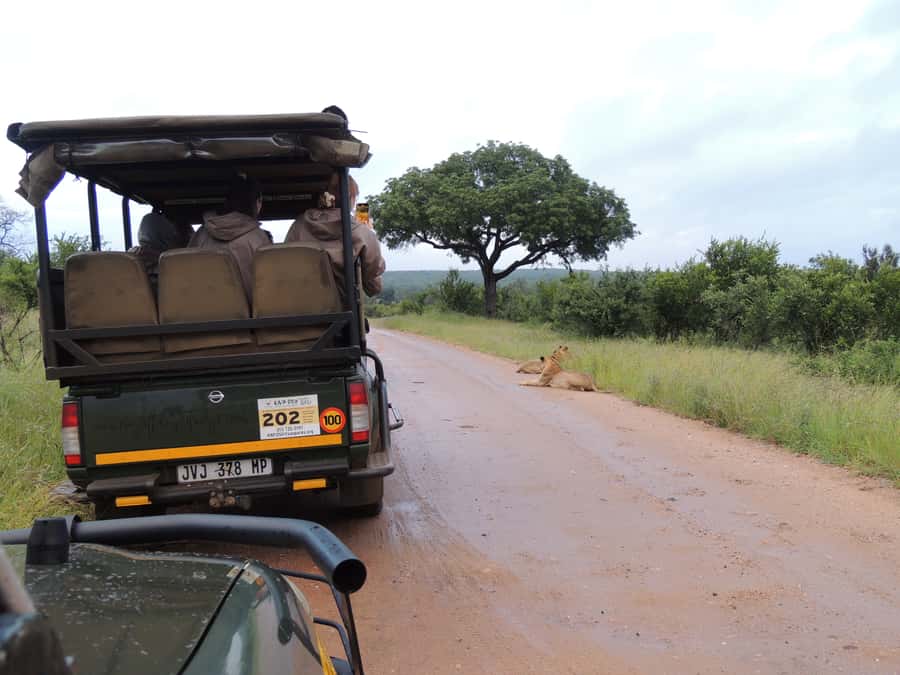
The most consistent strength here is the guiding. Jerry receives the most praise, with multiple outings highlighting his warmth, punctuality, humor, and ability to explain animals and plants. One booking described him as having more than 23 years of park experience. That sort of local familiarity can help you understand animal behavior and make sense of what you see.
Other guides also receive strong personal praise. Advocate is described as offering good information about animals and plants, with plenty of friendly banter. Max is praised for making the outing more informative. Sibo explained the park and answered questions at each sighting. Gerry helped position the vehicle well during a Big Five outing.
Lucky deserves special mention for tailoring the drive. He listened to what one group wanted to see, used roads that were not too crowded, and stayed with sightings long enough for a proper look. He also asked other people about lion cubs, eventually helping the group see them from a distance.
That effort does not mean every guide will produce the same sightings. It does mean the tour is more than a ride through the park. You have someone interpreting animal behavior, vegetation, roads, and the changing conditions. For a first Kruger visit, that is a substantial part of the value.
Price, park fee, and practical value
The tour price is $61 per person for the six-hour experience. At that rate, you are paying for guided transport from your lodge, an open safari vehicle, water, and six hours of organized time in Kruger. You are also avoiding the effort of driving, finding animals, and keeping your eyes on the road at the same time.
The 440 ZAR park entrance fee is extra and must be paid in cash on arrival. Food is also extra. Add both costs to your budget before comparing this trip with a self-drive visit.
A self-drive can be appealing if you want total control, but it puts the work on you. You must drive, watch the road, identify animals, and decide where to search. The tour can be especially good for your first day, giving you a working idea of the park before you drive yourself later. One booking did exactly that, using a guided drive first and self-driving the following day.
At a 4.7 rating from 115 reviews, the experience has a strong record, with praise focused less on luxury and more on guide quality, punctual pickup, flexibility, and animal sightings. I would book it for the guide support and early access rather than for a guaranteed Big Five score.
Who should book this Kruger drive?
This suits you if you are staying in Marloth Park and want an easy way into Kruger without driving yourself. It is also a good fit for first-time safari visitors, photographers who want a high open viewing position, and anyone who values explanations about plants and animals.
Families and mixed-age groups may appreciate the included lodge transport and the option to stop for breakfast. The activity is wheelchair accessible, although you should confirm the vehicle and transfer arrangements for your particular needs.
It is not suitable for people over 95, and it may not suit anyone who dislikes early mornings, changing weather, or long periods seated outdoors. Alcohol and drugs are not permitted. Bring your passport or ID, sunglasses, a hat, jacket, and binoculars.
Should you book this safari?
I would book this tour if you want a guide-led first look at Kruger from Marloth Park. The 5:00 start, open vehicle, and experienced guides give you a solid chance to see a wide range of wildlife, while the included pickup keeps the day simple.
Book with realistic expectations. Four of the Big Five is possible, and the full set has been seen, but hot weather or animal movement can change the day. Pay the separate 440 ZAR cash entrance fee, plan your food, bring warm clothing, and confirm whether you are choosing the morning, afternoon, half-day, or full-day option. For most people, the six-hour morning drive offers the best balance of time, price, and wildlife potential.
FAQ
How long is the safari?
The advertised activity is valid for six hours. The half-day drive is described as continuing until about 12:00, while a full-day extension can continue until about 16:00.
What time does the morning safari start?
The morning activity starts at about 5:00. You should wait in your hotel lobby 10 minutes before the scheduled pickup time.
Is lodge pickup included?
Yes. Pickup and drop-off at the same lodge are included. The vehicle may carry a company sign, logo, or branded safari marking.
Is the Kruger entrance fee included?
No. The park entrance fee is listed as 440 ZAR and must be paid in cash when you arrive.
Is food included?
No. Water is provided, but breakfast and lunch are not included. Breakfast takes place after about three hours on the morning drive, and full-day trips include a lunch break around 12:30.
Can I see the Big Five?
You may see the Big Five, but sightings cannot be guaranteed. Some outings saw four of the Big Five, while others reported all five during a full-day drive.
What animals might I see?
Possible sightings include elephants, lions, cheetahs, leopards, hippos, crocodiles, impalas, wildebeest, zebras, giraffes, kudus, hyenas, wild dogs, and many birds.
What should I bring?
Bring your passport or ID card, sunglasses, a hat, jacket, and binoculars. A warm layer is particularly useful for the early open-vehicle drive.
Is the safari wheelchair accessible?
Yes, the activity is listed as wheelchair accessible. The available information does not specify the exact vehicle transfer method, so confirm the arrangements when booking.
Newest safaris around South Africa
- Wine Beer and Biltong Safari – Stellenbosch★ 5.0 · 17 reviews
- V&A Waterfront Marine Big 5 Ocean Safari★ 4.5 · 30 reviews
- Sunset Safari Big 5 Aquila with Snacks and Wine Tasting★ 5.0 · 12 reviews
- Ocean Safari★ 4.0 · 25 reviews
- Aquilla BIG5 private Safari Cape Town★ 4.5 · 10 reviews
- Urban Safari in Cape Town★ 5.0 · 21 reviews
- Full Day Big 5 Aquila Safari Private Transfers Including Park Fee From Cape Town★ 4.5 · 54 reviews
- Marine Big 5 Safari full day trip from Cape Town★ 4.0 · 13 reviews
National Park Safaris, compared.
Udawalawe National Park | Private Safari Tour
Read our review →
Addo Elephant National Park All Inclusive Full-Day Safari
Read our review →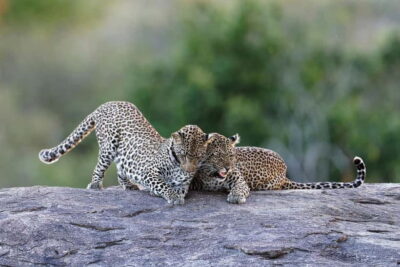
Yala National Park Safari Tours: Morning/Evening/Full Day
Read our review →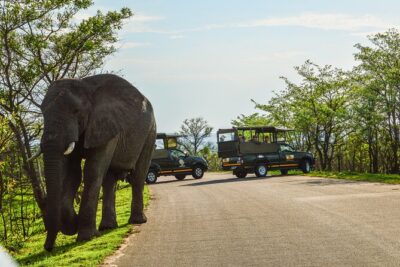
Full Day Ultimate Pilanesberg National Park Safari from Johannesburg or Pretoria
Read our review →Browse the lists this tour appears in