
Review · KOTAPOLA, SRI LANKA
Bundala National Park Safari (PRIVATE TOURS)
Birds are the real stars here. Bundala National Park offers a quieter safari built around lagoons, waterways, dunes, and an impressive range of birdlife rather than the crowded game drives often linked with Yala. I especially like the private jeep format and the strong bird knowledge shown by guides such as Sakun, Ishan, Maduka, and Surimal. The main drawback is that the $36 price does not include the national park entrance fee, so your final cost will be higher.
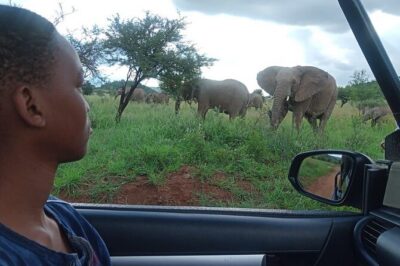
This five-hour outing also gives you a good chance of seeing elephants, crocodiles, monkeys, lizards, and other wildlife. I like the patient pace, with guides stopping and switching off the engine for photographs instead of rushing past every sighting. You should book it for birds, peace, and careful guiding, not with the expectation that every safari will produce a dramatic big-animal encounter.
Key points before you book
- Birdwatching is the main event: Bundala shelters about 197 bird species, including migratory birds that arrive from August to April.
- A quieter alternative to Yala: Several outings had very few other jeeps, and one September safari had the park almost entirely to itself.
- Private five-hour tour: Hotel pickup, transport, a safari jeep, bottled water, cool drinks, and binoculars are included.
- Elephants are possible: Seasonal numbers range from about 15 to 60, with December noted as the best month for sightings.
- Guides make the difference: Sakun, Ishan, Maduka, and Surimal were praised for spotting distant animals and explaining bird species.
- Entrance fees cost extra: The quoted $36 per person covers the safari service but not the national park ticket.
Why Bundala suits a slower safari
Bundala National Park covers about 62 square kilometres and protects a chain of lagoons, waterways, coastal areas, and dunes. It is a Ramsar wetland, recognised for its international importance in 1991, and became a UNESCO biosphere reserve in 2005.
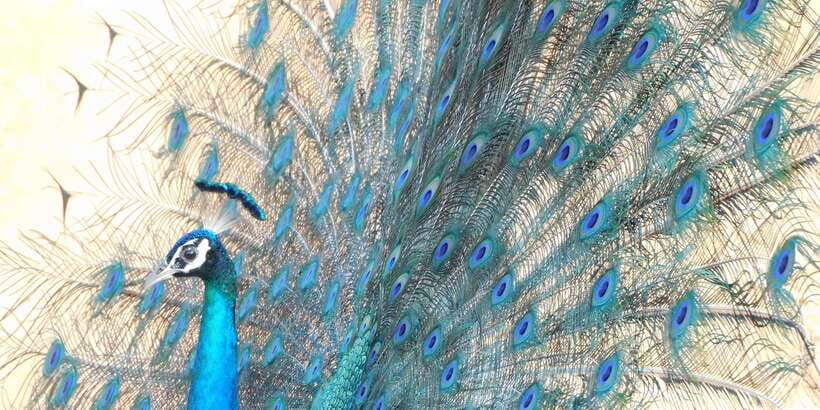
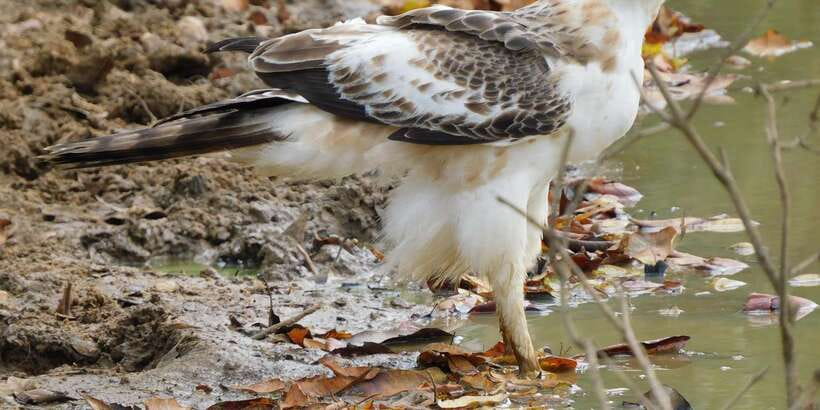
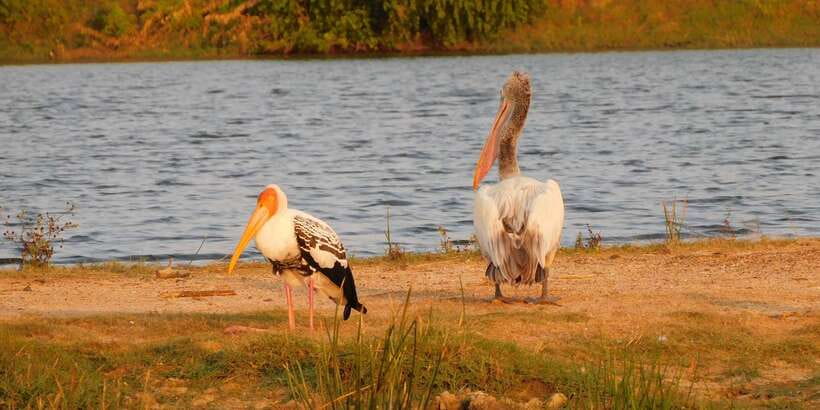
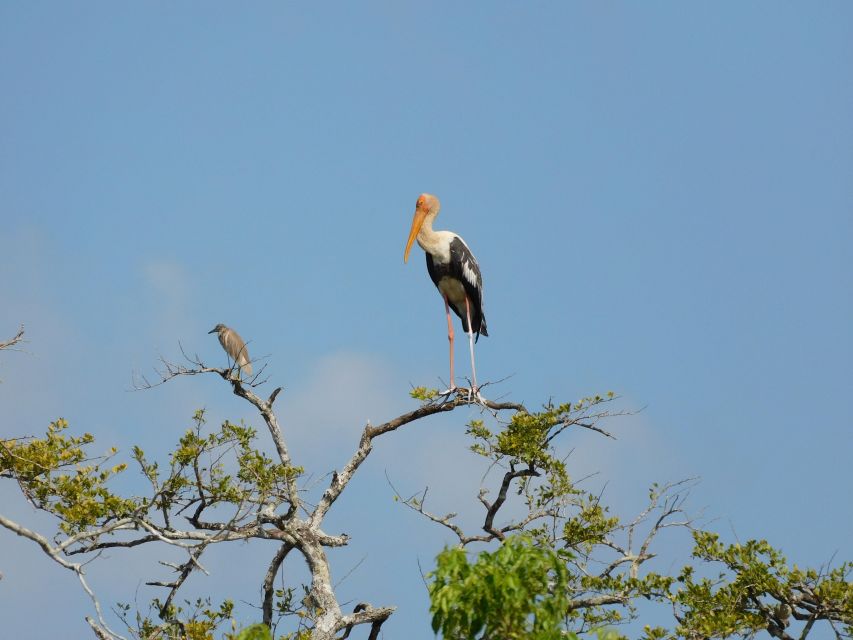
Those labels matter because they explain the park’s character. This is not simply a place where you drive around hoping to see a leopard. Bundala is a wetland sanctuary first, and the water draws birds in remarkable numbers. You may see small green bee-eaters, painted storks, pelicans, kingfishers, eagles, egrets, lapwings, jacanas, glossy ibis, openbills, and Sri Lankan green pigeons.
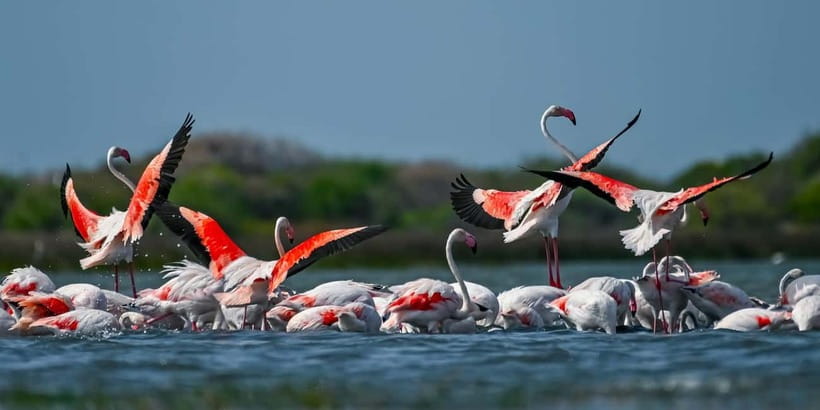
Migratory birds usually arrive between August and April, with December through March offering the strongest period for birdwatching. Greater flamingos also use Bundala as a winter home, and records have counted up to 2,000 at one time. That does not mean you will see a huge pink flock on every outing, but the timing gives serious birdwatchers a sensible reason to visit.
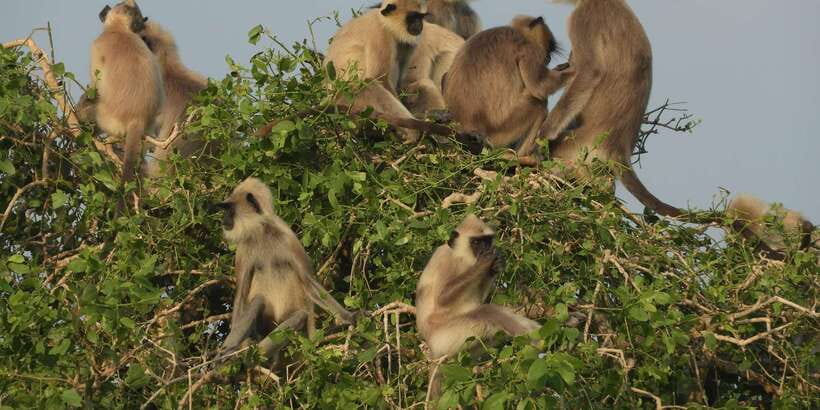
The park has more than birds. Elephants move through the area, with numbers changing by season. Crocodiles, civets, giant squirrels, hares, jackals, macaques, langurs, and lizards are also possible. Between October and January, four of Sri Lanka’s five marine turtle species lay eggs along the coast: olive ridley, green, leatherback, and loggerhead turtles.
More National Park Safaris in Hambantota
- Yala National Park Safari Tours : Half Day & Full Day
★ 4.9 · 161 reviews - Yala National Park Safari Tour From Hambantota port
★ 4.5 · 102 reviews - Yala National Park Safari |From Hambantota Port (Shore Excursion)
★ 4.5 · 61 reviews
Five hours from your hotel to the wetlands
The tour starts with pickup from hotels in Weerawila, Debarawewa, Tissamaharama, Yoda Kandiya, Kataragama, Kirinda, and nearby Bundala. You do not need to arrange a separate taxi to the park if your accommodation is within these areas.
That pickup area makes the safari useful if you are staying near Yala or Tissamaharama but want a calmer outing. It also works well as a half-day activity during a wider southern Sri Lanka itinerary. Confirm your starting time when booking, since the activity page lists several possible departure times rather than one fixed schedule.
After pickup, you travel by private transport to Bundala and continue into the park in a safari jeep. The full guided visit lasts five hours. That is enough time to cover a good portion of the park at a measured pace, though animal sightings and the exact route will naturally vary.
The private format is important. You are not sharing the jeep with a large mixed group, so you can ask to pause for a bird, spend longer with elephants, or stop for a photograph. The guides also appear willing to turn off the engine when a good sighting appears. That small habit helps with photography and keeps the moment calmer for both you and the animals.
At the end, drop-off is available in the same general area: Kataragama, Yoda Kandiya, Tissamaharama, Debarawewa, Weerawila, or Kirinda. Hotel pickup and return are included, which adds real value if you are not driving yourself.
The best part is the birdlife
If your idea of a good safari includes a guide naming birds and explaining what makes each one special, Bundala is a strong choice. The guides have been praised for spotting birds at a distance and knowing the better places to stop.
Sakun is particularly suited to birdwatchers and photographers. He has an interest in photography and is described as taking time to find good positions for pictures. Ishan is also repeatedly praised for identifying birds and animals, while Maduka is noted for spotting wildlife, explaining birds and reptiles, and stopping the jeep so you can take photographs.
Expect the guide to point out birds in and around the water. Painted storks, pelicans, eagles, Brahminy kites, serpent eagles, purple herons, Asian openbills, white-throated kingfishers, grey-headed swamp hens, coucals, munias, lapwings, jacanas, and glossy ibis have all been seen on recent outings.
The free binoculars are a useful inclusion, especially for smaller birds on the far side of a lagoon. Bring your own camera or phone with a good zoom if you have one. A binocular is helpful for finding a bird, but it will not replace a long lens when the subject is sitting far across the water.
This is also the kind of safari where patience pays. A guide may stop for a tiny bee-eater rather than rush toward a larger animal. If your companions only want elephants, explain that before setting off so the guide can balance the pace to suit your group.
Elephants, crocodiles, monkeys, and lucky surprises
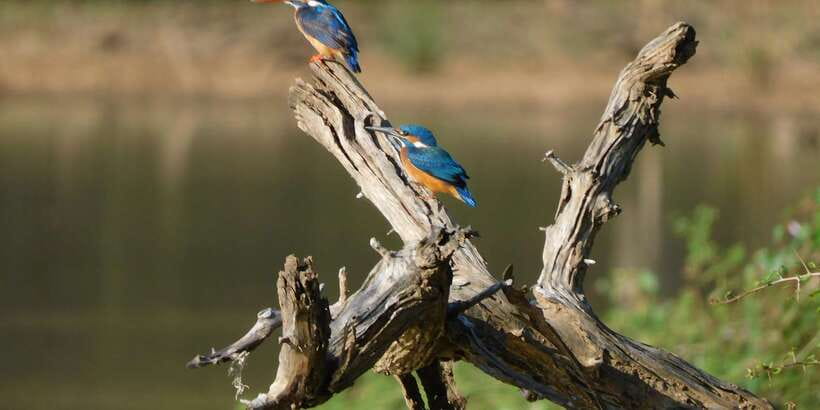
Bundala can produce a pleasing mix of wildlife. Elephants are among the biggest draws, and several outings recorded herds, including a baby elephant. December is given as the best month for elephant sightings, when the park may hold between 15 and 60 animals depending on conditions.
Still, elephants are wild animals, not scheduled attractions. You might see them close to the jeep, or you might spend more of the morning or afternoon with birds and wetland animals. The guides’ skill at spotting movement makes a difference, but no responsible operator can guarantee a particular sighting.
Crocodiles are another regular possibility, along with monkeys, lizards, hares, civets, and giant squirrels. One outing produced an otter and a golden jackal at close range, while another included elephants, sea turtles, and many birds. These sightings show the range of Bundala, but they should be treated as good fortune rather than part of a fixed checklist.
Macaques and langurs may appear near the route. The combination of water, forest edges, open ground, and coastal habitat gives the park more variety than its modest size suggests. You may spend one stretch watching a bird on a lagoon, then move on to a crocodile, monkey, or elephant.
More National Park Safaris in Sri Lanka
- Yala National Park: 7 hour & 12 hour Leopard Safari Tours
★ 4.6 · 46 reviews - Hambantota Port: Yala National Park Safari (Shore Excursion)
★ 4.3 · 19 reviews - Hambantota: Yala National Park Wildlife Safari in a 4×4
★ 4.6 · 18 reviews - Hambantota Port: Yala National Park Wildlife Safari in a 4×4
★ 4.6 · 16 reviews
Why the quiet matters
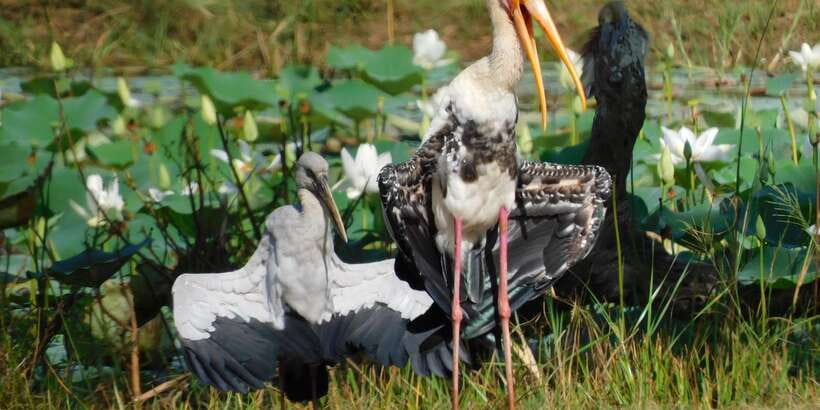
The biggest practical difference between Bundala and Yala is the mood. This park is often much less crowded, and one low-season outing had no other jeeps in sight. That changes the safari from a race between vehicles into a calmer nature experience.
A quiet park gives you more room to listen and watch. You are less likely to feel pressured to take one quick photograph before another vehicle arrives. Guides can stop, shut off the engine, and explain what you are seeing without competing with a line of jeeps.
The peaceful setting is especially valuable for birdwatching. Birds can be small and easily overlooked, so a quiet jeep and a patient guide improve your chances of noticing them. If you want the most social or dramatic safari atmosphere, this may feel subdued. If you prefer space and time, it is one of the tour’s best features.
The season matters. August through April is the main period for migratory birds, with December through March the strongest window. The quieter low season can still produce elephants, birds, turtles, and other animals, as the September outing showed, but you should choose your dates with your priorities in mind.
A coastal finish can add something special
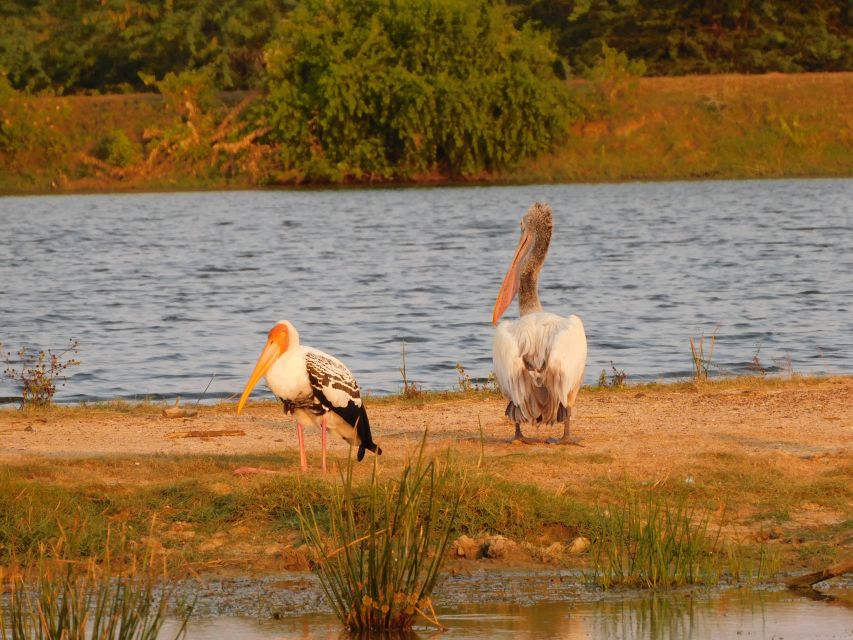
Some outings included a stop near the coast, with views of the sea and broad beaches. One afternoon ended with a stop to look over the coast, while another included watermelon at a scenic spot near the sea. These additions help break up the jeep ride and show how closely Bundala’s wetlands connect with the coast.
A sunset stop outside the park has also been possible. One guide took the group to a place where a large number of bats could be seen at the end of the safari. This is not presented as a guaranteed part of every five-hour route, so think of it as an extra possibility rather than a promised stop.
The coastal section is useful for anyone who wants more than a wildlife checklist. You get a sense of the park’s wider setting, where lagoons, dunes, beaches, and wildlife habitat sit close together. Ask the guide on the day if sea views or a sunset stop can fit the route.
Guides are the key value
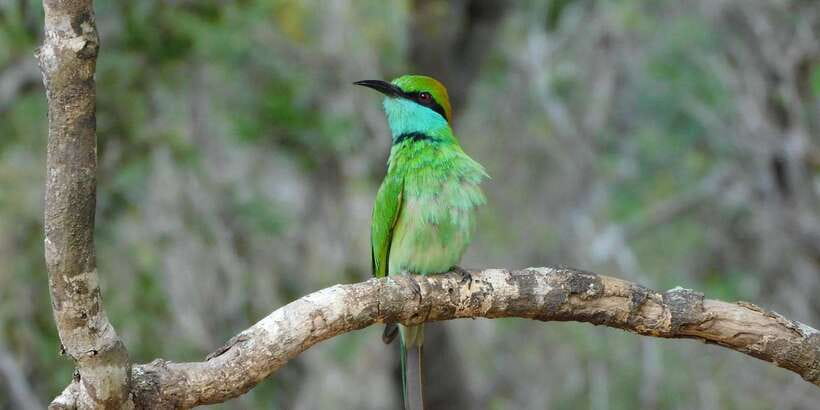
The operator is Yala Dreams Wild Safari Tours Sri Lanka, and the strongest part of the service is the guide team. Sakun, Ishan, Maduka, Surimal, and Imal are each praised for different strengths, but the common thread is careful spotting and a willingness to explain.
Ishan is described as punctual, friendly, and highly informed about birds. He has also helped with an unplanned souvenir-shopping stop and shown an extra bat-watching location. Maduka is praised for sharp wildlife spotting and for switching off the engine for photographs. Surimal is noted for a calm afternoon safari, bird facts, and finding elephants with a baby.
Imal is described as able to spot animals from far away and guide the jeep well through the park. Sakun is the strongest choice for a serious bird and photography focus. You may not be able to choose your guide in advance, but you can state your interests clearly when arranging the tour.
The guides also appear flexible with pickup details. One guide collected a group from a hotel that was not originally booked for pickup. Do not assume that every special request will be possible, but it is worth asking politely.
Is $36 per person good value?
At $36 per person, the tour is competitively priced for a private five-hour safari with transport and hotel pickup. You also receive bottled water, cool drinks, binoculars, a safari jeep, and guiding, so you are not paying only for a vehicle.
The main cost to add is the national park entrance ticket. Since that fee is not included, check the current total before you commit. For a solo guest, the price may feel less attractive than it does for a couple or family sharing the benefits of private transport and a dedicated jeep.
The value is strongest if you care about a quiet park and an informed guide. Someone seeking only the cheapest way to enter Bundala should compare the final cost after the entrance ticket. Someone who wants flexible stops, hotel service, binoculars, and a private group gets more for the base price.
Free cancellation up to 24 hours before the activity and the option to reserve now and pay later make planning less rigid. The tour is conducted in English, so ask about language needs if English guiding would be a problem.
Who should book this safari?
I would choose this outing for birdwatchers, photographers, couples, families, and anyone who finds Yala too crowded. It is also a good fit for you if you are staying around Tissamaharama, Kataragama, Kirinda, or Weerawila and want a half-day activity without arranging transport.
It suits people who enjoy watching carefully rather than collecting sightings at speed. The park’s birds, wetland habitats, turtles, crocodiles, and coastal views give the safari a broader focus than a big-mammal drive.
I would think twice if your only goal is to see a leopard or a large number of elephants. Bundala may provide elephants and varied wildlife, but its main strength is the wetland setting and birdlife. The quiet pace is a virtue for some people and a limitation for anyone expecting constant action.
FAQ
How long is the Bundala National Park safari?
The guided safari lasts five hours. Pickup and drop-off are included from listed areas around Bundala, Yala, Tissamaharama, Kataragama, Kirinda, Weerawila, Debarawewa, and Yoda Kandiya.
What is included in the $36 price?
The package includes private transportation, hotel pickup and drop-off, a safari jeep, bottled water, cool drinks, binoculars, safari service, and an English-speaking guide. The national park entrance ticket is not included.
Can I see elephants at Bundala?
Elephants live in the park, and sightings have included herds and a baby elephant. Numbers vary by season, with December identified as the best month for elephant sightings. No sighting can be guaranteed.
Is this a private tour?
Yes. The experience is arranged for a private group rather than a shared public group.
What birds might I see?
Possible sightings include pelicans, painted storks, eagles, bee-eaters, kingfishers, Asian openbills, lapwings, jacanas, coucals, munias, glossy ibis, Sri Lankan green pigeons, herons, Brahminy kites, and serpent eagles. Bundala has about 197 recorded bird species.
When is the best time for migratory birds?
Migratory birds generally arrive from August through April. December to March is described as the peak period. Greater flamingos also use Bundala during winter, though sightings and numbers vary.
Should you book it?
Book this safari if you want a private, quiet outing where birds matter as much as elephants. The combination of a five-hour jeep ride, hotel transport, binoculars, flexible photo stops, and strong guides gives the tour solid value at $36 before the entrance fee.
Choose Sakun if bird photography is your priority, or ask for a guide with similar birdwatching interests. Pick December through March for the best migratory-bird period, and December for the strongest elephant potential. If you prefer calm wetlands, careful spotting, and fewer jeeps, Bundala is a smart alternative to a crowded Yala drive.
Newest safaris around Hambantota
- Hambantota Port: Yala National Park Safari (Shore Excursion)★ 4.3 · 19 reviews
- Hambantota Port: Yala National Park Wildlife Safari in a 4×4★ 4.6 · 16 reviews
- Yala National Park : Full Day Safari(04:30-18:00)★ 4.7 · 9 reviews
- From Anuradhapura: Wilpattu National park Safari★ 3.8 · 14 reviews
- Udawalawa Safari & Elephants Orphanage Tour from Hambantota port★ 5.0 · 63 reviews
- From Hikkaduwa/Mirissa/Galle/Tangalle – Yala Leopard Safari★ 4.4 · 24 reviews
- Hambantota: Yala National Park Wildlife Safari in a 4×4★ 4.6 · 18 reviews
- Yala National Park Safari |From Hambantota Port (Shore Excursion)★ 4.5 · 61 reviews
National Park Safaris, compared.
Udawalawe National Park | Private Safari Tour
Read our review →
Addo Elephant National Park All Inclusive Full-Day Safari
Read our review →
Yala National Park Safari Tours: Morning/Evening/Full Day
Read our review →
Full Day Ultimate Pilanesberg National Park Safari from Johannesburg or Pretoria
Read our review →Browse the lists this tour appears in