Review · SARDINIA, ITALY
Cagliari: EcoSafari Flamingos Tour in Molentargius Park
Flamingos beside ancient salt pans make a memorable Cagliari outing. This 1.5-hour electric minibus tour visits protected parts of Molentargius Saline Natural Park, where official environmental guides explain the wetlands, Sardinia’s salt industry, and the birds that depend on this unusual setting. At $29 per person, it offers a reasonably priced way to see a large park without walking its full 1,600 hectares.
I especially like the access to restricted areas and the binoculars and telescope shared on board. I also like that the tour covers more than flamingos, including the Salt Route, Fossil Beaches, and birds such as avocets, herons, slender-billed gulls, and the rare sultan chicken. The main catch is simple: wildlife does not follow a timetable, and bad weather can leave you with distant birds or a shortened outing.
The tour begins and ends at the Infopoint Parco Molentargius Saline. Italian and English tours are available, and guide Francesco has received particular praise for his clear, friendly approach. If you go in February, bring warm clothing. Wind can keep flamingos far from the viewing points, and light rain has interrupted tours.
Key points to know before you go
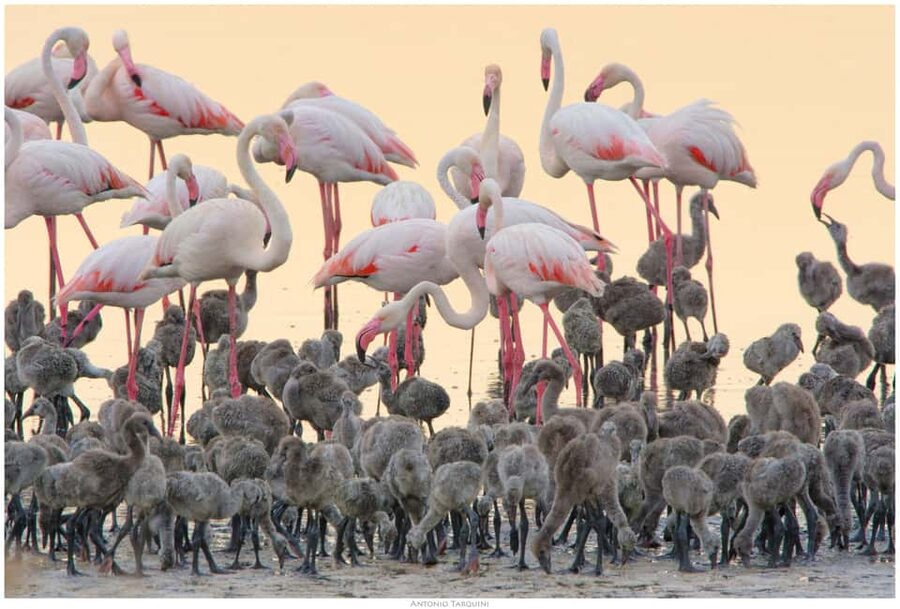
- Protected flamingo areas: The route reaches the park’s Ecosystem area, the main nesting zone for hundreds of pink flamingos.
- A 1,600-hectare wetland: The electric minibus lets you cover ground comfortably during the short tour.
- More than pink birds: Binoculars and a telescope can help you spot over 250 bird species, including avocets, herons, gulls, and the sultan chicken.
- Sardinia’s salt story: The historic Salt Route and old salt pans show how the area supported the island’s white gold industry.
- Weather matters: Strong wind and rain may reduce sightings or interrupt the tour, especially during cooler months.
- Good value at $29: The price includes transport and shared viewing equipment, plus a guide authorized by the park.
Why Molentargius is worth your time in Cagliari
Molentargius Saline Natural Park sits just outside Cagliari, yet it feels far removed from city streets. Its 1,600 hectares contain shallow waters, salt pans, old working areas, and protected bird habitat. That mix gives the park its character. You are not simply driving out to see flamingos. You are seeing how industry, farming, geology, and wildlife have occupied the same patch of Sardinia.
The park’s setting also makes this a useful choice when you want a nature stop without committing to a full-day trip. The tour lasts 90 minutes and returns to the same Infopoint where it starts. That makes it easy to fit around time in central Cagliari, though you should allow extra time before the start to find the meeting point.
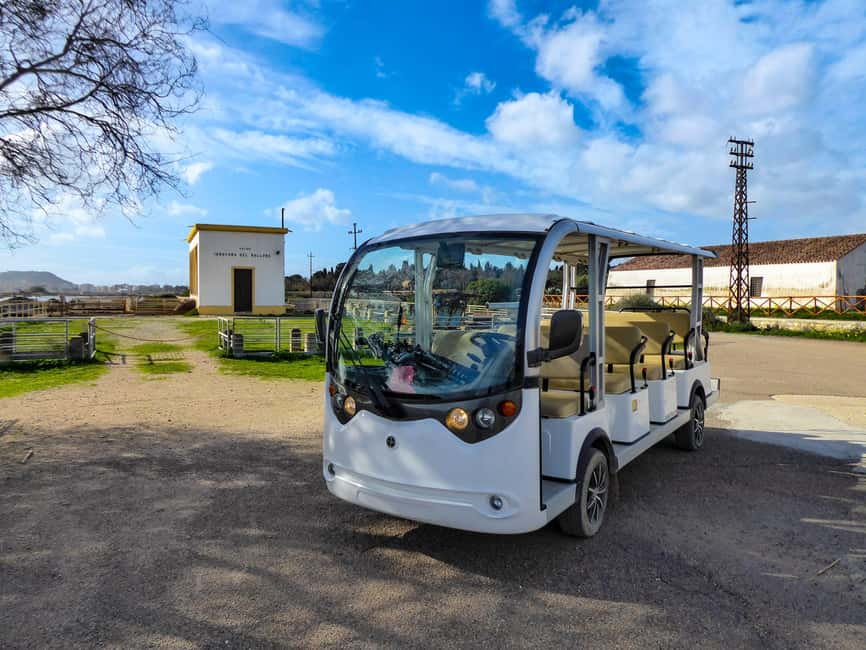
The electric minibus is practical rather than flashy. It reduces the need for a long walk and lets the guide reach several parts of the park during a limited visit. For anyone with only a short stay in Cagliari, this efficient route is one of the strongest reasons to book.
More safaris running in the world:
- Dubai: Desert Safari, Quad Bike, Camel Ride & Al Khayma Camp
★ 4.9 · 68,962 reviews - Dubai: Desert Safari, Quad Bike, Camel Ride and Sandboarding
★ 4.9 · 43,505 reviews - Dubai: Safari, Quad Bike, Camel Ride, and Buffet Dinner
★ 4.9 · 33,424 reviews
Starting at the Infopoint Parco Molentargius Saline
Your visit begins at the Infopoint Parco Molentargius Saline. From there, you take a seat on the electric minibus and meet the environmental guide leading the outing. Tours are offered in Italian and English, so check the language when choosing your departure.
The minibus matters because the park is large. On foot, you would see only a small portion during 1.5 hours. From the vehicle, you can pass through several sections and spend more of the available time looking for birds rather than covering distance.
There is no promise of a private seat at a particular viewing point, and the binoculars and telescope are shared among the group. That is still useful, especially if you are not carrying your own equipment. The telescope should give you a better chance to study distant birds, while binoculars are handy when activity moves across the water.
A good guide can make a major difference here. Francesco has been singled out for his friendly and capable work, and the tour’s value depends heavily on the guide’s ability to identify birds and explain what you are seeing. The park’s authorized environmental guides are there to interpret the area, not just drive you from one stop to another.
Following the Salt Route through the old pans
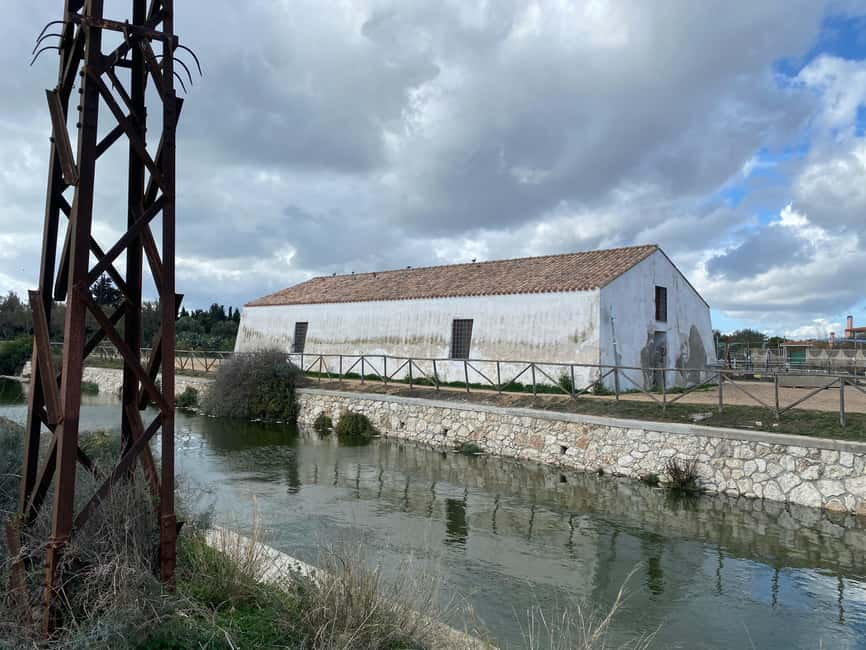
The first major theme of the trip is salt. Molentargius was shaped by salt production, and the old pans along the Salt Route explain why this place mattered to Sardinia long before it became a protected wetland.
Salt was once called white gold because it was valuable for food preservation and trade. Here, that story is tied directly to the ground beneath you. The shallow pans, water channels, and open areas are not random scenery. They reflect an organized system built around collecting salt from seawater.
I like this part because it gives the flamingo habitat a human context. You can see that the park is not untouched wilderness. It is a place where old industrial activity helped create conditions later used by birds. The guide’s explanation can turn what might look like a series of ponds into a record of Sardinia’s working past.
The salt pans may be less exciting for children who have come only for flamingos, and the tour is not a full history excursion. Still, this stop adds meaning to the route and helps you understand why the park looks so different from the beaches and urban areas around Cagliari.
Seeing the Fossil Beaches of Is Arenas
The route also includes the Fossil Beaches of Is Arenas. This stop brings geology and agriculture into the story. The name points to old beach material preserved in the area, while the wider site reflects how the land has been used and changed over time.
You should not expect a conventional sandy beach visit. This is a point of interest within the park’s wider natural and working environment, not a swimming stop. Its value comes from what it reveals about the area’s past formation and use.
For me, this part helps break up the bird watching. If flamingos are far away, the fossil beaches and salt features give the guide other subjects to explain. That matters on a windy or cloudy day, when the wildlife may be less active.
The stop also shows why this tour is broader than a simple animal sighting trip. You get a short introduction to Sardinian heritage and local geology while moving toward the protected bird zones.
Same region, a very different drive:
- Dubai: Red Dune Safari, Quad Bike, Camel Ride, BBQ Dinner
★ 4.9 · 32,185 reviews - Dubai: Premium Safari, Camel Ride & Al Khayma Camp 3-Buffets
★ 4.9 · 30,335 reviews - Dubai: Desert Safari with BBQ Dinner & Quad Biking Options
★ 4.9 · 20,485 reviews - Dubai: Half-Day Desert Safari, Camel Ride, ATV & Dune Buggy
★ 4.9 · 19,221 reviews
Reaching the protected Ecosystem area
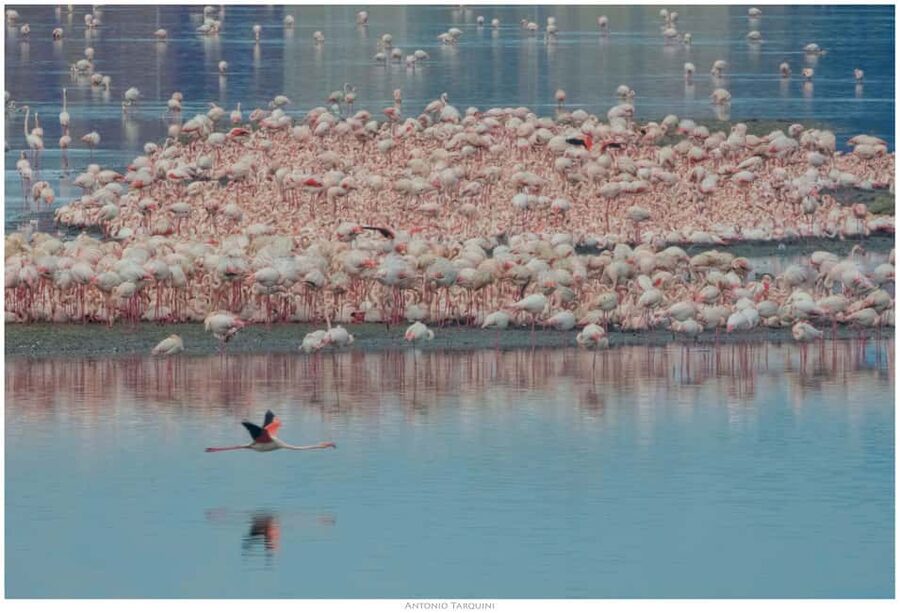
The highlight comes in the park’s protected Ecosystem area. This is the main nesting site for hundreds of pink flamingos and the reason most people book the tour.
Access to restricted zones is a major advantage. The route is described as the only tour with entry to these areas, giving you a chance to reach parts of Molentargius that are not available on a casual visit. The protected status is important: the goal is to observe birds without disturbing their habitat.
The flamingos may gather in large groups, but you should keep your expectations realistic. Their location changes, and wind can push them farther away. One February outing produced only about ten visible flamingos, with most seen at a great distance. Another outing had few sightings because strong wind made conditions poor.
That is not a flaw in the wildlife itself, but it affects the value you feel on the day. If your main goal is a close view or a perfect photograph, this tour cannot guarantee it. If you are happy to watch natural behavior through shared equipment and learn how the wetland functions, the outing is more dependable.
The supplied binoculars and telescope are especially useful here. You may see birds standing in shallow water, moving in groups, or feeding at a distance. The guide can help direct your attention, which is valuable when several species occupy the same area.
Looking beyond flamingos: 250 bird species
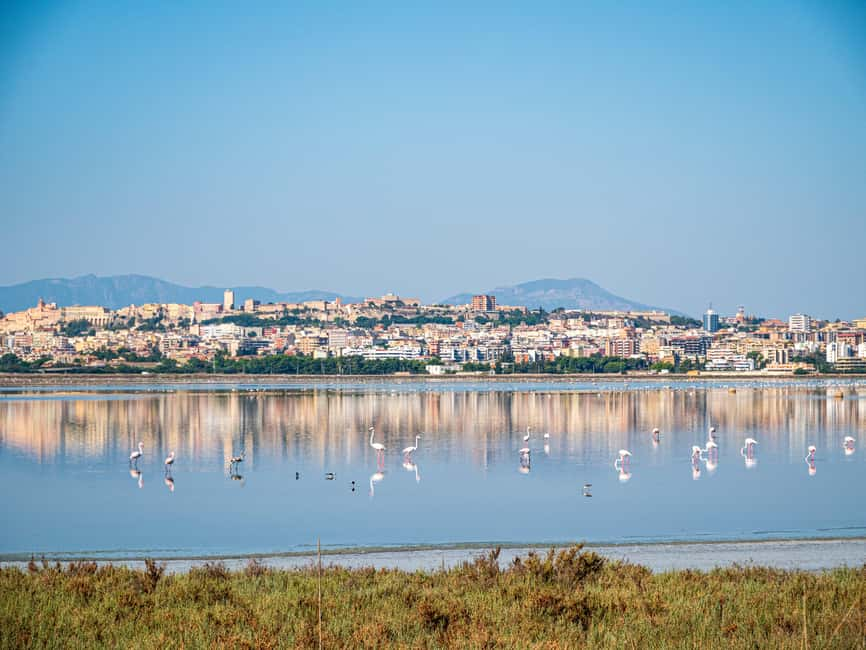
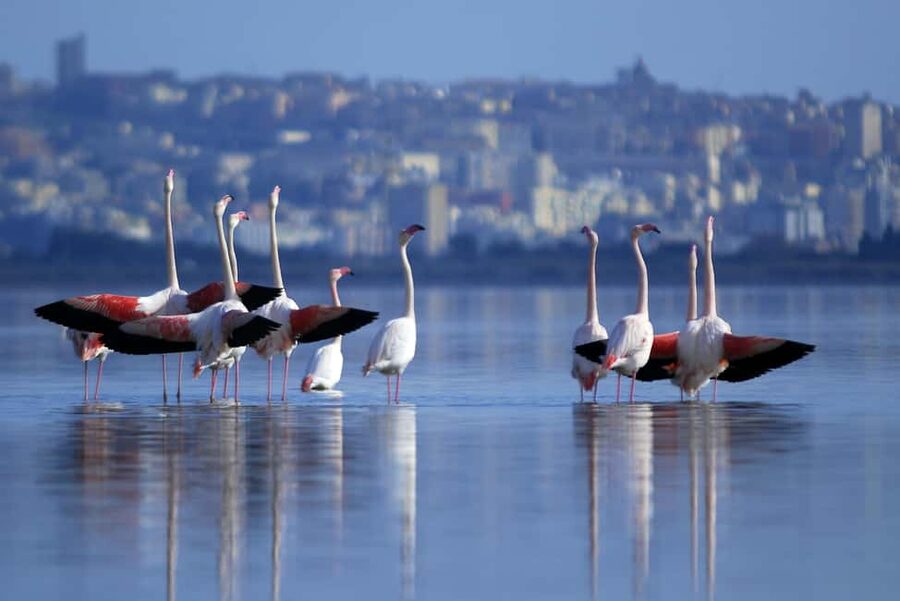
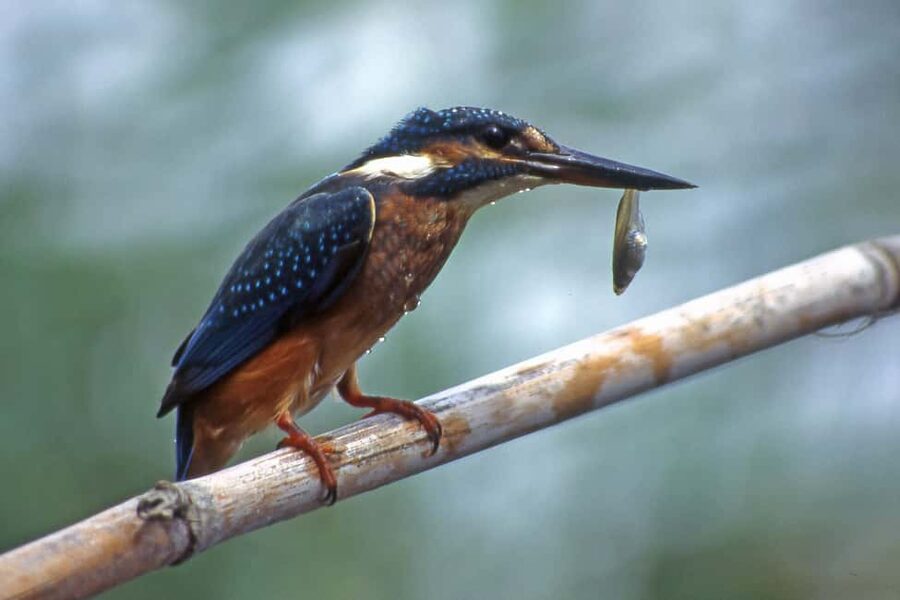
Flamingos get the attention, but Molentargius supports more than 250 bird species. The tour may include sightings of slender-billed gulls, avocets, herons, and the rare sultan chicken.
This variety changes how you should approach the outing. If you spend the entire 90 minutes waiting for a large pink flock, you may miss smaller and less obvious birds. Keep watching the water edges and open pans, and listen to the guide’s directions through the telescope.
Avocets are especially distinctive because of their unusual upturned bills. Herons bring a different kind of interest, with their patient hunting behavior. Slender-billed gulls show how many types of water birds can share the same wetland. The sultan chicken is a rarer sight, so its appearance should be treated as a bonus rather than a promise.
I would bring a little patience. Bird watching works best when you accept pauses. The guide may spend time scanning one area before pointing out a bird you would have missed alone.
How weather changes the experience
Weather is the one practical issue you should take seriously. The park is open and exposed, and February can be cold and windy. A warm layer is a sensible choice, even if Cagliari feels mild elsewhere.
Strong wind can keep flamingos away from the preferred viewing areas. Light rain can also reduce the quality of the outing, and one trip was interrupted by poor conditions. Another departure was moved because of rain.
The tour operator may continue in imperfect weather, so it is worth checking conditions before leaving for the meeting point. The published information does not provide a direct phone number for last-minute questions, which can make weather planning frustrating.
There is also a difference between a delayed tour and a shortened tour. If the outing begins and weather stops it halfway through, you may still pay the full price. That possibility should be part of your decision, especially if you have only one day in Cagliari.
Is $29 a fair price?
At $29, this is not an expensive excursion for a guided visit to a 1,600-hectare protected park. The fee includes the electric minibus, the live guide, shared binoculars, and a telescope. You are also paying for access to restricted zones and for interpretation from guides authorized by the park.
The value is strongest when you care about the whole setting: salt production, fossil beaches, habitat protection, and bird life. The value is weaker if you judge the outing only by the number of flamingos seen.
A self-guided visit might cost less, but the information provided does not establish the price or availability of an independent alternative. More importantly, a casual visit would not necessarily provide the same access to restricted areas or shared optical equipment.
At $29, I would call it a fair mid-range nature activity. Just remember that you are buying access and guidance, not a guaranteed wildlife performance.
Who will enjoy this tour most?
I would recommend this outing to several kinds of people:
- Bird watchers: The 250-plus species and viewing equipment give you plenty to look for.
- Nature-minded families: The minibus keeps the route manageable, and the flamingos provide an easy focus for children.
- Short-stay visitors: The 90-minute duration fits neatly into a day based in Cagliari.
- History and culture fans: The Salt Route, old pans, fossil beaches, and Sardinian heritage add substance.
- Photographers with flexible expectations: The telescope may help you study birds, but distance and weather can limit photographs.
I would hesitate to recommend it to someone who needs guaranteed close-up flamingo views. I would also think twice if the forecast calls for strong wind or rain and your schedule cannot absorb a cancellation, postponement, or shortened outing.
Practical advice for a better visit
Dress for exposure, especially in February. A warm jacket is more useful than you might expect, and a rain layer can help if conditions shift.
Arrive at the Infopoint with enough time to locate the meeting place. The tour returns there after the loop, so you do not need to arrange a separate pickup point.
Bring your own camera if you want photographs, but use the shared binoculars and telescope for actual viewing. Distant flamingos can look tiny in a phone image even when they are clear through a telescope.
Try not to judge the outing only by the biggest bird. The salt pans, gulls, avocets, herons, fossil beaches, and the possibility of spotting a sultan chicken make the park worthwhile even when flamingos stay far away.
Finally, check the forecast on the day of your booking. The provider allows free cancellation up to 24 hours before departure, and you can reserve without paying immediately, which gives you some flexibility before the weather becomes a problem.
Should you book the Molentargius flamingo tour?
Book it if you want an easy, guided introduction to Cagliari’s wetland, especially if you value protected access and local environmental explanation. The electric minibus, shared viewing equipment, and 90-minute route make it a sensible choice for a first visit.
Go with the right expectations. You may see many flamingos, but you may also see only a few at a distance. Wind and rain can affect the outing, and a shortened tour may not feel worth the full price.
For the best chance of enjoying it, choose a calm day, dress warmly, and treat the salt pans, fossil beaches, and other bird species as part of the main event. If you can do that, $29 is a reasonable price for a compact and thoughtful look at one of Cagliari’s most unusual natural areas.
FAQ
Where does the tour start?
It starts at the Infopoint Parco Molentargius Saline.
How long does the tour last?
The guided electric minibus tour lasts 1.5 hours.
Where does the tour finish?
It returns to the Infopoint Parco Molentargius Saline.
What languages are available?
Live tours are available in Italian and English.
Are binoculars provided?
Yes. Binoculars and a telescope are shared during the tour for viewing flamingos and other birds.
Will I definitely see flamingos?
No. Flamingo sightings depend on natural conditions. Strong wind can keep them far away, and some departures have produced only a small number of distant sightings.
What else can I see besides flamingos?
The park is home to more than 250 bird species, including slender-billed gulls, avocets, herons, and the rare sultan chicken.
What is included in the $29 price?
The price includes a seat on the electric minibus, the guided tour, and shared binoculars and telescope equipment.
Newest safaris around the world
- Desert Safari in 4×4 Car with BBQ Dinner and Belly Dance★ 5.0 · 62 reviews
- Dubai Desert Safari: Quad Bike, Camel Ride and BBQ Dinner★ 5.0 · 29 reviews
- Desert Safari and Quad Bike Experience in Dubai with Dinner★ 4.5 · 44 reviews
- Dubai Evening Desert Safari with Thrilling Dune Buggy Adventure★ 5.0 · 109 reviews
- Desert Safari With Bab Al Shams Dinner★ 4.5 · 43 reviews
- Dubai Desert Safari with Dinner, Camel Ride & Dune Bashing★ 5.0 · 73 reviews
- Evening Desert Safari Tour With Dinner & Entertainment★ 5.0 · 41 reviews
- Desert Safari with 30 Minutes Quad Biking on High Red Dunes (Complete Package)★ 5.0 · 124 reviews
Tours, compared.

Safari, ATV, Camels, Sandboarding and Inland Sea Tour
Read our review →
Monkeyland and Plantation Safari Tour from Punta Cana
Read our review →
Ziplining, Rafting, Jeep Tour & Quad Safari w/Lunch
Read our review →
Mr.Ung’s 4WD Wild Jungle Safari Tour with Lunch
Read our review →Udawalawe National Park | Private Safari Tour
Read our review →
Land Rover Jeep Safari Coastal Tour and Blue Lagoon
Read our review →