
Review · WESTERN AUSTRALIA, AUSTRALIA
Coral Bay: Marine Eco Safari – Swim With Manta Rays
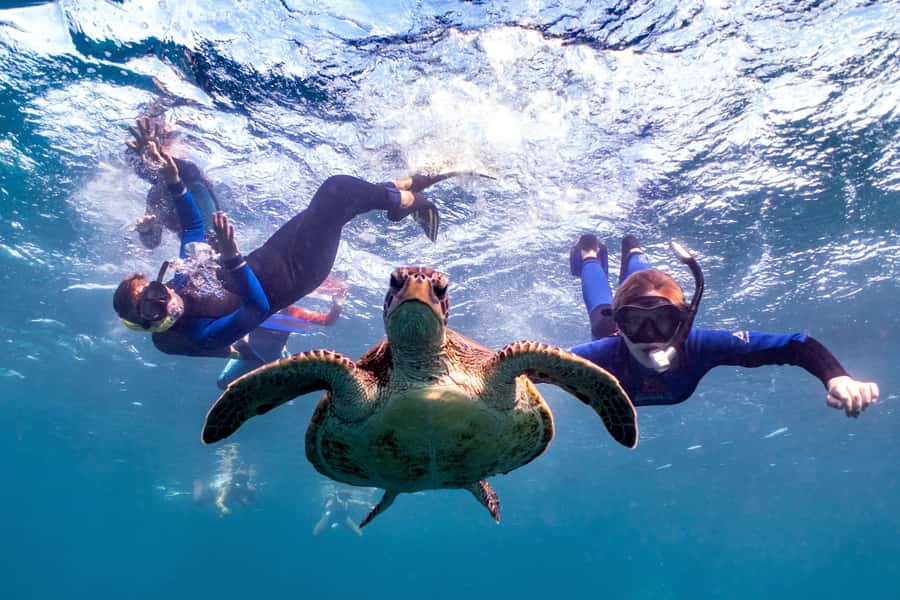
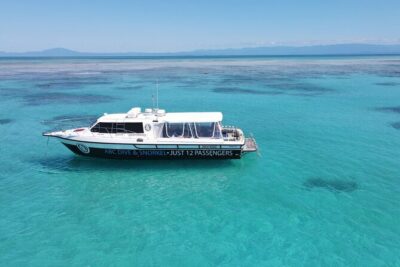
Mantas make this reef day special. Coral Bay Ecotours takes you aboard the purpose-built Kurni-Ku for a full morning and afternoon on Ningaloo Reef. I especially like the resident manta rays, which can be found year-round, and the crew’s calm, friendly help in the water. You also get two major extras for the price: a spotter plane to help locate mantas and a buffet lunch with morning and afternoon tea.
The main catch is simple: this is wildlife, not a stage show. Mantas may swim quickly, keep their distance, or fail to appear at all. The water can also feel cold, and one past participant found the group crowded around the animals. Still, the crew works hard to find other rewards, from turtles and reef sharks to dolphins, whales, cuttlefish, and brilliant reef fish.
Five things to know before you book
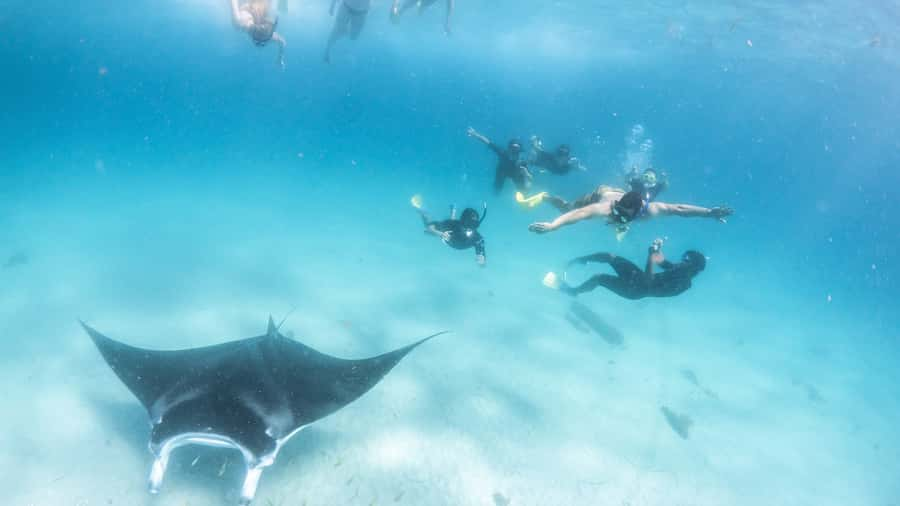
- Mantas are searched for by air: A spotter plane helps the boat locate manta rays around Bateman’s Bay, giving you a better chance of finding them.
- The day includes three water sessions: You snorkel in the morning, swim with mantas around midday, then stop for another reef session before returning.
- Wildlife can be remarkably varied: Turtles, reef sharks, tropical fish, dolphins, humpback whales, and even tiger sharks have appeared on different outings.
- The crew provides real in-water support: Guides help with fins, entry, confidence, and staying with the group.
- The $247 price covers most essentials: Snorkeling gear, a wetsuit, guides, morning and afternoon tea, and buffet lunch are included. Photos cost extra.
Why Ningaloo Reef makes this a special boat day
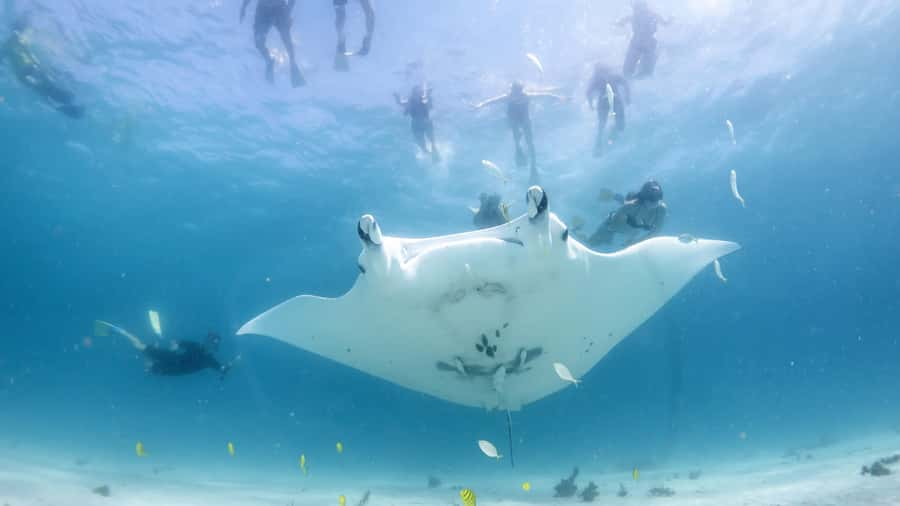
Ningaloo Reef is unusually close to shore, but this trip still gives you a proper day on the water. You are not simply dropped at one snorkeling spot for a short swim. The Kurni-Ku carries you between sections of reef, and the crew adjusts the day around conditions and animal activity.
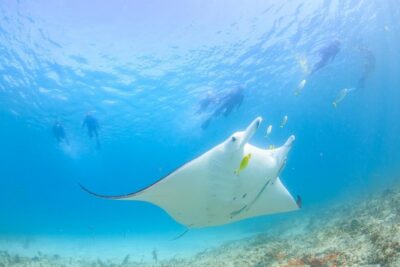
The star attraction is the manta ray population around Coral Bay. These large, graceful animals are present throughout the year, so you are not limited to a narrow seasonal window. That does not guarantee a sighting, but it gives the trip a stronger base than a tour built around a short annual migration.
The other good feature is variety. You might spend one session looking at coral gardens and small reef fish, then watch turtles from the boat, and later follow a manta ray through clear water. Some outings have also included dolphins and humpback whales, with larger sharks spotted from the boat rather than in the water.
That mix makes the trip worthwhile even if the mantas do not cooperate. One outing had no close manta encounter, but still produced a memorable meeting with a large loggerhead turtle called Albert. Nature occasionally changes the schedule. The crew cannot change that, but it can keep the day interesting.
A few more safaris around Australia worth a look
- ABC Reef Safaris
★ 5.0 · 1,443 reviews - Ocean Safari Great Barrier Reef Experience in Cape Tribulation
★ 5.0 · 902 reviews - Kangaroo Island 75-Minute Coastal Safari
★ 5.0 · 607 reviews
An easy start at 8:00 AM in Coral Bay
Your morning begins at the Coral Bay Ecotours office at 30 Robinson Street. The usual start is 8:00 AM, unless the operator gives you a different time. Bring your swimwear and water, then expect a short three-minute bus ride to the jetty.
The transfer is brief, but it keeps the meeting point simple. You check in at the office rather than trying to find the boat on the waterfront. At the jetty, you board the Kurni-Ku for a safety briefing and the first boat ride of the day.
The boat was built for movement around Ningaloo Reef. That matters because the crew can spend the day checking different areas instead of treating the first stop as the only option. The guides also explain how the group will enter the water, move around animals, and return to the boat.
If you are nervous about snorkeling, say so early. Past outings have included people who had never managed a mask and snorkel without panicking. Patient crew members helped them build confidence and stayed close in the water. Older swimmers and people with limited flexibility have also received help with fins and getting in and out.
You still need a basic level of comfort in the sea. One person found that keeping up with a manta required fast swimming, so do not expect the animals to wait for the slowest swimmer. Tell the crew about your comfort level before entering, and pay attention to their instructions.
The first reef stop in Bills Bay
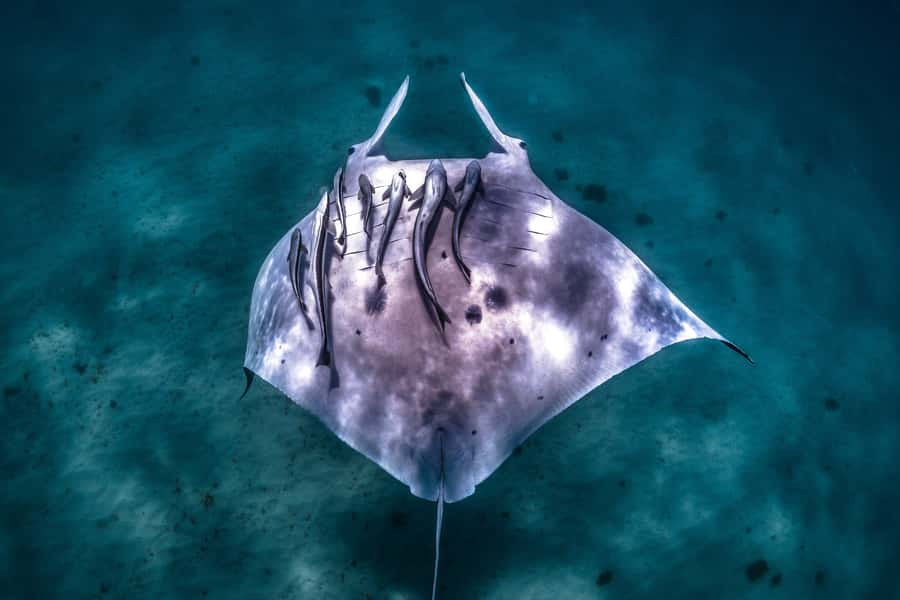
The first snorkeling session takes place in Bills Bay, within the Ningaloo Reef area. This is your chance to settle into the wetsuit, test the equipment, and get a feel for the water before the manta search begins.
The planned session lasts about 45 minutes, with a safety briefing and a guided look at the reef. Expect coral gardens, schools of tropical fish, and the possibility of reef sharks. The sharks are generally part of the reef scenery rather than the main event, but seeing them glide below can add a welcome jolt to the morning.
This stop also gives the guides time to point out smaller creatures and reef features. Past outings have included turtles, cuttlefish, clams, and many kinds of fish. The clearest water can make this part of the trip feel almost effortless, though visibility depends on sea and weather conditions.
The benefit of starting here is that you do not need to wait until the manta encounter to discover if your mask fits or your fins work. The drawback is that the reef stop can feel short if you want a long, relaxed swim. With several activities packed into six hours, the crew keeps the group moving.
Morning tea, then the search at Bateman’s Bay
After the first snorkel, you return to the boat for roughly 20 minutes of tea, coffee, and a break. This is a useful pause. You can warm up, eat something, and watch the reef from the boat before the day’s main search.
The Kurni-Ku then heads toward Bateman’s Bay. This is where the spotter plane becomes important. From above, the plane can help locate manta rays, allowing the skipper to move toward active animals rather than relying on luck at a random reef site.
Once mantas are located, you enter the water with the guides. The time in the water can vary because the animals control the encounter. On a strong day, swimmers have spent around 90 minutes with several mantas, including one report of five animals together and another of about 12.
Do not treat those sightings as a promise. A manta may pass close, circle for a while, or disappear before you reach it. It may also move faster than you expect. Your best approach is to follow the guide, stay calm, and leave the animal room to swim naturally.
This is also where crew support matters most. Guides have helped people with anxiety, pointed out individual mantas, and kept swimmers focused on the animals rather than on the group around them. Freckles, one named manta, has been seen making repeated passes while feeding. Individual animals may be recognized by the guides, adding a little character to the encounter.
Same region, a very different drive:
- Marine Eco Safari – Swim with Manta Rays
★ 5.0 · 493 reviews - Top End Safari Camp Day Tour
★ 5.0 · 398 reviews - Whitsunday Crocodile Safari
★ 4.5 · 366 reviews - Don’t just Visit Brisbane – Experience our Moreton Bay Safari
★ 5.0 · 354 reviews
Lunch and the final reef session
Lunch follows the main manta session and lasts about 30 minutes. The buffet is included, along with the snacks and hot drinks served earlier and later. Food is more than a nice extra here. Snorkeling for several hours can leave you cold and hungry, and a proper meal helps you enjoy the final stop instead of merely enduring it.
Past outings have earned praise for the cake, coffee, snacks, and lunch. The food is not the reason to book the trip, but it improves the day and means you do not need to arrange a packed lunch.
After eating, the boat stops for another snorkeling and wildlife session of about 45 minutes. This final visit gives the crew a chance to show you a different part of the reef or respond to animals spotted during the return route.
You might see more turtles, reef fish, or reef sharks. Dolphins and whales have also appeared from the boat, and humpback whales have been seen close enough to make the ride home memorable. Tiger sharks and leopard sharks have been reported from the boat as well. Those sightings are exciting, but the trip does not promise them, and they are not presented as animals you will swim with.
The final stop is valuable because it takes some pressure off the manta encounter. If your first reef swim was your favorite part, you get another chance. If the manta session was brief, the last snorkel can help round out the day.
The crew is the strongest part of the experience
The staff receive the most consistent praise, and the details explain why. They do more than give a safety talk and point toward the water. They help with gear, explain what you are seeing, keep an eye on swimmers, and adjust their support to different abilities.
Several guides have been singled out by name on past departures, including Dan, Lou, Paul, Will, Jake, and Adam. Staffing can change, so you should not book expecting a particular person. Still, the pattern is clear: the team brings enthusiasm and solid reef knowledge without making the day feel like a classroom lecture.
Lou was remembered for explaining coral and marine life while swimming with the group. Skipper Dan has been praised for making extra stops when animals appeared during the day. Will and Jake have been associated with the optional photo service, while Adam was noted for staying beside a nervous swimmer.
That kind of help is important if you are an uncertain swimmer, traveling with children, or simply want to get more from the reef. One past participant had a panic attack after the first entry and nearly spent the day watching from the boat. Patient staff helped her regain confidence and see turtles, mantas, and sharks.
The crew cannot make rough seas disappear or guarantee a manta. What it can do is make the experience feel cared for and well run. That is a major part of the value.
What $247 per person really gets you
At $247 per person, this is not a cheap snorkeling outing. It is also more than a short boat ride to one reef patch. The six-hour program includes the vessel, crew, three guided water sessions, snorkeling equipment, a wetsuit, morning and afternoon tea, coffee, and buffet lunch.
The spotter plane is an important part of the calculation. It adds a practical search tool to the manta portion of the day, rather than leaving the skipper to guess where the animals might be. You are paying for time, transport between sites, food, equipment, and a coordinated effort to find wildlife.
Photos are not included. A photographer may take professional images during the day, and past purchasers have been happy with the results. If you want a record of the manta swim, budget extra for photos. If you are comfortable taking memories home in your head, you can skip that cost.
The price makes the most sense if you value a full day on the reef and want staff support. It is less compelling if you only want a short swim or dislike organized group activities. One concern raised about a busier outing was seeing more fins than wildlife in the manta area. Group size is not provided, so ask the operator if crowd levels matter greatly to you.
Conditions, comfort, and practical limits
The trip depends on minimum numbers and weather. Bad conditions can affect the route, visibility, comfort, and animal sightings. Clear water is never guaranteed, and animal behavior is outside the crew’s control.
A wetsuit is included, which is welcome because the water can feel cold, even on a bright day. One outing was described as beautiful but freezing. Bring swimwear, drinking water, and a willingness to spend several hours outside.
Pets and smoking are not allowed. The tour is conducted in English, with a live English-speaking guide. Free cancellation is available up to 24 hours before departure, and you can reserve now and pay later, which helps if your Western Australia plans are still shifting.
This is not a casual glass-bottom boat trip. You need to enter the water, use fins and a snorkel, and follow the guides. You can receive help, but you should be ready for repeated transitions between boat and sea.
Who should book this Ningaloo safari?
I would choose this for anyone who wants manta rays but also values the reef itself. The three water sessions give you more than one chance to enjoy the sea, and the wildlife list can stretch well beyond the headline animal.
It suits confident snorkelers, families with water-loving older children, couples, and solo visitors who appreciate friendly guidance. It can also suit nervous beginners, provided they tell the crew what they need and accept that the sea may feel challenging at first.
It is less suitable if you need guaranteed wildlife, dislike cold water, or want a quiet private outing. The manta area can become busy, and keeping up with a moving animal takes effort. You should also be comfortable with a full six-hour schedule rather than a quick morning activity.
Should you book the Marine Eco Safari?
Yes, if swimming with manta rays is high on your Coral Bay list and you want a serious reef day rather than a brief excursion. The spotter plane, year-round manta population, capable crew, included meals, and repeated snorkeling stops make the $247 fare easier to justify.
Book with realistic expectations. You may see several mantas for a long stretch, or you may spend the day with turtles, reef sharks, fish, dolphins, and whales instead. That uncertainty is not a flaw in the tour. It is the nature of meeting wild animals, and the crew appears prepared to make the day worthwhile either way.
FAQ
Where does the Marine Eco Safari start?
It starts at Coral Bay Ecotours, 30 Robinson Street, Coral Bay, Western Australia. The usual meeting time is 8:00 AM, followed by a short bus transfer to the jetty.
How long does the tour last?
The experience lasts about six hours, including the bus transfers, boat travel, three water-based sessions, breaks, and lunch.
Are manta rays guaranteed?
No. Manta rays are encountered regularly throughout the year, and a spotter plane helps locate them, but wildlife sightings and animal behavior cannot be guaranteed.
What equipment and food are included?
Snorkeling gear, a wetsuit, snorkeling guides, morning and afternoon tea, and buffet lunch are included.
What should I bring?
Bring swimwear and water. You should also be prepared for several snorkeling sessions and changing conditions at sea.
Can I cancel or pay later?
You can cancel up to 24 hours in advance for a full refund. A reserve-now, pay-later option is also available.
Newest safaris around Australia
- Whale Shark Safari★ 4.5 · 132 reviews
- Humpback Whale Safari★ 5.0 · 65 reviews
- Cairns Trinity Inlet Sightseeing Safari★ 5.0 · 30 reviews
- Byron Bay Wildlife Safari★ 5.0 · 81 reviews
- Uluru, Kata Tjuta and Kings Canyon Camping Safari from Alice Springs★ 5.0 · 162 reviews
- Swan Valley: Golf Cart Kangaroo Safari w/ Mini Golf & Drink★ 4.6 · 27 reviews
- From Alice Springs: Palm Valley 4WD Outback Safari + Picnic★ 4.5 · 64 reviews
- Noosa: Ocean Adventure & Dolphin Safari★ 4.9 · 91 reviews
Australia Safaris, compared.
Ocean Safari Great Barrier Reef Experience in Cape Tribulation
Read our review →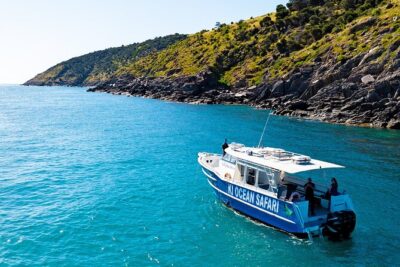

Yarra Valley Foodies Tour with Chandon and Kangaroo Safari!
Read our review →Browse the lists this tour appears in