
Review · INDIA
Delhi Agra Jaipur Golden Triangle Multiday Trip with Safari
The Taj Mahal is only the beginning. This private Golden Triangle tour links Delhi’s grand monuments, Agra’s Mughal treasures, Jaipur’s royal sights, and Ranthambore’s tiger country in one carefully arranged trip. I especially like the private car and driver, which removes much of the strain from India’s long road journeys, and the chance to see the Taj Mahal at sunrise before the heat builds.
The itinerary is flexible, with three to seven-day versions and optional hotels, guides, monument tickets, and safari arrangements. The main caution is pace: even the seven-day plan covers a lot of ground, while the shorter versions cut out rest time and, in the three-day option, the safari itself.
Key points to know before booking
- Sunrise at the Taj Mahal: The early visit gives you cooler air, softer light, and a calmer start than a midday visit.
- A driver who matters: Past guests repeatedly praised drivers such as Shalin, Ashok, Sahil, Anil, Faruk, and Manoj for safe driving, punctuality, and helpful local advice.
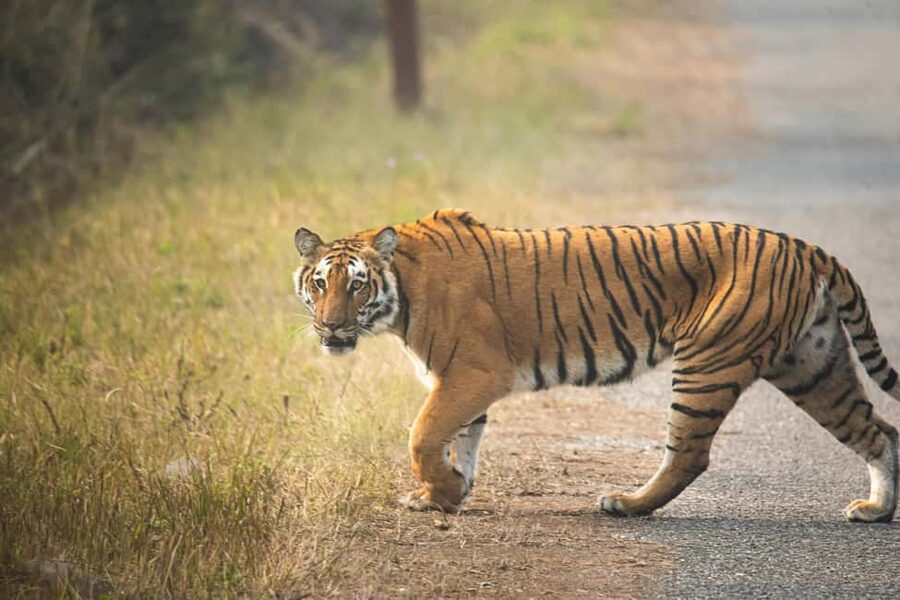
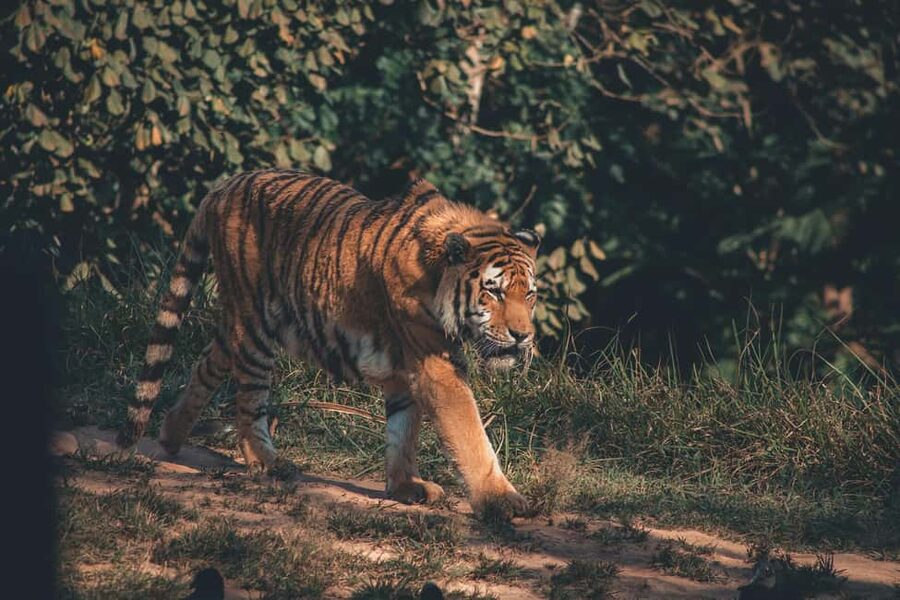
- Ranthambore adds wildlife: The safari offers a chance to look for tigers, but sightings can never be promised.
- Seven days feels most comfortable: The longer plan includes Pushkar and gives Jaipur two full days rather than squeezing everything into one.
- Guides vary by city: Strong local guides include Imran in Agra, Sid and Kapil in Jaipur, and Azhar and Ankush in Delhi.
- Shopping stops need clear boundaries: Some guides may suggest carpet, textile, jewelry, or souvenir shops, so say plainly if you do not want to shop.
Why this Golden Triangle route works
India’s Golden Triangle is popular for good reason. Delhi gives you imperial tombs, mosques, colonial avenues, and modern India. Agra brings the Taj Mahal and the Mughal court. Jaipur shifts the mood to painted facades, hill forts, palace rooms, and Rajasthan’s colorful markets.
Adding Ranthambore changes the trip from a monument tour into a broader look at northern India. You move from Mughal architecture to royal Rajasthan, then into a national park known for Bengal tigers. That variety is the tour’s strongest idea.
The private format also matters. You are not waiting for a large coach to load, and the driver can stop for water, food, photographs, or an ATM when needed. Several drivers were praised for keeping the car clean, helping with pictures, and adjusting the schedule when plans changed.
The advertised price is $135 per person, but treat that as a starting point rather than the final cost for every version. Hotel category, monument tickets, safari arrangements, trip length, and vehicle size affect what you pay. At that price, the value can be very good if you want transport and coordination handled for you. Confirm exactly what is included before booking.
A few more safaris around India worth a look
- Non-Touristic overnight Camel Safari
★ 5.0 · 526 reviews - Overnight Camel Safari – Sleeping under the Stars
★ 5.0 · 390 reviews - Adventure non touristic camel safari
★ 5.0 · 300 reviews
Delhi: a packed first day among famous monuments
The Delhi day is ambitious. It includes Qutub Minar, India Gate, Humayun’s Tomb, the Lotus Temple, Jama Masjid, Chandni Chowk, a rickshaw ride, and Akshardham before the evening drive to Agra.
Qutub Minar is the dramatic opening. Its tall red sandstone tower and surrounding ruins show the early Delhi Sultanate period. You will not need a long visit to appreciate the scale, but a local guide can make the carved details and changing dynasties easier to follow.
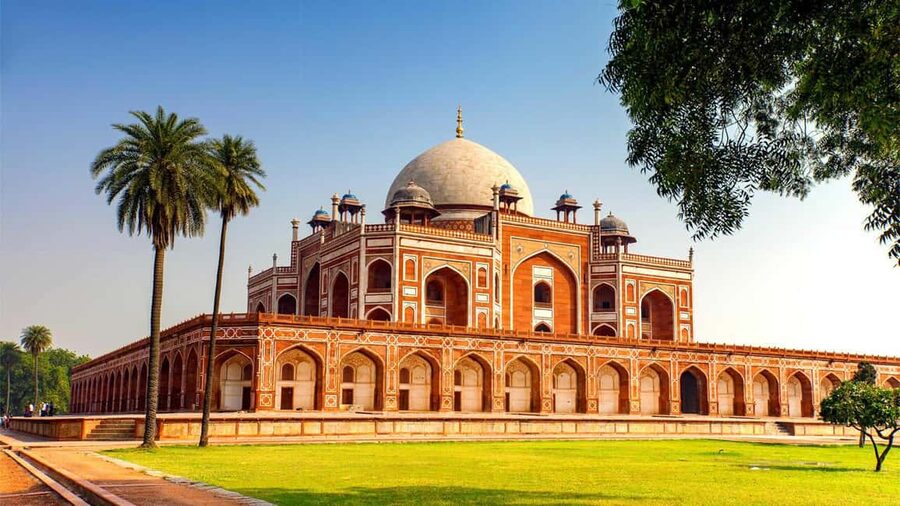
Humayun’s Tomb is one of Delhi’s most graceful stops. Its formal garden layout and red-and-white stonework helped shape later Mughal design, including ideas seen at the Taj Mahal. If you like architecture, this is more than a quick photo stop.
India Gate offers a different view of the city. The broad avenue and war memorial reflect New Delhi’s later imperial and national identity. The Lotus Temple, with its flower-like form, adds a modern religious site to the day.
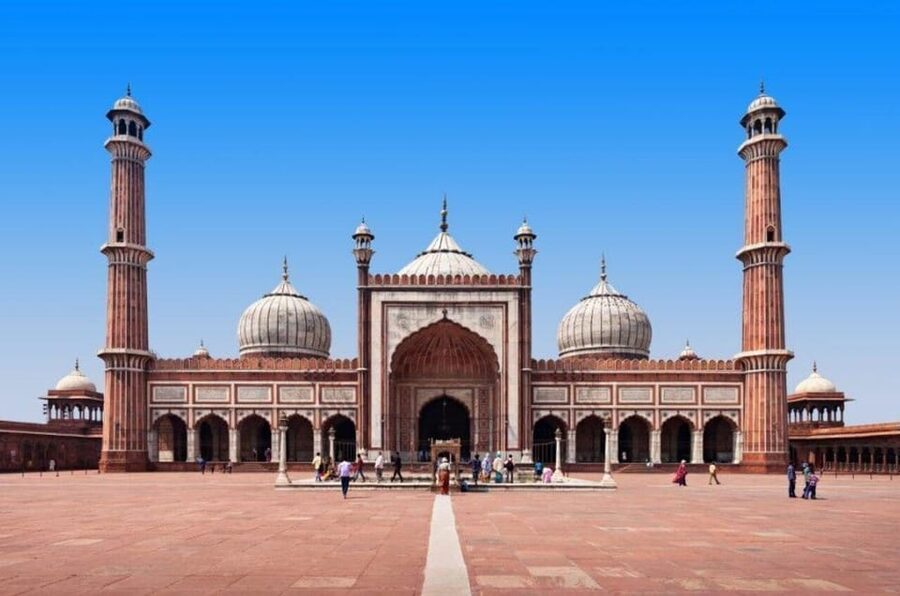
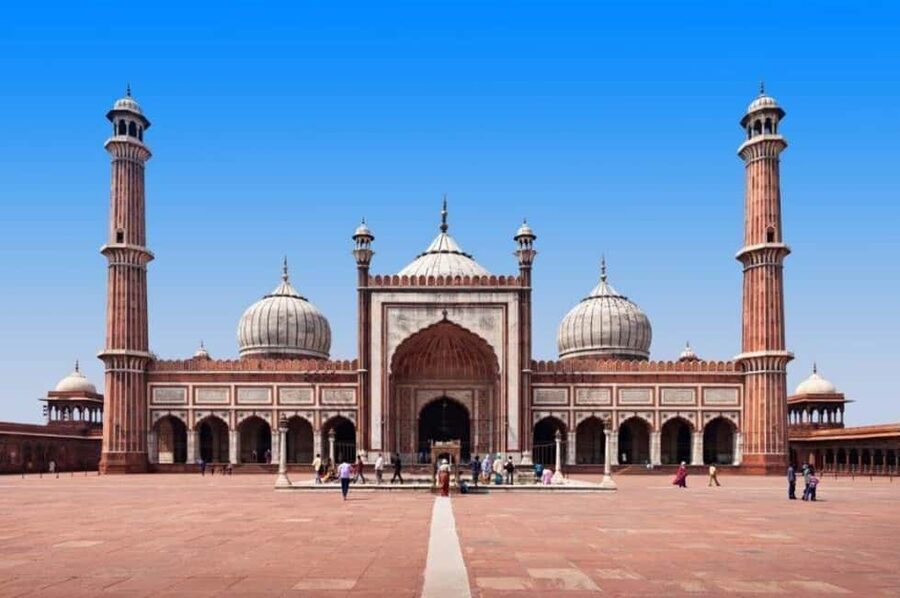
The Old Delhi section is more intense. Jama Masjid is a major mosque with wide courtyards and strong city views, while Chandni Chowk brings narrow streets, shops, food smells, and constant movement. The rickshaw ride gives you a brief taste of this crowded district without asking you to navigate it alone.
Akshardham is a large and highly managed temple complex. It is visually impressive, but security rules can be strict, and certain belongings may not be allowed inside. Ask your guide about the entry process so you do not lose time at the end of an already full day.
The weakness here is simple: too many major stops for one day. You will see the headline sights, but you will not have much time to linger. If Delhi matters deeply to you, consider arriving early or adding a separate Delhi day.
The evening drive to Agra is useful because it positions you for the Taj Mahal at sunrise. It also makes day one long. You may appreciate the efficient routing, but do not expect a gentle introduction after an international flight.
Agra: use the early start for the Taj Mahal
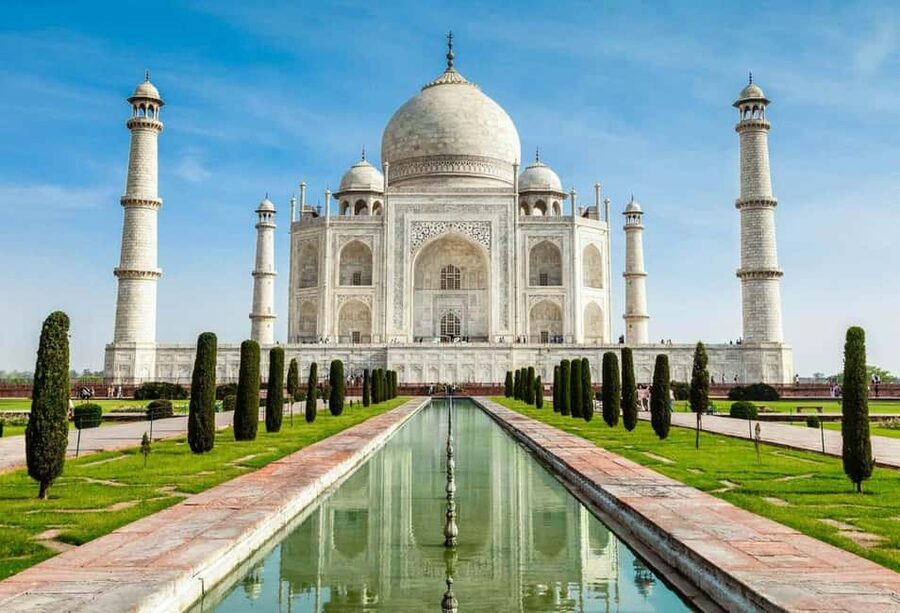
The Taj Mahal is the emotional center of the trip, and the sunrise visit is the right choice. Early light brings cooler temperatures and a softer look to the white marble. The atmosphere can still change quickly, but arriving early generally gives you a better chance to enjoy the monument before the strongest crowds and heat.
A guide helps with more than the familiar love story. Look closely at the marble inlay, the balance of the four minarets, and the way the building appears to change color with the light. Imran and Mehfooz received especially strong praise for clear explanations, good photography help, and engaging accounts of the monument.
Do not rush away after the classic front view. The gardens, reflecting pool, side buildings, and changing angles help you understand why the Taj Mahal is more powerful in person than in photographs. Your guide can also help you manage the required entrance process and the flow around the main mausoleum.
Agra Fort provides the needed second chapter. This red sandstone complex was a royal residence, military base, and political center. From some sections, you can see the Taj Mahal in the distance. The connection between the fort and the monument helps explain Mughal power in a way that a quick Taj visit cannot.
Itmad-ud-Daula is smaller and more intimate. Often called the Baby Taj, it is known for fine marble work and detailed decoration. It makes a good contrast with the scale of the Taj Mahal. If you enjoy close-up craftsmanship, this stop may surprise you.
The two-night Agra arrangement in the longer itinerary is sensible. It avoids the common mistake of seeing the Taj at dawn, visiting the fort, and then immediately rushing onward. In shorter versions, the day remains busy, especially if you also need to drive to Jaipur.
Agra is also where shopping pressure may appear. Some guides have taken people to shops selling rugs, fabrics, jewelry, and other goods. You can simply say that you are not shopping. If you do want to buy something, compare prices and do not feel obliged to purchase because a stop was added to your route.
Fatehpur Sikri and Abhaneri: worthwhile stops between cities
The road from Agra toward Ranthambore can include Fatehpur Sikri and Abhaneri. These stops break up a long transfer and add two distinctive pieces of northern Indian architecture.
Fatehpur Sikri was built by Emperor Akbar and later abandoned as a capital. Its red sandstone courtyards, palace areas, and religious buildings show a planned royal city rather than a single isolated monument. A good guide can explain how the site functioned and why it was important.
The quality of guiding can vary here. Soyeb was praised for patient explanations, while another guide was difficult for one person to understand. At one religious stop, an unwanted request for money was also reported. You should ask your guide in advance which areas are included and whether donations are expected. No contribution should be treated as compulsory.
Abhaneri Stepwell is a different kind of sight. Its repeated flights of steps form a striking geometric pattern, built to reach water during dry periods. It is less grand than the Taj or Amber Fort, but it shows practical design and local engineering. The stop is usually brief, which is helpful on a long transfer day.
These visits are valuable because they keep the trip from becoming a chain of famous-ticket attractions. They also make the driving day more manageable, though the total time on the road can still be tiring.
Same region, a very different drive:
- Overnight Desert Safari Tour Package
★ 5.0 · 255 reviews - Private 4-Day Golden Triangle Tour with Ranthambore Tiger Safari
★ 5.0 · 248 reviews - From Jaipur: Ranthambore National Park Day Trip with Safari
★ 4.6 · 244 reviews - Overnight Camel Safari (remote And Isolated)
★ 5.0 · 170 reviews
Ranthambore: a safari with real uncertainty
Ranthambore is the tour’s wild-card element. The morning safari takes you into one of India’s best-known tiger reserves, where you may also see other wildlife and the remains of Ranthambore Fort. The main draw is the tiger, but no ethical safari can promise one.
Set your expectations correctly. A tiger sighting is luck, timing, and patience, not a guaranteed feature of the package. One solo visitor reported seeing several tigers, but you should treat that as a fortunate result rather than a standard outcome.
The safari also changes the rhythm of the trip. After several days of monuments and city traffic, an early ride through the park gives you open space and a different kind of excitement. It is still an early start, and the ride can be tiring after the long transfer from Agra.
The accommodation note matters here. A four-star resort may be supplied in Ranthambore instead of a five-star property because of budget limits. If hotel standards are important to you, ask for the exact property and category before paying.
The itinerary descriptions for the four-day and five-day options place the safari and Jaipur transfer slightly differently. The practical message is to confirm your exact departure time, safari date, and overnight location. The seven-day plan is the clearest version: safari in the morning, then Jaipur later that day.
Jaipur: forts, astronomy, and the Pink City

Jaipur deserves time. Its sights are spread out, and its character changes from the hilltop Amber Fort to the planned streets of the old city.
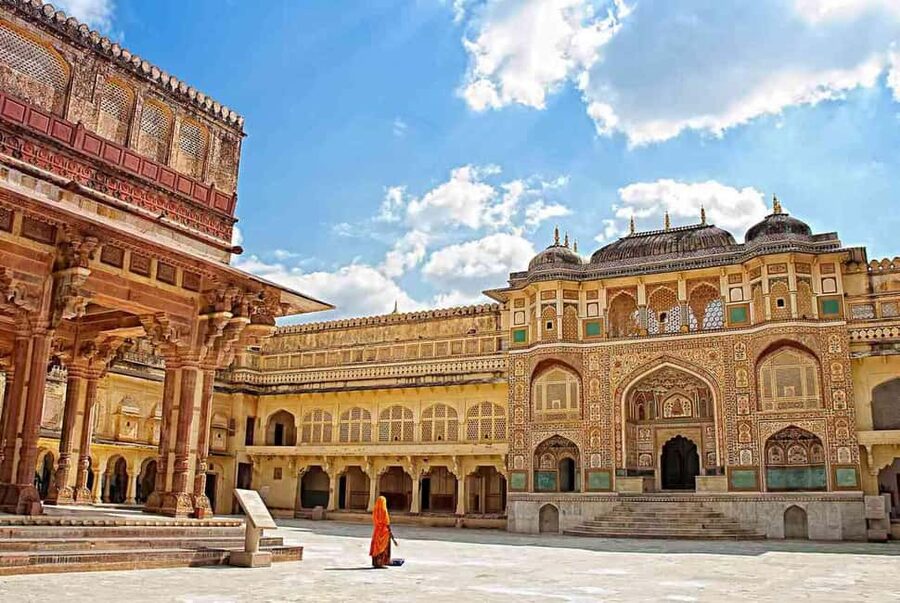
Amber Fort is the major morning visit. The fort’s courtyards, gateways, decorated halls, and hill setting make it one of the most memorable places on the route. Wear comfortable shoes and allow time for walking. Your guide can help explain the mix of defensive planning, royal ceremony, and decorative art.
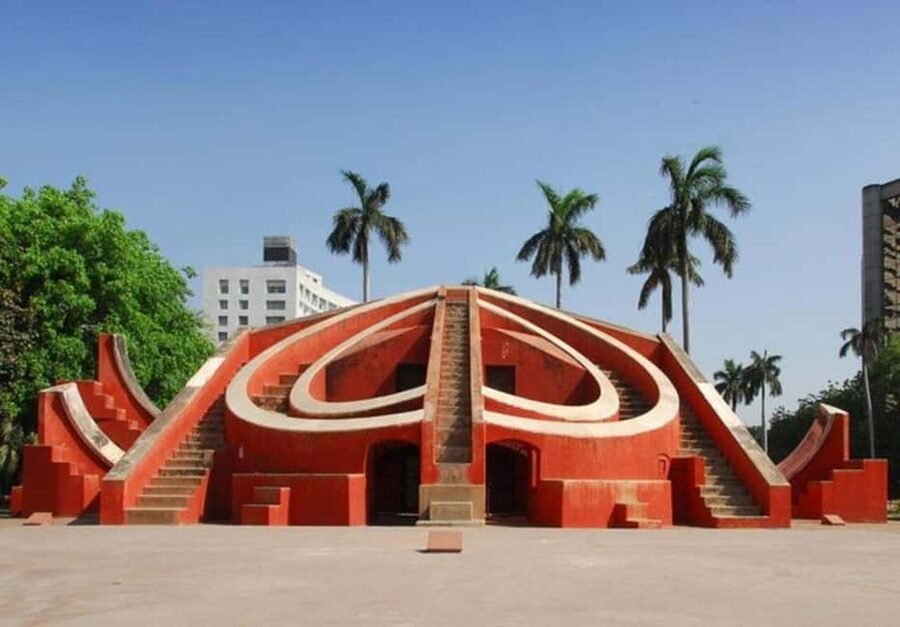
The City Palace brings you back into the world of Jaipur’s ruling family. Its courtyards and displays show the city’s princely past, while Jantar Mantar presents a more unusual story. These enormous stone instruments were built for astronomical measurement. A strong guide can show how the angles and shadows were used, rather than leaving you to view them as abstract sculptures.
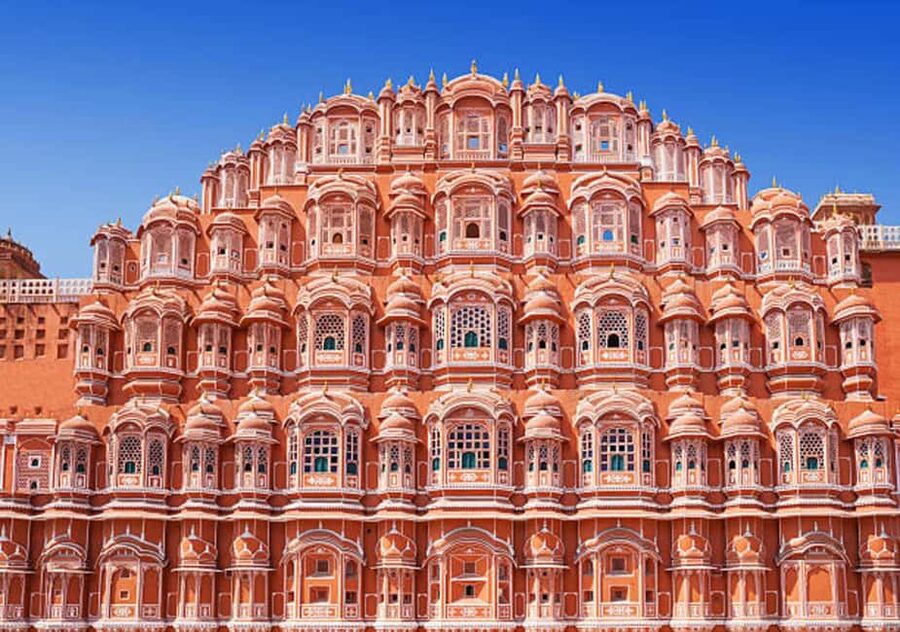
Hawa Mahal is best understood from the outside as well as the inside. Its many small windows allowed women of the royal household to observe street life without being seen. The facade is one of Jaipur’s most recognizable views, so allow a little time for photographs rather than treating it as a drive-by stop.
Jal Mahal, the water palace, is generally a short viewpoint stop. It gives you a change of pace after the denser palace visits. In the old city markets, you can shop for textiles, crafts, and souvenirs, but bargaining and comparison are wise.
Guides in Jaipur have been a particular strength. Sid was praised for avoiding the thickest crowds and explaining the astronomy instruments clearly. Kapil was valued for offering choices and taking useful photographs. Abbas was also praised for two strong days of guiding.
The seven-day plan adds Pushkar between the safari and Jaipur sightseeing. That is a smart choice if you want more than the standard three-city circuit.
Pushkar and the value of the seven-day version
Pushkar centers on Brahma Temple, Pushkar Lake, and a local market. It has a different religious atmosphere from Delhi, Agra, and Jaipur, and the visit gives you a closer look at pilgrimage life and local customs.
The site also requires some sensitivity. One guide was specifically praised for making clear that no contribution was required, which is useful in a place where visitors may be approached for money. Listen carefully to your guide and do not hand over cash simply because someone implies it is mandatory.
A sunset visit was also recommended by a driver who knew the area well. If your timing allows it, ask whether the Pushkar schedule can include evening light. Do not assume it is part of every option, since the shorter trips leave it out.
For most people, seven days is the best-balanced plan. You get Delhi, two Agra nights, the intermediate sights, a safari, Pushkar, two Jaipur days, and the return to Delhi. The five-day plan is workable, but Jaipur and Ranthambore arrive quickly. The four-day version is a sprint. The three-day plan is really a compact Delhi, Agra, and Jaipur introduction, without the safari.
Cars, hotels, and the human side of the trip
Vehicle size depends on your party. One or two people use an air-conditioned sedan. Three to five people use a Carens or Innova, while larger groups may use a Tempo Traveller or mini bus. Ask for the exact vehicle if luggage space matters.
Drivers are central to this experience. Shalin was praised for music, photos, local suggestions, and steady attention. Sahil was flexible with timing. Ashok, Anil, Faruk, Pankai Kumar, Manoj, and Ashish were also praised for punctuality, safe driving, kindness, or clean cars. In India, where road conditions and traffic can be demanding, that is not a minor detail.
Hotels depend on the option you choose. Five-star properties received strong praise, while the four-star category was described by one European visitor as closer to two-star standards by European comparison. If comfort is important, pay for the five-star option where available and check the Ranthambore exception.
Rooms are normally twin-sharing. Three people receive a triple room by default, while two rooms cost extra. Solo travelers can book, and one solo woman described the arrangement as safe and well managed, with reliable drivers and supportive guides.
Who should book this tour?
Book it if you want India’s major northern sights without arranging every transfer yourself. It suits first-time visitors, solo travelers who want a private setup, couples, families, and anyone who values a driver waiting at the monument entrance instead of searching for transport after a long day.
The seven-day option suits you best if you want the safari and Pushkar without turning every day into a race. Choose the three-day version only if your time is tight and your main goals are Delhi, the Taj Mahal, and Jaipur.
I would be more cautious if you dislike early starts, long road transfers, or shopping suggestions. I would also confirm the hotel names, entrance-ticket coverage, safari details, and exact route before booking. The strongest value here is the organization and private transport, not a slow, leisurely pace.
FAQ
Is the safari included in every version?
No. The three-day option lists Delhi, Agra, and Jaipur without Ranthambore. The four-day, five-day, and seven-day options include a safari, subject to the selected package and schedule.
Are hotels included in the price?
Hotels are included only if you select the accommodation option. You can also book without hotels and still receive pickup and drop-off at your own accommodation.
What type of vehicle is used?
One or two people use an air-conditioned sedan. Three to five people use an air-conditioned Carens or Innova. Groups of nine to twenty-six may use a Tempo Traveller or mini bus.
Can a solo person book the tour?
Yes. Solo bookings are accepted, and pickup can be arranged from an airport, hotel, or requested location in New Delhi, Noida, or Gurugram.
Are meals included?
No. Meals and personal expenses are not included.
What languages are available for the guides?
Live guides are available in English, French, Japanese, Spanish, and Italian.
My booking advice
I would book this tour for the seven-day itinerary if you want a broad first look at northern India with private transport and local guides. The driver service is the real backbone, and the Taj Mahal at sunrise, Agra Fort, Amber Fort, and the Ranthambore safari give the route plenty of memorable moments.
Choose the five-day plan if your schedule is tighter. Choose three days only for a fast introduction. Before paying, confirm the hotel category, exact safari arrangements, monument-ticket inclusion, room setup, and that shopping stops can be skipped. With those details settled, this is a practical way to see the Golden Triangle without having to solve every transfer yourself.
Newest safaris around India
- Explore Bangalore’s Wild Side – An Exclusive Bannerghatta Safari!★ 5.0 · 10 reviews
- Wild Life Jeep Safari Tour at Bannerghatta with Private Transfer★ 5.0 · 24 reviews
- Sariska Tiger Reserve Assistance for Gypsy Private Safari Tickets★ 4.0 · 13 reviews
- Chambal River Safari★ 5.0 · 75 reviews
- Sanjay Gandhi National Park + Kenheri Caves + Lion Safari★ 4.4 · 19 reviews
- Sawai Madhopur: Ranthambore National Park Guided Jeep Safari★ 4.4 · 23 reviews
- Ranthambore National Park: Safari Ticket with Pickup Option★ 4.5 · 32 reviews
- Peeps Billions of Star Experience with Desert & Camel Safari★ 4.8 · 18 reviews
New Delhi Safaris, compared.

Private 4-Day Golden Triangle Tour with Ranthambore Tiger Safari
Read our review →
4 Day Golden Triangle with Ranthambore Tiger Safari Tour from Delhi
Read our review →
4-Day Golden Triangle & Ranthambore Tiger Safari
Read our review →
5 Day Golden Triangle, Safari, & Bird Sanctuary
Read our review →Browse the lists this tour appears in