
Review · CENTRAL KENYA, KENYA
From Nairobi: 3 – Days Maasai Mara Group Safari by 4WD
The wild starts before lunch. This three-day Maasai Mara safari gives you two strong wildlife sessions in a 4WD Landcruiser, including a sunset drive and a full day inside the reserve. I like the pop-up roof for photos and the chance to travel with guides such as James, Paul, Richard, or Benjamin, who have earned high praise for animal spotting and safe driving.
I also like the simple camp, included meals, bottled water, and hotel pickup, which keep the base price at a modest $240. The catch is important: park fees are extra, and they can cost as much as the safari itself, or more, depending on the season. The camp is clean and practical rather than luxurious, so you should book this for wildlife, not pampering.
Quick points to know before booking
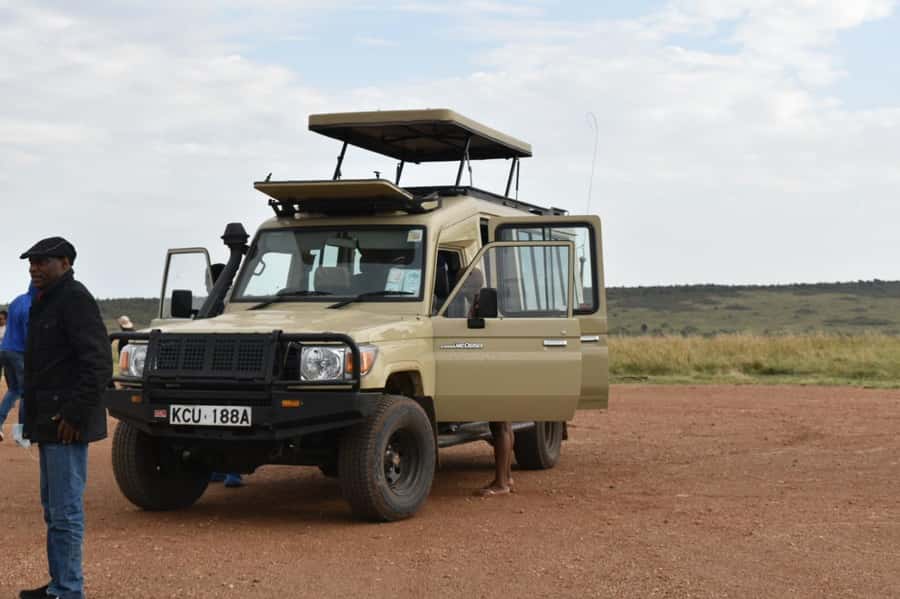
- The safari uses a 4WD Landcruiser with a pop-up roof, giving you better views and easier photography than a standard car.
- You get two main game-drive sessions: a sunset drive on day one and a full-day drive on day two.
- The budget price excludes Maasai Mara park fees, which are listed as $200 for two days from January to June and $400 for two days from July to December. Confirm the current charge before paying.
- Rhino Tourist Camp or a similar camp is basic but functional, with food, beds, and simple facilities. A single tent costs an extra $30 for two nights.
- The Great Rift Valley viewpoint adds a worthwhile stop on the long road from Nairobi to the reserve.
- A Maasai village visit and balloon safari are optional extras, not part of the included price.
The real price is $440 to $640 per person
At first glance, $240 for three days in the Maasai Mara looks remarkably cheap. It covers transport from Nairobi, two nights of camping, six meals, two game-drive sessions, bottled water, and an English-speaking guide. For a first safari, that is a useful package.
You need to add the reserve entry fees. The supplied prices list two days at $200 per person from January through June, and $400 per person from July through December. That puts the likely total at $440 to $640 per person, before optional extras and any airport transfer.
There is a small inconsistency in the published fee notes: another section lists $100 per person per day from January to June and $200 per person per day from July to October. Those figures produce the same two-day totals, but the date range does not match exactly. I would confirm the current park fee, payment method, and dates before departure.
The cost still makes sense if you want a shared safari without paying for a lodge. It becomes less attractive if you want a short, polished holiday with luxury rooms and lots of private time. A mid-comfort accommodation upgrade can be requested, but it depends on availability and will cost more.
More Jeep Safaris in Kenya
- 3 days group joining safari to Maasai Mara with a Land Cruiser Jeep
★ 5.0 · 173 reviews - 3 Day Masai Mara Budget Joining Safari on 4×4 – Daily Departures
★ 5.0 · 105 reviews - 4-Day Group 4×4 Safari to Masai Mara & Lake Nakuru with Pick-Up
★ 5.0 · 87 reviews
Nairobi pickup and the long road west
Pickup is available from hotels in Nairobi city center and the Westlands area. You are asked to wait in the hotel lobby about 10 minutes before the scheduled time. Airport pickup is included, but airport drop-off costs extra, as does transport to hotels outside the listed areas.
The drive to the Mara takes much of the morning and part of the afternoon. A stop at the Great Rift Valley viewpoint breaks up the journey and gives you a sweeping view over the Rift Valley floor. It is one of the better roadside stops because it provides a sense of Kenya’s scale before you reach the reserve.
Allow for delays. Nairobi traffic can be slow, and the return to the city is expected around 3 to 4 pm, depending on road conditions. One useful criticism of this trip is that some pickup arrangements can feel disorganized, especially when several people are joining from different hotels. You may wait while the vehicle gathers the whole group.
The ride can also be bumpy. The Landcruiser handles rough roads better than an ordinary vehicle, but no 4WD can turn a long rural drive into a smooth one. Some schedules include several stops, so the trip can take around seven hours. Bring patience, a light layer, sun protection, and something to occupy you between viewpoints and camp.
Arriving at the camp for lunch
The first day is paced around getting you to the Mara in time for lunch. After the long drive, you have a chance to eat, settle in, and prepare for the first safari session.
Rhino Tourist Camp, or a similar budget camp, is not a luxury lodge. It is best understood as a practical base near the reserve. You can expect a simple tent or tent-style room, basic amenities, and communal dining rather than polished rooms and resort facilities.
That said, basic does not mean uncomfortable for everyone. Several people found the camp clean, friendly, and better than expected. Some accommodations at Rhino Tourist Camp have been described as small private units with running water, indoor dining, an outdoor fire area, and comfortable double beds. The exact setup may vary because the package allows a similar camp.
Food is one of the stronger parts of the package. Breakfast, lunch, and dinner are included, and the meals are served in enough quantity for long days outside. A chef named George received particular praise for the cooking. Bottled water is supplied in the safari vehicle, which saves you from buying drinking water throughout the trip.
Bring your own toiletries. The accommodation may provide only a small bar of soap, and you should not expect a full hotel-style bathroom kit. If you are alone and want your own tent, the single supplement is $30 for both nights.
The sunset game drive on day one
After lunch, you head into the Maasai Mara National Reserve for an evening game drive. The timing is useful because the cooler part of the day can bring more movement from predators, and the soft light is good for photography.
The guide’s skill matters greatly here. Guides including Kush, Paul, James, Charles, Chege, Benjamin, and Richard have been praised for reading animal behavior, using radio communication, and positioning the vehicle for clear views. Richard, who is Maasai, was especially valued for explaining animals, plants, and local culture while keeping a respectful distance from wildlife.
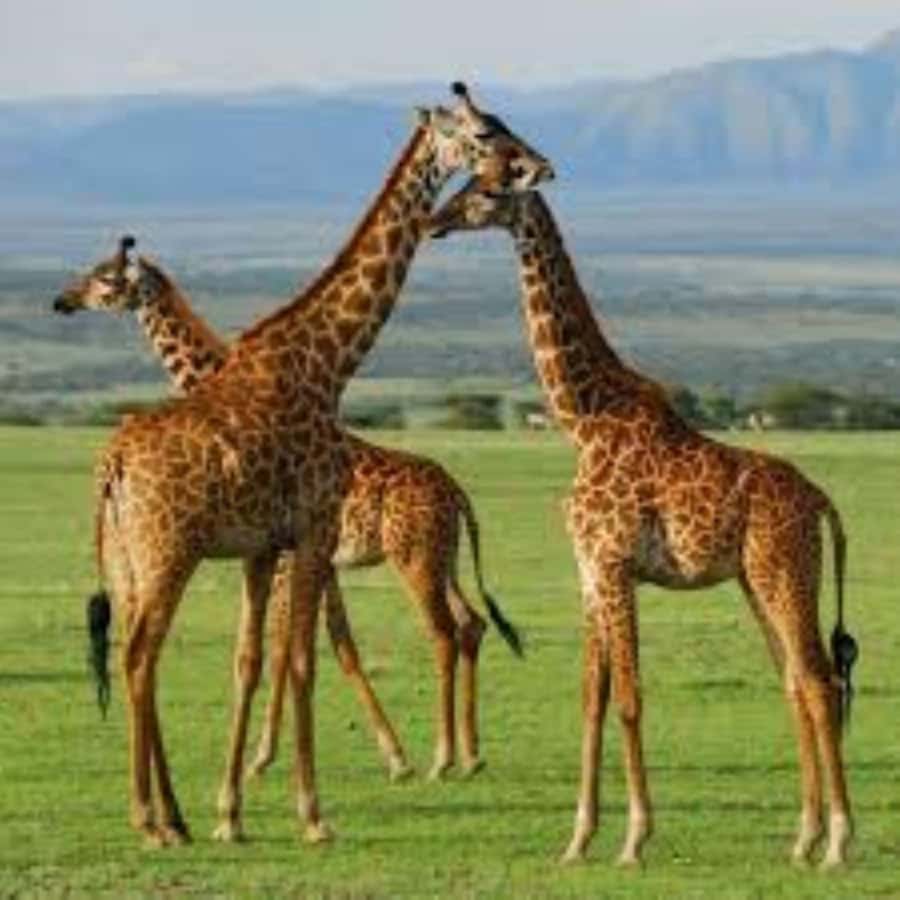
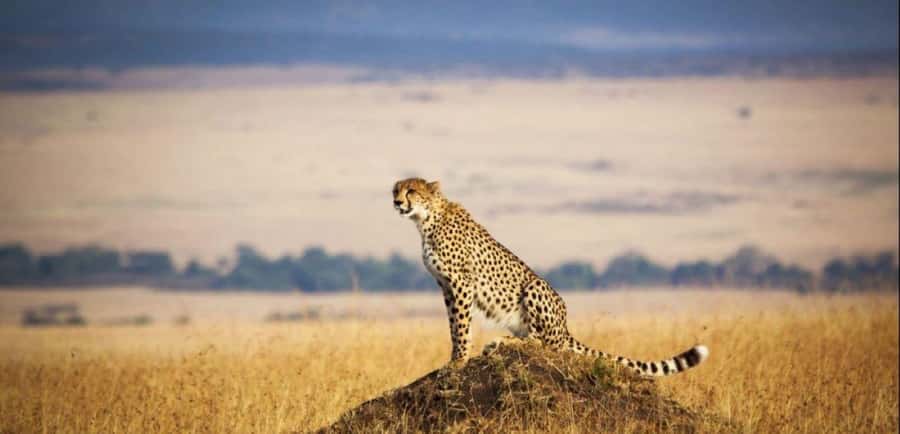
You might see lions, cheetahs, elephants, buffalo, zebras, giraffes, ostriches, hippos, crocodiles, or a rhino. Nobody can promise the full Big Five. Leopards and rhinos are less predictable, and even excellent guides cannot order an animal onto the road. One person saw four of the Big Five but missed the leopard. Another saw four but missed the rhino.
This is also the point where the park fee deserves careful thought. The evening drive is exciting, but you are paying for two days of entry, and the first session is only part of an afternoon. One person felt the sunset drive alone did not justify the full daily fee, while still strongly recommending the overall safari. If you are trying to reduce costs, ask how the entry fee is calculated and what time your first park entry begins.
After the drive, you return to camp for dinner. This is a social trip, so meals are a natural time to talk with other people in the vehicle and compare sightings. The group element can be a real benefit for solo visitors, though it means you will not control every stop or seat.
More Jeep Safaris in Nairobi
- Nairobi: 3-Days 2-Nights Maasai Mara Group Safari in 4×4
★ 4.6 · 54 reviews - 5-Hour Nairobi National Park 4×4 Safari with Free Pickup
★ 4.6 · 16 reviews - From Nairobi:3-Days 2-Nights Maasai Mara Group Safari in 4WD
★ 4.8 · 11 reviews - From Nairobi : 2-Days 1-Night Masai Mara Private 4WD Safari
★ 4.8 · 10 reviews
The full-day Mara drive is the main event
Day two begins with breakfast, followed by a full day inside the reserve. This is where the trip earns its place on your Kenya plans.
The Maasai Mara is known for open grassland and large concentrations of wildlife. In a few hours, a strong guide may take you from grazing zebra and buffalo to elephants, giraffes, cheetahs, lions, and other animals. Several guides were praised for finding big cats, including lions, cheetahs, and leopards. Some groups saw lions feeding, which is the sort of unscripted scene that stays with you long after the drive ends.
The pop-up roof is a major practical advantage. You can stand or sit beneath the raised roof for a clear view, and the higher position helps with photographs over the vehicle doors. One solo visitor particularly liked the front passenger seat and its roof hatch. Seating may depend on the group and the driver, so do not assume you will have that position for the whole trip.
The vehicle is shared, and the roads inside and outside the reserve can be rough. You will trade private space for a lower price. If the group gets along, this adds warmth and makes the long day more enjoyable. If everyone wants different stops, you may need to compromise.
A picnic lunch is served inside the reserve, reportedly under the shade of a croton tree with views across the open country. It is a simple arrangement, but it avoids a return to camp and gives you more time among the animals. Bring a hat and sunscreen, since shade may be limited and the middle of the day can feel exposed.
What you may see during the migration season
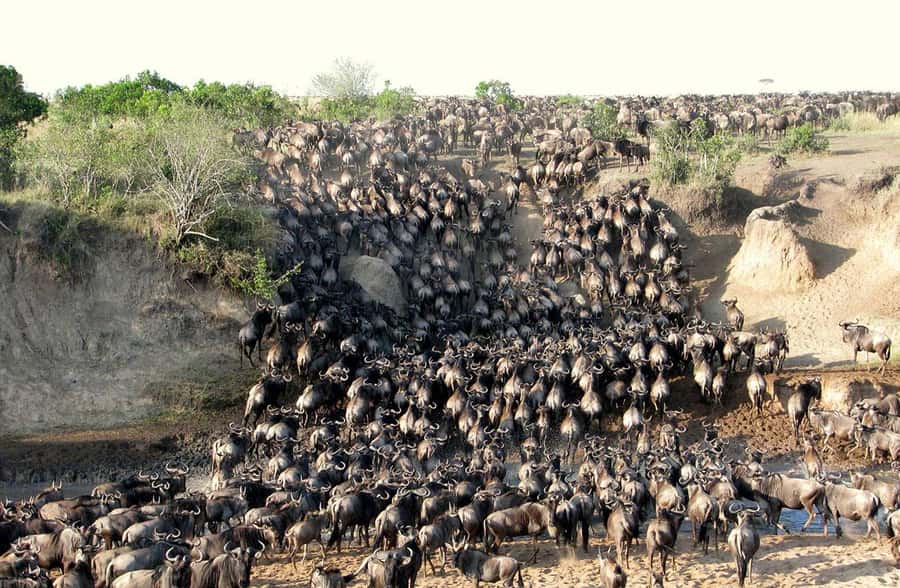
The great migration is listed as occurring around June to November, when large numbers of wildebeest and zebra move from the Serengeti toward the Maasai Mara. Predators follow the herds, including lions, cheetahs, jackals, hyenas, and vultures.
This seasonal detail matters, but it should not be treated as a guarantee. The migration covers a broad area, and the exact location of the herds changes. You can still have an excellent safari outside those months, since resident wildlife remains in the reserve throughout the year.
Your guide will use experience and radio communication to locate sightings. That was one of the most consistently praised parts of this experience. Kush was praised for using radio reports, while Benjamin and Richard were singled out for spotting animals and finding good viewing positions.
A useful guide does more than point at an animal. You should expect some explanation of behavior and safe viewing, though the amount of commentary can vary. One person wanted more stories about the park, its animals, and local culture, even though the driver was excellent. If detailed naturalist interpretation is your top priority, ask before booking how much guiding and explanation is included.
Guides make the difference
The vehicle and scenery get you to the animals, but the guide shapes the quality of the experience. This company has used several guides, so you cannot select a particular person with certainty, although you may be able to request one.
Paul was praised for safe driving, friendliness, and making solo visitors feel comfortable. James was described as precise, thoughtful, and deeply familiar with the area. Charles was valued for driving skill and animal spotting, while Chege was credited with safe travel between Nairobi and the Mara and with finding four of the Big Five.
Benjamin received especially strong praise for his driving, animal instincts, and flexibility. Richard brought local knowledge of Maasai culture as well as wildlife expertise. These examples suggest that the company has access to experienced drivers, but your exact result depends on assignment, group size, weather, and animal movement.
I would ask three questions before departure: who will drive, how many people will share the vehicle, and how much time will be spent explaining wildlife rather than simply locating it. The difference between a good driver and a good guide matters on a safari.
The optional Maasai village visit needs careful thought
On the return to Nairobi, you can pay extra to visit a Maasai village. The stated entry price is about $20.
The stop can give you a closer look at local culture and daily life, and some people found the welcome warm and the experience special. It may be a good choice if you want cultural context beyond the wildlife reserve.
You should also know that one person found the visit overly commercial and felt pressured to spend more money. That does not make every village visit the same, but it is a fair warning. Ask exactly what the entry fee covers, how long the visit lasts, and whether additional purchases or donations are expected.
A balloon safari is another optional extra, listed at about $600. That is a major addition to the budget, so it belongs in a luxury-safari calculation rather than a low-cost trip. If you choose it, confirm the schedule and how it affects the included game drives.
Who will enjoy this safari most?
This trip suits you if you want maximum wildlife time for a controlled budget. It works well for solo visitors, couples, friends, and families who care more about seeing animals than having a high-end room.
It is also a good fit if you enjoy meeting people from different countries. The shared jeep creates a social atmosphere, and several people found the group pleasant and easy to connect with. The guides often help break the ice.
You may want another option if you are pregnant, since the activity is specifically not considered suitable for pregnant women. You should also reconsider it if rough roads, long drives, shared transport, and basic camping sound unpleasant.
The trip is less suited to anyone expecting private guiding, guaranteed Big Five sightings, or a luxury lodge. You can request a mid-comfort accommodation upgrade, but it depends on availability and will change the price.
Booking details worth settling in advance
Free hotel pickup applies within central Nairobi and Westlands, while airport drop-off and transfers outside those areas cost extra. The tour is conducted in English, and you should wait in your hotel lobby about 10 minutes before pickup.
Cancellation is allowed up to 24 hours before departure for a full refund, and you can reserve now and pay later. Those terms offer useful flexibility, but they do not remove the need to budget for park fees.
Ask how the park fees will be collected. One person paid by credit card, while another was advised to arrive with $400 in cash. Payment instructions appear to vary, so get a clear answer before leaving Nairobi.
Should you book this Maasai Mara safari?
Book it if wildlife is your priority and you accept basic camping. The 4WD, pop-up roof, full-day reserve drive, included meals, and strong record of capable guides make this a solid budget safari.
Before paying, calculate the real total with park fees. Then confirm the fee dates, accommodation level, group size, pickup point, and airport transfer cost. If those details fit your budget, this trip offers a practical way to see lions, elephants, cheetahs, zebras, buffalo, hippos, crocodiles, and perhaps a leopard or rhino without paying lodge prices.
I would skip it only if you need luxury, a private vehicle, a guaranteed Big Five list, or a tightly controlled schedule. For everyone else, the rough roads and simple rooms are a fair trade for a full day in one of Kenya’s best wildlife reserves.
FAQ
What is included in the $240 price?
The price includes hotel pickup in Nairobi city center or Westlands, drop-off to hotels in those areas, transport in a 4WD Landcruiser with a pop-up roof, two game drives, two nights of budget camping, two breakfasts, two lunches, two dinners, bottled water, and assistance.
Are Maasai Mara park fees included?
No. Park fees are extra. The supplied information lists $200 per person for two days from January to June and $400 per person for two days from July to December. Another note lists the same daily rates but different date ranges, so confirm the current fee before departure.
Where does pickup and drop-off take place?
Pickup is available from hotels within Nairobi city center and Westlands. Drop-off is included for hotels in those areas. Airport drop-off and transport to hotels outside the listed zones cost extra.
What accommodation is provided?
You stay for two nights at Rhino Tourist Camp or a similar budget-tented camp. The accommodation is basic but may include beds, running water, simple facilities, and communal dining. A single tent costs an additional $30 for both nights.
Is the Maasai village visit included?
No. The visit is optional and costs about $20 for entry. You can choose to skip it if you prefer to return directly to Nairobi.
Is the balloon safari included?
No. A balloon safari can be arranged during the trip for about $600. It is an optional extra and is not part of the $240 package.
Newest safaris around Nairobi
- 5-Hour Nairobi National Park 4×4 Safari with Free Pickup★ 4.6 · 16 reviews
- Overnight Private Safari To Masai Mara★ 4.8 · 13 reviews
- Nairobi: ATV/Quad Bike Wildlife Safari with Transfers & meal★ 4.9 · 13 reviews
- Nairobi: The Safari Cats Show Tickets & Buffet Dinner★ 4.4 · 29 reviews
- Nairobi: Cabaret Show with Dinner at Safari Park Hotel★ 4.9 · 11 reviews
- Nairobi: 3-Days 2-Nights Maasai Mara Group Safari in 4×4★ 4.6 · 54 reviews
- From Nairobi: 4-Day Maasai Mara and Lake Nakuru Group Safari★ 4.6 · 50 reviews
- From Nairobi:3-Days 2-Nights Maasai Mara Group Safari in 4WD★ 4.8 · 11 reviews
Jeep & 4x4 Safaris, compared.
Ultimate Island Jeep Safari with Natural Pool, Baby Beach & Lunch
Read our review →
Aruba Natural Pool and Indian Cave Rugged Jeep Safari
Read our review →
Ziplining, Rafting, Jeep Tour & Quad Safari w/Lunch
Read our review →
Mr.Ung’s 4WD Wild Jungle Safari Tour with Lunch
Read our review →
Jeep Safari & Green Lake Boat Trip with Lunch
Read our review →
Sunrise Desert Jeep Safari with Wildlife Experience
Read our review →
Browse the lists this tour appears in