Review · LIMPOPO, SOUTH AFRICA
Kruger National Park: Morning Safari
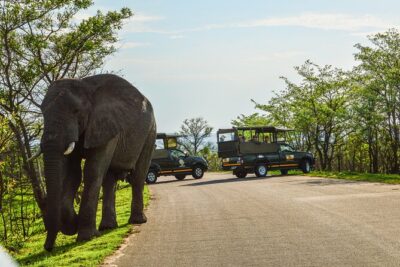
Morning light changes the whole safari. This six-hour private outing gives you a comfortable way to explore Kruger National Park with a guide, a dedicated vehicle, and time to look for the Big Five across its vast 2,000,000 hectares. I like the private group format, which can suit families, couples, and photographers far better than a crowded shared vehicle.
I also like the early focus on wildlife and the practical care provided along the way. Guide Steven, for example, supplied warm protective clothing during wind and light rain, positioned the vehicle for better animal photographs, and still pointed out tiny creatures along the road. The main thing to weigh is that this is a half-day safari, so six hours gives you a useful taste of Kruger but not time to cover every part of the park.
Key points at a glance
- A private vehicle for up to 10 people: You get a more personal outing, with room to shape the pace around wildlife, children, or photography.
- Morning wildlife search: The early hours give you a strong chance to look for animals before the heat of the day, including lions, buffalo, cheetah, and other species.
- Guide-led access to Kruger: A professional English-speaking guide handles the driving and helps you spot animals along roughly 200 kilometers of park roads.
- Breakfast is available at a rest camp: Food is not included, but you can stop at a Kruger rest camp and buy breakfast from the available choices.
- Good support in changing weather: Bring layers. Winter can be cold, while summer calls for cool clothing, a hat, and a rain jacket.
- Clear extra costs: The tour price is $249 per group, but park conservation fees are separate and must be paid by card.
Six hours inside Kruger National Park
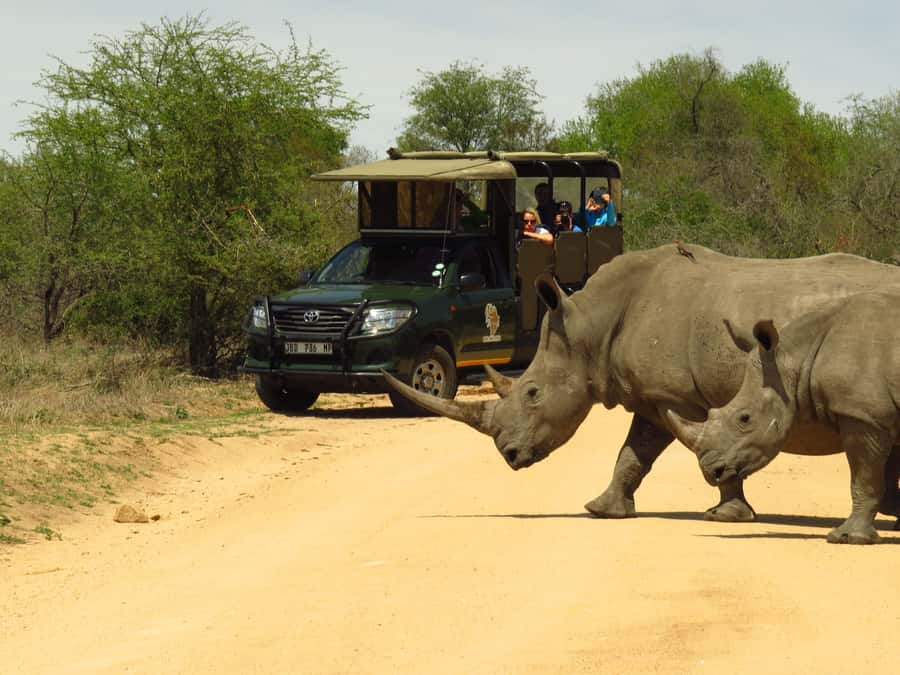
The morning begins with pickup from your accommodation or one of the park gates. You need to contact the operator the day before to confirm the pickup time and meeting place. That small step matters, since the activity does not give one universal start time. You should also keep your passport or ID card handy, with a copy accepted.
Once you meet the guide, you travel in a private safari vehicle into Kruger National Park. The vehicle and professional guide are included in the $249 group price, along with mineral water. The group can include as many as 10 people, so the value improves sharply if you fill most of the available seats.
Kruger covers about 2,000,000 hectares, an enormous area that cannot be properly seen in a single morning. The tour uses the park’s road network, which stretches for about 200 kilometers, and your guide decides how to use those roads based on current conditions and animal activity. That means you should expect a wildlife search rather than a fixed sightseeing route.
This is part of the fun, but it also requires realistic expectations. No guide can guarantee a Big Five sighting, and six hours is not enough to reach every corner of the park. The guide’s role is to improve your chances, read the surroundings, and help you notice animals that you might miss from a self-drive vehicle.
More National Park Safaris in South Africa
- From Johannesburg: Pilanesberg Nature Reserve Game Safari
★ 4.8 · 1,327 reviews - Addo Elephant National Park All Inclusive Full-Day Safari
★ 4.8 · 872 reviews - Kruger National Park Full Day Private safari
★ 5.0 · 799 reviews
Why the morning timing matters
Morning is a sensible time for a safari. You are out during the first part of the day, when the tour is specifically designed to look for animal activity before the day grows hotter. The experience is also built around catching a rare morning glimpse of wildlife, rather than simply driving through the park at a random time.
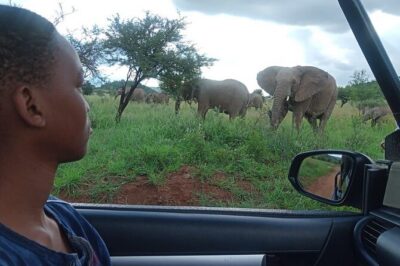
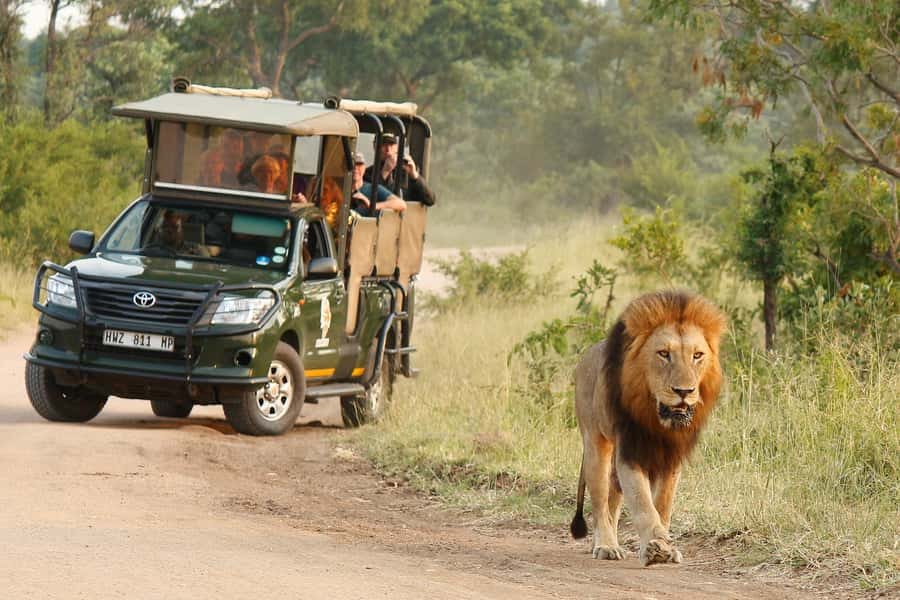
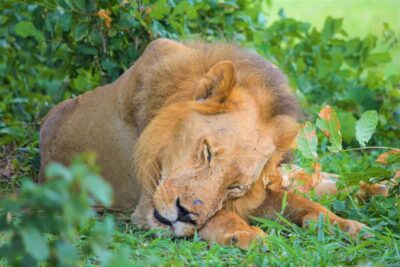
The reported sightings show the range you might find. One outing included lions, a huge herd of buffalo, and a cheetah, with the guide making a special effort to search for rhino as well. Another included many animals and plenty of explanation about the park and its scenery. These examples show the value of having a guide who can change direction and spend more time when something worthwhile appears.
Still, do not treat the Big Five as a checklist. The park is home to the Big Five and more than 140 mammal species, but wildlife remains unpredictable. You may see several major animals, or you may spend long stretches watching smaller creatures and the changing bush. A good safari is not only about the biggest animal in view.
For photographers, timing and positioning are especially useful. Steven made an effort to drive and park strategically for better photographs, then looked for smaller creatures that could easily escape notice. That kind of help is difficult to reproduce when you are driving yourself and trying to watch the road at the same time.
What the private vehicle adds
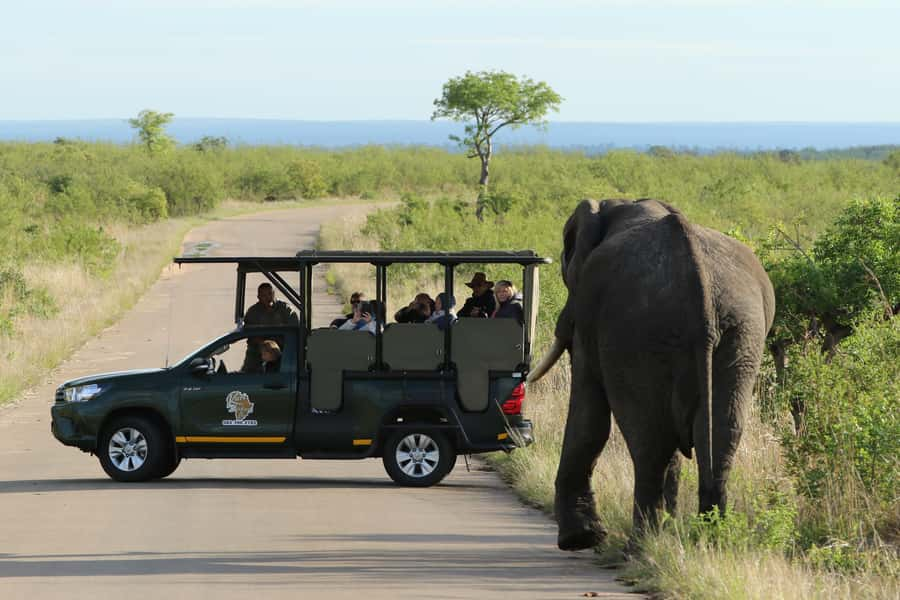
The private format is the strongest reason to choose this experience over a basic shared drive. Your group has the vehicle to itself, up to a maximum of 10 people. You can ask questions freely, discuss what you are seeing, and keep your attention on an animal without worrying about strangers losing patience.
Families should find this arrangement easier than a tightly packed shared tour. Couples get a more personal outing, while photographers have a better chance to discuss angles and positioning with the guide. The tour is not suitable for children under 3, and pregnant women are advised not to take part, so check those limits before paying.
A private vehicle does not mean you control every part of the route. The guide still needs to follow the park’s roads and make sensible decisions about time. If the group wants to search for cats, for instance, that may shape the route. One reported outing moved quickly through the park in search of lions and later cheetah, while also making room for buffalo and smaller wildlife.
The group size also affects value. At $249 total, a full group of 10 pays about $25 per person before conservation fees. A couple pays much more per person, but gains privacy, flexible conversation, and a dedicated guide. I would see this as a good value for a full family or group of friends, and a more expensive but still defensible choice for two people who care about having the vehicle to themselves.
Guides who make the difference
A safari vehicle alone will not make Kruger meaningful. The guide’s ability to spot animals, explain what you are seeing, and respond to your interests matters more. The strongest practical feedback here concerns guide effort and communication.
Steven contacted one group through the experience, collected them on time, and provided protective clothing when wind and light rain made the drive uncomfortable. He also used the vehicle carefully to help with photographs, searched for specific animals, and shared stories about the land connected to his ancestors. Those details give the outing a more personal character than a simple drive around a national park.
Another guide was praised for explaining animal behavior and making a strong effort to find as many species as possible. That is useful for first-time safari visitors, since an animal can be surprisingly hard to spot even when it is close to the road. You may look directly at a patch of grass and see nothing until the guide points out the shape of an animal.
The guiding language is English. If you want detailed answers about animals, photography, or the park, the private setup gives you a better chance to ask as you go. Communication before pickup is also described as smooth, but you should still confirm the time and venue one day ahead.
More Sunset Safaris in South Africa
- Kruger National Park sunrise Morning Private safari
★ 5.0 · 185 reviews - Aquila Private Game Reserve: Sunset Safari with Entry Fee
★ 4.4 · 158 reviews - Exclusive Sunset Game Drive Safari near Hoedspruit
★ 5.0 · 41 reviews - From St Lucia: iSimangaliso Sunset Safari
★ 4.3 · 39 reviews
The roads, scenery, and wildlife search
The 200-kilometer road network gives the guide room to make choices, but the tour will not cover all of it in six hours. Expect a moving search, with stops or slower driving when animals appear. The broad scenery is part of the experience, even when no large animal is nearby.
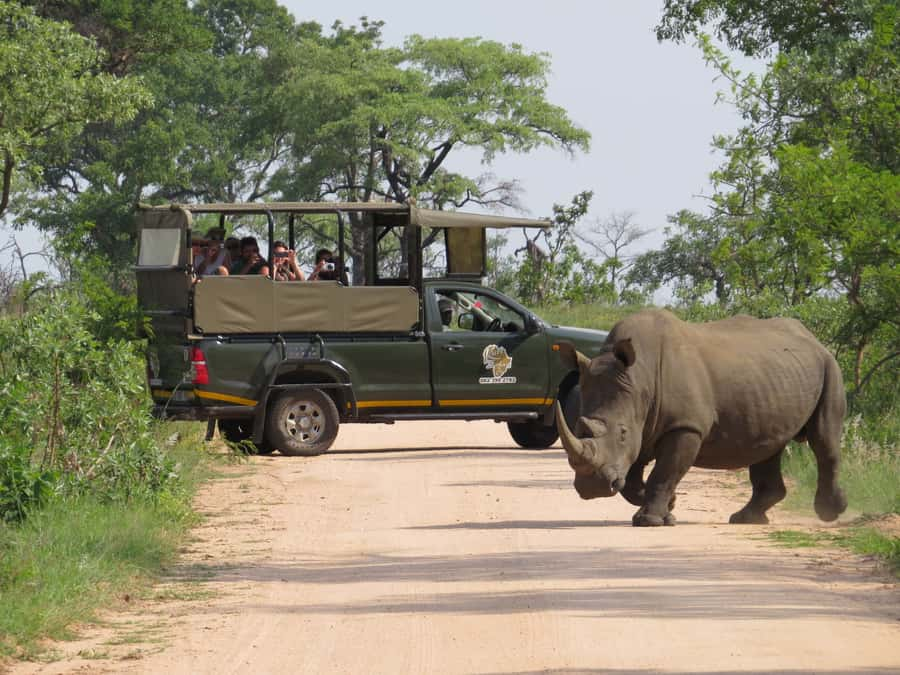
Kruger is described as home to the Big Five, which usually means lion, leopard, elephant, rhinoceros, and buffalo. The supplied experience specifically highlights the chance to see these animals, but sightings will vary by day and season. One outing produced lions, buffalo, and cheetah, while rhino remained unfound. That is a useful reminder that a strong safari can still have one animal missing from the list.
Your guide may also focus on smaller life. Steven made a point of showing tiny creatures along the roadside, the sort of detail you could easily pass without noticing. These moments help break up the search for large predators and give you a fuller sense of the park.
You should bring patience. A safari has quiet stretches, and six hours can feel long if you expect constant action. On the other hand, the private vehicle makes those slower periods easier because you can ask questions, take in the scenery, and decide how much attention to give each stop.
Breakfast at a Kruger rest camp
Breakfast is available during the outing at Kruger rest camps, where you can choose from a range of dishes. Meals are not included, so you need to budget for your own food. The stop gives you a chance to eat, refresh yourself, and take a break from the vehicle.
Because the tour includes mineral water but not meals, bring a card or cash suitable for food purchases. The supplied information does not give a fixed breakfast menu or price, so avoid assuming that a particular dish will be available. The rest camp stop is best treated as a practical pause rather than a scheduled culinary feature.
For families, this stop may be welcome. Children can find six hours in a vehicle tiring, and a meal break gives everyone a chance to reset. For photographers, it can also provide a useful pause to check equipment and prepare for the second part of the drive.
Weather, clothing, and comfort
Kruger weather can change the feel of an open safari vehicle quickly. In winter, bring warm clothing. In summer, choose cool clothes, a hat, and a rain jacket. Even if the day begins pleasantly, wind during driving can make it feel much colder.
Steven’s use of protective clothing during wind and light rain is a good example of why layers matter. You should not rely on the vehicle alone to keep you comfortable. Pack a light outer layer even when the forecast looks mild, especially for the morning start.
Mineral water is included, which is useful in a warm, open setting. Food is not included, so plan for the rest camp stop. Alcohol and drugs are not allowed, and the park entry process requires payment by card for the conservation fee.
The real cost of this safari
The advertised tour price is $249 per private group of up to 10 people. That is the main cost of the guide, vehicle, and six-hour experience. The per-person value depends on how many people join you.
A group of 10 gets a particularly strong deal. A smaller group pays more per person, but you are buying privacy rather than a seat on a shared vehicle. For a family, a couple of couples, or a group of friends, the price can make good sense.
You must also add the Kruger conservation fee. South African citizens with ID pay R134 per adult and R67 per child aged 2 to 11. International visitors pay R602 per adult and R300 per child aged 2 to 11. The fee must be paid by card to speed up entry into the park.
That extra charge is large enough to include in your budget before booking. The activity price itself does not cover meals or park entry. On the positive side, the cost structure is clear, and the private group price means you do not pay a separate full tour fee for each person.
Who should book this morning safari?
I would choose this outing if you want a private, guided introduction to Kruger without committing to a full-day drive. Six hours gives you enough time to search several roads, look for major animals, stop for breakfast, and get a proper sense of the park.
It suits photographers who want help finding animals and positioning the vehicle. It also works well for families with children over 3, provided everyone can handle several hours in a vehicle. Couples may enjoy the privacy, though the per-person cost is less attractive when only two people share the vehicle.
This may not be right for you if you need a guaranteed Big Five checklist, want to explore the whole park, or prefer a tightly scheduled sightseeing tour. Wildlife viewing is uncertain, and a half-day outing has limits. Pregnant women and children under 3 should not book it.
The flexible cancellation policy helps if your plans are still moving: you can cancel up to 24 hours in advance for a full refund. You can also reserve and pay later, which is useful when arranging a wider South Africa itinerary.
Should you book it?
Book this safari if you value a private vehicle, personal guiding, and a serious morning search for wildlife. The strongest advantages are the guide effort, the chance to adjust the route, and the fact that the group can focus on its own interests without sharing the vehicle.
I would be especially comfortable recommending it to a full group of family or friends, since $249 spreads well across several people. Couples should compare the private price with other safari options, but the added space and personal attention may justify it for a special day in Kruger.
Go in with sensible expectations. You may see lions, buffalo, cheetah, or other memorable animals, but no safari can promise every species. Bring the right clothing, budget for conservation fees and breakfast, confirm pickup the day before, and let the morning unfold at the pace of the wildlife.
FAQ
How long is the Kruger morning safari?
The safari lasts six hours.
How much does the private safari cost?
The price is $249 per private group of up to 10 people.
Is pickup included?
Yes. Pickup is available from your accommodation or one of the park gates. You should contact the activity provider one day before to confirm the pickup time and venue.
Are Kruger conservation fees included?
No. South African citizens with ID pay R134 per adult and R67 per child aged 2 to 11. International visitors pay R602 per adult and R300 per child aged 2 to 11. The fee must be paid by card.
Is food included?
No. Mineral water is included, but meals are not. Breakfast stops are available at Kruger rest camps, where you can choose from the available dishes.
What should I bring?
Bring a passport or ID card, with a copy accepted. Wear warm clothing in winter. In summer, bring cool clothing, a hat, and a rain jacket.
Can children and pregnant women join?
Children under 3 are not permitted, and the activity is not suitable for pregnant women.
More Morning Departures in South Africa
- Early Morning Balloon Safari with Breakfast from Magaliesburg
★ 5.0 · 418 reviews - Kruger Safari Tour – Morning Half Day
★ 4.5 · 60 reviews - From Hazyview: Kruger National Park Morning Half-Day Safari
★ 4.7 · 35 reviews - Exclusive Morning Game Drive Safari near Hoedspruit
★ 5.0 · 35 reviews
Newest safaris around South Africa
- Wine Beer and Biltong Safari – Stellenbosch★ 5.0 · 17 reviews
- V&A Waterfront Marine Big 5 Ocean Safari★ 4.5 · 30 reviews
- Sunset Safari Big 5 Aquila with Snacks and Wine Tasting★ 5.0 · 12 reviews
- Ocean Safari★ 4.0 · 25 reviews
- Aquilla BIG5 private Safari Cape Town★ 4.5 · 10 reviews
- Urban Safari in Cape Town★ 5.0 · 21 reviews
- Full Day Big 5 Aquila Safari Private Transfers Including Park Fee From Cape Town★ 4.5 · 54 reviews
- Marine Big 5 Safari full day trip from Cape Town★ 4.0 · 13 reviews
National Park Safaris, compared.
Udawalawe National Park | Private Safari Tour
Read our review →
Addo Elephant National Park All Inclusive Full-Day Safari
Read our review →
Yala National Park Safari Tours: Morning/Evening/Full Day
Read our review →