
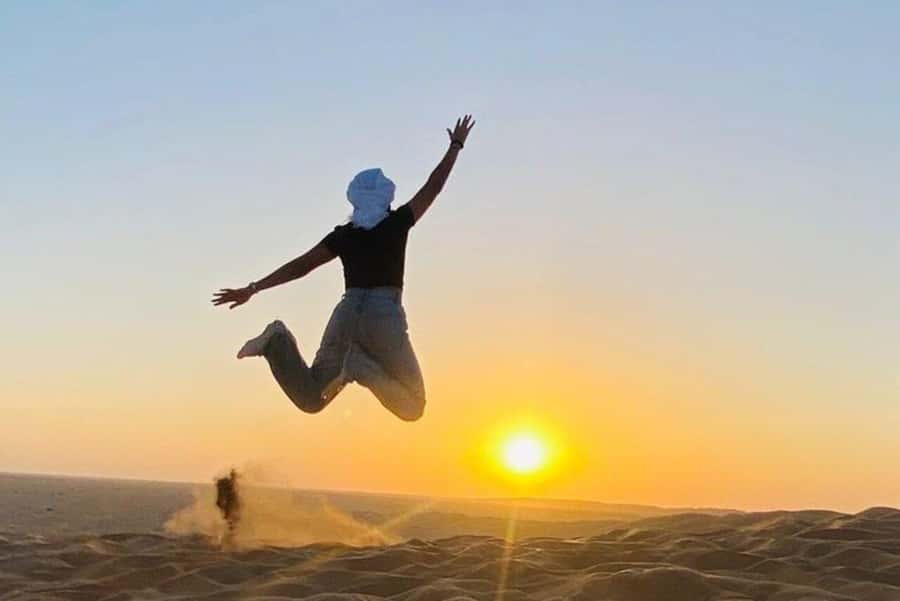
Review · DHOFAR, OMAN
Salalah: Sunset desert safari tour in salalah(private tour)
Desert sunsets are worth the long road. This private Salalah tour combines Ubar and Wadi Dawkha with the huge dunes of the Rub al Khali, giving you far more than a quick sunset stop. I like the private format, which lets you spend more time at the places that interest you, and I like the human touches: Karak tea, dates, local stories, and guides such as Mohammed and Abdullah. The main drawback is simple: the drive is long, and one recent guest found the road time tiring.
I also like that the tour reaches the desert after showing you some of Dhofar’s frankincense country. The sunset is the star, especially when your driver parks away from the busiest area, but dune driving, dust, heat, and uneven walking call for sensible expectations.
Key points at a glance
- A full-day route into the Rub al Khali: You travel well beyond Salalah to one of southern Oman’s most dramatic desert areas.
- Ubar adds history to the sand: The archaeological site marks an old stopping place on frankincense caravan routes.
- Wadi Dawkha is about ancient frankincense trees: Gnarled trees and stark mountains make this a strong first stop.
- Black camels are a distinctive local sight: The tour includes a stop to see this rare and fascinating type of camel.
- The sunset comes with optional dune adventure: The final desert section may include energetic dune driving in a private Jeep or SUV.
- Private guiding is the strongest advantage: Guides speak Arabic, English, or Italian, and the route can be adjusted to your pace.
Why this Salalah safari is worth the long drive
This is not a short sand-dune outing beside the city. It is an all-day journey into Dhofar’s dry interior, where frankincense trees, old caravan routes, camel culture, and immense dunes fit into one long arc.
The tour costs about $90 per person. That is a fair price if you want private transport, a guide, bottled water, light snacks, tea or coffee, and a full day of sightseeing without joining a large group. The value improves when two or more people share the private vehicle, since you are paying for a dedicated Jeep or SUV rather than simply buying a seat on a bus.
You should also understand what you are paying for. This is mainly a transport and sightseeing day. Meals are not included, and personal expenses are extra. The tour does provide snacks and drinks, but you should not treat that as lunch.
The private setup matters here. You may want extra time at the dunes, fewer minutes at a camel stop, or a slower visit to the frankincense trees. The guide can usually shape the pace around your group. One Italian-speaking guide, Mohammed, received especially warm praise for his clear explanations and friendly manner. Abdullah was also singled out for making an English-only tour work well for Italian-speaking guests, even using recorded Italian messages at some stops.
More Desert Safaris in Oman
- Desert Safari Sharing Tours
★ 5.0 · 313 reviews - East Salalah Mountain Safari, Wadi Darbat, Beach, Camels, Dunes
★ 5.0 · 206 reviews - Salalah: Wadi Darbat, Jabal Samhan, Baobab, Mirbat Sand Dune
★ 4.6 · 178 reviews
Wadi Dawkha and the frankincense trees
The day begins at Wadi Dawkha, a UNESCO World Heritage Site known for ancient frankincense trees. The setting is stark: pale ground, dry mountains, and trees with twisted branches that seem almost sculpted by the wind.
This stop gives you useful context before the desert. Dhofar is closely tied to frankincense, and the trees help explain why old trade routes crossed this part of Oman. Some are said to be centuries old, though you should focus less on exact age and more on their unusual form and survival in such a dry place.
The scheduled visit lasts about 90 minutes. That is enough time for a guided walk, photographs, and a closer look at the trees without turning the stop into a long hike. You will want comfortable shoes because the day includes a moderate amount of walking.
The trees are not lush garden plants. Their appeal is their shape, age, and setting. If you expect a green oasis, you may find the stop quieter and barer than expected. If you appreciate unusual plants and the link between nature and trade, it is an excellent opening to the day.
Wear light clothing, a hat, and sunscreen. Even when the air feels pleasant at the start, the sun can be hard on you during an exposed stop.
Thumrait for Karak tea and a local pause
The route then reaches Thumrait, where you stop for local Omani tea, usually called Karak. The planned visit lasts about an hour, so this is more than a quick roadside drink.
Tea and dates may be offered, along with coffee or other refreshments. This small pause gives the day a welcome human rhythm. After the trees and before the archaeological site, you get a chance to sit, drink something warm, and hear more about local life from your guide.
Food is not included as a formal meal, so do not arrive expecting lunch here. The supplied snacks, water, tea, and coffee are useful, but I would still eat a proper breakfast before pickup and carry a little extra food if you need regular meals.
The tea stop also shows why a private tour can feel more relaxed. You are not being moved through a large group with a fixed pace. Guests have described guides taking care with hospitality, including offering dates and sharing local customs in a quiet, respectful way.
Ubar, the old caravan stopping point
Ubar is one of the most important stops on the route. The archaeological site is linked with the old frankincense trade and is recognized as a UNESCO World Heritage Site.
The tour allows about 90 minutes here. Your guide can explain how the site fitted into the movement of frankincense caravans across southern Arabia. That background gives the ruins more meaning than a quick photo stop would provide.
Do not expect a large, fully restored city. Ubar is valuable because of its location, story, and connection to the desert trade. The remains can feel spare, so your experience will depend partly on how well the guide brings the place to life.
This is where a good guide makes a real difference. Mohammed was praised for explaining Omani culture and the region in excellent Italian. Other guests appreciated guides who could give clear information in English while keeping the tone friendly rather than formal.
Bring your camera, but also give yourself time to look beyond the obvious ruins. The surrounding emptiness is part of the site. Ubar makes sense when you imagine caravans crossing this dry country with frankincense as their valuable cargo.
More Sunset Safaris in Oman
- Sunset Desert Safari Salalah Tour in Rub Al Khali – Empty Quarter
★ 5.0 · 91 reviews - Salalah: Sunset Desert Safari – Rub Al Khali – Empty Quarter
★ 4.6 · 79 reviews - Private Watching Sunset Desert Safari Tour
★ 5.0 · 71 reviews - Sunset desert safari tour in Salalah(private tour)
★ 5.0 · 58 reviews
Meeting the black camels
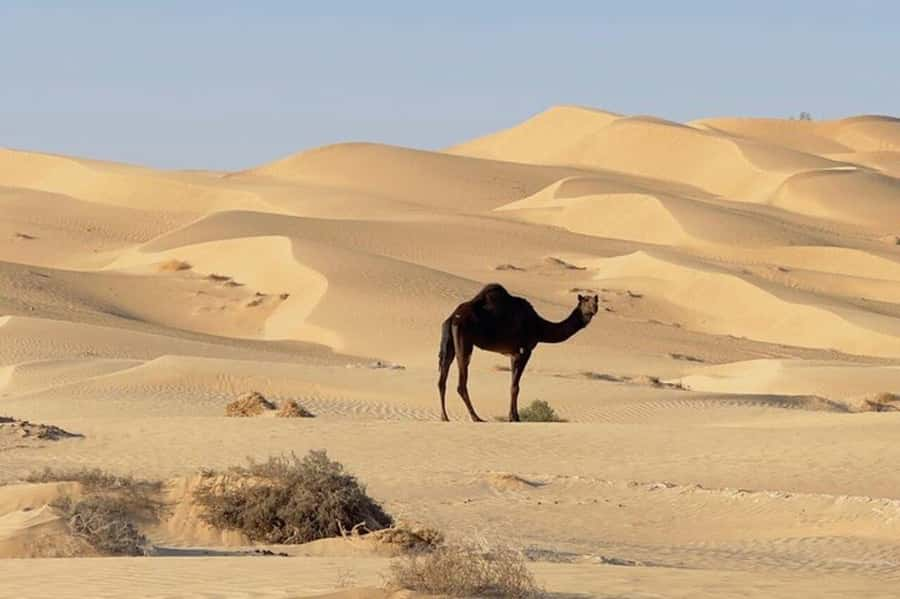
The camel stop adds a living, local element to a day otherwise focused on trees, ruins, and sand. You will see black camels, described as a rare and fascinating breed, before heading to the final desert section.
The stop is not presented as a camel ride. It is a chance to see the animals and learn about them. That distinction matters, since you should not arrive expecting an animal-handling activity or a long camel excursion.
This can be a short stop or a more engaging one, depending on your guide and your interest. If you enjoy photography, the dark animals against pale desert ground can make striking pictures. Follow the guide’s instructions around the camels and avoid treating the stop like a petting zoo.
The camel visit also keeps the tour tied to present-day Dhofar. Ubar tells you about old trade, while the camels show that desert travel and animal husbandry still have a place in the region.
Entering the Rub al Khali before sunset
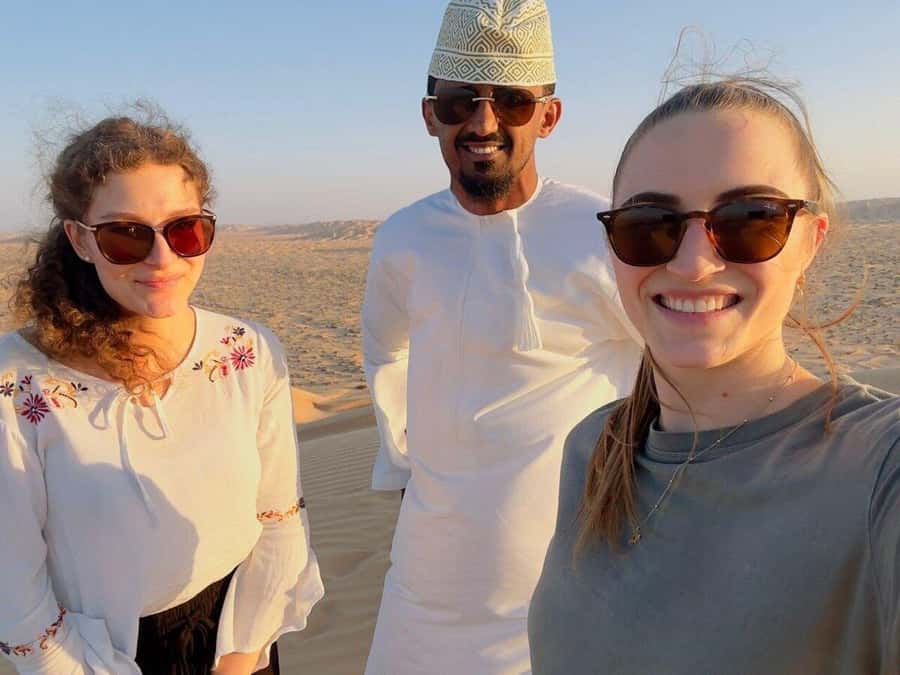
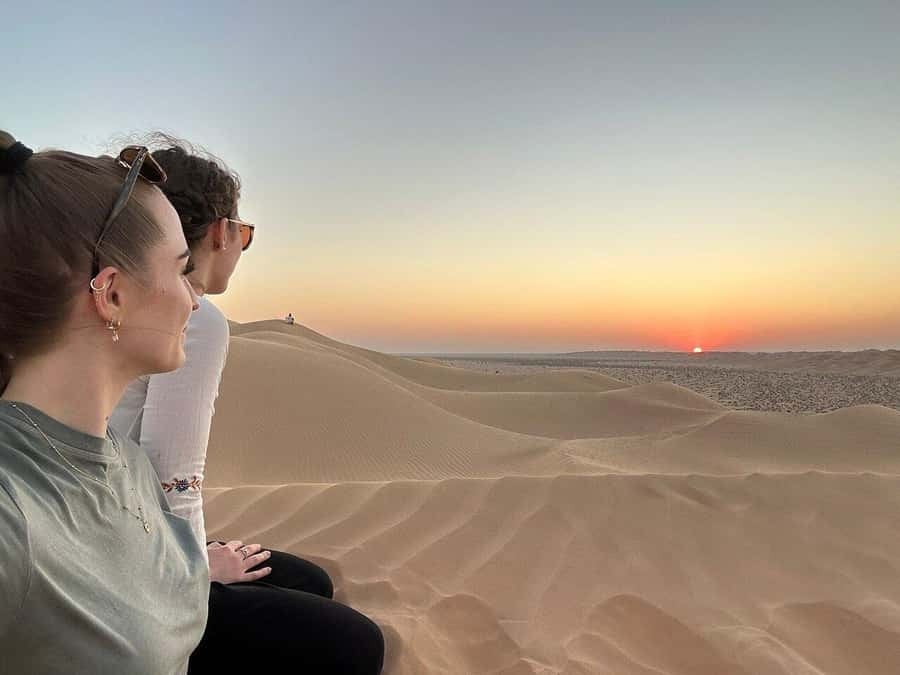
The final section reaches the Rub al Khali, known as the Empty Quarter and described here as the largest sand desert in the world. The scale changes quickly. Instead of isolated trees or archaeological remains, you get broad fields of sand and high dunes stretching into the distance.
About two and a half hours are assigned to the final photo and desert visit. Much of that time is for enjoying the setting, taking photographs, and watching the light change before sunset.
This is also the part most likely to include dune driving. The private Jeep or SUV may climb and descend sandy slopes, creating the adventurous edge that many people want from a desert safari. It can be great fun, but it is not gentle sightseeing. If you have back problems, are pregnant, or dislike rough vehicle movement, this tour is not a good fit.
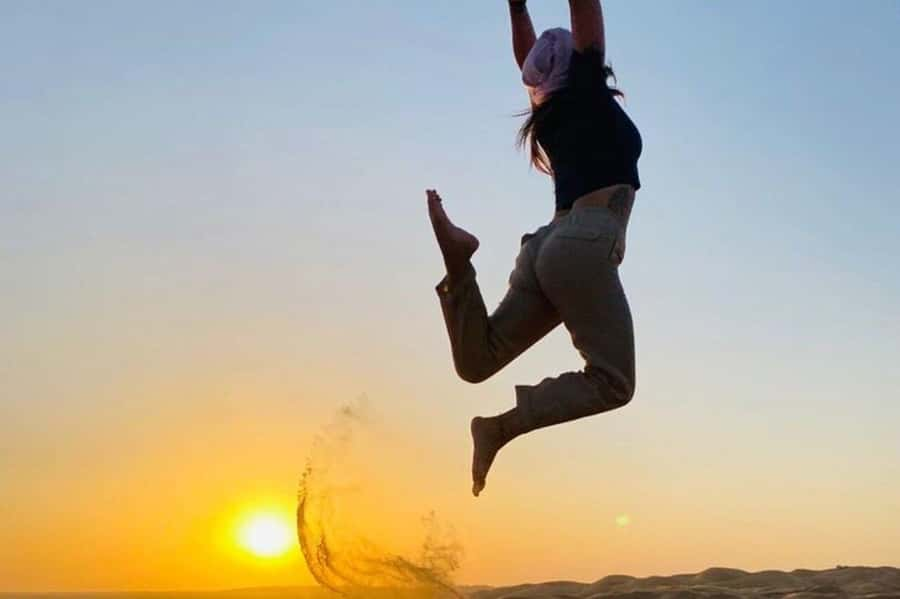
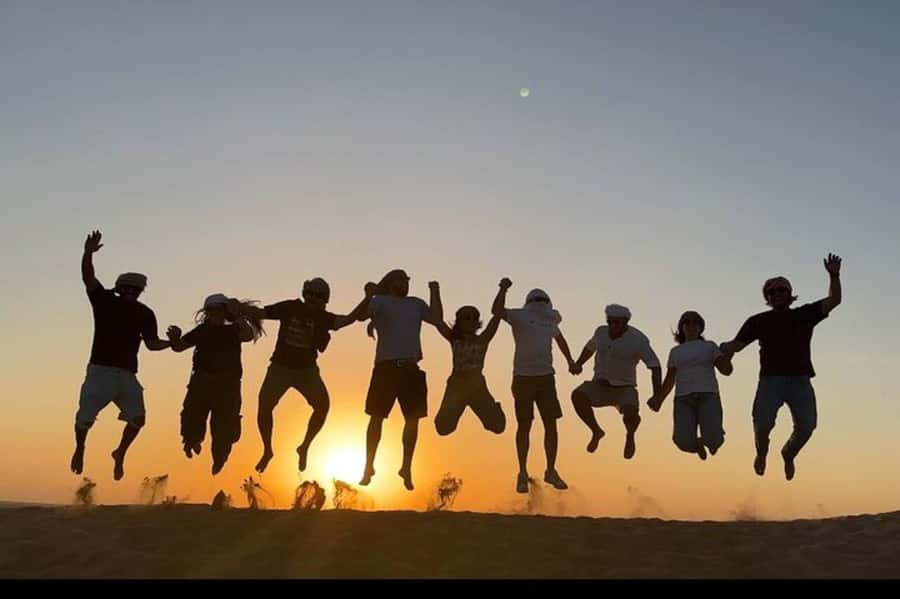
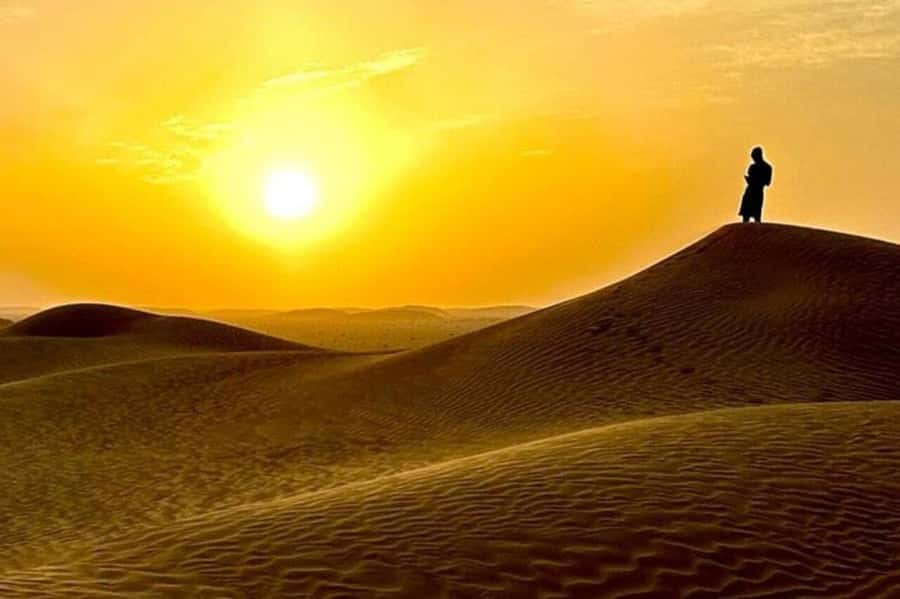
The sunset itself is the reason to come. The high dunes give you wide views, and the changing light turns the sand from pale gold to deeper orange and shadow. One useful advantage of a private tour is that your guide may be able to park away from the busiest viewing area. One guest specifically appreciated watching the sunset apart from the main crowd.
There are limits to the perfect desert picture. A stuck Jeep, engine noise, or litter can spoil the quiet, and one guest encountered exactly that kind of interruption. Conditions are not fully under your control. Still, the size of the desert means the experience can remain powerful even when the setting is not perfectly empty.
Bring a camera, but protect it from sand. Keep water close, wear sunscreen, and use shoes that will not make walking on soft sand miserable. A hat is practical, not just a photo accessory.
The guide can shape the whole day
The guide is central to this experience because the route involves long drives and several stops that need explanation. A driver who only points at the scenery will make the day feel longer. A guide who explains frankincense, Ubar, camel culture, and Omani customs can turn the road time into part of the experience.
The available languages are Arabic, English, and Italian. Mohammed was praised by Italian-speaking guests for speaking Italian very well and for being friendly, professional, and discreet. Abdullah received similar praise for his patience and warmth, including finding a creative way to explain the stops to a group that did not speak his main language.
That does not guarantee a particular guide on your date. It does show the kind of service the operator aims to provide. At booking, you should state your preferred language clearly and confirm it if language support is important to you.
A private group also gives you more control than a standard coach excursion. You can ask questions, request photo pauses, and spend less time at a stop that does not interest you. The guide still controls the safe driving route and the day’s timing, especially around the sunset.
Timing, transport, and what to pack
Pickup is available from many Salalah hotels, including Fanar Hotel and Residences, Hilton Salalah Resort, Millennium Resort Salalah, Crowne Plaza Resort Salalah, Al Baleed Resort Salalah by Anantara, Salalah Rotana Resort, and others. The guide waits in the hotel lobby, so you should be ready there rather than outside on the street.
The experience is described as an eight-hour tour, although the booking information also displays a duration range reaching two days. That is unclear. Confirm the exact start and return time before paying, especially if you have a flight, dinner booking, or another excursion planned.
Transport is by private Jeep or SUV. Bottled water, light snacks, coffee, and tea are included. Meals are not, and smoking is not allowed.
Pack:
- Comfortable walking shoes
- A hat
- Sunscreen
- A camera
- Extra water
- Light clothing
- A small amount of food if you need more than snacks
The tour is not suitable for wheelchair users, pregnant women, or people with back problems. You should also be comfortable with a moderate amount of walking, soft sand, heat, and a long road journey.
Free cancellation is available up to 24 hours before the tour for a full refund, and you can reserve now and pay later. Those policies are helpful, but the more important booking question is the physical demand. A flexible payment plan will not make dune driving comfortable if your back is sensitive.
Who should book this Salalah desert tour?
I would choose this trip if you want one major day outside Salalah and prefer a private vehicle over a large group. It suits people who want several kinds of experience in one outing: frankincense trees, an archaeological site, camels, local tea, dune driving, and a sunset.
It is especially good for couples, families with older children, and small groups who can share the $90-per-person cost. Italian-speaking visitors may value the language support, while English-speaking guests have plenty of reason to book as well.
I would think twice if you want a short, easy excursion. The drive can feel long, and the route is not a relaxed beach outing. You should also reconsider if your main interest is a full meal, camel riding, or a highly controlled sightseeing schedule.
Should you book it?
Book this private safari if the idea of reaching the Empty Quarter appeals to you and you are willing to trade a long day on the road for a memorable sunset. The strongest parts are the range of stops, the private format, and the guides’ personal service, particularly the praise directed toward Mohammed and Abdullah.
Before booking, confirm the actual duration, language, pickup time, and sunset plan. If you pack sensibly and accept that the desert may include dust, rough driving, and an occasional noisy vehicle, this is a strong-value way to see the dry interior of Dhofar rather than staying only around Salalah’s resorts.
FAQ
How long does the Salalah desert safari last?
The experience is described as an eight-hour tour, but the booking information also shows a duration range of eight hours to two days. Confirm the exact timing and return schedule before booking.
What is included in the tour price?
Private Jeep or SUV transport, an English- or Italian-speaking guide, light snacks, coffee and/or tea, and bottled water are included.
Are meals included?
No. Meals and personal expenses are not included. The tour does provide light snacks and drinks.
Which languages are available?
Guiding is available in Arabic, English, and Italian. You can request your preferred language when booking.
Is hotel pickup included?
Yes. Pickup and drop-off are available from a wide selection of Salalah hotels, and the guide waits in the hotel lobby.
Who should not take this tour?
The tour is not suitable for pregnant women, people with back problems, or wheelchair users. You should also be ready for a moderate amount of walking, desert conditions, and dune driving.
More Evening Trips in Oman
- Safari World Zoo and Wahiba Sands with Sunset
★ 4.5 · 29 reviews - Dubai Evening Desert Safari BBQ Dinner & Transfer to Noble Camp
★ 5.0 · 4,365 reviews - Abu Dhabi Evening Desert Safari BBQ, Camel Ride, Entertainments
★ 5.0 · 2,790 reviews - Evening Dubai Safari with BBQ, Dance Shows & Quad Biking optional
★ 5.0 · 2,349 reviews
Newest safaris around Oman
- Safari World Zoo and Wahiba Sands with Sunset★ 4.5 · 29 reviews
- Magical Desert Safari By Land Cruise in Empty Quarter★ 4.8 · 18 reviews
- Luxury Overnight Desert Safari in Salalah★ 4.7 · 31 reviews
- From Khasab: Half-Day Mountain Safari to Jabel Harim★ 4.8 · 10 reviews
- From Dubai: Musandam Khasab Tour with Boat Trip and Safari★ 4.6 · 21 reviews
- Desert Safari – Private 4WD car★ 4.4 · 11 reviews
- Salalah: Sunset Desert Safari – Rub Al Khali – Empty Quarter★ 4.6 · 79 reviews
- Sunset Desert Safari Salalah Tour in Rub Al Khali – Empty Quarter★ 5.0 · 91 reviews
Desert Safaris, compared.
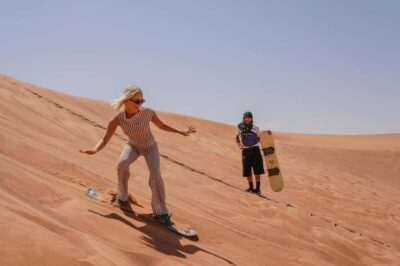
Desert Safari, Quad Bike, Camel Ride & Al Khayma Camp
Read our review →
Desert Safari, Quad Bike, Camel Ride and Sandboarding
Read our review →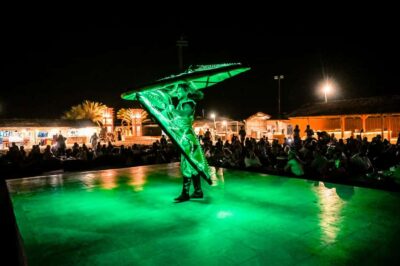
Desert Safari with BBQ Dinner & Quad Biking Options
Read our review →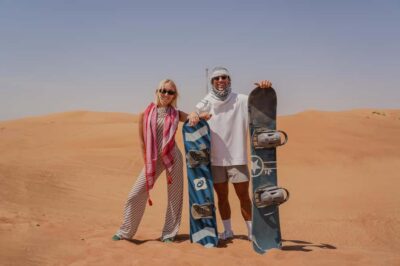
Half-Day Desert Safari, Camel Ride, ATV & Dune Buggy
Read our review →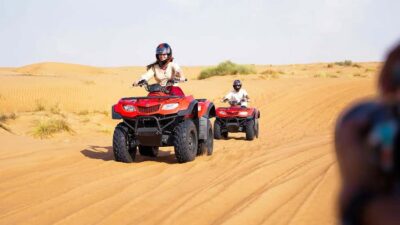
Desert Safari, Camel Ride, Sandboarding, Quad Bike
Read our review →
Dubai Desert Safari – Camel Ride, Sandboarding & 30 Min Quad
Read our review →
Dubai Premium Red Dunes Safari, Camels & 5* BBQ at Al Khayma camp
Read our review →
Browse the lists this tour appears in