
Review · CALIFORNIA, UNITED STATES
San Diego: San Diego Zoo Safari Park 1-Day Ticket
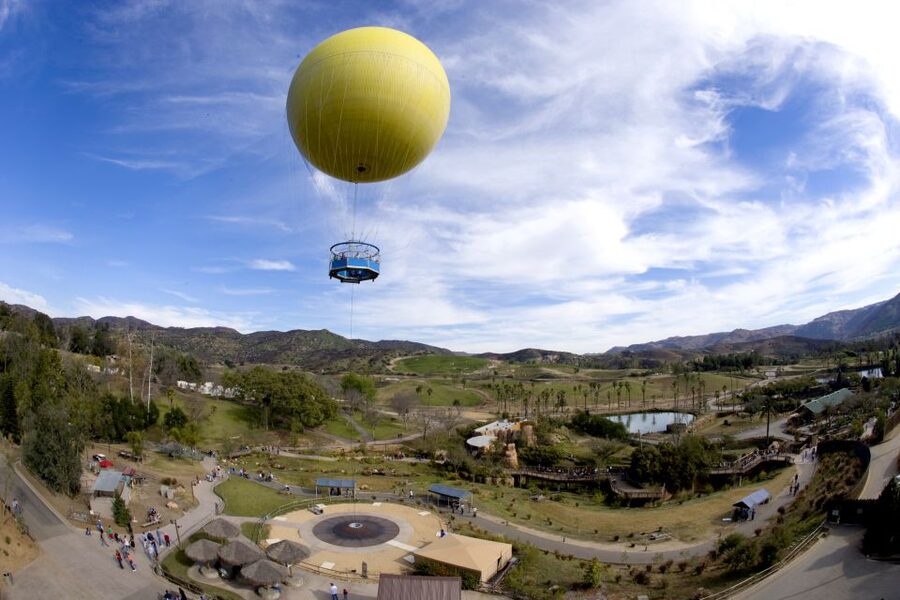
The wild side starts here. San Diego Zoo Safari Park spreads across 1,800 acres, giving you a very different day from a compact city zoo. I like the broad open habitats and the included Africa Tram Safari, which offers a relaxed way to see large animal areas. The park also does a fine job connecting animals with conservation work in more than 35 countries.
I especially enjoy the Elephant Overlook and the close-up views at Lion Camp. The main drawback is the size: you will walk a lot, and the map can be hard to follow. Come early, because the park can feel peaceful at opening time and crowded by noon.
Key points to know before you go
- The park is huge: Set aside a full day for 1,800 acres, animal trails, shows, and the Africa Tram.
- Africa Tram is included: Guided tram rides run from 10 a.m. to 4:15 p.m., but seats and departure times depend on availability.
- Morning matters: Arriving around opening gives you cooler temperatures, shorter waits, and a quieter start.
- The animals have room: Open field enclosures make the park feel closer to a safari than a traditional zoo.
- Bring sun protection: Shade trees help, but you should still wear a hat and comfortable walking shoes.
- Your ticket covers a lot: Admission includes Cheetah Run, all shows, and the Africa Tram, but food, parking, and special tours cost extra.
Why this feels different from the San Diego Zoo
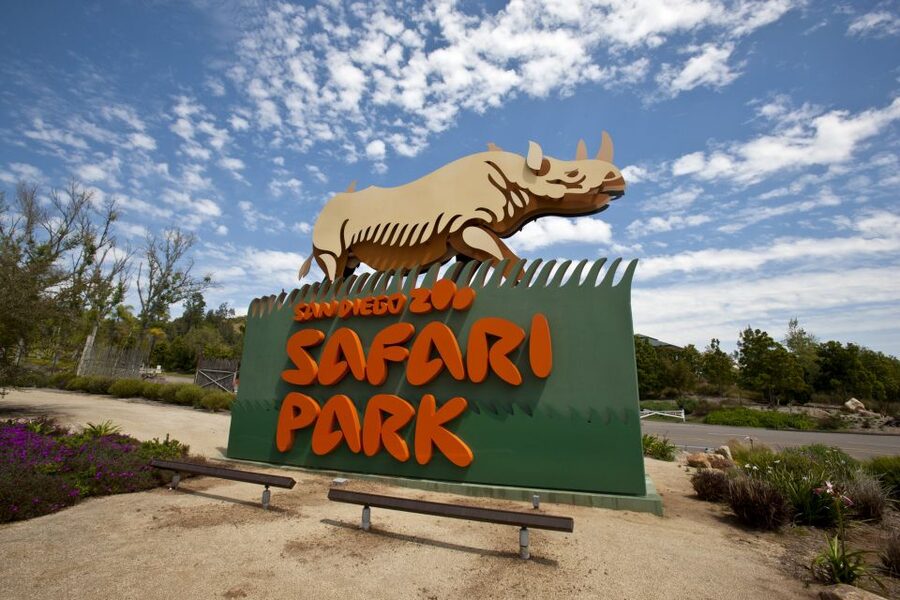
The Safari Park is about an hour from San Diego at 15500 San Pasqual Valley Road in Escondido. It is not simply the city zoo moved farther inland. The park is spread over a much larger area, with animals living in open field enclosures and visitors moving along trails, overlooks, and tram routes.
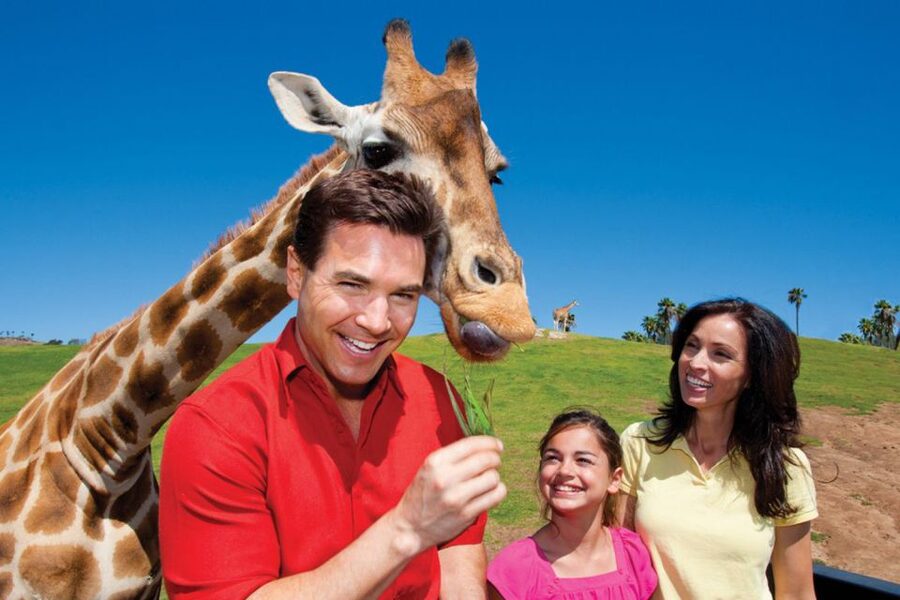
That scale changes your day. You may spend part of the morning following a shaded path through thick plant life, then reach an open area where giraffes, rhinos, antelope, or other African animals are spread across a broad enclosure. You will not see everything from one central walkway, so the best plan is to accept a slower pace.
I would treat this as a full-day outing, not a quick stop between other San Diego sights. The ticket costs $76 per person, which is a serious price for a family. Still, it covers admission, the Africa Tram, Cheetah Run, and all shows. If you arrive early and stay most of the day, the value is much better than dropping in for two or three hours.
More Zoo and Sanctuary Visits in the USA:
- San Diego Zoo Safari Park 1-Day Pass: Any Day Ticket
★ 4.0 · 378 reviews - San Diego Zoo Safari Park 1-Day Ticket
★ 4.5 · 283 reviews - San Diego Zoo and Safari Park 2-Day Entry Ticket
★ 4.5 · 85 reviews
Start early at the entrance
Your mobile voucher lets you go directly to the entrance turnstiles instead of waiting at the ticket window. This skips the admission line only. It does not guarantee a quick place on the Africa Tram, so head toward the tram area after entering if that ride matters to you.
Early arrival is the clearest practical tip here. One morning visitor arrived around 9:20 and found the park almost empty, with crowds building around noon. Another arrived at opening on a Friday, had a productive morning, and found the park wall to wall with people by 1 p.m.
That difference affects more than parking. Early hours are cooler, paths are easier to navigate, and you have a better chance of seeing animals active rather than resting. School buses can also appear later in the morning, adding noise and queues near the front areas.
There are volunteers in red shirts around the park who can point you in the right direction. Use them. The signs and map do not always make the routes obvious, and a quick question can save you a long uphill or backtracking walk.
Africa Tram: the best first ride
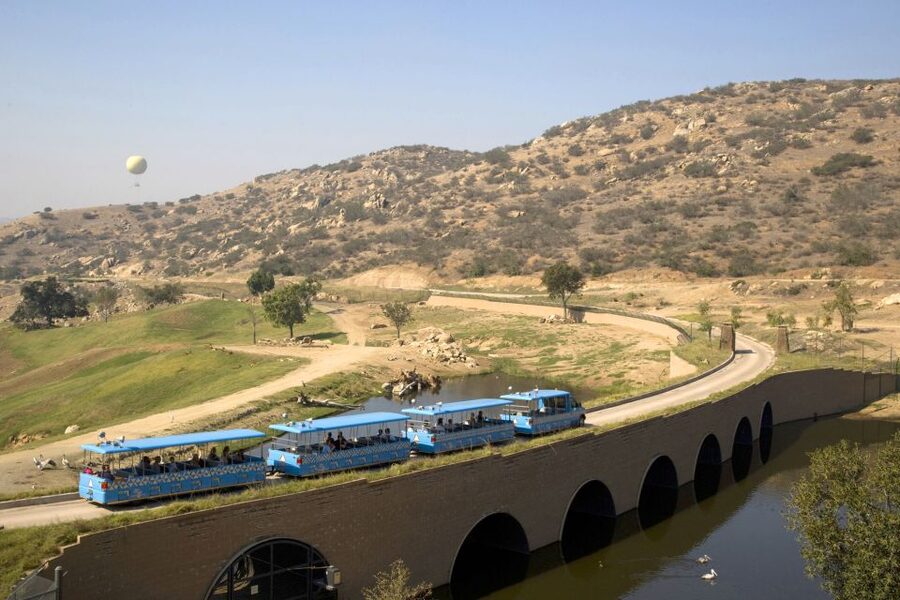
The included Africa Tram Safari runs daily from 10 a.m. to 4:15 p.m., subject to availability. It is a guided ride through large animal areas, and it gives you a useful overview before you commit to the walking trails.
I would try to take the tram early, then use the rest of the day to revisit the areas that caught your attention. The ride is also a welcome break if you are with young children or anyone who tires easily. You sit back while the guide explains the animals and their surroundings.
Do not assume the tram works like a reserved tour. The ticket information says it is subject to availability, and your skip-the-line benefit does not apply to this ride. Ask staff where to queue as soon as you arrive.
The tram was a highlight for many people, but it may not operate on every visit. Weather, animal health, and daily schedules can change programs. If it is not running, you can still see plenty on foot, but the park becomes more demanding physically.
Sumatra and the Tiger Trail
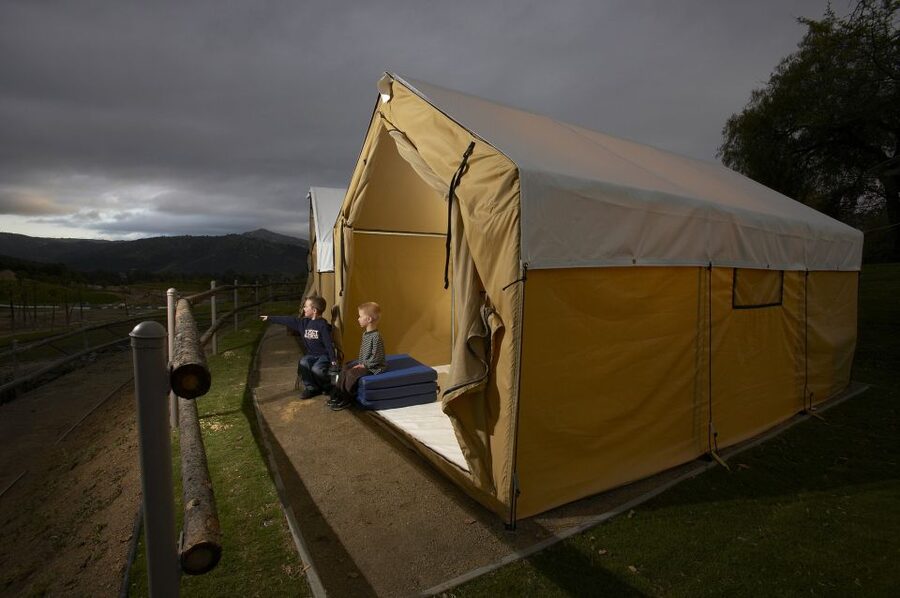
The Sumatra section introduces a region of volcanoes, rainforests, and unusual animal life. The Tiger Trail focuses on Sumatran tigers, orangutans, rhinos, and elephants, with attention to the pressures facing these species.
This area works well for families because it gives you more than a name on a sign. You can connect the animals to a specific place and to the need for habitat protection. The Sumatran tiger is critically endangered, so seeing it here comes with a conservation message rather than simple photo appeal.
Animal sightings are never guaranteed. A four-star experience included disappointment at missing elephants and big cats because some animals were unavailable. Plan your day around the habitats and exhibits, not one promised photograph.
A few more safaris around the USA worth a look
- From Zanzibar: Mikumi Safari Day Trip with Flights and Meal
★ 4.7 · 1,470 reviews - From Colombo: Sigiriya and Dambulla Day Trip with Safari
★ 4.7 · 842 reviews - Big Five Safari and Breede River Valley Guided Day Trip
★ 5.0 · 526 reviews - From Jaipur: Ranthambore National Park Day Trip with Safari
★ 4.6 · 244 reviews
Lion Camp and Cheetah Run
Lion Camp offers close viewing through glass, including a child-friendly angle where younger visitors can watch lions approach. The phrase nose to nose is not an exaggeration of the viewing position, but the glass keeps a proper boundary between you and the pride.
This is one of the places where arriving early helps. The front viewing area can become busy, especially when families gather. Give children time to watch rather than rushing past after one photograph.
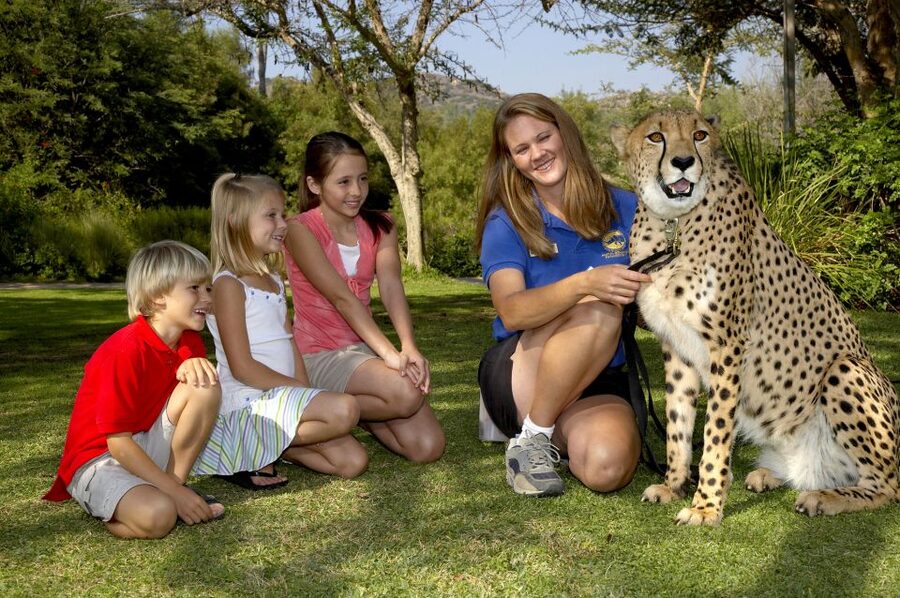
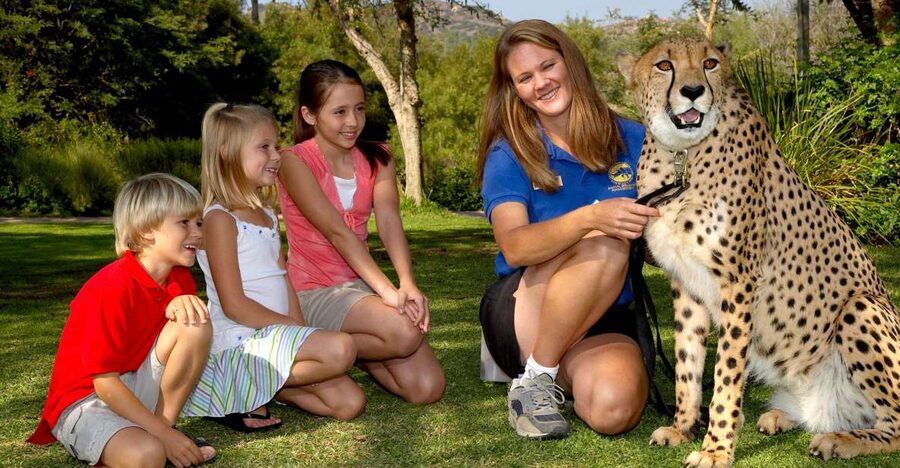
Cheetah Run is included with admission and gives you one of the park’s more energetic scheduled experiences. The park also presents Cheetah Tales in Heart of Africa, where you can meet cheetah ambassadors and learn about them through trainers.
Additional Animal Encounters may feature ambassador animals such as cheetahs, alligators, and servals. Contact with animals depends on the scheduled program and animal welfare needs, so treat any interaction as a possibility, not a promise.
Heart of Africa and the Elephant Overlook
Heart of Africa combines winding paths, forest, savanna, and a lake near Jamison Research Island. It is a good section for slowing down. The shade and plant life can make the walk feel more like a botanical garden than a conventional zoo route.
The Elephant Overlook uses an elevated walkway to bring you closer to the elephant herd. You may see young elephants born at the park, and the overlook offers a better view than a flat path beside a standard enclosure.
Elephant Enrichment is another worthwhile morning stop. The herd receives treats while staff explain or demonstrate parts of their daily care. Check the day’s schedule because events can change, and animal programs may be canceled for weather or health reasons.
One practical point: this area can add plenty of walking. If you have limited stamina, plan rest stops instead of trying to cover every path in one sweep.
Birds, butterflies, and smaller discoveries
Wings of the World Aviary is one of the park’s quieter highlights. It recreates natural habitats for more than 140 birds from 40 species, and the free-flight setting lets you watch birds move through the space rather than simply view them behind separate barriers.
The aviary is a smart stop during the warmer part of the day. It offers shade, a change of pace, and plenty for children to notice. The Frequent Flyers Bird Show adds a more scheduled display, including the East African crowned crane and other birds from around the world.
Hidden Jungle is a tropical greenhouse filled with exotic birds, insects, and plants. It also hosts the annual Butterfly Jungle event. This area is especially useful if some members of your group want a break from large mammals.
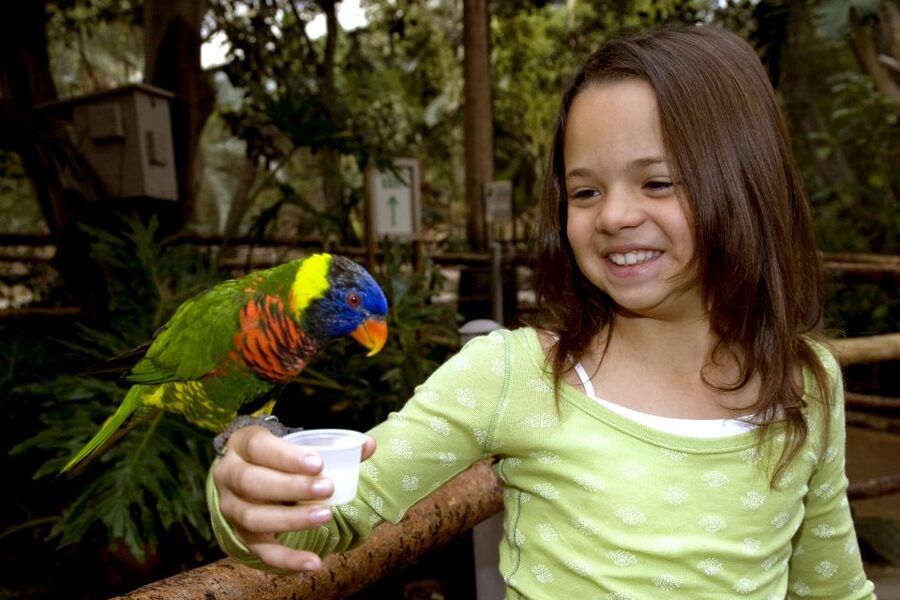
At Lorikeet Landing, colorful lorikeets swoop in for nectar. Entry is free, while food for hand-feeding costs extra. The Petting Kraal offers contact with gentle deer and antelope, giving young children a closer animal experience than the larger exhibits allow.
Condor Ridge and conservation in plain sight
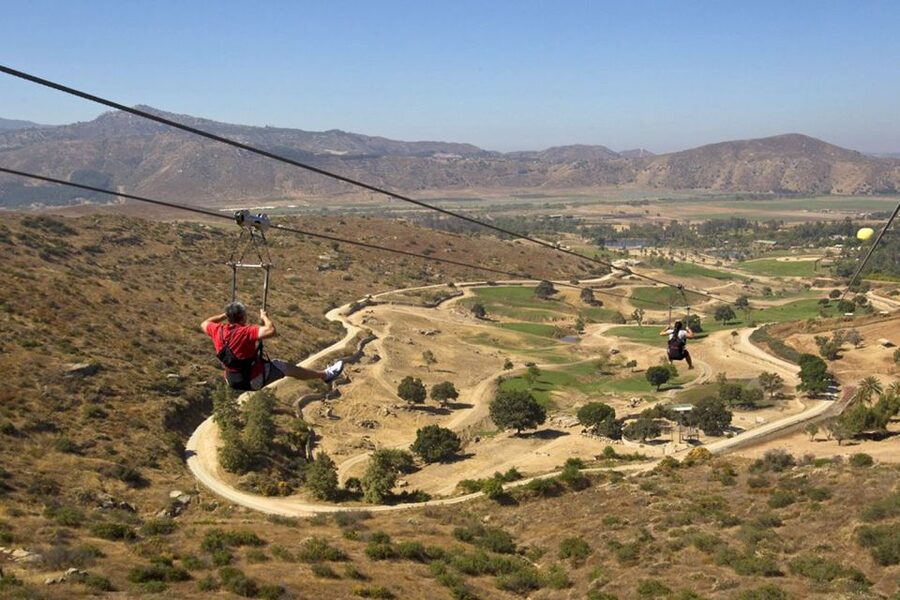
Condor Ridge follows North American habitats and includes bighorn sheep and California condors. The California condor is one of the park’s most important conservation stories, and the exhibit helps show why captive breeding and species recovery programs matter.
This section may appeal most to adults and older children who want context along with animal viewing. The condor is not just a dramatic bird to photograph. It represents a long conservation effort, and the park ties that work to a wider program reaching more than 35 countries.
The route also gives you a chance to see animals native to the western United States. That helps balance the African and Asian sections and reminds you that conservation is not only about faraway species.
Family stops that make the day easier
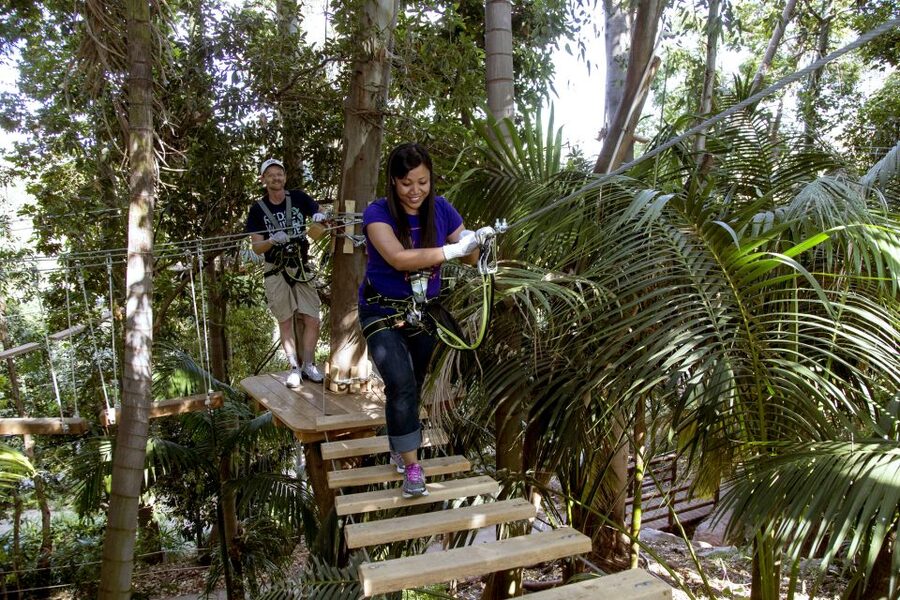
Discovery Station is designed for children, with musical instruments, puppets, books, crafts, and wildlife toys. It gives younger children something hands-on to do when they have reached their limit with signs and viewing platforms.
Savanna Cool Zone offers palm trees, mist, and water-spouting animals. It is a useful warm-weather pause, especially if you have children who need to cool off without ending the day.
The digital zebra called Robert provides short bits of zebra information and humor on a large screen. It is a light stop, but children often appreciate an interactive feature after several traditional exhibits.
If your group includes people with mobility limits, wheelchairs are allowed, and electric chairs can be rented. One senior visitor covered the parts they wanted in about two hours with an electric chair, even though the Africa Tram was not operating that day. That is a good reminder that you do not need to conquer the whole park for the ticket to be worthwhile.
Food, parking, and the real cost
Food and drinks are not included, and parking is not included either. That pushes the final cost above the $76 ticket, especially for a family of four.
A lunch stop can take time. One meal was described as good and healthy, but the line was long and slow. I would eat outside the busiest rush if your schedule allows, or plan a generous break rather than trying to fit lunch between two shows.
Parking was easy for one visitor, but the separate charge still feels like an avoidable extra at this admission price. Build it into your budget before you decide the ticket is a bargain.
The strongest value comes when you use the included features: the tram, Cheetah Run, bird shows, animal presentations, and a full day of walking. Special safari experiences, such as a deluxe caravan safari, cost extra but can suit someone who wants a more guided and premium visit.
How to plan your route
I would use this order:
- Arrive before opening and go straight through the turnstiles with your mobile ticket.
- Check the day’s tram and show times immediately.
- Take the Africa Tram if a suitable departure is available.
- Visit Lion Camp, Tiger Trail, or the elephants while energy and patience are high.
- Use the aviary or Hidden Jungle as a cooler midday stop.
- Catch Cheetah Run, Frequent Flyers, or another scheduled presentation.
- Finish with Condor Ridge, Discovery Station, or a favorite habitat.
Do not attempt to walk every route at top speed. The park is too large for that to be enjoyable. Comfortable shoes, a hat, water, and sun protection will matter more than a perfect schedule.
The map could be clearer, so keep checking your position and ask the red-shirted volunteers for help. Paths are generally clean and often shaded, but shade is not guaranteed everywhere.
Who should book this ticket?
I would book it for families, animal lovers, and anyone who enjoys spending a full day outdoors. It suits you best if you can accept that animals may be out of view and if you like learning about conservation alongside seeing the animals.
I would think twice if you want a short, tightly timed attraction or if your group dislikes walking. The park can be hard work, and the separate cost of parking, food, and optional premium tours adds up.
For most visitors, the smart choice is simple: arrive early, take the tram, choose a few priority areas, and leave room for surprises. The $76 admission is fair when you stay for the day and use the included programs. It is less convincing if you arrive late and see only a handful of exhibits.
FAQ
Where is the San Diego Zoo Safari Park?
The park is at 15500 San Pasqual Valley Road, Escondido, California 92027. It is approximately a one-hour drive from San Diego.
How long is the ticket valid?
The ticket is valid for one year. You need to check availability for starting times and current operating hours.
What does the $76 ticket include?
It includes entrance to the San Diego Zoo Safari Park, the Africa Tram Safari, Cheetah Run, and all shows.
Is parking included?
No. Parking is not included in the ticket price.
Is food included?
No. Food and drinks are not included.
Can I skip the ticket line?
Yes. Use your mobile voucher and go directly to the entrance turnstiles. The skip-the-line benefit applies to the admission ticket line, not the Africa Tram line.
Is the Africa Tram always available?
No. The Africa Tram is subject to availability. Scheduled rides are listed from 10 a.m. to 4:15 p.m., but schedules can change.
Is the park wheelchair accessible?
Yes. The activity is wheelchair accessible. Electric chairs are also available to rent, according to the supplied visitor information.
Can children enter free?
Children 11 years and younger receive free admission throughout October when accompanied by a paying adult.
Newest safaris around the USA
- 3 Hour See Crystal River Wildlife Safari Boat Cruise★ 4.5 · 25 reviews
- Northern Yellowstone Safari from Cody, WY★ 4.5 · 24 reviews
- Red Canyon Wild Mustang Tours And Safaris In Cody Wyoming★ 5.0 · 27 reviews
- Wetlands Safari Eco-Cruise in Cape May (Osprey Birding By Boat)★ 5.0 · 113 reviews
- Private Yellowstone Winter Wolf Watching and Wildlife Safari★ 5.0 · 26 reviews
- Yellowstone Winter Wildlife & Snowshoe Tour | PRIVATE★ 5.0 · 19 reviews
- Yellowstone Snowshoe Safari from Bozeman – Private Tour★ 5.0 · 18 reviews
- Yellowstone Wildlife Safari from Bozeman – Private Tour★ 5.0 · 140 reviews
Zoos, compared.
San Diego Zoo Safari Park 1-Day Pass: Any Day Ticket
Read our review →
San Diego Zoo and Safari Park 2-Day Entry Ticket
Read our review →San Diego Zoo and Safari Park: 2-Day Entry Ticket
Read our review →
Behind Closed Doors Afternoon Safari Guided Tour
Read our review →
Browse the lists this tour appears in