
Review · EASTERN PROVINCE, SRI LANKA
Tangalle/Hiriketiya: Udawalawa Safari & Elephant Orphanage
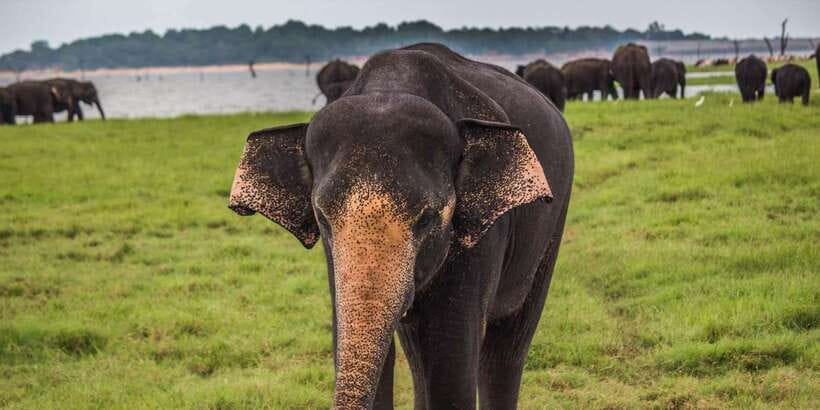
Wild elephants are the main event here. This seven-hour outing pairs a guided jeep safari in Udawalawe National Park with a visit to the Elephant Transit Home, making it a strong choice if you are based in Tangalle or Hiriketiya and want wildlife without arranging several separate rides. I like the chance to see elephants, crocodiles, birds, and other animals in the wild, and I like the simple hotel pickup and drop-off.
The main drawback is cost clarity. The $67 price covers transport, the safari jeep, the transit home visit, and a driver-guide, but Udawalawe National Park entrance fees are extra. You should also allow some flexibility for the road transfer, since one pickup was reported as more than an hour late.
Key points to know before booking
- Two wildlife stops in one day: You visit the Elephant Transit Home before heading into Udawalawe National Park.
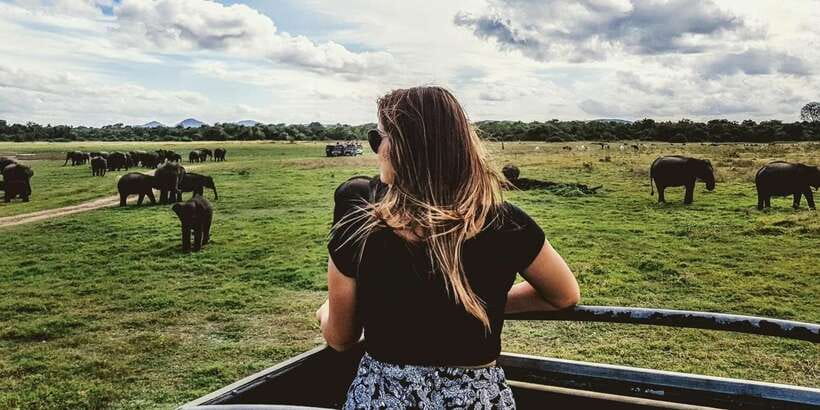
- Elephants are the star: The park supports large numbers of wild elephants because of its water sources.
- A long road ride is part of the deal: The drive from Tangalle or Hiriketiya to the transit home takes about two hours by air-conditioned vehicle.
- Feeding time matters: Baby elephants are fed only three times a day, so the start time affects what you see.
- Park tickets cost extra: Check the final price carefully, since the national park entrance fee is not included.
- Good guide reports: Pathum received warm praise for driving and arranging the return to Hiriketiya, while Shira was praised for explaining animal species.
From Tangalle or Hiriketiya to the Elephant Transit Home
Your day starts with hotel pickup in the Tangalle or Hiriketiya area. The transport is an air-conditioned vehicle, which matters here because the first road leg takes about two hours. This is not a quick hop to a nearby reserve. You are trading much of a day for a focused wildlife outing.
That drive can be part of the experience rather than dead time. One outing included a stop for coffee and hoppers, a useful touch if you enjoy seeing a bit of ordinary Sri Lankan food and roadside life along the way. This stop is not listed as a guaranteed part of the tour, so treat it as a possible bonus rather than a promise.
The timing deserves attention. The Elephant Transit Home feeds the young elephants only three times a day, and the visit includes about 30 minutes of feeding. If you arrive outside one of those feeding periods, the first stop may not have the same appeal. Ask for the planned pickup time and feeding session before you set your alarm.
The transit home cares for orphaned baby elephants before their hoped-for return to the wild. The visit gives you a close look at young elephants under human care, a very different setting from the national park. You are not simply watching animals from a distant jeep. You are seeing a managed stage of their lives, with feeding as the central event.
That closeness is likely to be the emotional high point for many people. It is also worth keeping your expectations sensible. This is a 30-minute stop, not a long animal-care program, and the supplied details do not promise hands-on contact beyond the feeding experience. The attraction is the chance to watch the young elephants at a set time and understand the work of a transit facility.
More Wildlife Safaris in Sri Lanka
- Udawalawe National Park: Elephant Safari with Expert Guide
★ 4.9 · 641 reviews - From Sigiriya: Minneriya National Park Elephant Safari
★ 4.8 · 365 reviews - Yala National Park Wildlife Safari/ Game Drive – by Ajith Safari
★ 4.5 · 351 reviews
The 30-minute baby elephant feeding visit
The feeding session gives the day an immediate focus. You will spend roughly half an hour watching orphaned young elephants receive food, then continue to the national park. That order works well: the transit home provides a close, structured encounter, while the safari later shifts your attention to free-ranging wildlife.
I like this pairing because it avoids making the whole day depend on spotting one animal in the park. If elephants stay hidden during part of the safari, you have still had a close look at the young elephants. At the same time, the two stops are not interchangeable. The transit home is a human-managed setting, while Udawalawe offers animals in their natural habitat.
The visit may be especially appealing to families and first-time safari participants. Young elephants are easy to watch, and the 30-minute length keeps the stop from taking over the day. If your priority is seeing adult elephants behaving freely, keep that distinction in mind. The transit home complements the safari, but it does not replace it.
The name can cause some confusion. This experience is sometimes described as an elephant orphanage, but the supplied details call it the Udawalawe Elephant Transit Home. That name better reflects its stated role as a place for orphaned elephants moving through care.
Entering Udawalawe National Park by safari jeep
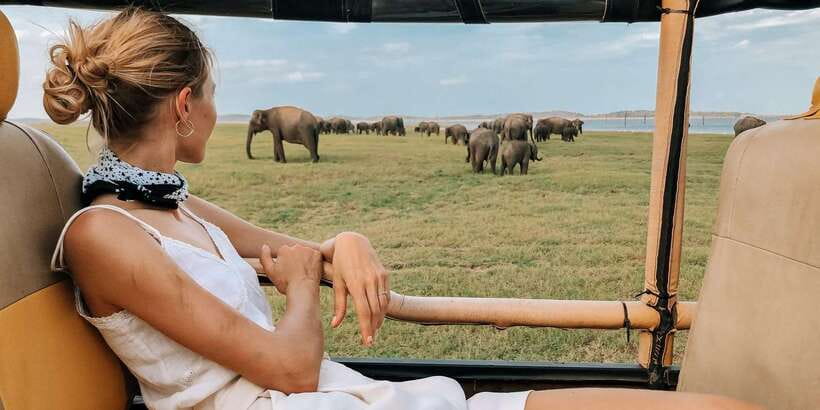
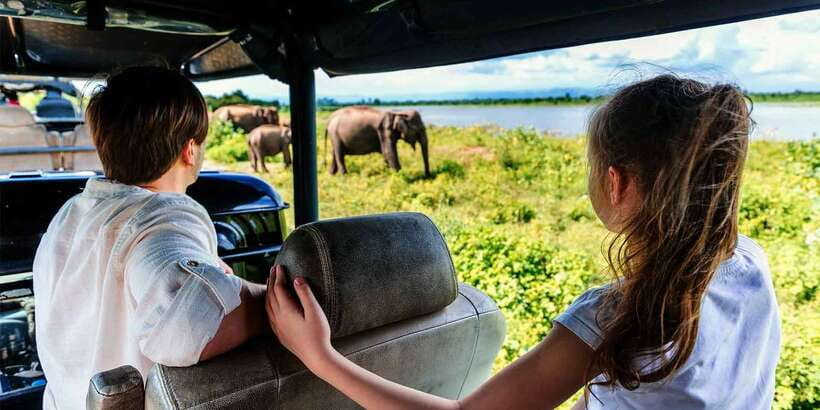
After the transit home, you continue to Udawalawe National Park for the jeep safari. The safari is guided by a professional driver-guide, and the open viewing position of a safari jeep gives you a better chance to scan the scrub, water areas, and open ground than you would from a standard car.
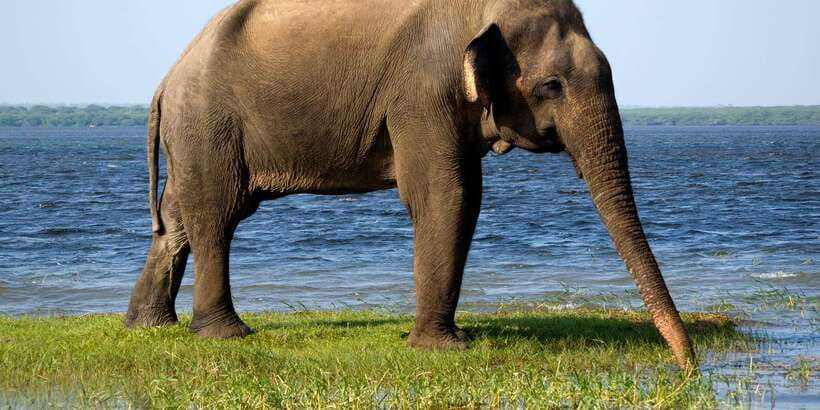
Udawalawe is especially known here for its elephant population. The park has abundant water sources, which help support large numbers of elephants. You may see them near water or moving across open areas, but wildlife never follows a script. A good guide can help spot animals, yet no responsible tour can promise a particular sighting.
The safari also offers plenty to watch beyond elephants. The stated wildlife list includes:
- Wild buffalo
- Spotted deer
- Barking deer
- Sambar
- Wild boar
- Hares
- Mongoose
- Crocodiles
- Monkeys
- Many bird species
- Butterflies and snakes
The animal list is broad, but the most useful detail is what it means in practice. You are not paying only for a single elephant sighting. You are spending time in a habitat where different animals may appear at different points, and a sharp guide can help you notice smaller creatures that are easy to miss.
Crocodiles add a different kind of interest to the safari. They are less active-looking than elephants or monkeys, so you will want to watch the edges of waterways carefully. Wild boar, deer, and buffalo can also make the drive feel varied, particularly when large animals are not immediately visible.
The park includes 30 species of snakes, 50 species of butterflies, and many bird species according to the tour information. You should not expect to identify all of them during a half-day visit, but the figures show why this is more than an elephant-viewing route. If you enjoy birds or insects, tell your guide. The experience can then become less about rushing from one large animal to the next.
Guides, driving, and the value of local help
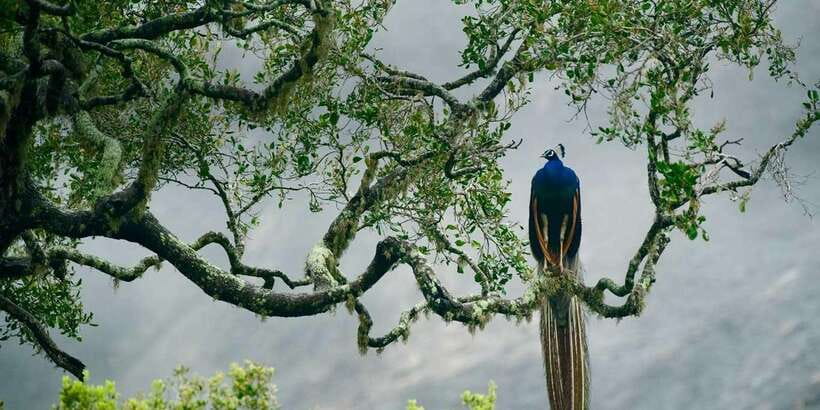
The driver-guide makes a real difference on a day like this. One guide named Shira was praised for explaining the animals and identifying species, while Pathum was praised for the driving and for arranging the return transfer to Hiriketiya. Those details matter because the experience includes both a long road journey and a safari, not just a ticket to the park.
A good guide has two jobs. First, the driver needs to handle the practical side: hotel pickup, the road journey, the timing of the transit home, the park entrance, and the return. Second, the guide should help you understand what you are seeing instead of simply pointing at an animal and moving on.
The strongest reports focus on both jobs. Guests described getting close to elephants and crocodiles, seeing many animals, and receiving useful explanations. That suggests the tour works best when you take an active interest and ask questions rather than treating the jeep as a sightseeing bus.
There is one practical warning. One pickup arrived more than an hour late, even though the overall experience was rated highly. I would not schedule a flight, train, or tightly timed evening plan immediately after this outing. Ask where and when the pickup will happen, keep your phone available, and allow extra time for the return.
Same region, a very different drive:
- Udawalawe National Park | Private Safari Tour
★ 5.0 · 1,499 reviews - From Colombo: Sigiriya and Dambulla Day Trip with Safari
★ 4.7 · 842 reviews - Yala National Park Safari Tours: Morning/Evening/Full Day
★ 4.8 · 818 reviews - Full day Safari – Yala National Park – 04.30 am to 06.00 pm with – Janaka safari
★ 5.0 · 603 reviews
What the $67 price really covers

At $67 per person, the tour can be good value if you need transport from the south coast. You are paying for an air-conditioned vehicle from your hotel, the long transfer to Udawalawe, the Elephant Transit Home visit, the national park jeep safari, and a professional English-speaking driver-guide.
Arranging the same day independently could mean finding a vehicle from Tangalle or Hiriketiya, organizing the park jeep, handling the transit home timing, and coordinating the return. The package reduces that work. For many people, the convenience is the main reason to choose it.
The important catch is the national park entrance fee. It is not included, so your actual spend will be higher than $67. Ask for the current entrance cost before booking, then compare the full total with the cost of arranging a private car and jeep separately.
The value is strongest for couples, families, and small groups who want a straightforward day with hotel transfers. It is less attractive if you already have a car, prefer to set your own park timing, or want a full-day safari with a slower pace. Seven hours includes the road journey, the transit home, and the park visit, so the actual time inside the reserve is only part of the day.
Timing, comfort, and what to bring
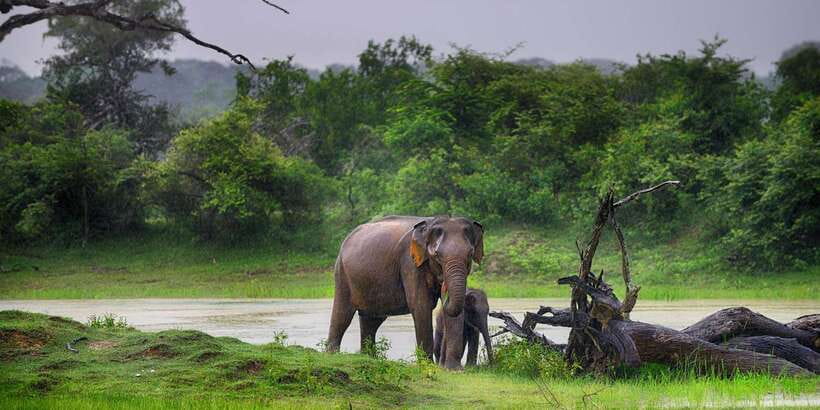
The tour lasts seven hours, including transfers. The first road leg is about two hours, and the return to Tangalle or Hiriketiya also takes time. You should think of this as a full day of movement rather than seven quiet hours at the park.
Wear light clothing and practical shoes. Bring water, sun protection, and a phone or camera with enough battery for the drive and safari. The supplied details do not state that food or drinks are included, so do not count on meals being provided. The roadside coffee and hopper stop reported on one outing may be available, but it is not guaranteed.
The air-conditioned vehicle is a welcome feature for the road sections. Once you switch to the safari jeep, conditions will be more exposed, and you will want to be ready for sun and dust. The exact jeep setup and group size are not stated, so ask if those details matter to you.
Your start time can affect the whole rhythm of the outing. It needs to fit the baby elephant feeding schedule, the two-hour transfer, and the safari hours. Confirm the departure time rather than assuming every booking begins at the same hour.
Who will enjoy this safari most
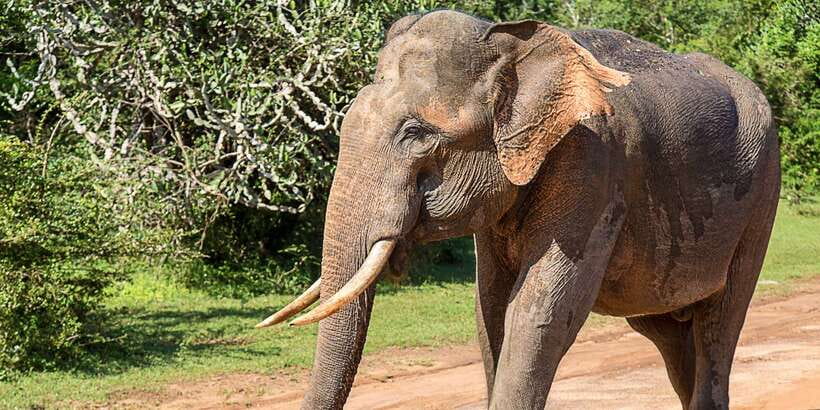
I would recommend this experience to you if you are staying in Tangalle or Hiriketiya and want to see Udawalawe without planning the transport yourself. It suits first-time safari participants, families, couples, and anyone who wants wild elephants plus a short visit to the transit home.
It is also a good fit if you enjoy variety. In one day, you may see young elephants in care, wild elephants, crocodiles, deer, buffalo, wild boar, monkeys, birds, butterflies, and other wildlife. You will not know exactly what appears, but the range gives the day more depth than a single-animal excursion.
You may want another option if you dislike early starts, long road transfers, or fixed schedules. The seven-hour duration sounds moderate, but roughly four hours can be taken up by travel to and from the area. It is also not ideal for anyone who wants an extended safari with lots of time to wait quietly for wildlife.
The experience has a strong rating of 4.8 from 11 reviews, with repeated praise for the close elephant sightings, animal variety, driving, and guide explanations. That is encouraging, but the late pickup report is worth keeping in mind. Good wildlife days still depend on roads, timing, and animals doing their own thing.
Should you book the Udawalawe day trip?
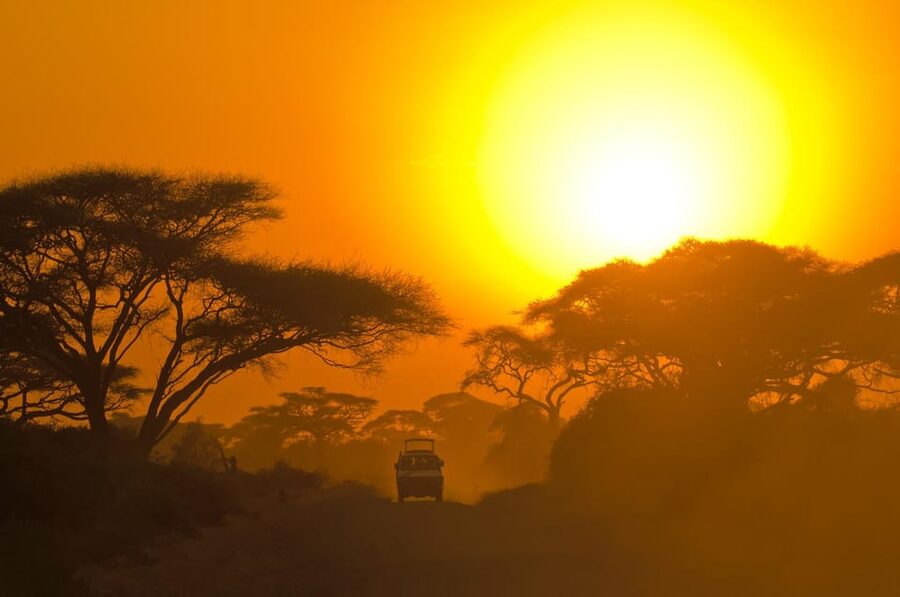
Book it if you want a convenient wildlife day from Tangalle or Hiriketiya and you are happy to pay extra for the park entrance fee. The combination of a 30-minute baby elephant feeding visit and a guided safari gives you two distinct experiences, while hotel transfers remove much of the planning.
Before you commit, confirm the pickup time, the feeding session, the entrance fee, and the expected return time. If those details work for your plans, this is a practical way to reach Udawalawe and gives you a fair chance of seeing elephants, crocodiles, and a wide mix of Sri Lankan wildlife.
FAQ
Where does the tour start?
Pickup is provided from your hotel in the Tangalle or Hiriketiya area.
How long does the experience last?
The stated duration is seven hours.
How long is the drive to the Elephant Transit Home?
The drive from Tangalle or Hiriketiya to the transit home takes about two hours in an air-conditioned vehicle.
How long is the baby elephant feeding visit?
The feeding visit lasts about 30 minutes.
Is the Udawalawe National Park entrance fee included?
No. The entrance fee for Udawalawe National Park is not included in the package price.
What animals might I see in Udawalawe National Park?
Possible sightings include elephants, crocodiles, wild buffalo, spotted deer, barking deer, sambar, wild boar, hares, mongoose, monkeys, birds, butterflies, and snakes.
Is an English-speaking guide included?
Yes. The tour includes a professional driver-guide, and English is the listed tour language.
Newest safaris around Sri Lanka
- All Inclusive Udawalawe National Park Safari Day Tour from Colombo and Negombo★ 5.0 · 11 reviews
- Yala National Park Private Jeep Safari From Colombo & Negombo★ 4.5 · 14 reviews
- Privet One Day Udawalawe National Park Elephant Safari★ 5.0 · 15 reviews
- From Colombo to Sigiriya Fortress, Dambulla & Minneriya Safari★ 5.0 · 20 reviews
- Private Trip to Sigiriya, Dambulla & safari from Colombo/ Negombo★ 5.0 · 44 reviews
- Private Wilpatu National Park Leopard safari from Colombo/Negambo★ 5.0 · 13 reviews
- Yala Safari Day Trip from Bentota/ Kalutara/ Ahungalla/ Hikkaduwa★ 5.0 · 60 reviews
- Yala 4h Jeep Safari: Guided Wildlife Experience (All Inclusive)★ 5.0 · 16 reviews
Big Five & Wildlife Safaris, compared.
Sunrise Desert Jeep Safari with Wildlife Experience
Read our review →
Addo Elephant National Park All Inclusive Full-Day Safari
Read our review →
Big Five Game Reserve Wildlife Safari from Cape Town
Read our review →
Big Five Safari and Breede River Valley Guided Day Trip
Read our review →

Browse the lists this tour appears in