Review · NORTH ISLAND, NEW ZEALAND
Wellington: Half Day Seal Coast Safari
Seals, forest, farms, and mountain views all fit into this 210-minute trip from central Wellington. I like the rare mix of access and variety: you ride through private Terawhiti farmland that you cannot simply wander into, then reach a remote coast where New Zealand fur seals rest on the rocks. I also like the small-group format, with no more than 10 people and a guide who can explain the birds, plants, Māori connections, farming, wind power, and local history along the way.
The main consideration is the price, $116 per person. That is not cheap for a half-day outing, and the farm tracks are rough enough to shake your coffee. Yet the private access, specialist 4WD transport, excellent guides, and hard-to-reach seal colony make this a more substantial trip than a simple city sightseeing ride. Pack warmly, expect changing weather, and leave large bags behind.
Key points before you book
- Private access through Terawhiti Station: You cross working farmland by 4WD, with sheep, cows, goats, wind turbines, and wide views toward the Cook Strait.
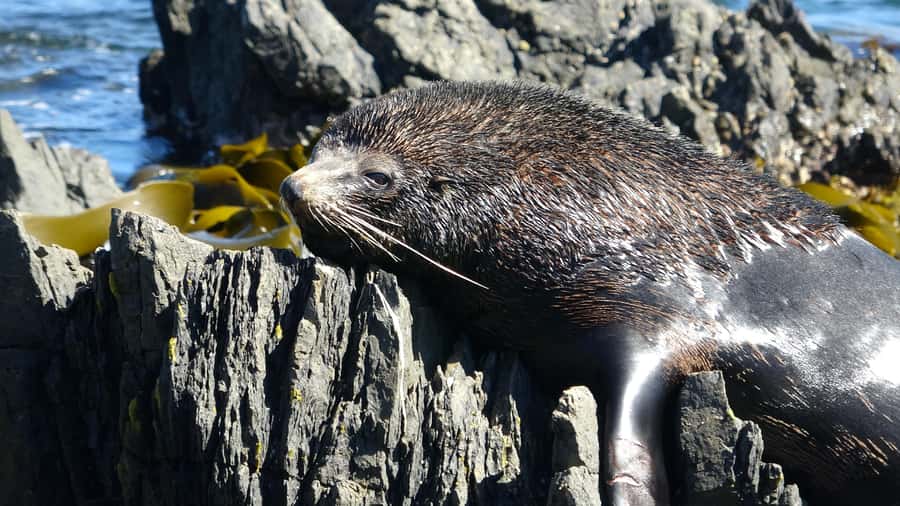
- A genuine wild-seal encounter: At Tongue Point, New Zealand fur seals sunbathe, swim, and loll about in their natural setting.
- Otari-Wilton’s Bush adds real depth: The opening forest walk introduces native plants, Māori uses, and native birds before you reach the coast.
- Weather shapes the experience: Rain, fog, wind, and cloud can hide the South Island mountains, but the tour still runs and can remain rewarding.
- Small groups make a difference: With a maximum of 10 people, you get room for questions and help with photos.
- Best for low-effort adventure: Minimal walking is required, but you should be comfortable with bumpy roads and outdoor conditions.
From central Wellington to a native forest canopy
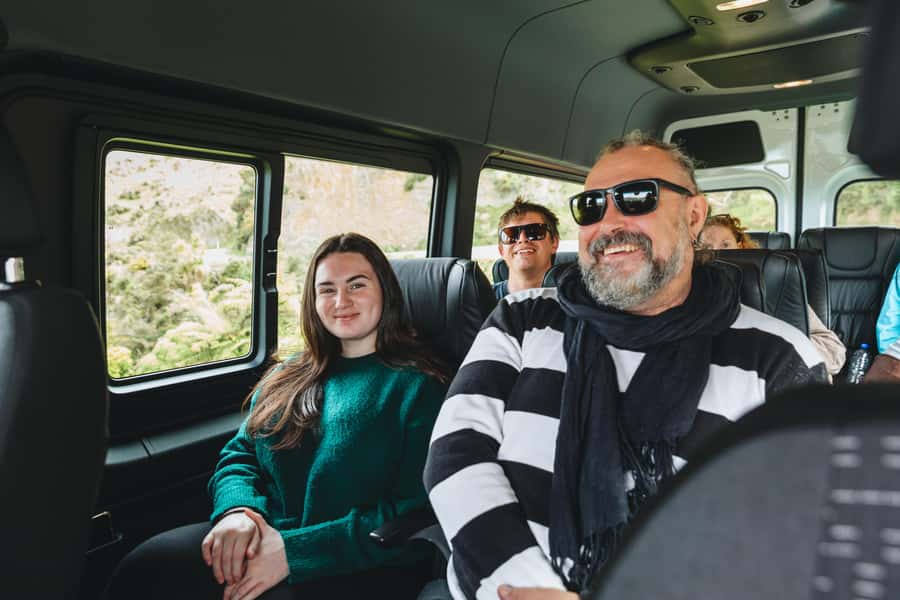
Your day begins with pickup in central Wellington or at the cruise terminal. The operator uses Mercedes 4WD vans, which matter here because the route eventually leaves ordinary city roads for steep, uneven farm tracks. Pickup points include Bunny Street outside McDonald’s, Te Papa, Naumi Studio, TRYP by Wyndham, and several central hotels. You need to give your preferred pickup point when booking because the exact time changes by location.
The first stop is Otari-Wilton’s Bush, a 100-hectare reserve and botanical garden devoted entirely to native New Zealand plants. This is a smart beginning. Instead of rushing straight to the seals, the tour gives you a quick introduction to the plants and birds that shaped the country before European settlement.
You cross a skybridge above the forest canopy, where your guide explains native flora, birdlife, and the pressures that have affected local species. The stop is not a long wilderness walk. Minimal walking is required, so it suits you if you want contact with native bush without committing to a strenuous hike.
Look and listen for tui, kaka, kakariki, kereru, and, occasionally, karearea. The return of some of these birds to the Wellington area is part of a larger conservation story. You may also hear about plant uses and Māori connections to the bush, a detail that several guides bring into the commentary. Elizabeth, who took the tour with Natalie, especially valued the Māori culture stories and information about medicinal plants.
The forest section can feel brief if you expected a full botanical visit. It is better understood as an introduction that helps you read the rest of the trip. After seeing native forest, working farmland, and coastal habitat, you get a clearer sense of how close Wellington sits to several very different environments.
A few more safaris around the world worth a look
- Dubai: Desert Safari, Quad Bike, Camel Ride & Al Khayma Camp
★ 4.9 · 68,962 reviews - Dubai: Desert Safari, Quad Bike, Camel Ride and Sandboarding
★ 4.9 · 43,505 reviews - Dubai: Safari, Quad Bike, Camel Ride, and Buffet Dinner
★ 4.9 · 33,424 reviews
Crossing Terawhiti Station by Mercedes 4WD
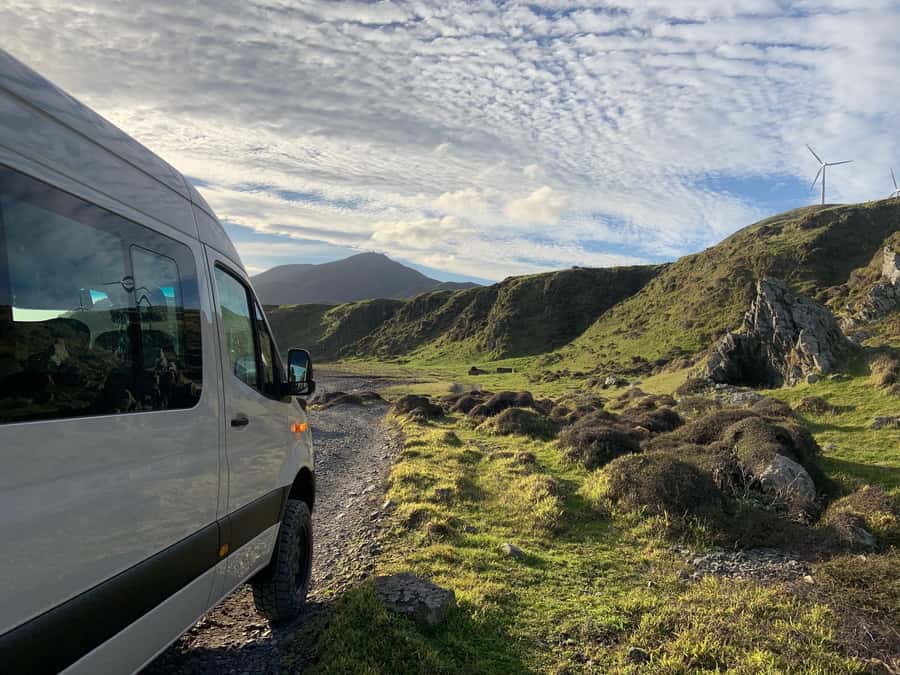
The route then turns toward the south coast, leaving the regular road and entering Terawhiti Station. This private farm is one of New Zealand’s oldest and largest stations, and access through it is one of the tour’s real advantages. You are not viewing the coast from a roadside pullout. You are crossing a working property by vehicle, following tracks through open hills and rough country.
You might see sheep, cattle, and goats along the way. The farm itself is not an attraction with displays or formal stops, so you should not expect a long agricultural visit. Its value is the access it provides, the sense of remoteness, and the route to the coast.
The drive can be bumpy. One passenger described the farm tracks as rough but said the vehicle handled them as well as possible. Another noted that the 4WD truly earned its keep on the difficult ground. If you have a sensitive back or dislike being jolted about, this is worth considering. For most people, the rough ride is part of the outing rather than a serious problem.
As you climb, the views open across the Cook Strait toward the South Island and the Kaikoura Ranges. On a clear day, snow-capped mountains may appear in the distance. On a wet or foggy day, you may see much less. Wellington’s weather can change quickly, and this route is exposed to wind, cloud, and rain.
The hills are also connected with the Capital Kiwi project, which has brought wild kiwi back after about 100 years without them in this part of Wellington. That detail gives the drive more meaning than a scenic climb. Your guide can connect the farm, forest, birds, and conservation work into one story.
Wind turbines and the story of Windy Wellington
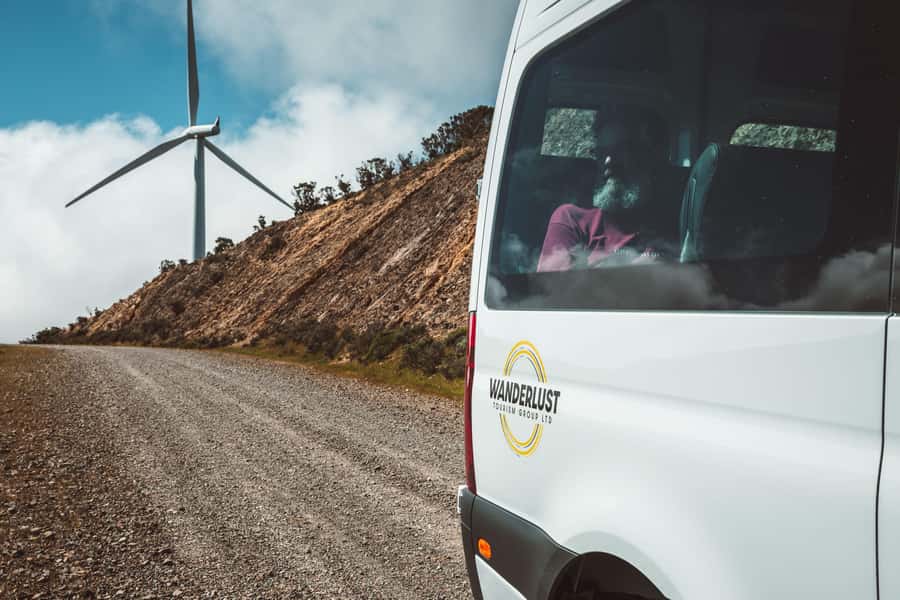
The ridgeline road was built for Project West Wind, a major wind farm that produces enough electricity to power homes across the Wellington region. The turbines are a memorable sight in their own right, especially when low cloud and strong wind make the nickname Windy Welly seem entirely justified.
The tour uses the wind farm to explain how energy production and farming share this difficult terrain. Terawhiti is exposed and demanding country for a farming operation, so the relationship between the station and the wind project adds a useful local detail. You are not just passing a row of turbines without context.
Guides have different personalities, and that can shape the outing. Grant is praised for careful driving and clear local commentary. Sarah, Chris, Marc, Andy, Blue, Gina, Hamish, Emily, Natalie, and Chewy are among the guides singled out for friendly storytelling, local facts, and help with questions or photographs. The repeated pattern is that the guide matters as much as the route. A good one turns a long drive into a moving lesson about Wellington.
This part of the tour is also where the weather matters most. Strong wind can make the ridgeline exhilarating, but you should bring warm clothing even in summer. Sunglasses and sunscreen are useful in clear conditions, while a rain layer can save the day when the weather turns.
The leaning lighthouse and the road to Tongue Point
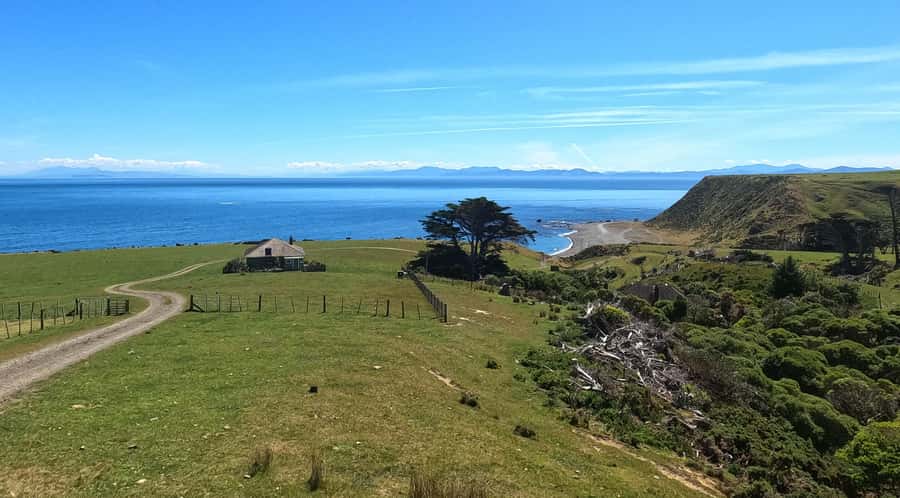
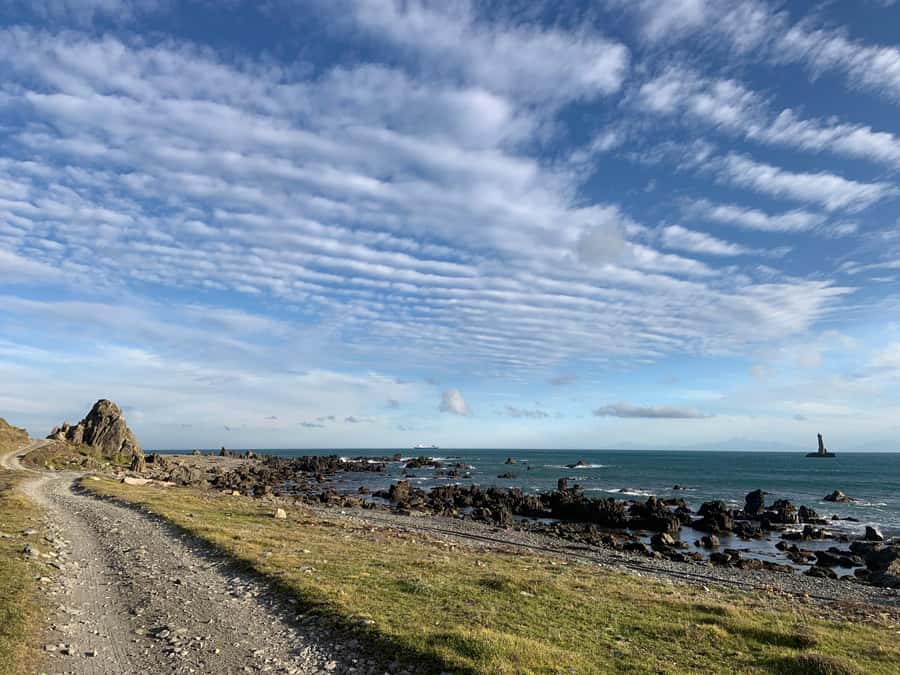
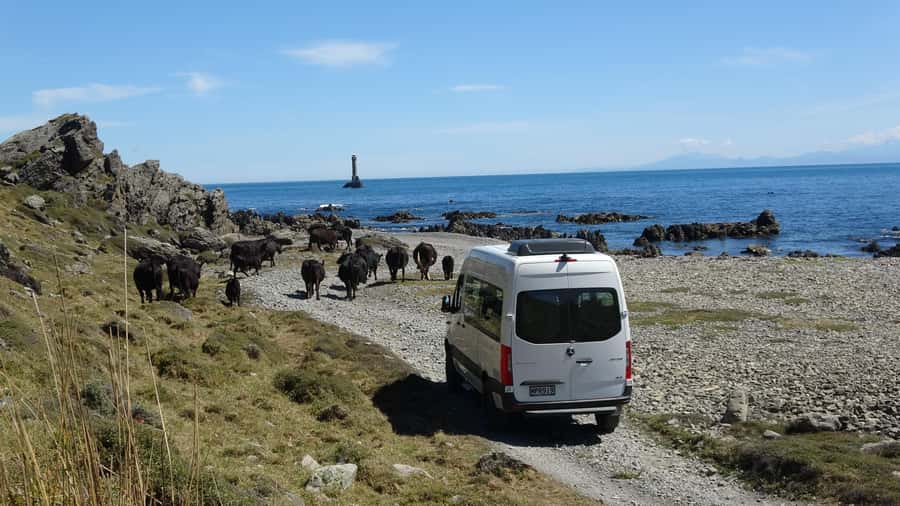
As the vehicle drops toward sea level, look for Karori Rock Lighthouse, often called the leaning lighthouse. It was one of New Zealand’s first automated lighthouses, and it really does lean. You get a better look once the vehicle reaches the coast and follows the rocky, sandy track toward Tongue Point.
This final approach is part of the fun, but it is not smooth sightseeing-road travel. The track is rough, and the van may shake and roll. The route can also change if weather or other conditions make the planned path unsuitable. The operator runs the safari in all weather, so flexibility is important.
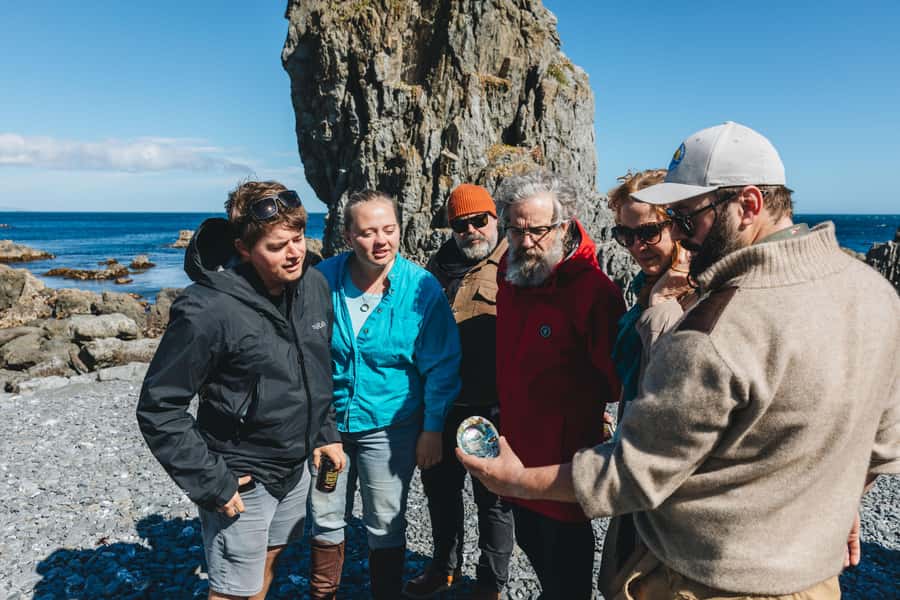
At the coast, you leave the van for a short wander along the beach and rocky shoreline. The walking is limited, but comfortable shoes are still essential. The seals may be close enough for clear photographs, yet you must keep a safe distance for both your protection and theirs.
Same region, a very different drive:
- Dubai: Red Dune Safari, Quad Bike, Camel Ride, BBQ Dinner
★ 4.9 · 32,185 reviews - Dubai: Premium Safari, Camel Ride & Al Khayma Camp 3-Buffets
★ 4.9 · 30,335 reviews - Dubai: Desert Safari with BBQ Dinner & Quad Biking Options
★ 4.9 · 20,485 reviews - Dubai: Half-Day Desert Safari, Camel Ride, ATV & Dune Buggy
★ 4.9 · 19,221 reviews
Watching New Zealand fur seals at home
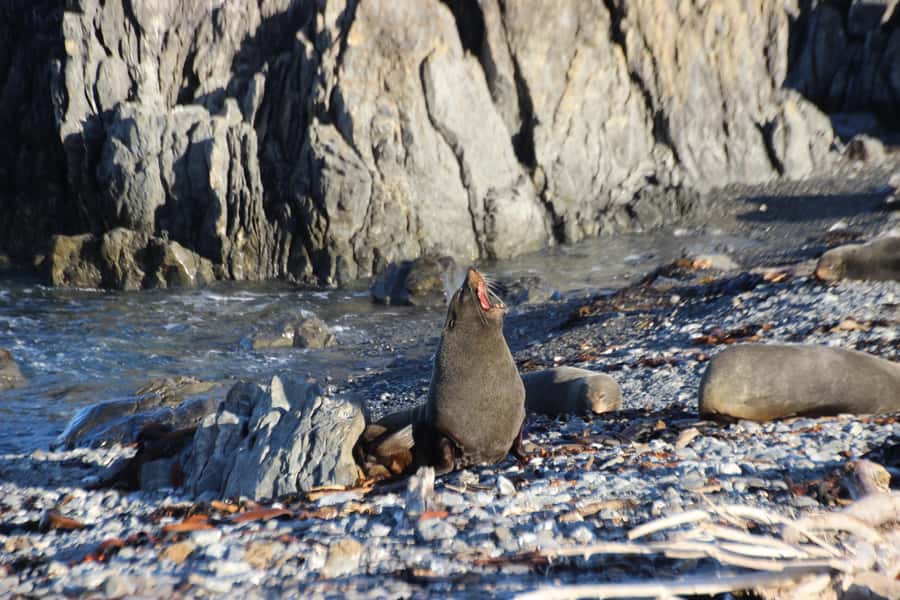
The seals are the main event, and the setting makes the encounter special. These are New Zealand fur seals living on the coast, not animals performing on cue. You may see them sunning themselves, playing, or slipping into the water. Their behavior is often wonderfully lazy, with long stretches of resting broken by sudden movement.
The number of seals can vary, but the experience is not dependent on spotting one lone animal. Several outings described seeing many seals, and one group had the beach almost to itself apart from the seals. That sense of space is a major reason to choose this tour instead of a standard city activity.
Your guide explains the colony’s history, ecology, and conservation. You also get time to take photographs and watch ferries crossing between New Zealand’s North and South Islands. The ferry traffic gives the scene a human reference point, while the seals and rugged shoreline remind you how quickly Wellington’s urban center gives way to open coast.
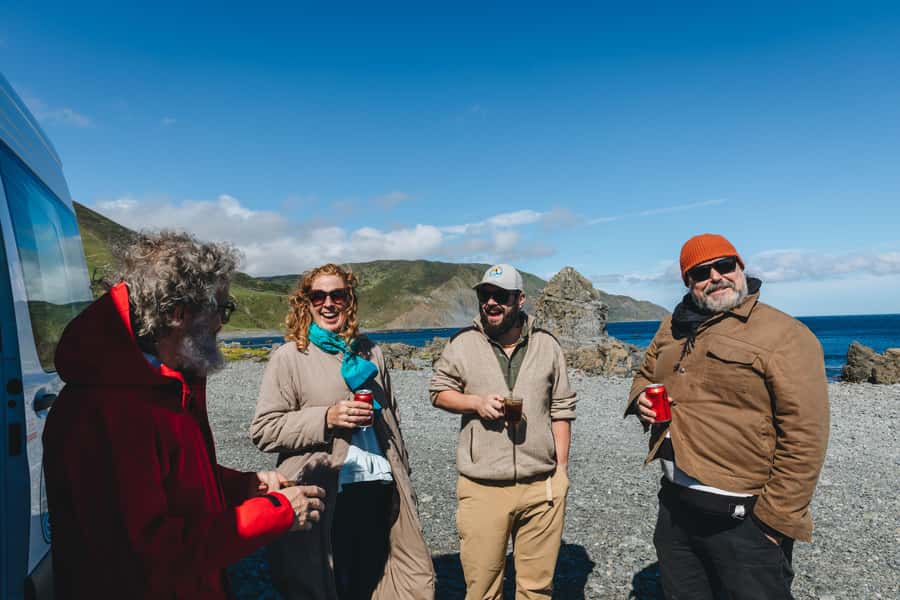
The tour includes light refreshments at the coast. Depending on the guide and conditions, this may be a simple drink and snack rather than a full meal. Emily was praised for making a decent cup of coffee, and Hamish was also noted for offering a warm drink during poor weather. Do not book this expecting lunch, but the refreshment is welcome on a windy beach.
Please do not approach the seals or try to make them move for a photograph. The best pictures usually come from patience and a long lens or phone zoom. Your guide will help you judge a safe distance.
Why the guide can make or break the trip
The route is excellent, but the commentary gives it shape. You spend a fair amount of time in the vehicle, first through Wellington and then over farm tracks. A guide who can connect the plants, birds, Māori culture, farming, wind power, fault lines, lighthouse, and seals keeps the journey interesting.
The strongest comments about the tour focus on guides who are warm, funny, careful drivers, and generous with information. Sarah was praised for Wellington facts, Marc for enthusiasm and local detail, Grant for safety and driving, and Gina for answering questions and taking photographs. Andy’s storytelling also made a strong impression, while Blue and Chris were praised for their easy manner and local knowledge.
That does not mean every guide will deliver the same style. The operator assigns different people, so your experience may be more conversational, more historical, or more focused on nature. The small group helps because you can ask questions without competing with a coachload of people.
The transport also deserves credit. The Mercedes 4WD vans offer more comfort and security than an ordinary minibus, but no vehicle can remove every bump from a farm road. Sit back, keep loose items secure, and accept that a little shaking is part of reaching the beach.
Is $116 good value for 210 minutes?
At $116, this is a premium half-day activity. You are paying for more than a seal viewpoint. The cost covers central pickup, a small group, a live English-speaking guide, specialized 4WD transport, private farm access, the forest visit, and refreshments.
I think the price makes sense if you do not have a car and want to reach parts of Wellington that are otherwise difficult to visit. It also works well for cruise passengers who want a guided outing close to the city and need transport back to the terminal. The operator has earned a 97 percent perfect score for transport, which is important when timing matters.
The value is less clear if you only want to see seals and are comparing this with a short, inexpensive coastal stop. The farm section is incidental rather than a separate attraction, and the weather may hide the distant mountains. One person felt the tour was overpriced and thought the farm added little beyond access to the coast. That is a fair criticism.
For me, the better comparison is not with a quick seal viewing stop. Compare it with the cost and effort of arranging a vehicle, finding legal access across private land, locating the colony, and learning what you are seeing. On that basis, the package is easier to justify.
Who should book this Wellington safari?
This suits you if you want wildlife, scenery, and local stories without a full-day commitment. It is especially useful if you are staying in central Wellington without a car, visiting from a cruise ship, or looking for something beyond museums and city streets.
It also suits people who enjoy varied scenery. In three and a half hours, you may move from native forest to city edges, working farmland, wind turbines, high ridges, the Cook Strait, and a seal colony. That range is the point.
You should think twice if you want a smooth ride, a guaranteed clear view of the South Island, or a long and active hike. The safari runs in all weather, and heavy rain or fog can reduce the views. It is not suitable for wheelchair users, and large bags or luggage are not allowed.
Bring comfortable shoes, sunscreen, sunglasses, and warm clothing. I would add a waterproof outer layer, even if the morning begins bright. You will want a camera, but do not forget to look up from it. The changing weather, ferries, birds, and huge open views are part of the experience.
Should you book the Seal Coast Safari?
Book it if you want a personal, nature-focused outing with genuine access and a strong chance of seeing fur seals in the wild. The combination of Otari-Wilton’s Bush, Terawhiti Station, wind-farm country, and Tongue Point gives you much more than a single wildlife stop.
I would be cautious only if $116 feels high for a half-day trip or if rough roads are a serious concern. For most people who value small groups, thoughtful guides, and places they cannot easily reach alone, this is one of Wellington’s better short excursions. The seals are the headline, but the private farmland and the journey to reach the coast are what make the day memorable.
FAQ
How long does the Wellington Seal Coast Safari last?
The tour lasts 210 minutes, or three and a half hours.
How much does the tour cost?
The listed price is $116 per person.
Are hotel and cruise terminal pickups available?
Yes. Pickup is available from central city locations and the Wellington cruise terminal. Cruise passengers should select Wellington Cruise Ship Port when booking.
How many people are in each group?
The tour is limited to 10 participants.
What should I bring?
Bring comfortable shoes, a camera, sunscreen, sunglasses, and warm clothing. Large bags and luggage are not allowed.
Does the tour run in bad weather?
Yes, the safari runs in all weather, but weather and other conditions may lead to route changes. You can also transfer a confirmed booking to another day without charge if the operator receives at least 24 hours notice.
Newest safaris around the world
- Desert Safari in 4×4 Car with BBQ Dinner and Belly Dance★ 5.0 · 62 reviews
- Dubai Desert Safari: Quad Bike, Camel Ride and BBQ Dinner★ 5.0 · 29 reviews
- Desert Safari and Quad Bike Experience in Dubai with Dinner★ 4.5 · 44 reviews
- Dubai Evening Desert Safari with Thrilling Dune Buggy Adventure★ 5.0 · 109 reviews
- Desert Safari With Bab Al Shams Dinner★ 4.5 · 43 reviews
- Dubai Desert Safari with Dinner, Camel Ride & Dune Bashing★ 5.0 · 73 reviews
- Evening Desert Safari Tour With Dinner & Entertainment★ 5.0 · 41 reviews
- Desert Safari with 30 Minutes Quad Biking on High Red Dunes (Complete Package)★ 5.0 · 124 reviews
Safaris, compared.
Desert Safari, Quad Bike, Camel Ride & Al Khayma Camp
Read our review →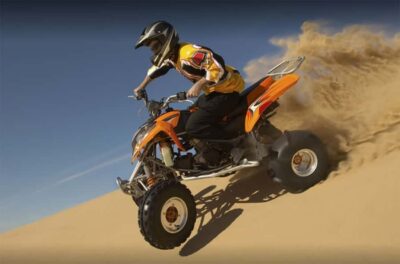
Desert Safari, Quad Bike, Camel Ride and Sandboarding
Read our review →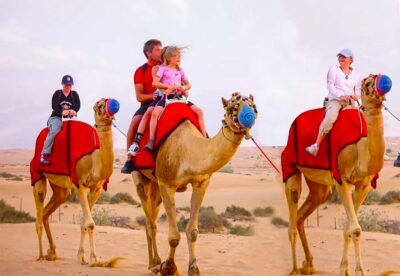
Safari, Quad Bike, Camel Ride, and Buffet Dinner
Read our review →
Red Dune Safari, Quad Bike, Camel Ride, BBQ Dinner
Read our review →
Premium Safari, Camel Ride & Al Khayma Camp 3-Buffets
Read our review →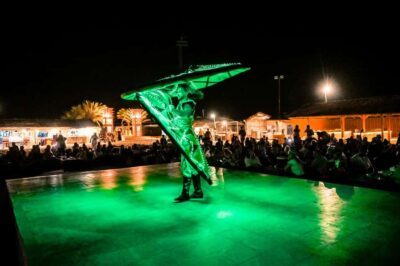
Desert Safari with BBQ Dinner & Quad Biking Options
Read our review →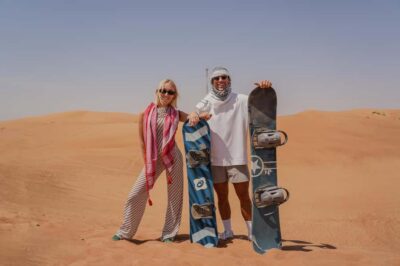
Half-Day Desert Safari, Camel Ride, ATV & Dune Buggy
Read our review →