
Review · ARUSHA (REGION), TANZANIA
1-Day Ngorongoro Crater Special Big 5- Joining Group Safari
The crater packs a whole safari into one day. I like the chance to see Ngorongoro’s famous animals without committing several days, and I like that the trip includes transport, a guide, food, and drinking water. The crater-floor drive can bring you close to lions, buffalo, hippos, zebras, and perhaps a black rhino.
The main concern is the long day and uneven guiding. Pickup from Arusha is included, but Moshi costs extra, and the national park fee is not included in the $190 price. One report also describes a badly coordinated pickup and a guide who offered little information, so clear arrangements and guide quality matter here.
The overall rating is 4.2 from 10 ratings. Food, timing, and the general safari experience received strong praise, while the weakest point was communication during pickup and the game drive.
Key points to know before booking
- The crater floor is the main event: You descend about 600 meters from the rim into a wildlife-filled caldera.
- The Big 5 are possible, not promised: Lions, elephants, buffalo, leopards, and black rhinos are the target sightings.
- Arusha pickup is included: Pickup from Moshi is available, but you pay an additional transfer charge.
- Breakfast and lunch help with the early start: Food is described as filling, fresh, and nutritious, with lunch served near a hippo pool or swamp.
- Guide quality can shape the day: Ask questions and expect to speak up if you want more stops or explanations.
- The $190 price needs a second look: Add the national park fee before deciding if this is good value for your budget.
Why Ngorongoro works as a one-day safari
Ngorongoro Crater is unusually well suited to a short safari. Wildlife is concentrated inside the broad crater, so you are not spending the whole day searching across enormous distances. In a single outing, you can see open grassland, wet areas, forest, a lake, and the steep crater walls.
That variety gives the day a clear rhythm. You begin with a high viewpoint, descend to the animals, stop for lunch, then continue through several habitats before climbing back to the rim. It is a lot to fit into one day, but the route has a natural shape rather than feeling like a simple drive to one viewing area.
The catch is the early start and long return drive. You leave your hotel in Arusha or Moshi early in the morning and return in the early evening. This is best for you if you have limited time in northern Tanzania and want one major wildlife day. It is less appealing if you dislike long road journeys or prefer slow mornings.
More National Park Safaris in Tanzania
- From Zanzibar: Day Selous Game Reserve Safari with Flights
★ 4.7 · 1,025 reviews - 3 Day Serengeti National Park & Ngorongoro Crater Camping Safari
★ 5.0 · 142 reviews - Day Safari tour to Selous Game Reserve from Zanzibar
★ 4.5 · 98 reviews
The early drive from Arusha or Moshi
Your day begins with a hotel pickup. Arusha is the easier base because pickup is included there. Moshi is also possible, but the extra transfer cost changes the final price, so ask for the exact amount before paying.
The road toward Ngorongoro passes through the Great Rift Valley and the Tanzanian highlands. The drive is not just dead time. It gives you a sense of how quickly the setting changes as you leave town and head toward the crater area. Still, the most important practical question is pickup timing.
One bad arrangement can affect the whole morning. A pickup was reported at 5 a.m. for one group, even though the next passengers were booked for 6 a.m. Those passengers then waited in the vehicle for about 45 minutes. That is a small scheduling mistake with a real effect: less sleep, a disrupted breakfast, and a poor first impression.
I would confirm the pickup time, hotel location, and order of stops the day before. If you are sharing the vehicle, ask if other passengers are joining from different hotels. A joining safari saves money, but it can add waiting time.
Reaching the crater rim and looking down
The first major moment comes at the crater rim. From above, you can see the wide bowl of the caldera and get your bearings before the vehicle drops toward the floor. This stop matters because Ngorongoro is not only a wildlife site. Its geology gives the whole day its shape.
The descent is about 600 meters. From the rim, the animals below may look tiny, but the scale becomes clearer as the road drops toward the grasslands and wet areas. I would have your camera ready at the rim, but do not rush through the view. It is one of the few points in the day when you can appreciate the entire setting at once.
The descent also explains why the crater can offer such concentrated animal viewing. The enclosed basin contains several habitats close together, including grassland, forest, lake, and swamp. Your guide should explain how the crater formed and why animals use these different areas. This is one place where guide commentary makes a big difference.
One person specifically found the guide offered too little information about the crater’s formation and animal populations. That is useful advice for you: ask direct questions early. Ask what you are seeing, how many species live in the area, and why the vehicle is stopping. A quiet guide may simply need prompting, but you should not have to guess your way through the day.
The crater-floor Big 5 drive
Once on the floor, the safari focuses on the Big 5: lion, elephant, buffalo, leopard, and black rhinoceros. The wording is important. These animals are the goal, but no ethical safari can promise all five in one day. You may see several of them, but sightings depend on location, timing, and luck.
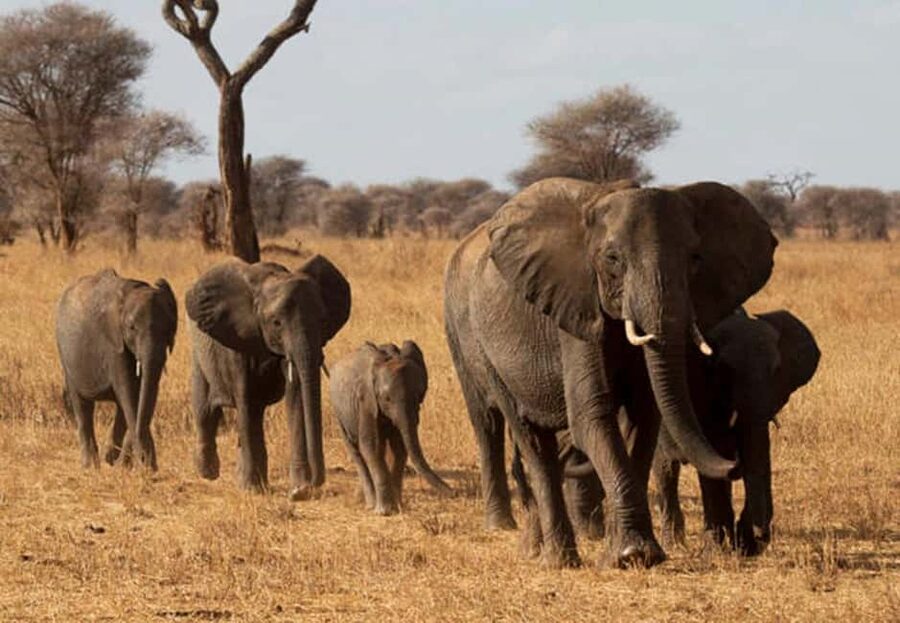
Lions are among the animals you might find on the open plains. Buffalo may appear in groups, while elephants can be seen in or near wooded areas. Black rhinos are a special possibility because they are endangered and much harder to spot than more common grazing animals. Leopards are particularly elusive, so treat any sighting as a bonus rather than an expectation.
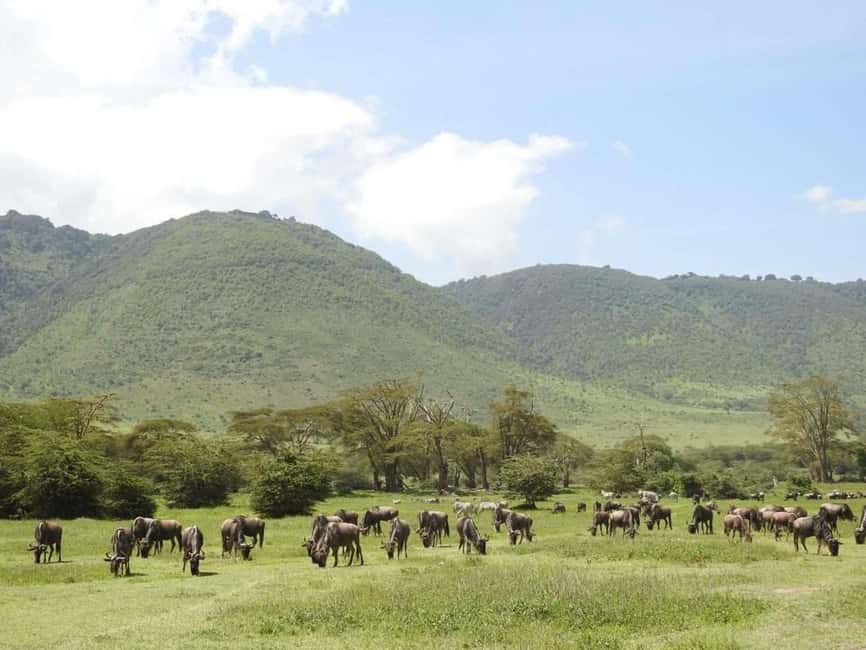
The crater also supports a long list of other animals. You may see zebras, wildebeests, hyenas, hippos, gazelles, warthogs, and jackals. These species help make the drive worthwhile even if one of the Big 5 refuses to appear.
The planned route includes the Lerai Forest, grassy plains, and lake areas. Each setting changes the kind of sighting you might find. Forest edges can offer a different view from open ground, while water attracts hippos and other animals. Your guide’s ability to scan, explain, and position the vehicle will affect how much you get from these stops.
This is the biggest area for improvement. One account describes having to ask the guide to stop after spotting animals independently. That is not ideal. You should be able to tell the guide when you want a closer look or a photograph, but the guide should also help identify movement and choose useful viewing points.
More Wildlife Safaris in Tanzania
- Big Five Safari In Tanzania
★ 5.0 · 99 reviews - Big Five Luxury Safari in Tanzania
★ 5.0 · 68 reviews - 6 Day Tanzania Wildlife Mid range Safari
★ 5.0 · 54 reviews - 7-Day Midrange Tanzania Safari Adventures (Big 5)
★ 5.0 · 43 reviews
Breakfast, lunch, and the hippo pool stop
Food is one of the stronger parts of this outing. Breakfast is described as filling and energizing, which matters when you are leaving before sunrise and spending hours in a vehicle. A solid early meal can make the long morning much easier.
Lunch is planned at a designated picnic area, often near a hippo pool or a lush swamp. The point is not fine dining. It is a practical break in an attractive setting, with the chance to watch hippos resting in the water while you eat.
The meal was praised as fresh and nutritious, and another account specifically rated the food and route highly. That is good news for you because food quality can make a major difference on a one-day safari. You do not want a heavy or disappointing meal in the middle of a long drive.
Follow your guide’s instructions around the picnic area. Hippos may look sleepy, but you are still in a wild setting. Keep your camera ready, but give yourself time to eat and rest. The midday pause is also a good chance to ask what habitats you will visit next.
Afternoon habitats, animals, and cultural context
After lunch, the vehicle continues through more of the crater floor. The planned afternoon route can include forest, plains, lake edges, and swamp. This second half of the drive is useful because animal activity and vehicle positions may change throughout the day.
You might see gazelles moving across open ground, warthogs feeding, or jackals near other animals. Predators such as lions and cheetahs may also appear, sometimes hunting. The experience is not only about collecting species names. It is about watching how the animals use the same limited water, grass, and shelter.
Your guide is also expected to discuss Maasai communities living in the conservation area. This adds an important human side to the day. The crater is not an empty display made only for wildlife viewing. People live and work in the wider conservation area, and their presence forms part of the place you are visiting.
The geological story matters too. I would ask your guide to connect the crater’s shape with what you are seeing on the floor. A good explanation can turn a scenic viewpoint into a clearer picture of how the area works.
The climb out and evening return
Late in the afternoon, you begin the ascent to the crater rim. The climb gives you one last chance to look back across the caldera, though the return road also signals that the wildlife portion of the day is ending.
From the rim, the drive back to Arusha or Moshi can feel long. You will already have been awake since early morning, spent hours on rough roads, and focused on animal sightings. That is why this tour is best treated as a full-day commitment, not a casual half-day outing.
You should arrive back at your hotel in the early evening. Exact timing can vary with the morning pickup, road conditions, the number of shared passengers, and how long the vehicle spends at sightings. The planned schedule is sensible, but a joining safari always has less control than a private trip.
What the $190 price really covers
At $190 per person, the trip offers a useful package: guided safari transport, an English-speaking professional guide, meals listed for the day, drinking water, and hotel pickup in Arusha. For someone with only one free wildlife day, that can be a fair starting price.
But the headline cost is not the full cost. The national park fee is excluded, and Moshi pickup costs extra. You should ask for the complete price before booking, including the park charge and any transfer from Moshi. That final number is what you should compare with other options.
The joining format helps keep the base cost lower than a private safari. In return, you accept shared timing, possible hotel stops, and less control over how long the vehicle stays at a sighting. If you value flexibility, a private trip may be worth the higher price. If you mainly want access to the crater at the lowest practical cost, joining can make sense.
The reserve-and-pay-later option gives you some planning flexibility, and cancellation is allowed up to 24 hours before departure for a full refund. Those terms are useful, but the key financial question remains the excluded national park fee.
Guide quality and how to get more from the day
The guide can make this trip either informative or merely scenic. The strongest account praised the guide for answering every question and even adding activities beyond the expected plan. Another account gave a simple positive assessment of the organization, care, driver, and guide.
The weak account points to a different experience: little explanation about the crater, few details about animals, and stops made only after passengers requested them. You cannot control every guide assignment, but you can improve your chances by being clear from the start.
Ask your guide to explain the crater’s geology, the animals you see, and the habitats on the route. Tell the guide that you want time for photographs. If you notice an animal before the guide does, point it out politely and ask for a stop.
Bring a camera, as suggested, and keep drinking water close. The supplied water is helpful, but you should still organize your personal items so you are not constantly searching through bags. Comfortable clothing for an early start and changing temperatures is sensible, though only a camera is specifically listed as required.
Who should book this Ngorongoro day trip?
I would consider this tour if you are staying in Arusha, have only one safari day, and want a strong chance to see many species in one compact wildlife area. It also suits you if you are comfortable sharing transport and understand that the Big 5 are possible sightings, not a guarantee.
It is a good match for people who value included meals, an English-speaking guide, hotel pickup, and a planned route through several crater habitats. The positive comments about breakfast, lunch, timing, food, and the general experience support that choice.
I would be more cautious if you are staying in Moshi, because the added transfer charge can weaken the value. I would also think twice if you want detailed natural-history explanations, perfectly timed pickups, or full control over every stop. In that case, confirm guide standards and group arrangements before booking.
Should you book Kilinge Adventures?
Book this one-day Ngorongoro safari if your priority is fitting a major wildlife experience into a single day from Arusha. The crater setting, concentrated wildlife, picnic lunch, and possible Big 5 sightings give you a lot for a short schedule.
Before you commit, get the full price with the national park fee, confirm your pickup time, and ask whether Moshi transfer costs apply to you. Also ask how the guide handles animal stops and explanations. The strongest experience here depends not only on the crater, but on how actively the guide helps you understand it.
If those details are clear, this looks like a practical and reasonably well-rated choice. If they remain vague, spend more time comparing options. A beautiful crater cannot fix a disorganized pickup or a guide who says very little.
FAQ
Where does the safari start?
Pickup is available from hotels in Arusha at no extra cost. Pickup from Moshi is also available, but an additional transfer charge applies.
Is the national park fee included in the $190 price?
No. The national park fee is not included, so you should ask for the full final cost before booking.
Which animals might I see?
The safari focuses on the Big 5: lions, elephants, buffalo, leopards, and black rhinos. You might also see zebras, wildebeests, hyenas, hippos, gazelles, warthogs, jackals, and possibly cheetahs.
What food is provided?
Meals indicated for the day are included. The planned schedule includes breakfast and a picnic lunch, with lunch usually served near a hippo pool or swamp. Drinking water is also included.
What language does the guide speak?
The professional guide speaks English.
Can I cancel the booking?
You can cancel up to 24 hours in advance for a full refund. The reserve-and-pay-later option lets you hold your place without paying at the time of booking.
More 1-Day Tours in Tanzania
- From Zanzibar: Mikumi Safari Day Trip with Flights and Meal
★ 4.7 · 1,470 reviews - 1-Day Selous (Nyerere National Park) Fly-In Safari from Zanzibar
★ 5.0 · 39 reviews - 1 Day Safari to Mikumi National Park
★ 5.0 · 20 reviews - Ngorongoro Crater Day Trip – Shared Group Safari
★ 5.0 · 16 reviews
Newest safaris around Tanzania
- 1 Day Safari to Mikumi National Park★ 5.0 · 20 reviews
- Short Safari from Dar es Salaam to Mikumi National Park – 2 Days★ 5.0 · 10 reviews
- 6 Days Safari to Udzungwa Mountain NP, Ruaha NP and Mikumi NP★ 5.0 · 10 reviews
- 5 Days Safari to Selous & Mikumi★ 5.0 · 15 reviews
- 3 Days Safari at Mikumi National Park Southern circuit of Tanzania★ 5.0 · 16 reviews
- 5-Day Mikumi & Ruaha Tanzania Wildlife Lodge Safari★ 5.0 · 10 reviews
- 8 Days Safari to Mikumi, Ruaha & Udzungwa Mountains★ 5.0 · 14 reviews
- 2 Days – Mikumi safari depart from Zanzibar or Dar es salaam★ 5.0 · 21 reviews
Big Five & Wildlife Safaris, compared.
Sunrise Desert Jeep Safari with Wildlife Experience
Read our review →
Addo Elephant National Park All Inclusive Full-Day Safari
Read our review →
Big Five Game Reserve Wildlife Safari from Cape Town
Read our review →
Big Five Safari and Breede River Valley Guided Day Trip
Read our review →

Browse the lists this tour appears in