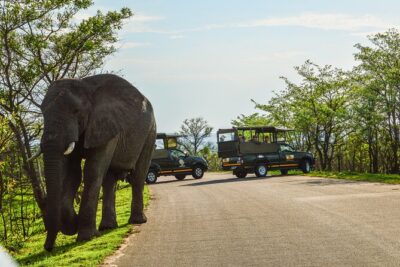
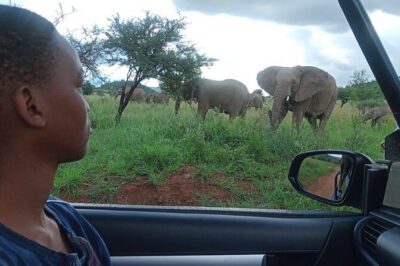
Review · ARUSHA, TANZANIA
3 Day Serengeti National Park & Ngorongoro Crater Camping Safari
Three days can pack in a lot. SafariHQ’s camping trip from Arusha takes you through the Serengeti and Ngorongoro Crater, two of Tanzania’s biggest wildlife draws, in a small group of no more than six people. I like the excellent chance of seeing lions, cheetahs, elephants, zebra, hippos, and perhaps black rhino. I also like that the price includes meals, park and camping fees, a 4×4 vehicle, a guide, water, and airport transfers.
The trade-off is time. You spend long hours on the road, and camping conditions can vary. One night may feel basic, while the Ngorongoro rim can be cold. If you want a slower safari with more time at each camp, three days may feel rushed. If you want a focused first taste of northern Tanzania, this is a strong and well-priced option.
Key Points Before You Book
- The Serengeti gets the longest wildlife focus: You have an afternoon game drive on Day 1, a morning drive on Day 2, and another game drive while heading toward Ngorongoro.
- Ngorongoro Crater packs animals into a natural bowl: The crater covers about 265 square kilometres and can hold roughly 30,000 animals at one time.
- Small groups matter: The vehicle carries a maximum of six people, giving you more room for camera gear and a better chance to ask your guide questions.
- Guide quality is a major strength: Daniel Lyimo, Emmanuel, James, Peter, and Manuel are praised for animal spotting, safe driving, patience, and clear explanations.
- Camping keeps the price under control: At $1,100 per person, park fees, camping, meals, water, and a cook are included, but drinks, tips, insurance, and laundry cost extra.
- Pack for cold nights: The Ngorongoro rim can be surprisingly chilly, even after warm days in the Serengeti.
What the $1,100 Price Really Covers
At $1,100 per person, this is not a bargain-basement safari, but the package includes many of the costs that can quickly add up in Tanzania. You receive all park and camping fees, a 4×4 safari vehicle, a guide, daily mineral water, coffee and tea, accommodation as listed, all meals, and a Maasai boma visit.
You also receive three lunches, two dinners, and two breakfasts. Airport transfers are included, which is useful if you are arriving or leaving around the safari. The listed price does not include alcohol, laundry, porterage, travel insurance, hotel phone calls, or gratuities.
The suggested tip for drivers is $20 per day. For a three-day trip, that means budgeting at least $60 for your driver. You may also wish to tip the cook or support staff, but no fixed amount is provided for them.
The value improves if you use the included meals. The cook prepares hot food at camp, and several guests specifically praised the quality of breakfast and dinner. Packed lunches are used for game-drive days, so you do not need to leave the park to eat.
The main thing to understand is that you are paying for access to two famous wildlife areas as much as for accommodation. Park fees and crater access are significant parts of a northern Tanzania safari. A small group, a dedicated 4×4, meals, and camping support make this a reasonable package for a short visit.
More National Park Safaris in Arusha
- 5 Days Tanzania Group Joining Safari, Tarangire/Serengeti/Ngorongoro Crater
★ 5.0 · 85 reviews - 5 day safari Tarangire Serengeti and Ngorongoro crater
★ 5.0 · 83 reviews - 3 Days Small Group Safari to Serengeti NP and Ngorongoro Crater Tour in Tanzania
★ 5.0 · 77 reviews
Day 1: From Arusha to the Serengeti Plains
The trip begins with an early safety talk and briefing from your SafariHQ guide. The published start time is 12:00 am, so confirm the exact pickup hour before you go. Airport pickup is offered, and the activity ends back at the meeting point.
The drive heads through the Ngorongoro Highlands before reaching Serengeti National Park. This is a major transfer day, so do not think of it as a full day of relaxed game viewing. The reward comes later, with an afternoon game drive once you reach the park.
The Serengeti is Tanzania’s oldest national park and a World Heritage site. It is famous for the Great Wildebeest Migration, though the animals’ movements depend on the season. The itinerary also points to the park’s resident wildlife, including all members of the Big Five: lion, leopard, elephant, buffalo, and rhino.
Your first drive may give you an early sense of how the park works. You are not simply moving from one attraction to another. Your guide watches the road, reads animal behavior, listens for radio reports when available, and chooses where to spend time. A good driver can make a real difference when several vehicles gather around a sighting.
The guide team receives particularly strong praise for spotting and identifying animals and birds. Emmanuel is noted for reading about birds while the vehicle was stopped, while Peter is praised for getting into good positions for photographs. Daniel Lyimo is described as able to answer questions about a wide range of animals.
Those details matter because the Serengeti can feel enormous. A well-trained guide helps turn distant movement into a useful sighting. You may see wildebeest and zebra in large numbers, but the smaller creatures, such as dik-dik, impala, gazelle, and birds, add much more to the drive.
Day 2: Eight Hours Among Serengeti Wildlife
Day 2 is the main Serengeti day. You begin with a morning game drive, when the light is often good for photography and animals may still be active. The planned viewing lasts about eight hours, followed by lunch at Seronera Campsite.
The animal list is impressive: cheetah, wildebeest, lion, giraffe, dik-dik, impala, gazelle, buffalo, hippo, leopard, elephant, zebra, and lion cubs are all possible sightings. No safari can promise a particular animal, but this route gives you a strong mix of large mammals and smaller species.
The phrase home to the greatest concentration of large mammals on earth is not a promise that every drive delivers every animal. It is better understood as a sign of the park’s scale and density. You might spend time watching one pride of lions, then move on to giraffes or grazing herds. Patience is part of the experience.
Leopards and cheetahs are less predictable than common antelope, so guide skill and luck both matter. The supplied experiences describe sightings of cheetahs, lions, and even rhinos, but you should treat those as possibilities rather than guarantees.
Lunch at Seronera Campsite is prepared by the safari cook. This is one of the practical strengths of the trip. You can eat a proper meal rather than relying only on snacks, then continue with a game drive after lunch.
In the afternoon, the vehicle travels through the Serengeti and into the Ngorongoro Conservation Area toward the crater rim. This section combines transport and wildlife viewing. You may continue to see animals along the route, but the long drive means the day can feel tiring.
The camps are described as clean and comfortable by several people, though standards are not identical at every site. One specific complaint concerned dirty ablution facilities on the first night. That is worth taking seriously. Camping safari comfort depends not only on the tent, but also on shared washrooms and site maintenance.
Day 3: Inside the Ngorongoro Crater
Day 3 begins with a picturesque descent from the rim to the crater floor. Ngorongoro Crater is the world’s largest intact volcanic caldera, with sides reaching about 600 metres and a floor covering roughly 265 square kilometres.
The crater is one of Tanzania’s most concentrated wildlife settings. Around 30,000 animals may live there at one time, including wildebeest, zebra, eland, gazelle, buffalo, hippo, and lion. Lake Magadi can attract flamingos, adding a bright splash of birdlife to the broad crater floor.
The crater is also known for its small remaining population of black rhino in East Africa. Several safari experiences describe seeing black rhino, but again, sightings depend on luck, distance, and the animal’s location. A guide who knows the crater and spots subtle movement can improve your chances.
The black-maned lions are another highlight. They are closely associated with the crater and can be memorable even if you have already seen lions in the Serengeti. Leopard and cheetah are also possible, though neither should be treated as certain.
The planned crater visit lasts about six hours. That gives you a useful amount of time, but it is not an unlimited day. You will want to keep moving when needed, follow your guide’s timing, and make the most of each stop.
Ngorongoro also changes the feel of the safari. The Serengeti is open and seemingly endless. The crater is enclosed, dramatic, and concentrated. You can see the high rim around you, then scan the floor for animals. It is a powerful contrast within a short trip.
Bring warm clothing for the crater rim. Nights there can be cold, and one person specifically found the second night chilly. A fleece, warm trousers, and a light hat take little space and can make camp much more pleasant.
More National Park Safaris in Tanzania
- 5 Day Silver Serengeti & Ngorongoro Crater & Tarangire Safari
★ 5.0 · 46 reviews - 6 days 5 nights safari Ngorongoro, Serengeti and Tarangire National Parks
★ 5.0 · 39 reviews - 4 Days lodge safari Tarangire , Ngorongoro crater & Walking
★ 5.0 · 39 reviews - 3 Days Safari to Serengeti National Park & Ngorongoro Crater in Tanzania
★ 5.0 · 34 reviews
The Camping Setup and Food
This is a camping safari, not a lodge circuit. Accommodation is included as listed, but the supplied details do not specify tent size, bedding, showers, or private bathrooms. Ask SafariHQ for the exact setup before booking if those points matter to you.
The support team sets up camp, and the cook prepares meals. Food receives repeated praise, including breakfast, dinner, and packed lunches. That is valuable after a full day on rough park roads.
Coffee and tea are provided daily, and mineral water is included. Alcoholic drinks are not included, so bring or budget for them separately if permitted at your camps.
The camping experience has two sides. You get closer to the basic rhythm of a safari, with meals prepared at camp and nights near the park environment. You also give up some comfort and privacy compared with a lodge. Shared ablutions may be simple, and conditions can vary from one campsite to another.
I would pack a headlamp, hand sanitizer, warm layers, a reusable water bottle, and a small towel. Those items are not listed as inclusions, but they are sensible camping basics. Keep luggage compact, since your space is shared with equipment, food, and other passengers.
The Vehicle, Group Size, and Guide
The safari uses a 4×4 vehicle and accepts a maximum of six people. That group limit is important. You are less likely to feel packed in than on a large coach, and everyone has a better chance of getting a clear view through the windows or pop-up roof.
The driver is also your guide. The strongest part of the experience appears to be this personal connection. Daniel Lyimo is praised for detailed animal knowledge and patient explanations. Emmanuel is praised for safe driving, punctuality, and effort in finding animals. James receives praise for his friendly manner and clear information. Peter is repeatedly described as enthusiastic, helpful, a good mechanic, and skilled at spotting wildlife. Manuel is praised for safe driving and information about animals and plants.
You should still confirm your assigned guide if you have a strong preference. Guide names are not guaranteed in advance, and the trip may use different members of the team.
A good safari driver does more than point at animals. He keeps the vehicle comfortable, judges when to wait, answers questions, and handles long road sections. Several people specifically valued patience, safe driving, and the effort to find good viewing positions for photographs.
The vehicle condition also matters on a trip with long transfers. One account describes the Land Cruiser as being in excellent condition. That helps, but rough roads are still part of northern Tanzania. Expect dust, jolts, and long sitting periods.
The Maasai Boma Visit and Cultural Context
A Maasai boma visit is included. The supplied details do not explain its length, activities, or cost of any optional purchases, so ask what the visit involves before you arrive.
Treat this as a chance to learn about local life, not just as another photo stop. Listen carefully, ask permission before taking photographs, and keep some cash only if you intend to buy approved crafts. The itinerary includes the visit, but it does not state that souvenirs or additional activities are covered.
Who Will Like This Safari Most
This trip suits you if you want the classic northern Tanzania combination without spending a week on safari. It is especially useful for a first visit, a stop added to an Arusha itinerary, or anyone who values wildlife time more than hotel comfort.
You will likely enjoy it if you:
- Want to see the Serengeti and Ngorongoro in one short trip
- Are comfortable with long drives and basic camping
- Prefer a small group capped at six people
- Want meals and park fees bundled into one price
- Hope to see Big Five wildlife, cheetahs, or black rhino
- Appreciate a guide who explains birds, plants, and animal behavior
It may not suit you if you need private bathrooms, quiet lodge rooms, or a slow pace. Three days gives you a strong sample, but it cannot provide the same flexibility as a longer safari.
The trip is open to all ages, and most people can participate. Still, long drives, uneven roads, early starts, and camping may be tiring for very young children or anyone who finds extended vehicle travel difficult.
Booking, Cancellation, and Practical Details
Confirmation is provided at booking. Pickup is offered, and the activity returns to the meeting point. The tour is near public transportation, though the safari itself depends on the supplied 4×4 vehicle.
Free cancellation is available if you cancel at least 24 hours before the local start time. Cancellations made less than 24 hours ahead are not refunded, and late changes are not accepted.
Before paying, confirm the exact start time because the listing shows 12:00 am while the first day is described as beginning early in the morning. Also ask for the campsite details, tent arrangement, washroom setup, and planned drop-off point.
Should You Book the Serengeti and Ngorongoro Camping Safari?
I would choose this safari if my priority were seeing a lot of wildlife in a short time and keeping the group small. The combination of Serengeti game drives, a full crater visit, cooked meals, included park costs, and experienced guides gives the $1,100 price solid value.
I would not book it expecting a luxury camping holiday. The first-night ablutions may be basic, the crater rim can be cold, and the driving schedule is demanding. Pack for changing temperatures, bring patience for long roads, and accept that wildlife sightings can never be guaranteed.
For an efficient first safari from Arusha, this is a practical choice. You get Tanzania’s most famous wildlife areas, a capable support team, and enough time to create the kind of memories people return to Africa for.
FAQ
Where does the safari start?
The safari is based in Arusha, Tanzania, and pickup is offered. The activity ends back at the meeting point.
How long is the safari?
The experience lasts approximately three days.
What is the maximum group size?
The safari accepts a maximum of six travelers.
Is airport transfer included?
Yes. Airport transfers are included in the package.
Are meals included?
Yes. The package includes three lunches, two dinners, and two breakfasts. Coffee and tea are also provided daily.
Is drinking water included?
Yes. Mineral water is included daily.
Are park and camping fees included?
Yes. Park fees, camping fees, and all listed taxes are included.
What is not included in the price?
Travel insurance, porterage, laundry, hotel phone calls, alcoholic drinks, guide tips, and hotel gratuities are not included. The suggested driver tip is $20 per day.
More Overnight Safaris in Tanzania
- 6 Days Tanzania Budget Camping Safari
★ 5.0 · 145 reviews - Multi-Day Tanzania Odssey Safari from Arusha
★ 5.0 · 120 reviews - 3 Days Tarangire, Ngorongoro & Lake Manyara Group Camping Safari
★ 5.0 · 102 reviews - 5-Day private Camping Safari Tour in Tanzania
★ 5.0 · 86 reviews
More Overnight Safaris in Arusha
- 4 Days Group Camping Safari
★ 5.0 · 1,101 reviews - 5 Days Group Camping Safari
★ 5.0 · 730 reviews - 3 Days Serengeti & Ngorongoro Group Camping Safari
★ 5.0 · 574 reviews - 2 Days Tarangire and Ngorongoro Group Camping Safari
★ 5.0 · 146 reviews
Newest safaris around Arusha
- Serengeti & Ngorongoro fly in safari★ 5.0 · 76 reviews
- 7 days great migration safari★ 5.0 · 77 reviews
- 6 days Tanzania budget safari★ 5.0 · 65 reviews
- 5 days safari, hiking & culture (Serengeti & kilimanjaro)★ 5.0 · 27 reviews
- 3 Days Tanzania Budget Group Joining Safari Tour★ 5.0 · 16 reviews
- Amazing 4 Days Tanzania Budget Camping Group Joining Safari★ 5.0 · 15 reviews
- 4 days safari★ 5.0 · 34 reviews
- 2 Day Budget Safari in Tarangire and Ngorongoro From Arusha★ 5.0 · 10 reviews
National Park Safaris, compared.
Udawalawe National Park | Private Safari Tour
Read our review →
Addo Elephant National Park All Inclusive Full-Day Safari
Read our review →
Yala National Park Safari Tours: Morning/Evening/Full Day
Read our review →