
Review · ARUSHA, TANZANIA
4 Days Group Camping Safari
Three parks, four days, one big wildlife gamble. This Suricata Safaris trip packs Tarangire, Serengeti, and Ngorongoro Crater into a short route, with small-group game drives and camping meals included. I like the mix of habitats and the chance to see the Big Five, and I also like that skilled guides such as Amir and Mandela receive strong praise for finding animals and positioning the vehicle well. The tradeoff is simple: camping is basic, and the days involve long drives and early starts.
At $900 per person, the tour offers solid value if you want a full northern Tanzania safari without arranging every park permit, meal, campsite, and transfer yourself. You should still pack for rough sleeping conditions, bring towels and sun cream, and expect compact tents rather than lodge-style comfort.
The details that matter most
- Three major wildlife areas in four days: Tarangire, central Serengeti, and Ngorongoro Crater give you a broad taste of northern Tanzania.
- Small groups of no more than six: A limited vehicle size can mean better access to the guide and clearer views during game drives.
- Camping equipment and meals are included: Breakfast, lunch, and dinner are provided throughout the trip, keeping extra costs down.
- Strong guide and cook praise: Amir and Mandela are singled out for sharp animal spotting and good driving, while Tito receives praise for his food.
- Two UNESCO World Heritage sites: The route includes Serengeti National Park and the Ngorongoro Conservation Area.
- Free cancellation up to 24 hours ahead: This gives you some flexibility if plans change before the local cut-off time.
Why this four-day route works
A northern Tanzania safari can easily fill a week or more. This trip is designed for people with less time who still want more than one park. Tarangire brings elephants and baobabs, Serengeti supplies wide-open plains and major predator potential, and Ngorongoro adds a compact crater setting where many animals gather near water and grazing areas.
That variety is the strongest reason to choose it. You are not spending all four days in one park hoping the wildlife cooperates. Animal sightings can never be guaranteed, but changing habitats gives you more chances to see different species and behaviors.
The group limit is six people. That matters in a safari vehicle. You have fewer people competing for window space, and you can ask the guide questions without shouting across a crowded cabin. The description also refers to a private guide and private 4×4 vehicle, so confirm the exact arrangement when booking if the distinction between private and small-group travel matters to you.
At $900 per person, the price is not a bargain-basement camping trip, but it covers a lot: park visits, game drives, camping equipment, and all listed meals. You are paying for access to three major areas, a safari vehicle, a guide, cooking support, and the planning needed to connect them. The value is strongest if you want a ready-made trip and do not want to coordinate permits, transport, food, and campsites yourself.
More Overnight Safaris in Arusha
- 5 Days Group Camping Safari
★ 5.0 · 730 reviews - 3 Days Serengeti & Ngorongoro Group Camping Safari
★ 5.0 · 574 reviews - 2 Days Tarangire and Ngorongoro Group Camping Safari
★ 5.0 · 146 reviews
Day 1: Tarangire’s elephants and baobabs
The first pickup is scheduled after breakfast, between 8:30 and 9:00 in the morning. That is a comfortable start compared with the later early-morning drives, and it gives you time to prepare before leaving Arusha.
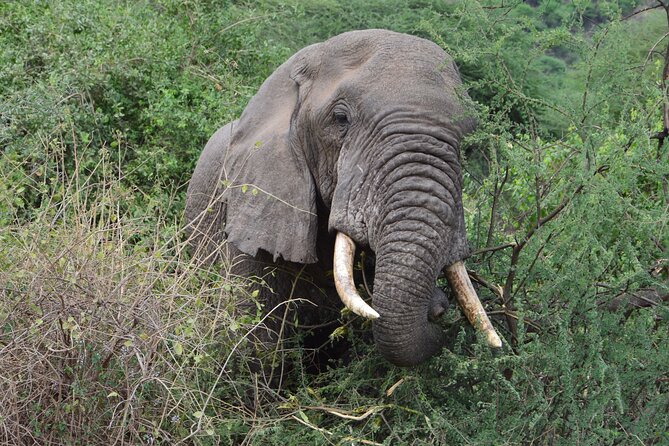
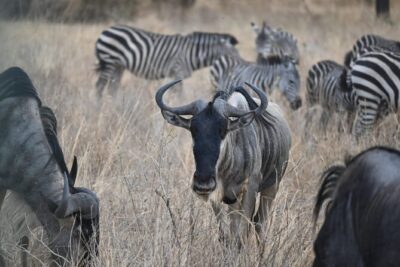
Tarangire National Park is a fine opening act. Its famous baobab trees give the park a distinctive look, while large elephant herds are its main draw. From June through November, the dry season can bring large groups of zebra, wildebeest, and Cape buffalo. Water sources become especially important then, helping concentrate animals.
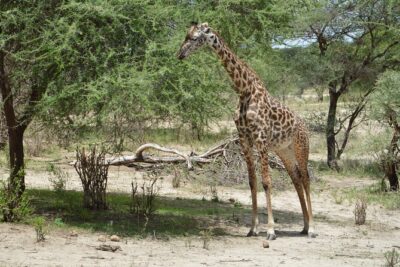
Your first day includes lunch before an afternoon game drive and about six hours at the park. That gives you enough time to settle into the vehicle, learn how the guide works, and start identifying the common species: giraffe, impala, waterbuck, dik-dik, eland, Grant’s gazelle, vervet monkey, baboon, and banded mongoose.
Predators are also present. Lion, leopard, cheetah, caracal, honey badger, and African wild dog are listed among Tarangire’s species, though spotting the less common animals depends heavily on timing and luck. A skilled guide can help, but no guide can order a leopard onto the road.
Tarangire is also a useful contrast to the Serengeti. Instead of endless open plains, you get more trees, thicker cover, and the sculptural baobabs. If elephants are high on your wish list, this first park may become one of the trip’s best stops.
Day 2: Entering the Serengeti through the highlands
After breakfast, the route passes through the high farmland around Karatu and the Ngorongoro Conservation Area before descending toward Serengeti National Park. This is a long transfer, but it is not dead time. The change from cultivated highlands to open grassland helps you understand how quickly the region shifts from settled country to protected wildlife area.
The central Serengeti, called the Seronera area, is the main focus. The Seronera River provides water, and that makes the area useful for a wide range of wildlife. You arrive around lunchtime, then head out for an afternoon game drive.
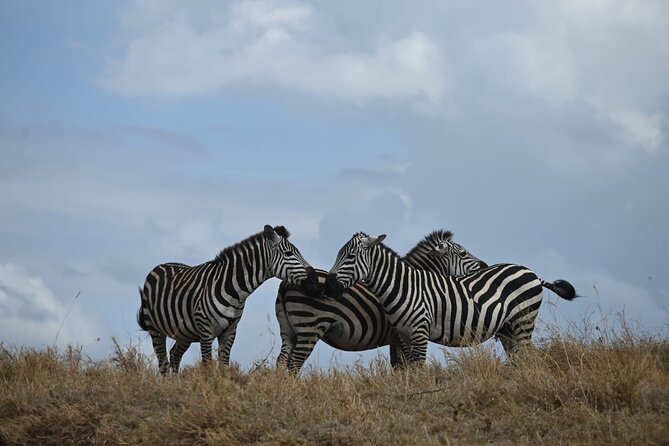
This is where the safari’s large-scale feel begins. The Serengeti is known for plains that stretch far into the distance, and the open setting can make animal spotting easier in some places. It can also make wildlife seem far away, so patience matters. Use the guide’s spotting skills and bring binoculars if you own them. Binoculars are not listed as included equipment.
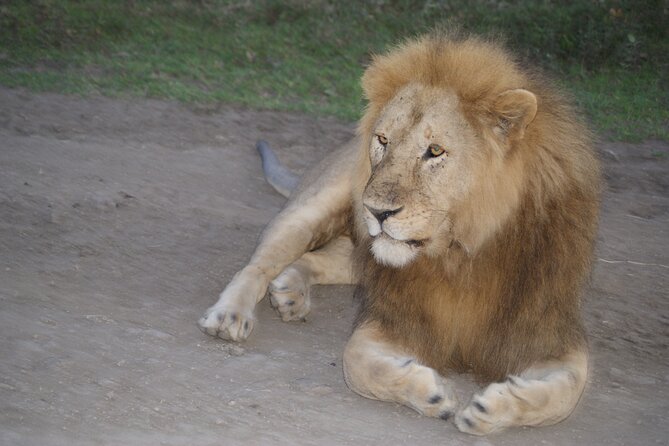
The afternoon drive is a sensible use of the day. You get a first look at the central park without sacrificing the next morning’s wildlife time. The Serengeti is the place to hope for lions, cheetahs, hyenas, giraffes, zebra, buffalo, and wildebeest, with the possibility of seeing the Big Five across the full route.
The drive from Tarangire to the Serengeti is one of the practical costs of seeing several parks in only four days. You will cover substantial ground. If you prefer slow mornings, long stays in one camp, and time to sit quietly between drives, a longer safari would suit you better.
Day 3: A long morning in the Serengeti
Day three begins with coffee, tea, and biscuits before an early game drive. The scheduled drive runs from about 8:00 to 14:30, with lunch boxes provided. That is a long stretch in the vehicle, but it is also one of the best uses of time on a short safari.
Morning drives give you another chance to find animals missed the day before. The Serengeti’s predators may be active, and the cooler start can make the drive more comfortable than a hot afternoon outing. The guide’s ability to read tracks, animal movement, and reports from other vehicles becomes particularly useful here.
The trip then leaves the Serengeti for the Ngorongoro Conservation Area, with wildlife viewing along the way. Dinner and overnight arrangements follow in the conservation area. This transition lets you continue watching for animals instead of treating the transfer as a blank travel day.
The schedule is demanding. You will spend several hours in the vehicle, then move camp or accommodation areas after the game drive. That is normal for a three-park safari compressed into four days, but it is worth knowing before you book. The experience favors active visitors who are happy to trade comfort and leisure for more viewing time.
More Overnight Safaris in Tanzania
- 6 Days Tanzania Budget Camping Safari
★ 5.0 · 145 reviews - 3 Day Serengeti National Park & Ngorongoro Crater Camping Safari
★ 5.0 · 142 reviews - Multi-Day Tanzania Odssey Safari from Arusha
★ 5.0 · 120 reviews - 3 Days Tarangire, Ngorongoro & Lake Manyara Group Camping Safari
★ 5.0 · 102 reviews
Day 4: Descending into Ngorongoro Crater
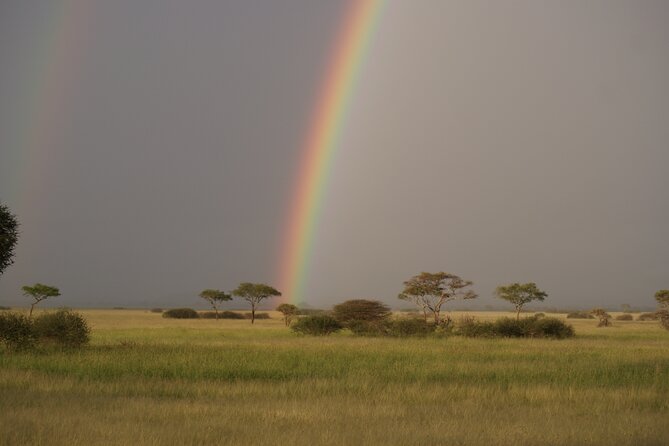
The final day starts early with coffee before you descend more than 600 meters into Ngorongoro Crater. The crater is the route’s most contained wildlife area. Its year-round water and grazing help support wildebeest, zebra, buffalo, eland, warthog, hippo, and large African elephants.
The crater is also known for its predator population. Lions, hyenas, jackals, cheetahs, and leopards are found here. Leopards can be hard to spot, so keep your eyes open and let the guide direct your attention. The trip also visits Lake Magadi, a large, shallow alkaline lake in the crater’s southwest corner.
This final game drive gives the safari a strong finish. After the broad plains of the Serengeti and the wooded setting of Tarangire, the crater feels more enclosed and concentrated. You may find more animals gathered in a smaller area, though the number and visibility of sightings still depend on conditions.
Ngorongoro is also one of the two UNESCO World Heritage sites included on the route, with the Serengeti providing the other. That adds cultural and natural importance to the trip, but the real appeal is practical: the crater brings together water, grassland, predators, and large herds in one dramatic setting.
Camping comfort: basic, useful, and part of the deal
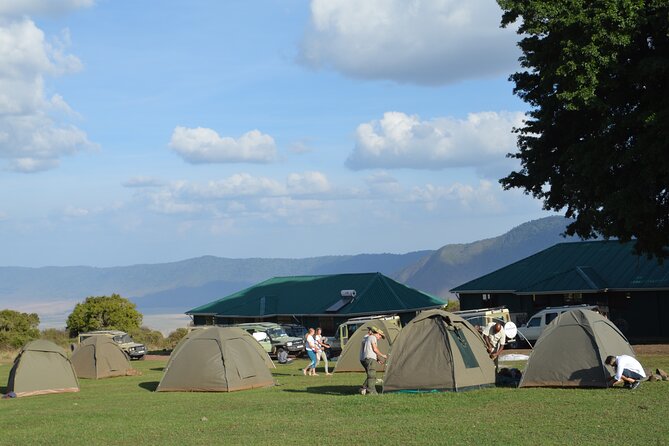
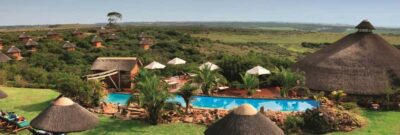
This is camping, not a luxury tented camp. The equipment and meals are included, which keeps the trip simple, but the accommodation is described as basic. Some tents may feel small, especially if you have bulky luggage or are used to lodge rooms.
Pack light. Towels and sun cream are specifically recommended, and you should take that advice. A small bag is easier to manage around camp and in the safari vehicle. Bring clothing that works for cool mornings, warm afternoons, dust, and sun. The supplied information does not promise private bathrooms or hotel-style facilities, so do not book this expecting resort comfort.
The food receives strong praise. Meals are included at breakfast, lunch, and dinner, and Tito, the cook, is specifically praised for his work. Other reports describe the meals as adequate or very good, which suggests dependable safari cooking rather than a fine-dining program.
The camping setup may be the biggest gap between expectation and reality. If you accept that the tents are functional and the nights may feel rough, the arrangement helps keep the price reasonable. If a proper bed, spacious room, and private facilities are essential, consider a lodge-based safari instead.
Guides, drivers, and the value of a small group
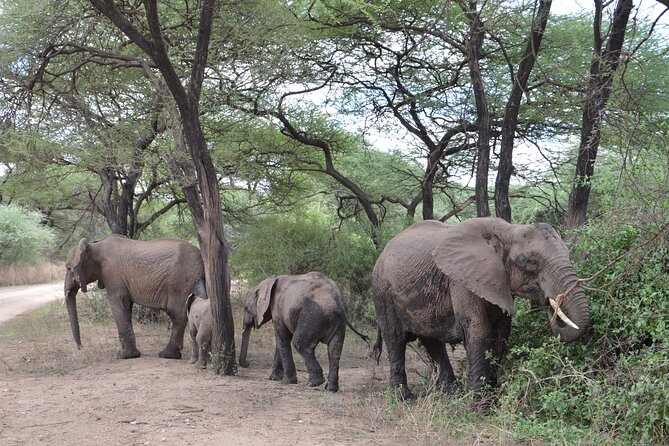
The guide can make or break a safari, and this trip receives its strongest praise in that area. Amir is singled out for finding the Big Five and maneuvering the vehicle into good viewing positions. Mandela is also praised as a good driver and guide.
Those details matter more than polished sales language. On safari, animal spotting is part skill, part timing, and part luck. A guide who knows where to look and how to position the vehicle can turn a distant movement into a useful sighting without rushing past it.
The maximum group size is six. That gives the experience a more personal feel and makes it easier to ask questions about animal behavior and the local ecosystem. The tour specifically promises instruction about the ecosystem, so use the driving time to ask about the parks, seasonal changes, and the species you encounter.
The trip is recommended by all recorded ratings shown for it, with a five-star average from 1,101 ratings. That is a strong signal of consistent satisfaction, especially when the comments repeatedly praise the guide, driver, cook, and organization. It does not erase the basic camping conditions, but it suggests the operating team handles the demanding route well.
Who should book this safari?
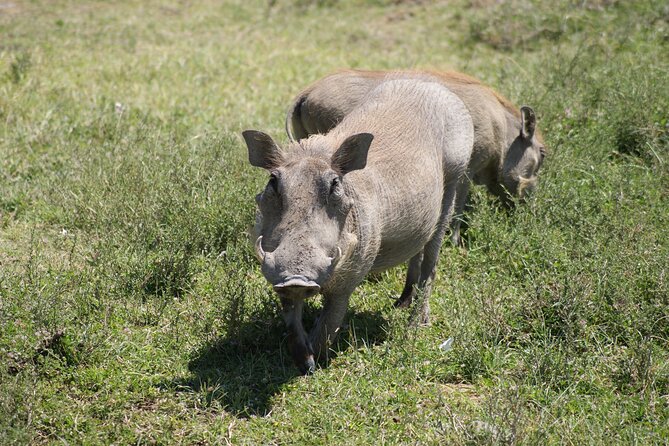
I would choose this trip if you have only four days, want three famous parks, and care more about wildlife access than soft bedding. It fits first-time safari visitors, couples on a practical budget, small groups of friends, and families who can manage early starts and long drives.
It is also a good choice if seeing a broad range of animals is your main goal. Tarangire offers elephants and baobabs, the Serengeti brings wide plains and predator potential, and Ngorongoro gives you a final concentrated wildlife drive.
I would hesitate if you dislike camping, need spacious sleeping quarters, or want a relaxed pace. The route covers a lot of ground, and the schedule includes long game drives plus transfers between areas. Four days is enough for a memorable introduction, but it is not enough for every corner of these parks.
Pickup is offered, the ticket is mobile, and booking confirmation is provided at the time of reservation. The activity is near public transportation, and most people can participate. Free cancellation is available until at least 24 hours before the start time, based on local time.
FAQ
How long is the safari?
The safari lasts approximately four days.
Which parks and wildlife areas are included?
The route includes Tarangire National Park, Serengeti National Park, the Ngorongoro Conservation Area, and Ngorongoro Crater.
How much does the safari cost?
The listed price is $900 per person.
What is the maximum group size?
The activity accepts a maximum of six travelers.
Are meals included?
Yes. Breakfast, lunch, and dinner are listed as included throughout the experience.
Is camping equipment included?
Yes. Camping equipment is included, although the camping facilities are basic.
Does the tour include pickup?
Yes. Pickup is offered.
Can I cancel for a full refund?
Yes, if you cancel at least 24 hours before the experience starts. Cancellations made less than 24 hours ahead are not refunded.
Which UNESCO World Heritage sites does the route visit?
The route visits two UNESCO World Heritage sites in the Serengeti and Ngorongoro areas.
Should you book it?
Book this safari if you want maximum wildlife variety in a short time and can accept basic camping. The strongest reasons are the three-park route, six-person maximum, included meals, and repeated praise for guides such as Amir and Mandela, plus cook Tito.
Skip it if you want luxury, slow travel, or generous sleeping space. At $900, the value comes from coverage and organization, not comfort. For an active visitor who wants elephants, lions, zebra, buffalo, hippos, and a real shot at the Big Five, this is a well-focused introduction to Tanzania’s northern safari circuit.
More 4-Day Experiences in Arusha
- 4-Day Safari from Arusha: Tarangire, Serengeti and Ngorongoro
★ 5.0 · 173 reviews - 4 Days safari Tour Tanzania
★ 5.0 · 159 reviews - 4 Days Tarangire, Serengeti and Ngorongoro Mid-Range Group Safari
★ 5.0 · 84 reviews - 4 Days Tanzania Lodge Safari With Two Nights at Serengeti
★ 5.0 · 62 reviews
Newest safaris around Arusha
- Serengeti & Ngorongoro fly in safari★ 5.0 · 76 reviews
- 7 days great migration safari★ 5.0 · 77 reviews
- 5 days safari, hiking & culture (Serengeti & kilimanjaro)★ 5.0 · 27 reviews
- 6 days Tanzania budget safari★ 5.0 · 65 reviews
- 3 Days Tanzania Budget Group Joining Safari Tour★ 5.0 · 16 reviews
- Amazing 4 Days Tanzania Budget Camping Group Joining Safari★ 5.0 · 15 reviews
- 4 days safari★ 5.0 · 34 reviews
- 2 Day Budget Safari in Tarangire and Ngorongoro From Arusha★ 5.0 · 10 reviews
Overnight & Camping Safaris, compared.

Overnight Safari, Dinner, Stargazing & Al Khayma Camp
Read our review →
Dubai Overnight Desert Safari, BBQ & Stargazing at Al Khayma Camp
Read our review →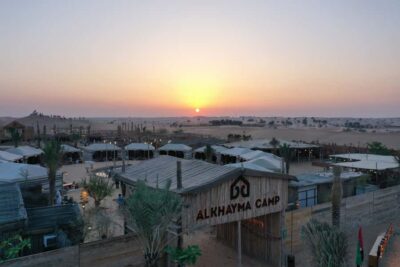
3 Days Serengeti & Ngorongoro Group Camping Safari
Read our review →
Overnight Camel Safari – Sleeping under the Stars
Read our review →Browse the lists this tour appears in