
Review · ARUSHA, TANZANIA
4 days safari
Catch the wild heart of northern Tanzania. This five-day safari from Arusha packs four major parks into one busy route, with Tarangire elephants, Serengeti predators, Ngorongoro’s crater, and Lake Manyara on the schedule. I like the small maximum group of six and the strong emphasis on guides such as Joel, Joseph, Jackson, and Joachim, who are praised for animal knowledge, safety, and good camp cooking. The main drawback is the amount of driving and the basic camping style, plus a confusing listing that calls the trip both four and five days.
The price is $1,300 per person, including park fees, four breakfasts, four dinners, and five lunches. That can be fair value for a safari covering four well-known areas, but you should confirm exactly where you sleep, what vehicle is used, and how the meals are arranged before paying. The published plan also contains a few timing gaps, so a quick check with Making Memories In Africa is wise.
Key details before you book
- Four major wildlife areas in one trip: Tarangire, Serengeti, Ngorongoro Conservation Area, and Lake Manyara all feature in the route.
- Small group size: The vehicle is limited to a maximum of six participants, which matters when everyone wants a window or a clear view.
- Camping is part of the experience: Overnight stops are listed at budget camping, Simba Campsite, and Panorama Campsite.
- Strong guide and cook praise: Joel, Joseph, Jackson, and Joachim are repeatedly singled out for animal knowledge, care, and food.
- Long safari days: Most listed park days run for about six hours, with additional time needed for road transfers between parks.
- Flexible cancellation: You can cancel for a full refund up to 24 hours before the scheduled start time.
A five-day route through Tanzania’s northern parks
This is a classic northern Tanzania circuit. It begins in Arusha, heads to Tarangire, continues west toward the Serengeti, drops into Ngorongoro Crater, and ends near Lake Manyara before returning you to a hotel.
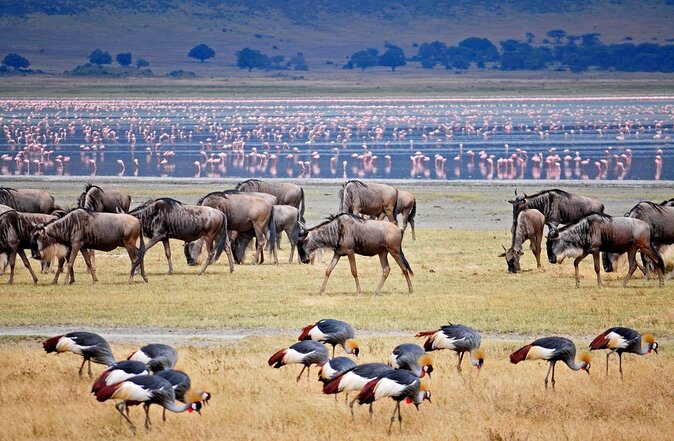
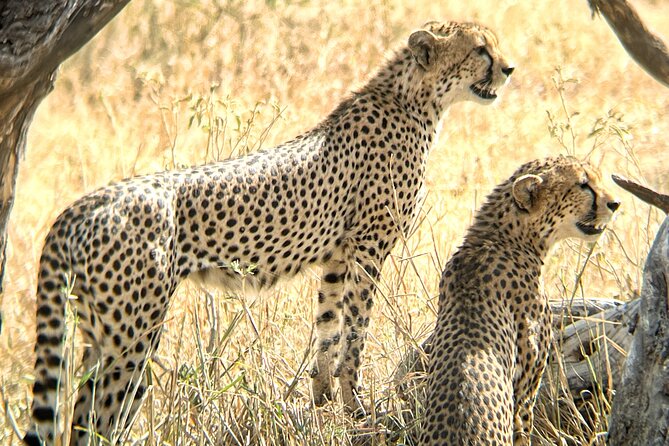
That route gives you variety. Tarangire is known for elephants and baobabs. The Serengeti offers the best chance of seeing large numbers of plains animals and predators. Ngorongoro brings wildlife into a compact crater setting, while Lake Manyara adds a different ecosystem and a short cultural stop at a Maasai village.
The trade-off is simple: you see a lot, but you spend plenty of time on the road. This is not a slow safari based in one lodge. It is a full circuit, and you should expect early starts, dusty roads, changing camps, and long days in a safari vehicle.
The schedule has a minor problem worth addressing before departure. The experience is described as both a four-day and five-day safari, while the day-by-day plan clearly runs from Day 1 to Day 5. Day 3 is also listed as six minutes rather than six hours. That looks like a scheduling error, but you should ask for the final plan in writing.
A few more safaris around Arusha worth a look
- 4 Days Group Camping Safari
★ 5.0 · 1,101 reviews - 4-Day Safari from Arusha: Tarangire, Serengeti and Ngorongoro
★ 5.0 · 173 reviews - 4 Days safari Tour Tanzania
★ 5.0 · 159 reviews
Day 1: Elephants and baobabs in Tarangire
Pickup is offered from your Arusha accommodation, although the stated meeting point is Shoppers Supermarket in Arusha. Confirm the exact pickup arrangement, since these two details are not quite the same.
The first park is Tarangire National Park. The park is especially associated with large elephant herds, baobab trees, and the Tarangire River. That river flows throughout the year and becomes a key water source during the dry season, when animals gather nearby.
I like Tarangire as an opening stop because it gives you an immediate sense of Tanzania’s scale without waiting for the Serengeti. The baobabs also give the park a distinct look. They are often called the Tree of Life, and their thick trunks make striking photographs against the open country.
The plan allows about six hours in the park. That is enough time for a proper game drive, but the total day will be longer once the journey from Arusha is included. You may see elephants, lions, and other animals, but no safari can promise a particular sighting. The appeal here is the mix of wildlife and unusual plant life, not just a checklist of species.
Day 2: The long road to the Serengeti
After breakfast, you head toward the central Seronera area of Serengeti National Park. This is a major transfer day, with about six hours listed for the activity. In reality, the full journey can feel longer once park roads, stops, and wildlife viewing are included, so bring patience.
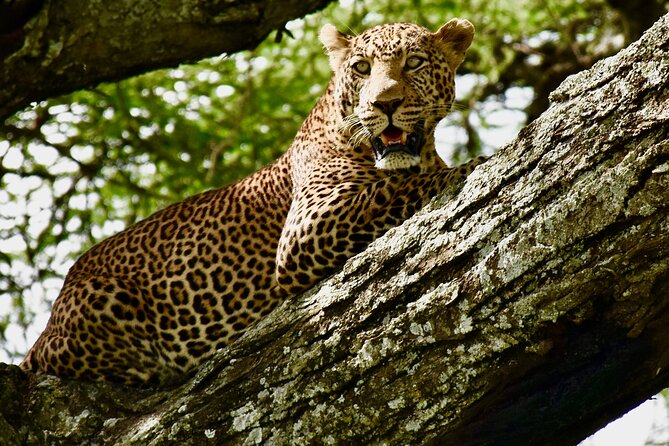
Central Seronera is a useful base because it is associated with resident wildlife. The area is known for lions, leopards, elephants, buffalo, and other plains animals. Leopards are particularly linked with the Seronera region, though spotting one is never guaranteed.
The Serengeti is also part of the wider migration system. The supplied description refers to around 200,000 zebras and 300,000 Thomson’s gazelles moving with wildebeest in search of fresh grazing. The exact location of these animals changes with the season, so ask about current conditions rather than assuming the migration will be beside camp.
The first Serengeti night is listed as budget camping. This keeps the price below many lodge-based safaris, but it also means fewer comforts. You should be comfortable with a simple outdoor setup and with the practical limits of camping in a remote park. The reward is that your accommodation remains close to the setting you came to see.
Day 3: More time in central Serengeti
Day 3 again focuses on central Seronera. That is a good choice for wildlife because an additional day in the same area gives your guide more time to search for predators and follow useful sightings instead of rushing immediately onward.
The written schedule repeats the Day 2 description and gives the activity length as six minutes. Treat that figure as something to clarify. A second Serengeti day is clearly intended, but you need to know how much actual game-drive time is planned and where you will sleep.
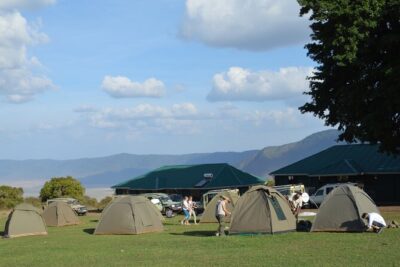
The overnight stop is listed as Simba Campsite. The plan does not provide detailed campsite facilities, so ask whether tents, sleeping equipment, showers, and other camping needs are supplied or whether you must bring anything. Do not assume that every camp offers lodge-style amenities.
A strong part of this safari is the human side. Joel is repeatedly praised for knowing the parks, finding good viewing positions, explaining animal behavior, and helping people feel safe. Joseph is also singled out for answering questions and looking after the group. If your guide is one of them, that can add real value, but guide assignments can change.
The food is another bright spot. Joachim, also called Mr. D or Mr. Delicious in the supplied comments, is praised for preparing excellent meals in camp. That matters more than it may sound. After a long road day, a hot, satisfying dinner can make basic camping feel far easier.
Same region, a very different drive:
- Balloon Safari & Bush Breakfast in Serengeti – Miracle Experience
★ 5.0 · 1,646 reviews - 5 Days Group Camping Safari
★ 5.0 · 730 reviews - 3 Days Serengeti & Ngorongoro Group Camping Safari
★ 5.0 · 574 reviews - 7-Day Premium Luxury Tanzania Safari All-Inclusive
★ 5.0 · 426 reviews
Day 4: Wildlife inside Ngorongoro Crater
The fourth day takes you to the Ngorongoro Conservation Area for an early game drive. Ngorongoro Crater is the world’s largest caldera, and its enclosed shape creates one of Tanzania’s most concentrated wildlife settings.
The plan refers to roughly 25,000 animals in the crater. That concentration is the main reason this stop is so popular. Instead of scanning a huge open plain, you are exploring a dramatic natural bowl where grassland, water, and steep crater walls help bring animals into view.
The scenery is one of the great rewards. The crater highlands feel different from the Serengeti, and the change keeps the route interesting. You may see a wide range of wildlife here, including some of the species associated with the Big Five, but sightings still depend on timing and luck.
An early start is important. The schedule calls for breakfast before leaving, but it does not give a precise departure time. Ask for that detail, since crater game drives are best treated as a morning priority rather than a casual afternoon outing.
Your overnight stop is Panorama Campsite. The name suggests a scenic setting, but the supplied information does not specify the facilities or exact view. Ask what is included in the camping setup, especially if you have never camped on safari.
Day 5: Lake Manyara and a Maasai village visit
The last day heads toward Lake Manyara National Park, with a visit to a Maasai village along the way. This adds a cultural element to a trip that is otherwise focused heavily on wildlife.
Lake Manyara takes its name from the Maasai word for the Euphorbia tirucalli plant. The plant can be used as a durable hedge for livestock enclosures, and a specimen is displayed at the park entrance. That small detail gives you a useful link between the park’s name, local land use, and the people who live in the region.
The route also passes through the Great Rift Valley. The fault system stretches about 8,000 kilometers from Turkey to the mouth of the Zambezi River in Mozambique. The park’s position near this huge geological feature adds another layer to the day, especially if you enjoy seeing how landforms shape wildlife habitats and human settlement.
The itinerary lists about six hours for Lake Manyara, followed by an afternoon transfer to a hotel. It does not name the hotel or say whether accommodation that night is included, so confirm this point. It also does not clearly state how much time is spent in the park compared with the village and the onward drive.
Lake Manyara makes a sensible final stop because it breaks up the return route and gives you one last game drive. Still, the final day may feel crowded after several days of camping and long transfers. If you want a relaxed finish, ask if the plan can be adjusted.
What the $1,300 price really covers
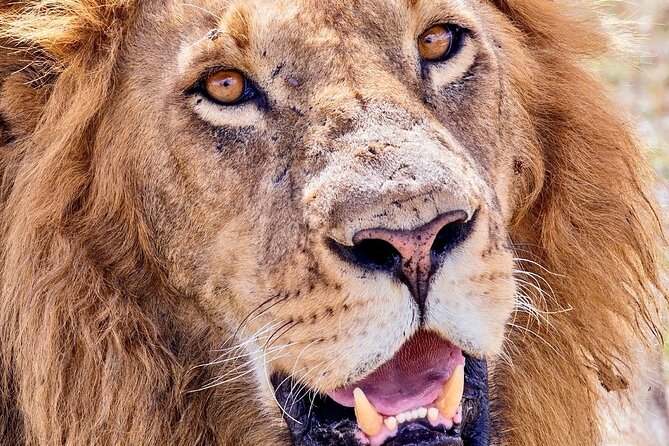
At $1,300 per person, this safari is priced as a mid-range camping circuit rather than a luxury trip. The value comes from the number of major parks covered, the small group limit, the included meals, and the park fees.
Included items are:
- All fees and taxes
- Four dinners
- Five lunches
- Four breakfasts
The wording suggests that meals are built into the price throughout the route, but it does not spell out which meal is served on each day. Ask for a meal schedule if you have allergies, dietary needs, or a strong preference for breakfast before early drives.
The price does not include personal expenses, tips or gratuities for the guide and safari cook, or visas. Tipping is not a small matter on a camping safari, so plan for it separately. The final amount also depends on whether you need airport transfers, extra hotel nights, or equipment not supplied by the operator.
I see good value here for someone who wants four important northern Tanzania destinations in one trip without paying lodge prices. I would be more cautious if you expect private rooms, polished hotel service, or a slow pace.
Guides, food, and the feel of a small group
The strongest pattern in the feedback is praise for the staff. Joel is described as warm, careful, and highly informed about animals and vegetation. Joseph is praised for answering questions and creating a safe, friendly atmosphere. Jackson is also described as fun and full of useful facts.
These details matter because your guide shapes the entire safari. A good guide does more than point at animals. He helps you understand behavior, chooses safe viewing positions, manages the vehicle around other vehicles, and keeps a long drive from becoming dull.
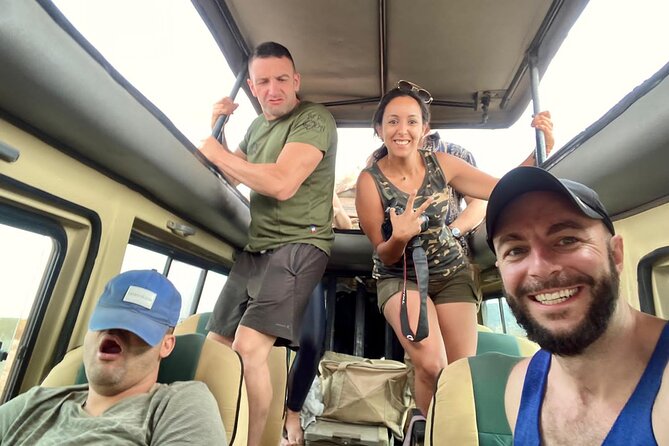
The small group limit of six is another advantage. You have a better chance of getting a window seat and a clear view than in a large coach. It can also make meals and camp routines more social. The downside is that you have less privacy, and everyone must agree on the day’s rhythm.
The cook is part of the experience too. Joachim receives especially warm praise for the food. Since four dinners, five lunches, and four breakfasts are included, his cooking can make the camping portion feel much more comfortable than the price might suggest.
Camping, driving, and practical comfort
This is a camping safari, not a lodge safari. Budget camping is listed in the Serengeti, followed by Simba Campsite and Panorama Campsite. The descriptions do not explain tent size, bedding, toilets, showers, electricity, or charging access, so ask before you arrive.
Expect a trip built around roads and game drives. Most days are listed at around six hours, but that does not include every transfer or stop. Pack a small bag with water, sun protection, a light layer, and anything you need during the day. Keep larger luggage manageable, since the vehicle must carry everyone’s belongings and camping supplies.
The maximum group size is six, and most participants can take part. The activity is near public transportation, though pickup is offered and the published meeting point is Shoppers Supermarket in Arusha. Confirm the pickup time and location directly.
A mobile ticket is offered, and confirmation is sent at booking. The cancellation policy allows a full refund if you cancel at least 24 hours before the start time. Cancellations within 24 hours are not refunded, and the operator may offer a new date or full refund if the minimum group size is not reached.
Who should choose this safari?
I would point this trip toward you if you want a broad first look at northern Tanzania, enjoy wildlife more than hotel luxury, and are happy to camp. It suits people who want elephants, big cats, crater scenery, and several different parks in one organized route.
It is also a good match if you value a small vehicle and an involved guide. The repeated praise for Joel, Joseph, Jackson, and Joachim suggests that staff care is a major strength of the operation.
I would think twice if you dislike long road journeys, need guaranteed private accommodation, or want a carefully confirmed hour-by-hour plan. The schedule needs clarification, especially the four-day versus five-day title, the six-minute entry on Day 3, and the final hotel arrangement.
Should you book this safari?
Book it if you want a busy, good-value safari circuit with four major destinations, a group of no more than six, and camping supported by a dedicated cook. The combination of Tarangire, central Serengeti, Ngorongoro Crater, and Lake Manyara gives you a lot for one price.
Before booking, ask for the corrected five-day schedule, the exact pickup plan, the campsite facilities, the final hotel details, and the equipment supplied. If those answers suit your comfort level, $1,300 can be a sensible price for a wildlife-focused introduction to northern Tanzania.
FAQ
How long is the safari?
The day-by-day plan runs from Day 1 through Day 5, so it is a five-day safari. The experience title also refers to four days, and Day 3 contains a six-minute timing entry, so confirm the final duration with the provider.
Where does the safari start?
The stated meeting point is Shoppers Supermarket in Arusha, Tanzania. Pickup from your accommodation in Arusha is also offered, so confirm which arrangement applies to you.
Which parks and conservation areas are included?
The route includes Tarangire National Park, Serengeti National Park, Ngorongoro Conservation Area, and Lake Manyara National Park.
How many people can join the safari?
The activity has a maximum of six participants.
What type of accommodation is provided?
The plan lists budget camping in the Serengeti, Simba Campsite, and Panorama Campsite. It does not give detailed information about tent equipment or facilities, so ask the provider what is supplied.
Are meals included?
Yes. The listed inclusions are four dinners, five lunches, and four breakfasts.
Are park fees and taxes included?
Yes. All fees and taxes are included in the stated price.
Are visas included?
No. Visas and personal expenses are not included.
Are tips included?
No. Tips or gratuities for the driver-guide and safari cook are not included.
Can I cancel for a full refund?
Yes, if you cancel at least 24 hours before the experience start time. Cancellations within 24 hours are not refunded.
Newest safaris around Arusha
- Serengeti & Ngorongoro fly in safari★ 5.0 · 76 reviews
- 7 days great migration safari★ 5.0 · 77 reviews
- 5 days safari, hiking & culture (Serengeti & kilimanjaro)★ 5.0 · 27 reviews
- 6 days Tanzania budget safari★ 5.0 · 65 reviews
- 3 Days Tanzania Budget Group Joining Safari Tour★ 5.0 · 16 reviews
- Amazing 4 Days Tanzania Budget Camping Group Joining Safari★ 5.0 · 15 reviews
- 2 Day Budget Safari in Tarangire and Ngorongoro From Arusha★ 5.0 · 10 reviews
- Best 5 Days Tanzania Private Luxury Safari with luxury Lodges★ 5.0 · 12 reviews
4-Day Experiences, compared.
Private 4-Day Golden Triangle Tour with Ranthambore Tiger Safari
Read our review →
4-Day Safari from Arusha: Tarangire, Serengeti and Ngorongoro
Read our review →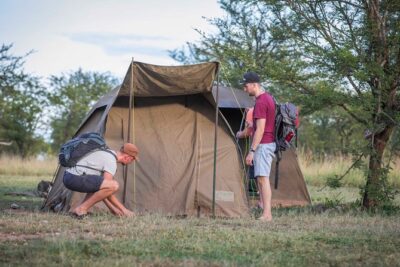
Agadir Jeep Safari Sahara Desert 4×4 Day Tour with Lunch
Read our review →
4 Day Golden Triangle with Ranthambore Tiger Safari Tour from Delhi
Read our review →4-Day Group 4×4 Safari to Masai Mara & Lake Nakuru with Pick-Up
Read our review →Browse the lists this tour appears in