
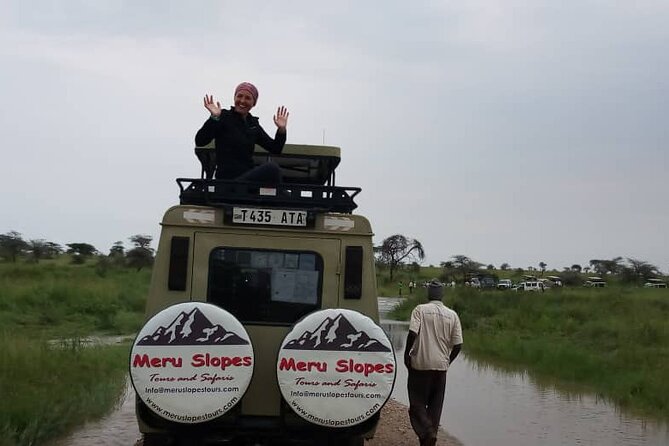
Review · ARUSHA, TANZANIA
6 Days Tanzania Budget Camping Safari
Africa rewards patience, good timing, and a dusty jeep. I like the smart park sequence, which combines elephant country in Tarangire with the open Serengeti, Ngorongoro Crater, and Lake Manyara. I also like the human touch: a Mto wa Mbu food and village walk gives you more than a string of wildlife sightings. The main drawback is the pace. Long drives, early breakfasts, basic camps, and several full days in a vehicle will test anyone who prefers a gentle holiday.
The $1,600 price is strong for six days, since meals, park visits, guiding, camping, selected lodge stays, transfers, water, Wi-Fi in the safari jeep, and emergency rescue cover are included. I would still confirm the exact split between hotel, lodge, and tent nights before paying, because the supplied details describe both six nights and two nights in Arusha, while the daily plan places several nights on safari.
Key points at a glance
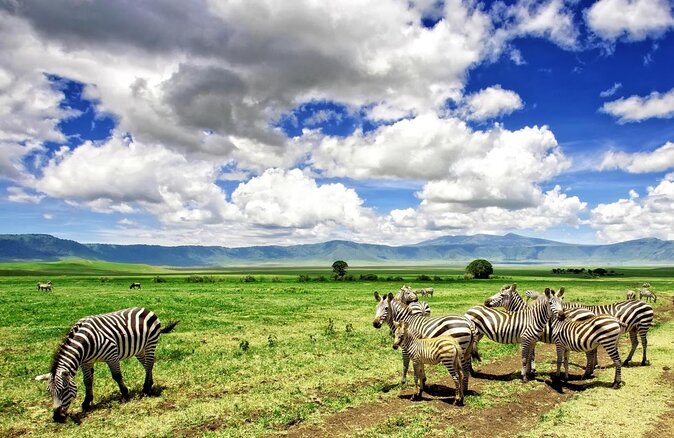
- Four major wildlife areas: Tarangire, Serengeti, Ngorongoro Crater, and Lake Manyara give you a broad view of northern Tanzania.
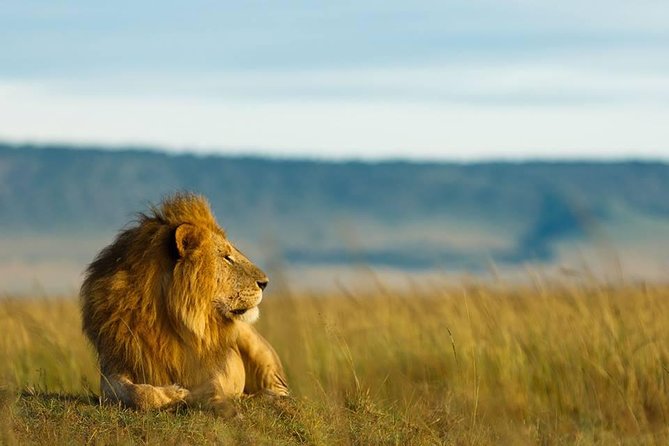
- Two Serengeti game days: You get more time to search for lions, cheetahs, leopards, wildebeest, and other animals rather than making only a quick pass through.
- Migration timing matters: June through September offers the best chance for major movement, while January through March is calving season.
- Small-group format: The safari has a maximum of six people, a useful size for a shared vehicle and easier communication with your guide.
- Culture beyond wildlife: The Mto wa Mbu visit includes village walking, banana plantations, local food tasting, and community projects.
- Strong service reputation: Guides including Nuru, Mohamed, Robert, and Florian receive repeated praise, while cooks such as Gideon, Gadi, and Saleem are also singled out for their work.
Why this six-day route works
This trip follows one of the classic northern Tanzania circuits. You begin near Arusha, visit Tarangire, cross toward the Serengeti, spend two nights around the central plains, continue through Ngorongoro, and finish at Lake Manyara before returning to Arusha.
That order gives each park a different role. Tarangire supplies large elephant herds and baobab trees. The Serengeti offers scale and predator searches. Ngorongoro packs a remarkable amount of wildlife into a crater floor. Lake Manyara adds birds, hot springs, and the possibility of tree-climbing lions.
You should think of this as an active safari, not a resort holiday. Some days begin before sunrise, and several involve many hours in the vehicle. The reward is variety. You are not depending on one park or one type of sighting.
The small-group limit of six is important. A safari vehicle can feel crowded when everyone wants the same view, but six people gives the guide a reasonable chance to position the vehicle and answer questions. The guide matters enormously here. Previous trips have especially praised Nuru, Mohamed, Robert, and Florian for finding animals, explaining what you are seeing, and responding to requests for photo stops.
More Overnight Safaris in Arusha
- 4 Days Group Camping Safari
★ 5.0 · 1,101 reviews - 5 Days Group Camping Safari
★ 5.0 · 730 reviews - 3 Days Serengeti & Ngorongoro Group Camping Safari
★ 5.0 · 574 reviews
Tarangire on day one: elephants, baobabs, and a long first drive
Pickup is scheduled from an Arusha hotel at 8 a.m. The drive to Tarangire takes about three hours, and the park lies roughly 115 kilometers from Arusha. That makes this a full opening day, with little time for a slow start.
Tarangire covers about 2,800 square kilometers and takes its name from the Tarangire River. Water draws wildlife to the river, especially in dry periods, and the park is best known for its elephants. The baobabs give the park a distinctive look, while pythons that climb trees are another unusual feature.
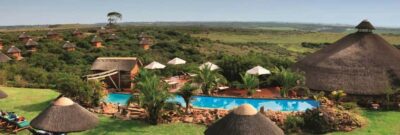
You may also search for lions, leopards, and other mammals during the game drive. The schedule allows about eight hours in the park, followed by dinner and overnight accommodation at Jambo Lodge.
I like Tarangire as a first stop because it gives you an immediate sense of Tanzania’s wildlife without requiring the longest transfer of the trip. The drawback is simple: after an early pickup and three-hour drive, the first game drive can feel demanding. Bring water, sun protection, and a camera that you can use without constantly unpacking your bag.
Crossing to Serengeti on day two
Day two begins with breakfast, luggage loading, and an en-route game drive toward the Serengeti. Lunch is taken in the safari vehicle, so expect a moving day rather than a relaxed transfer.
The route includes views toward the Rift Valley and Ngorongoro Crater. The plan reaches the Serengeti at about 3 p.m., followed by an evening drive in the central Seronera area. You finish with dinner and an overnight stay at a campsite inside the park.
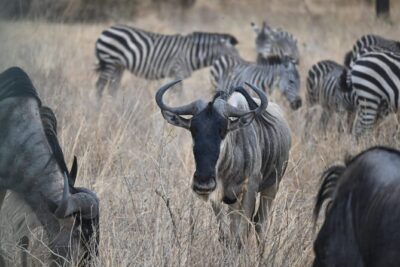
The Serengeti is famous for its endless open plains and the annual movement of roughly 1.5 million wildebeest and other grazing animals. That scale is hard to grasp from a brochure. You notice it through the long horizons, scattered herds, and the steady search for predators following the food supply.
This day has a clear tradeoff. You spend many hours driving, but the route itself becomes part of the safari. Keep your phone or camera ready, since views of the Rift Valley and Ngorongoro can be as memorable as a formal viewpoint.
Two chances to search the Serengeti
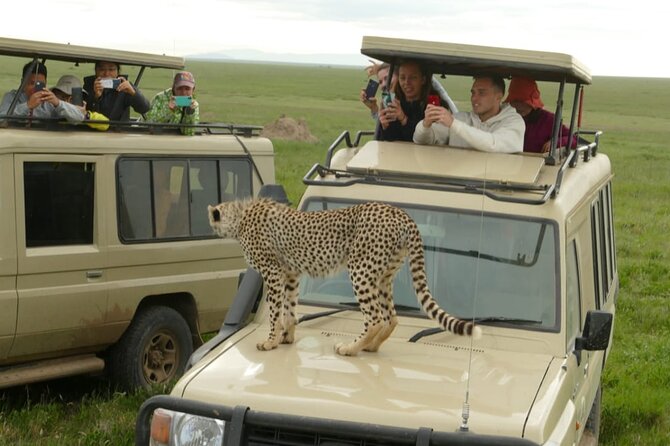
Day three is the trip’s main wildlife day. After an early breakfast, you spend the day on game drives in the Serengeti, with the guide directing the vehicle toward areas where animals are active.
That extra full day matters. Wildlife does not perform on a timetable, and a single afternoon can produce a lucky sighting while another day requires patient searching. The guide’s local contacts and radio communication may help identify current animal locations, although no guide can promise a particular sighting.
The migration calendar is worth taking seriously. June through September is presented as the best period for following the major movement, with July through September offering a chance of seeing wildebeest near the northern Serengeti and Mara River crossings. January through March is the calving season.
Do not book this trip only because you expect a river crossing. Migration routes shift each year, and the animals may be far from the area you visit. The Serengeti remains worthwhile outside those periods, but your expectations should match the season.
The published experience has a 5 rating and a 100 percent recommendation rate from 145 reviews. That praise focuses heavily on guides who locate animals and adapt the day to what is happening in the park. Mohamed, known by some as Moody, is praised for keeping people informed about animal activity. Nuru is repeatedly recognized for both his wildlife knowledge and friendly manner.
More Overnight Safaris in Tanzania
- 2 Days Tarangire and Ngorongoro Group Camping Safari
★ 5.0 · 146 reviews - 3 Day Serengeti National Park & Ngorongoro Crater Camping Safari
★ 5.0 · 142 reviews - Multi-Day Tanzania Odssey Safari from Arusha
★ 5.0 · 120 reviews - 3 Days Tarangire, Ngorongoro & Lake Manyara Group Camping Safari
★ 5.0 · 102 reviews
Early Serengeti morning, then toward Ngorongoro
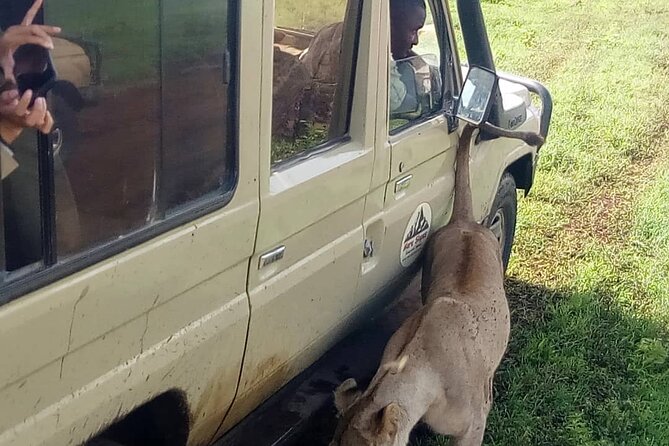
Day four begins at 5:45 a.m. with breakfast and a sunrise game drive. You continue until about 11:30 a.m., return to camp for a hot lunch, pack the vehicle, and continue through the Serengeti toward Ngorongoro.
This early start is one of the best parts of the plan for serious wildlife watchers. Dawn is a cooler time for driving, and animals may be active before the heat of the day builds. It is also the point when the camping format becomes clear: you need to organize your luggage quickly and keep essentials easy to reach.
The afternoon includes more game viewing while heading toward Simba Campsite near Ngorongoro. Dinner and overnight accommodation follow there.
The schedule is busy, but it avoids wasting a full day on a simple transfer. You continue looking for animals while changing areas. On the other hand, you will not have much personal downtime. If you need a quiet afternoon after several long drives, this route offers very little of it.
Ngorongoro Crater: a concentrated wildlife day
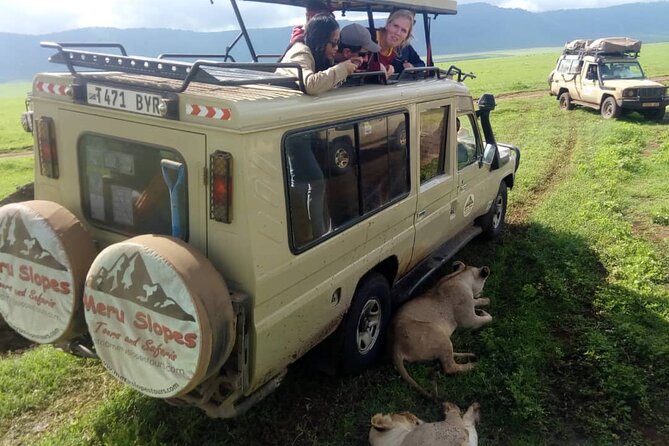
The next morning begins around 5:30 a.m. After breakfast, you descend into Ngorongoro Crater for six to seven hours of game viewing on the crater floor.
Ngorongoro is special because the crater creates a compact setting where many animals can be seen in a relatively concentrated area. The planned sightings include the Big Five, birds, and black rhinoceros. Flamingos may gather around the water, adding color to an already busy wildlife day.
Lunch is taken inside the crater while you continue watching the natural surroundings. That is practical, since returning to camp would cost valuable game-drive time.
After ascending, you collect luggage from the campsite and continue toward Jambo Lodge for dinner and overnight accommodation. The day also includes the Mto wa Mbu cultural visit, described as a walk lasting about an hour.
There is a possible timing issue here. A six-to-seven-hour crater visit, the ascent, luggage collection, and a village walk make day five very full. Confirm the exact order with the operator before departure, since the day plan also describes Mto wa Mbu after breakfast in a separate section. The experience is likely to work best when you treat the cultural stop as a flexible afternoon activity rather than expecting a leisurely village tour.
Mto wa Mbu: a welcome change of pace
Mto wa Mbu gives you a break from the vehicle and shifts attention from animals to daily life. The program includes a walking tour, banana plantations, local food tasting, and contact with community projects.
I like this addition because it provides context for the region. A safari can otherwise become a series of parks viewed through a window. Walking through a village and tasting Tanzanian food gives you a more grounded sense of the people and places surrounding the parks.
The visit is brief, listed at about one hour, so do not expect a full-day cultural program. Its value comes from adding a different kind of experience to a wildlife-heavy schedule. You may also find the pace more personal than a standard roadside stop, since the program is designed around local activities and community projects.
Lake Manyara on the final safari day
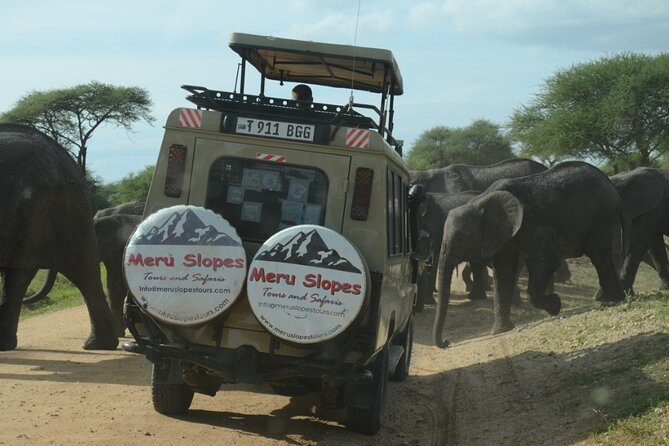
After breakfast, you head to Lake Manyara National Park for a full-day game drive. The park is known here for possible tree-climbing lions, flamingos attracted by algae in the lake, and a hot spring.
Lake Manyara changes the rhythm again. Compared with the wide Serengeti plains, the park offers a different mix of water, woodland, birds, and mammals. Flamingos are not guaranteed, and bird numbers can vary, but the lake adds a strong visual contrast to the earlier parks.
The day also includes a visit to a Maasai boma, where you can learn about local culture and traditions. That gives the final day two distinct parts: wildlife in the park and a cultural encounter outside it.
Afterward, you drive back to Arusha for dinner and overnight accommodation. The stated plan says this is day six, but it also includes dinner and overnight accommodation in Arusha. Confirm if your return is expected that evening or the following morning, especially if you have an onward flight.
Camping, lodges, meals, and what $1,600 buys
At $1,600 per person, this is a good-value package if the promised inclusions match your booking confirmation. You receive accommodation, meals, a professional driver-guide, hotel pickup and drop-off, park-related fees, coffee and tea, unlimited mineral water, Wi-Fi in the safari jeep, and AMREF Flying Doctors emergency rescue cover.
The food plan includes seven breakfasts, seven lunches, and six dinners, although the tour duration is described as six days. That is another detail worth checking. The package also mentions two hotel nights in Arusha, while the daily schedule includes Jambo Lodge and campsites. Ask for a written night-by-night accommodation plan.
Camping means you should pack for simple conditions. The exact tent setup is not specified, so confirm whether tents are already pitched, what bedding is supplied, and how bathroom facilities work. The strongest practical advice from the available feedback is that the food and service are treated as important parts of the trip. Cooks named Gideon, Gadi, and Saleem receive specific praise.
Alcohol is not included but can be purchased. Flights are also excluded. Pickup and drop-off are included, with the stated meeting point at Arusha Tourist Inn on Sokoine Road. The operator offers return transport from accommodation, so confirm your hotel location in advance.
Who should book this safari?
You should consider this trip if you want to see several headline parks in one compact visit and prefer value over luxury. It suits first-time safari visitors, photographers, wildlife fans, and people who want a small group rather than a large coach.
It also works well for people who want more than animals. The Mto wa Mbu walk, food tasting, banana plantations, and Maasai cultural visit add useful variety.
I would hesitate if you dislike early starts, long vehicle days, shared accommodation, or uncertain wildlife sightings. The word budget matters here. Even with lodge nights and attentive staff, this is not a polished luxury safari with generous free time.
The maximum group size is six, and children must be accompanied by an adult. Most people can participate, but you should be comfortable with uneven days, long drives, and changing accommodation. Free cancellation is available up to 24 hours before the start time. Poor weather may lead to a different date or a full refund.
My verdict on the six-day route
I would book this safari if your priority is seeing northern Tanzania’s major parks without paying luxury-safari prices. The route has real strengths: two Serengeti game days, a full Ngorongoro crater visit, four major wildlife areas, cultural stops, meals, water, and a small group.
Before booking, get three details in writing: the exact accommodation for each night, the true number of days and nights, and how the Ngorongoro and Mto wa Mbu schedule will be arranged. If those points are clear, the experience offers a busy but rewarding introduction to Tanzania, with guides such as Nuru, Mohamed, Robert, or Florian potentially making the difference between simply seeing animals and understanding what you are watching.
FAQ
How long is the safari?
The experience is described as a six-day safari, approximately six days in duration.
What parks and areas does it visit?
The route includes Tarangire National Park, Serengeti National Park, the Ngorongoro Conservation Area and Crater, Lake Manyara National Park, and Mto wa Mbu.
Is hotel pickup included?
Yes. Pickup and drop-off from accommodation are included, and return transport from your accommodation is available.
What is the maximum group size?
The maximum is six travelers.
Are meals included?
Yes. Meals are included according to the schedule, with breakfast, lunch, and dinner provided. Coffee and tea are also included.
Is accommodation included?
Yes. Accommodation is supplied, including camping and lodge or hotel accommodation. Confirm the exact number of nights and the accommodation split before departure.
Can I see the Great Migration?
The safari gives you a chance to follow the migration, but animal movements change each year. June through September is described as the best period for major movement, while January through March is the calving season.
Are flights included?
No. Flights are not included in the price.
Can I cancel for a full refund?
You can cancel at least 24 hours before the experience starts for a full refund. Cancellations or changes made less than 24 hours before the start time are not accepted for a refund.
More 6-Day Experiences in Arusha
- 6 Days Private Budget Safari
★ 5.0 · 163 reviews - 6 days Tanzania budget safari
★ 5.0 · 65 reviews - 6 Day Tanzania Wildlife Mid range Safari
★ 5.0 · 54 reviews - 6 Days Serengeti Safari(hiking waterfalls &coffee tour)
★ 5.0 · 48 reviews
Newest safaris around Arusha
- Serengeti & Ngorongoro fly in safari★ 5.0 · 76 reviews
- 7 days great migration safari★ 5.0 · 77 reviews
- 5 days safari, hiking & culture (Serengeti & kilimanjaro)★ 5.0 · 27 reviews
- 6 days Tanzania budget safari★ 5.0 · 65 reviews
- 3 Days Tanzania Budget Group Joining Safari Tour★ 5.0 · 16 reviews
- Amazing 4 Days Tanzania Budget Camping Group Joining Safari★ 5.0 · 15 reviews
- 4 days safari★ 5.0 · 34 reviews
- 2 Day Budget Safari in Tarangire and Ngorongoro From Arusha★ 5.0 · 10 reviews
Overnight & Camping Safaris, compared.
Overnight Safari, Dinner, Stargazing & Al Khayma Camp
Read our review →
Dubai Overnight Desert Safari, BBQ & Stargazing at Al Khayma Camp
Read our review →
3 Days Serengeti & Ngorongoro Group Camping Safari
Read our review →Browse the lists this tour appears in