
Review · TAHITI, FRENCH POLYNESIA
Crossing Over Tahiti Island Safari 4×4
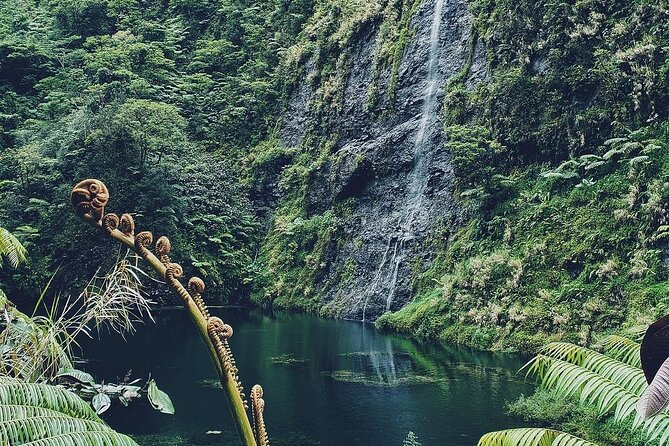
Tahiti’s best scenery hides beyond the paved road. This 8-hour 4×4 safari crosses the Papenoo Valley through rainforest, rivers, waterfalls, mountain streams, and archaeological sites that are difficult to reach on your own. I like the access to Tahiti’s little-seen interior, and I like the small-group format with local guides such as Noah, Hotu, Eric, Pito Augustin, Sydney, and Tady. The catch is simple: this is an extremely rough ride, not a soft sightseeing drive.
You’ll pay $137 for hotel or wharf pickup, transport, a guide, and the full day in the mountains. Lunch costs extra, and you should bring cash. If you want polished roads, frequent comforts, and a quiet ride, choose another outing. If you want waterfalls, mountain air, local plant knowledge, and the feeling of crossing the real heart of Tahiti, this is a strong choice.
Key points to know before booking
- The road is the main adventure: Expect hours on steep, unpaved, deeply uneven tracks. The final 45 to 60 minutes can be especially rough.
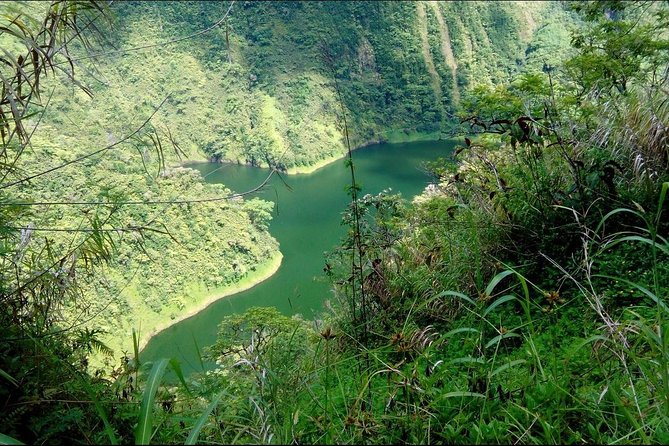
- Papenoo Valley is the star: You’ll travel into the island’s main crater, surrounded by giant ferns, waterfalls, streams, and steep mountain walls.
- Guides make a major difference: Noah and Hotu earned especially warm praise for their plant knowledge, humor, history, language skills, and care behind the wheel.
- Lunch is not included: Bring cash and allow for an eatery stop. The cost and length of the lunch break may affect how you feel about the day.
- Swimming may be possible: Pack a swimsuit and towel for a refreshing stop in a mountain stream, though the water can be cold.
- Pack light and dress for motion: Luggage is forbidden. Wear walking shoes, carry sunscreen and a hat, and expect rain or spray.
What this Tahiti 4×4 safari actually offers
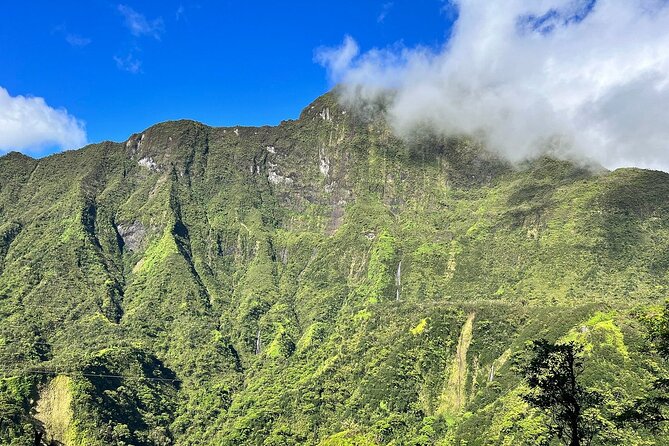
This is not a standard island drive around the coast. It takes you inland, where Tahiti rises sharply from the sea into a rugged volcanic interior. The route begins on the east coast and heads toward Papenoo Valley, following rough tracks into the main crater.
That distinction matters. Many visitors see Tahiti from the coastal road, from a resort, or from the deck of a ship. This trip shows you the island from inside its mountains. You’ll see the dense plant growth, watercourses, and steep slopes that make the center of Tahiti feel far removed from the developed shoreline.
The $137 price is fair for a full day with pickup, a 4WD vehicle, and a local guide. Comparable ship-sponsored outings can cost more, while this tour gives you a small group and access to a route you should not attempt in a standard rental car. The value depends on your comfort with rough travel. You are paying for access and scenery, not luxury.
More Jeep Safaris in French Polynesia:
- Découvrez le Mana durant la traversée de Tahiti en 4×4 Safari
★ 5.0 · 456 reviews - Bora Bora Half Day 4X4 Island Safari Tours
★ 5.0 · 431 reviews - Moorea: Half-Day Open-Air 4WD Safari with Hotel Transfers
★ 4.6 · 240 reviews
From the east coast into Papenoo Valley
Pickup begins around 8:30 a.m., with hotel and wharf pickup offered. From there, the expedition moves toward Papenoo Valley and the island’s central crater.
The early part of the route introduces the change from coastal Tahiti to the mountain interior. The road climbs and drops through thick vegetation. Giant ferns and colorful tropical plants crowd the sides of the track, and the open vehicle gives you a broad view when weather allows.
The 4WD is essential here. Several people described the route as steep, uphill, downhill, and heavily rutted. You will be jostled. Handrails and padded seats help, but they do not turn this into a smooth ride. One useful tip is to ask about sitting near the front if you have back problems. A passenger with titanium in their back found the front seat comfortable, while the rear was much rougher.
The open-air setup is part of the fun. Guides may remove the top or open the side curtains for better views. If rain arrives, clear or see-through curtains can help keep you dry. You should still protect your phone and camera in a small waterproof bag.
Waterfalls, streams, and the green heart of Tahiti
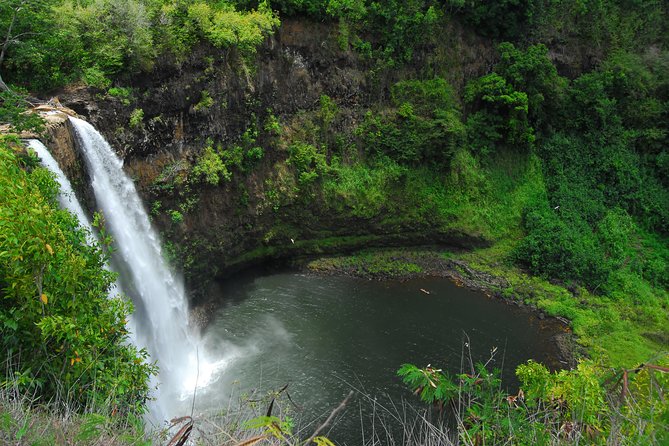
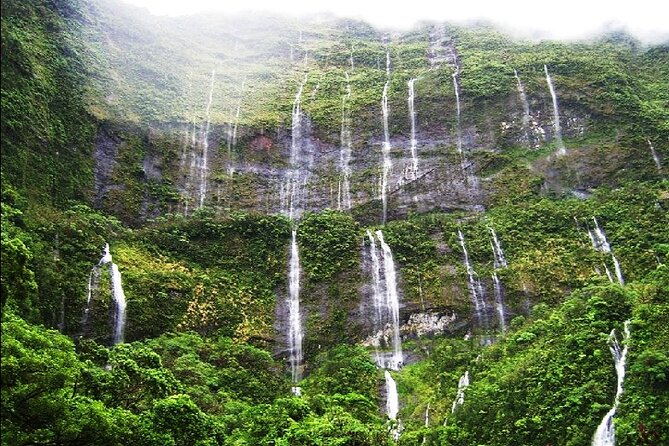
The central section delivers the scenery that draws people to this trip. You’ll cross rivers, pass mountain streams, and stop near waterfalls for photographs and short walks.
The waterfalls are not presented as one single attraction. You get a series of views as the road works through the valley, with each fall appearing in a different setting. Some stops are brief and picture-focused. Others allow time to look around, hear the water, and learn about the surrounding plants.
A mountain stream swim may be included depending on the day and conditions. Bring a swimsuit and towel, as requested. The water can be cold, but that may be welcome after hours in the warm, humid air.
This is also where your guide matters most. Noah has been praised for explaining plants, local history, and island culture in both French and English. He has also been described as playful and generous with questions. Hotu has been praised for explaining the island’s formation, tropical fruit trees, Tahitian culture, and local plants. Some guides have harvested native fruit beside the road or brought prepared samples, including a local magic fruit experience.
Those details turn a scenic drive into something more personal. Without good explanations, the day can feel like eight hours of jolting scenery. With a lively guide, the stops become lessons in how Tahiti grows, formed, and lived in.
Archaeological sites and Tahitian culture
The route includes archaeological sites, giving the day a cultural side beyond waterfalls and plants. The information provided does not specify the exact sites or how long you will spend at each one, so you should expect short visits rather than a formal museum-style tour.
This part is valuable because Tahiti’s interior is not empty wilderness. It has been shaped by generations of Polynesian life, movement, farming, belief, and local knowledge. A guide who explains the sites well can connect the rocks and old structures to the island’s past.
Guide quality is not identical every day. Some visitors had detailed explanations in English and French, while one person felt that an English-speaking guide offered very little information. If clear English commentary is important to you, ask about the guide and language before you confirm. The named guides have varied, and the quality of the cultural explanation can change with the person leading your group.
A few more safaris around French Polynesia worth a look
- Bora Bora: Full day Lagoon Safari & Lunch on a Motu – ST
★ 4.9 · 443 reviews - Bora Bora: 1/2 day lagoon safari – Shared tour
★ 4.8 · 163 reviews - Bora Bora: Eco Shark and Snorkeling Safari
★ 4.8 · 156 reviews - Half day lagoon safari tour in Bora Bora- Shared tour
★ 5.0 · 118 reviews
Lunch at your own cost, with one important warning
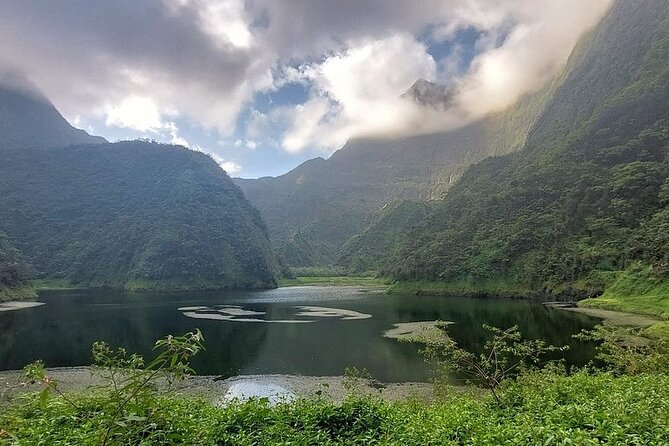
Lunch is not included in the $137 price. The itinerary allows time for a meal while you look over the valley, and the stop has been described as scenic. In practice, you should plan for a restaurant stop and carry cash.
Some people found lunch reasonably timed at around 30 to 40 minutes. Others felt the break was far too long, with one account describing nearly three hours. The restaurant experience has also received mixed reactions, including complaints about cold food and high prices, while another person enjoyed a large serving and found a shared meal good value.
You may not be able to simply sit outside with a sandwich. One group brought its own lunch and was asked to leave the restaurant property. Since lunch arrangements are not fully clear, ask the operator before departure whether you may bring food, what payment method is accepted, and how long the stop should last.
A practical plan is to carry enough cash for your meal, drinks, and any small purchases. Do not assume cards will work. If you want the longest possible time in the valley, a drawn-out lunch can feel frustrating. If you welcome a proper rest after several hours of bouncing, the break may be useful.
How rough is the ride?
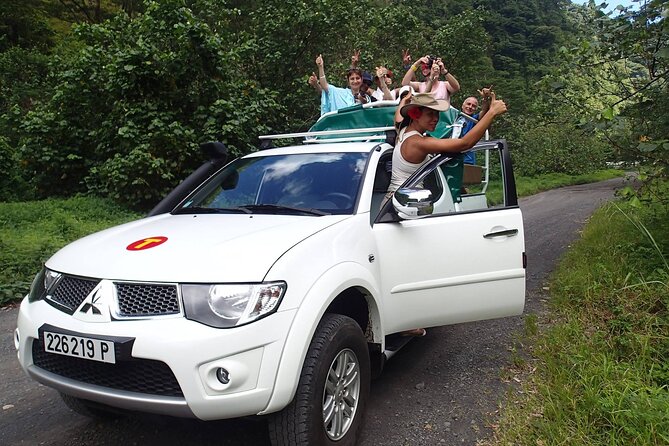
Very rough. That is the central fact to understand.
The road is unpaved, narrow in places, steep, and uneven. The vehicle may bounce hard for long stretches. Several people described the ride as bone-shaking, tumble-dryer rough, or a full-day workout. One person’s step counter recorded thousands of extra steps from the vehicle’s motion rather than walking.
The last part of the route can be the hardest, especially on the western side. A passenger may be able to stand and hold the rails, which some found smoother than sitting in the back. That is not a guarantee of comfort, and you should follow the driver’s safety instructions.
This trip may not suit you if you have a serious back, neck, hip, or joint problem. The provided information gives a maximum weight of 95 kilograms, or 209.43 pounds, per person. The ride may also feel tiring for older people, even though one 74-year-old passenger completed it without pain the next day.
The best approach is to treat the rough road as part of the attraction. If you spend the day wishing for pavement, the ride will dominate your memory. If you expect an off-road expedition, the bumps become part of the story.
Group size, vehicles, and guide quality
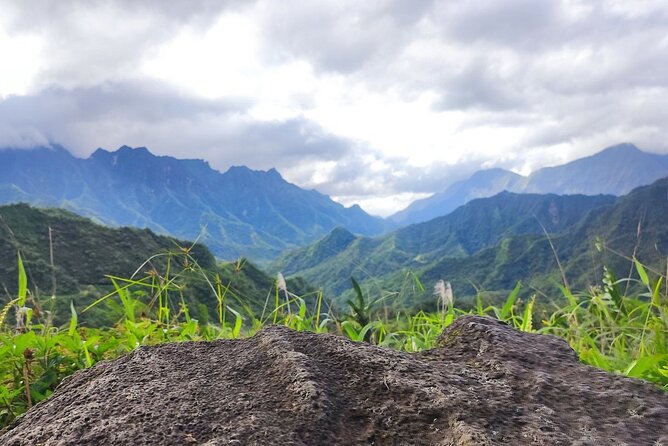
The tour is designed as a small-group experience. The information gives a maximum of six people in one place and a maximum of eight in another, so confirm the exact group size when booking.
A smaller group makes the long day easier. You have a better chance of hearing the guide, asking questions, getting a front seat at some point, and stopping for photographs without a large crowd. It also lets the outing feel more like a local expedition than a convoy.
The driver-guide is crucial. You want someone who can handle the difficult road while explaining the island around you. Noah, Hotu, Eric, Sydney, Tady, and Pito Augustin have all been named by people who enjoyed their humor, care, driving, language ability, singing, ukulele playing, or plant knowledge.
That praise is not universal. At least one person found the English commentary too limited and felt the day became mostly a long ride. Ask about the expected language before you go, especially if you want detailed information about Tahitian culture and nature.
What to bring for an eight-hour mountain day
Keep your gear simple and secure.
- Comfortable walking shoes
- Hat and sunscreen
- Swimsuit and towel
- Cash for lunch
- A phone or camera with a waterproof pouch
- Light clothing that can handle rain and mud
- A small day bag, with no luggage
Luggage is not permitted on the tour. That rule matters if you are being collected from a wharf or changing hotels. Arrange for your main bags to remain at your hotel or another approved location.
The itinerary says most people can participate, but that does not mean the ride is easy for every body. The weight limit is 95 kilograms per person. Because the route is so rough, tell the operator about any mobility or back concerns before booking.
Weather can change the experience quickly. Rain may make the tracks more difficult, but it can also add to the waterfalls and river scenery. The tour requires good weather and may be canceled if conditions are poor. In that case, you are offered another date or a full refund.
Booking timing and cancellation rules
Book early. Tuesday through Friday bookings must be made at least 48 hours before the service date. Monday and weekend departures require at least 72 hours.
Confirmation is sent within 48 hours of booking, subject to availability. The experience is non-refundable and cannot be changed for any reason, so do not book until your plans are firm. If the operator cancels because of poor weather or too few people, you are offered another date, another experience, or a full refund.
Who should book this Tahiti safari?
I would choose this trip if you want to see Tahiti beyond the coastal road and are comfortable giving up comfort for access. It suits people who enjoy waterfalls, plant life, local stories, photography, swimming in a cool stream, and long days outdoors.
Families can enjoy it, especially if everyone accepts the rough ride. Couples on a honeymoon have used it as a way to see a side of Tahiti far beyond the resort. It can also work well for cruise passengers because pickup from the wharf is available, but you should confirm the timing carefully.
I would skip it if you need a smooth vehicle, dislike long drives, have a serious back problem, or want a tightly timed cultural tour. You should also think twice if a long restaurant stop would annoy you or if limited commentary in your preferred language would spoil the day.
Should you book the Crossing Over Tahiti Island Safari?
Book it if the phrase inside the island excites you more than a comfortable coastal drive. The scenery is the main reward: waterfalls, streams, giant ferns, steep valley views, and access to places most visitors cannot reach by rental car.
Go in with honest expectations. This is a bumpy, sometimes tiring, full-day expedition with lunch extra and guide quality that may vary. Ask about the guide’s language, the expected group size, lunch arrangements, and front-seat options before paying.
For adventurous people, this can be the highlight of a Tahiti stay. For comfort seekers, it may feel like eight hours on a very scenic earthquake simulator.
FAQ
How long does the Tahiti 4×4 safari last?
The tour lasts approximately eight hours, beginning around 8:30 a.m.
Where does the tour begin?
The expedition starts on Tahiti’s east coast and travels into Papenoo Valley and the island’s main crater.
Is hotel pickup available?
Yes. Hotel and wharf pickup and drop-off are included.
Is lunch included in the price?
No. Lunch is at your own expense. Bring cash because the restaurant may not accept cards.
Can I bring my luggage?
No. Luggage is not permitted on the tour.
What should I bring?
Bring a hat, sunscreen, swimsuit, comfortable walking shoes, and a towel. Cash for lunch is also practical.
Can I swim during the tour?
A mountain stream swim may be possible. The water can be cold, so bring a swimsuit and towel.
How many people can join the tour?
The information gives a maximum of six people in one place and a maximum of eight overall. Confirm the exact group size when booking.
Is there a weight limit?
Yes. The maximum weight listed is 95 kilograms, or 209.43 pounds, per person.
Can the tour be canceled because of weather?
Yes. The experience requires good weather. If the operator cancels because of poor weather or because too few people booked, you are offered another date or experience, or a full refund.
Newest safaris around French Polynesia
- Private Full Day Lagoon Safari and Lunch on a Motu in Bora Bora★ 5.0 · 10 reviews
- Full-day Lagoon Safari Tour with Lunch in Bora Bora – Shared tour★ 5.0 · 74 reviews
- Half day lagoon safari tour in Bora Bora- Shared tour★ 5.0 · 118 reviews
- Private Safari Adventure Tour in Bora Bora with Local Guide★ 5.0 · 15 reviews
- Moorea : Safari Nature and Culture Tour with local guide★ 5.0 · 27 reviews
- Moorea:4X4 safari excursion between land and sea with lunch★ 4.7 · 28 reviews
- Bora Bora: Eco Shark and Snorkeling Safari★ 4.8 · 156 reviews
- Bora Bora: 1/2 day lagoon safari – Shared tour★ 4.8 · 163 reviews
Jeep & 4x4 Safaris, compared.
Ultimate Island Jeep Safari with Natural Pool, Baby Beach & Lunch
Read our review →
Aruba Natural Pool and Indian Cave Rugged Jeep Safari
Read our review →
Ziplining, Rafting, Jeep Tour & Quad Safari w/Lunch
Read our review →
Mr.Ung’s 4WD Wild Jungle Safari Tour with Lunch
Read our review →
Jeep Safari & Green Lake Boat Trip with Lunch
Read our review →
Sunrise Desert Jeep Safari with Wildlife Experience
Read our review →
Browse the lists this tour appears in