
Review · WINDHOEK, NAMIBIA
12 Day Classic Namibia Camping Safari
Namibia rewards people who like big distances. This 12-day route packs in Etosha wildlife, towering Namib Desert dunes, the Skeleton Coast, Kolmanskop, and Fish River Canyon, while keeping costs down with camping and guide-prepared meals. I especially like the excellent variety and the chance to sleep beneath southern African skies. The main catch is simple: you spend many hours on the road, and camping without a sleeping bag takes some preparation.
I also like the small-group format, capped at 10 people, and the way the trip mixes famous sights with less polished stops such as Okahandja’s woodcarving market and the wild horses near Aus. The guides handle cooking, camp setup, and driving, and one previous guest singled out Tulimo and Gregory for making excellent meals and keeping the trip running smoothly. You should expect early starts, basic camps, long drives, and a moderate level of fitness.
Key things to know before booking
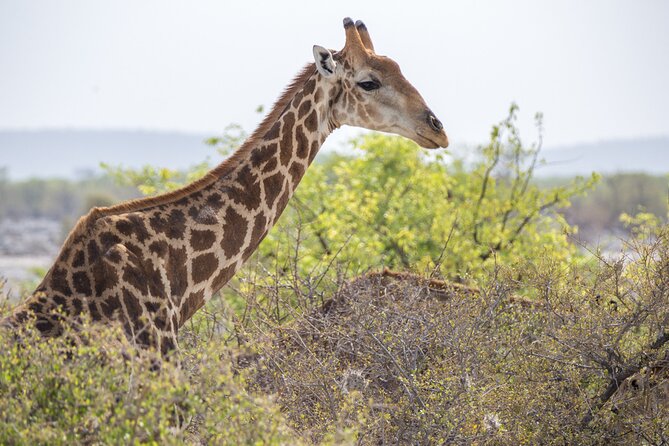
- Etosha gets two full days: Waterholes, predators, elephants, rhinos, giraffes, and the famous floodlit waterhole are central highlights.
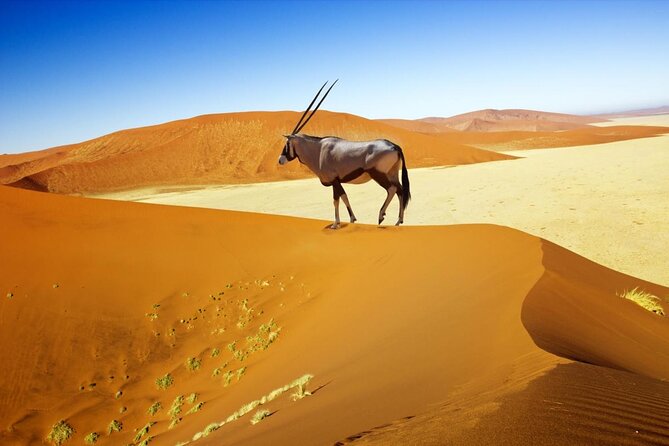
- Sossusvlei starts before sunrise: You climb Dune 45, walk through Dead Vlei, and visit Sesriem Canyon in one busy but memorable day.
- The Skeleton Coast feels remote: Cape Cross, a huge fur seal colony, shipwrecks, fog, rough seas, and a stark Atlantic shoreline create a very different Namibia.
- Camping is part of the experience: You get 10 nights under canvas and one night in accommodation, but you must bring your own sleeping bag.
- The final third is scenery-heavy: Kolmanskop, Luderitz, desert horses, Fish River Canyon, and the Quiver Tree Forest provide strong photographic stops.
- The price reflects the length: At $3,071.21 per person, transport, meals, camping equipment, park visits, and guiding cover a lot, though drinks and optional Swakopmund activities cost extra.
What the $3,071.21 price buys you
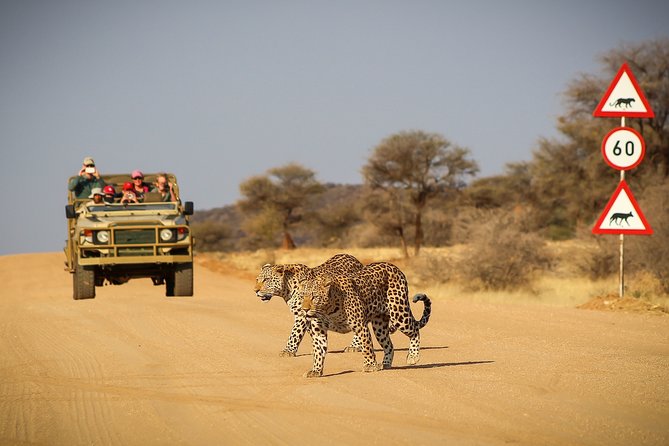
For a 12-day journey across Namibia, the price is reasonable for someone who wants a managed route rather than arranging every transfer, campsite, and park visit alone. You receive transport from Windhoek, a maximum group size of 10, camping equipment apart from a sleeping bag, 11 breakfasts, 11 lunches, and 10 dinners.
That meal plan matters in Namibia. Several days involve remote roads and limited places to stop, so having your guide prepare breakfast, lunch, and dinner removes much of the planning work. Open-fire cooking is part of the rhythm, especially at Etosha, Palmwag, Cape Cross, Aus, and the Quiver Tree Forest.
You still need to budget for drinks, including bottled water, soft drinks, and alcohol. Swakopmund dinner is also at your own expense, as are optional activities such as quad biking, sandboarding, or skydiving. Bring money for these extras if you want a break from the standard camping routine.
The trip is not a luxury safari. It is a long overland journey with shared transport, early mornings, camp chores, and basic facilities. I see the value in it for an active budget-minded visitor who wants to cover much of Namibia in one trip. It is less suitable if you want private rooms, slow mornings, or short driving days.
More Overnight Safaris in the world:
- Dubai: Overnight Safari, Dinner, Stargazing & Al Khayma Camp
★ 4.8 · 2,562 reviews - Dubai Overnight Desert Safari, BBQ & Stargazing at Al Khayma Camp
★ 5.0 · 2,327 reviews - 4 Days Group Camping Safari
★ 5.0 · 1,101 reviews
Day 1: Woodcarvers, rhinos, and Mount Etjo
The tour begins at Chameleon Safaris headquarters in Windhoek with a 7:00 am meeting and a short pre-departure briefing. That early start gets you moving quickly, but it also means you should stay near the meeting point the night before and avoid booking a flight for the morning.
The first stop is the Okahandja Mbangura Woodcarvers Craft Market. Woodcarvers from around Namibia sell their work here, and you have about an hour to browse and bargain. This is a useful first stop because it gives you a chance to buy locally made goods while supporting the people who made them. Keep your bargaining friendly, and remember that buying something you genuinely like is better than treating the market as a contest.
Mount Etjo Game Reserve supplies the first wildlife encounter. You arrive around lunchtime, set up camp, eat, and head out for an afternoon game drive focused partly on black and white rhinos. The reserve supports conservation work through the Mount Etjo Rhino Trust, giving the sighting more meaning than simply ticking off an animal.
The day ends with a Namibian sunset from the reserve. The schedule lists a long stay at Mount Etjo, but the practical point is that you spend your first night in the bush rather than simply using the reserve as a quick roadside stop.
Days 2 and 3: Etosha by waterhole
Etosha is the wildlife heart of the trip, and you get enough time here to make repeated sightings possible. After a supply stop in Otjiwarongo, you enter the park and drive toward Okaukuejo, setting up camp before an afternoon circuit of waterholes.
Etosha works differently from a forested safari area. Its open terrain and waterholes give you long views, and animals often gather where water is available. Your guide looks for predators, plains animals, birds, and reptiles as you move from one waterhole to the next.
The Okaukuejo floodlit waterhole is one of the best details in the entire route. After dinner, you can sit near the water and watch for rhinos, elephants, giraffes, lions, and hyenas. It gives you a chance to observe after dark without riding in the vehicle, although sightings can never be guaranteed.
Day 3 begins at sunrise, when predators may still be active. You stop at fenced picnic areas for breakfast, then reach Etosha Pan, the enormous saline desert at the park’s center. The pan covers about 4,500 square kilometers and is a striking change from the waterhole areas. You can get out at the designated stop and experience the broad white expanse on foot.
Later, the route passes through Halali, the central camp, where you can use the pool, visit the waterhole, and eat lunch. The afternoon drive returns to Okaukuejo, with more waterholes along the way.
This is a strong use of time. Two days allow you to see the park in different light and from different routes. The drawback is the early schedule and the amount of time seated in the vehicle. Bring binoculars if you have them, and keep expectations sensible. Etosha offers excellent chances, not guaranteed sightings of every animal.
Day 4: Himba culture and Palmwag
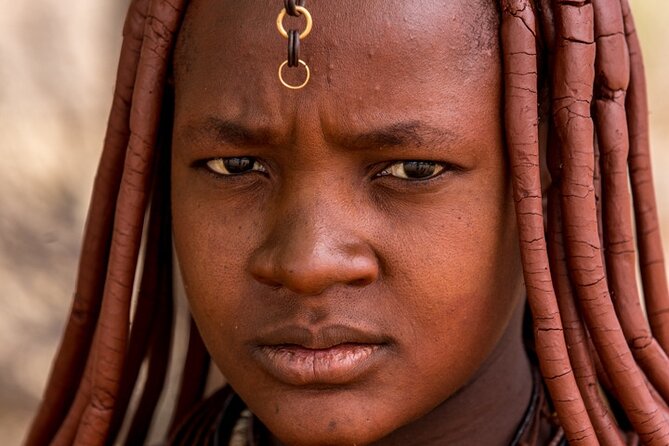
After a final morning game drive, the tour heads to Kamanjab and the Otjikandero Himba Orphan Village. The guided visit lasts about two hours and focuses on traditional Himba culture, daily life, customs, and personal exchange.
This stop adds human context to a journey otherwise dominated by animals and scenery. You are not just moving from one national park to another. You get time to learn about a community that continues to maintain traditional practices and to share something of your own culture.
Approach this visit with respect and an open mind. It is a structured cultural stop, not an unplanned meeting in a village, and the quality of your experience depends partly on listening rather than treating the visit as a photo opportunity.
The night is spent at Palmwag Campsite. After camp is set up, you have a relaxed afternoon and may watch for desert elephants. The possibility of seeing them is appealing, but it is not a promise, so enjoy Palmwag for its quiet setting even if the elephants stay out of sight.
A few more safaris around the world worth a look
- Dubai: Desert Safari, Quad Bike, Camel Ride & Al Khayma Camp
★ 4.9 · 68,962 reviews - Dubai: Desert Safari, Quad Bike, Camel Ride and Sandboarding
★ 4.9 · 43,505 reviews - Dubai: Safari, Quad Bike, Camel Ride, and Buffet Dinner
★ 4.9 · 33,424 reviews - Dubai: Red Dune Safari, Quad Bike, Camel Ride, BBQ Dinner
★ 4.9 · 32,185 reviews
Days 5 and 6: Skeleton Coast, seals, and Swakopmund
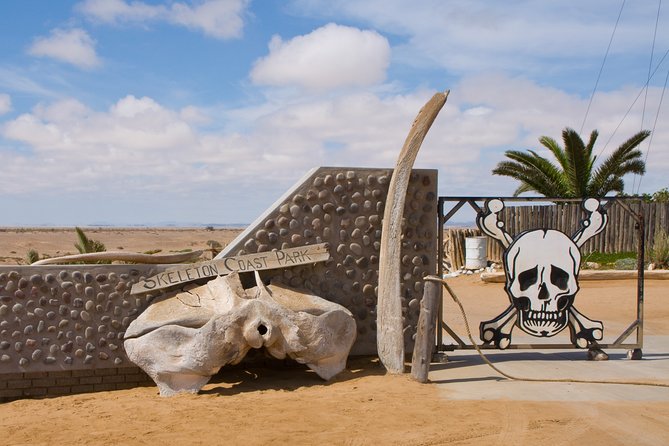
The road to the Atlantic is long and stark. You enter Skeleton Coast National Park and continue toward Cape Cross, a place shaped by fog, strong currents, rough seas, and shipwrecks. This is Namibia at its most severe, with very little softening the effect of the coast.
At Cape Cross, you camp near the Atlantic and have time for a beach walk. A swim is possible for the brave, but the itinerary itself warns you about the coastal climate. Do not expect warm water or a resort-style beach day.
The next morning brings the Cape Cross Seal Reserve. During the November and December breeding season, more than 200,000 Cape fur seals may gather here. It is an extraordinary sight, but the smell is equally memorable, so keep that in mind before you arrive.
You then stop at the Zeila shipwreck, a relatively recent wreck from 2007. That detail makes the Skeleton Coast feel less like a museum piece and more like an active, dangerous shoreline.
By early afternoon, you reach Swakopmund. This is your main break from camping, with time to walk around town, eat at your own expense, and book an optional activity. The choices listed include skydiving, quad biking, and sandboarding.
Swakopmund is well placed in the itinerary. After several nights of camp life, a proper town, restaurant meal, and slower afternoon can feel like a luxury. Day 7 begins at 11:30 am, so you can sleep later or use the morning for another activity.
That flexibility is useful, but the optional excursions are not included in the tour price. Ask about costs and timing before committing, especially if you want to be back for departure through the Namib Desert.
Days 7 and 8: Kuiseb Pass, Dune 45, and Dead Vlei
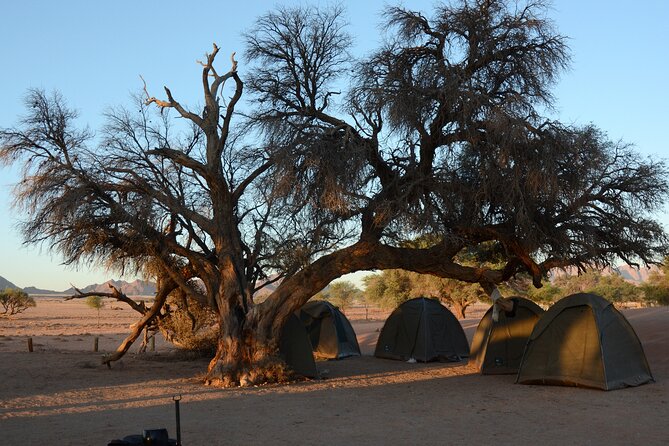
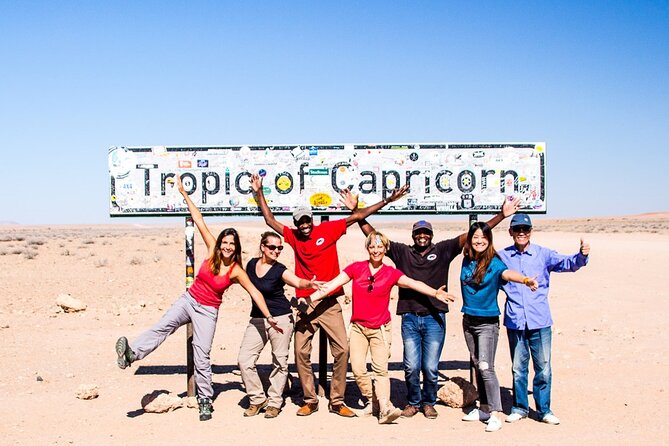
Leaving Swakopmund at 11:30 am, you cross the Tropic of Capricorn and pass through the Namib Desert via Kuiseb Pass. Solitaire provides a short stop for a snack and leg stretch before you reach Sesriem late in the afternoon.
The campsite has a pool and bar, which gives you a chance to cool off before an early night. You need that early night because Dune 45 starts before dawn the next morning.
Sunrise at Dune 45 is one of the strongest moments of the trip. You can climb the famous dune as the light changes across the sand, then eat breakfast after coming down. The climb is physical, especially in loose sand, but the route lets you set your own pace.
The journey continues into the Sossusvlei area, with time on foot and a visit to Dead Vlei. The cracked clay floor and bleached camel thorn trees create a severe contrast with the tall dunes behind them. This is the image many people carry away from Namibia, but the real experience includes heat, sand, and walking, so bring water, sun protection, and sturdy footwear.
You return to Sesriem around lunchtime for a meal, swim, or rest during the hottest part of the day. Later, you visit Sesriem Canyon, a narrower geological feature that gives the day some variety after the huge open spaces around Sossusvlei.
The schedule is busy, but it is well arranged. The pre-dawn departure avoids the harshest heat at the dunes, while the midday break keeps you from walking continuously under the desert sun.
Days 9 and 10: Aus, Kolmanskop, and the Atlantic at Luderitz
Day 9 heads south through the Namib Rand area toward Klein Aus Vista in the Gondwana Sperrgebiet Rand Park. You arrive in the afternoon, set up camp, and can choose from short walking routes before sunset.
The Aus area provides a quieter change after the crowds and activity around Sossusvlei. You have time to watch the sunset, walk a little, and eat dinner cooked over an open fire. The route still involves driving, but this part feels less rushed.
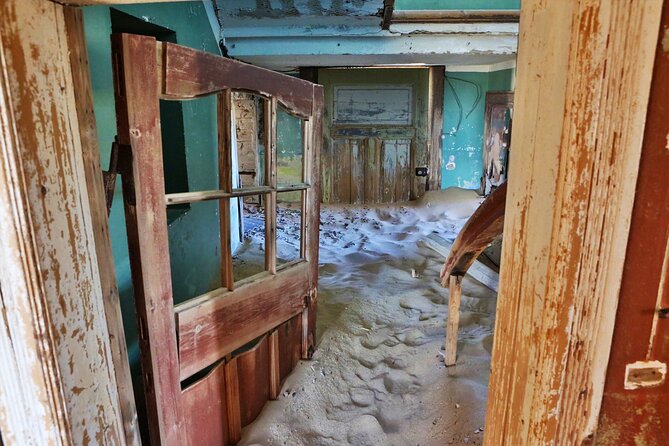
The following morning takes you to Kolmanskop, the abandoned diamond town outside Luderitz. During the 1910 diamond boom, the settlement had luxury homes, a bowling alley, and the first X-ray machine in the southern hemisphere. Once the diamonds declined, the town was abandoned and the desert began reclaiming the buildings.
Kolmanskop is a particularly good stop for photographers. Sand-filled rooms and fading architecture make the town feel strange without requiring a long visit. Three hours gives you enough time to look around, though the exposed setting may feel hot and dusty.
Luderitz adds colorful colonial-era buildings and an Atlantic setting. At Diaz Point, you stop at the site of the original Diaz Cross, then return toward Aus while watching for the wild horses of the Namib Desert.
A sighting of the horses is never certain. Their survival in such a harsh region is the point, and even a brief view is special. If you do not see them, the drive still offers striking desert views.
Days 11 and 12: Fish River Canyon and the Quiver Tree Forest
The route turns east on Day 11 toward Fish River Canyon. At Hell’s Bend viewpoint, you look over one of the world’s largest canyons, formed through erosion and movements in the earth’s crust.
The stop is short, about an hour, so this is a viewpoint visit rather than a canyon hike. That distinction matters. You get a strong sense of the scale, but you do not spend the day walking into the canyon.
After lunch, you continue to the Quiver Tree Forest near Keetmanshoop. Around 250 quiver trees grow here, with some estimated to be 200 to 300 years old. The quiver tree, or kokerboom, is Namibia’s national tree, and the forest has national monument status.
You camp under the stars on the final night. The location is especially appealing for photography, though permits are not included for night photography. If you plan to use a tripod or special equipment, check the permit requirements ahead of time.
The next morning begins with a sunrise visit to the trees, followed by the long drive back to Windhoek through Mariental and Rehoboth. You arrive in the late afternoon and are dropped at your accommodation. Do not schedule a flight for this day. The return drive is long, and delays are always possible on a route of this length.
Camping, fitness, and what to pack
You spend 10 nights camping and one night in accommodation. Camping equipment is supplied, but a sleeping bag is not, so arrange one before departure. Meals are included on most days, but drinks are not, including mineral water.
A moderate level of fitness is required. You need to manage camp life, climb Dune 45 if you choose to do so, walk at Sossusvlei and Dead Vlei, and handle repeated early starts. The long drives are just as important as the walking. If you dislike sitting in a vehicle for hours, this route may feel tiring.
Pack light but prepare for changing conditions. Useful items include a sleeping bag, sun protection, walking shoes, warm clothing for early mornings, and enough personal water for the day. Namibia’s desert regions can feel hot during the day and much cooler at night.
The group limit of 10 is a real advantage. It is small enough for the guide to keep the group together without feeling like a large coach tour, while still sharing the cost of transport and campsite logistics.
The food and guide service
Your guide prepares most meals over an open fire, which suits the setting and helps keep the trip affordable. The positive experience depends heavily on the guide team because they drive, cook, organize camp, manage park timing, and explain the sights.
Tulimo and Gregory received especially strong praise for their guiding and cooking. That combination matters on a camping safari. A guide who can serve a good meal after a long road day adds a great deal to the experience.
You should still keep your expectations practical. This is camp cooking, not a restaurant menu, and the route does not include drinks. Swakopmund is the one clear chance to choose your own restaurant meal.
Who should book this Namibia safari?
I would choose this trip if you want to see a large part of Namibia in one organized journey, enjoy wildlife and desert scenery, and are comfortable with basic camping. It suits solo visitors, couples, and active friends who value variety more than comfort.
I would think twice if you want private accommodation, relaxed mornings, or a trip focused only on wildlife. The route is ambitious, and the long drives are unavoidable because Namibia’s main sights are spread far apart.
The non-refundable booking terms also mean you should be certain about your dates before paying. The tour is generally booked about 52 days ahead, so planning early makes sense, especially if you need to arrange a sleeping bag, flights, or extra nights in Windhoek.
Final verdict: Is the 12-day route worth it?
Yes, if your priority is seeing Namibia’s major highlights without arranging a complicated self-drive trip. The combination of Etosha, Himba culture, Skeleton Coast, Sossusvlei, Kolmanskop, Fish River Canyon, and the Quiver Tree Forest gives you an unusually broad look at the country.
The price is justified by the distance covered, included meals, camping equipment, park access, guiding, and small group size. Just arrive ready for early mornings, basic camps, long road days, and extra costs for drinks and Swakopmund activities. For an active budget visitor, this is a strong all-round Namibia route.
FAQ
Where does the safari start?
The safari starts at Chameleon Safaris on Ferry Street in Windhoek. The meeting time is 7:00 am.
Where does the tour finish?
The tour ends back in Windhoek, where you are dropped at your accommodation in the late afternoon of Day 12.
How many nights are spent camping?
The package includes 10 nights of camping and one night in accommodation.
Is a sleeping bag included?
No. Camping equipment is provided, but you must bring or arrange your own sleeping bag.
Are meals included?
Breakfast is included on 11 days, lunch on 11 days, and dinner on 10 days. Drinks are not included.
What is the maximum group size?
The group has a maximum of 10 participants.
Can I book a flight from Windhoek on the final day?
No flight is recommended on Day 12 because the return drive to Windhoek is long and arrival is expected in the late afternoon.
Newest safaris around the world
- Desert Safari in 4×4 Car with BBQ Dinner and Belly Dance★ 5.0 · 62 reviews
- Dubai Desert Safari: Quad Bike, Camel Ride and BBQ Dinner★ 5.0 · 29 reviews
- Desert Safari and Quad Bike Experience in Dubai with Dinner★ 4.5 · 44 reviews
- Dubai Evening Desert Safari with Thrilling Dune Buggy Adventure★ 5.0 · 109 reviews
- Desert Safari With Bab Al Shams Dinner★ 4.5 · 43 reviews
- Dubai Desert Safari with Dinner, Camel Ride & Dune Bashing★ 5.0 · 73 reviews
- Evening Desert Safari Tour With Dinner & Entertainment★ 5.0 · 41 reviews
- Desert Safari with 30 Minutes Quad Biking on High Red Dunes (Complete Package)★ 5.0 · 124 reviews
Overnight & Camping Safaris, compared.
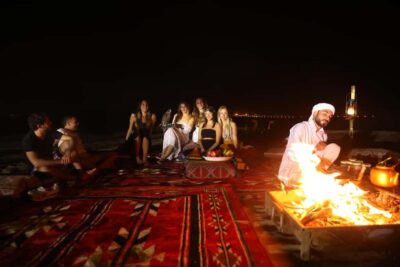
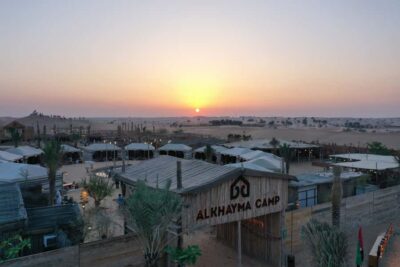
Overnight Safari, Dinner, Stargazing & Al Khayma Camp
Read our review →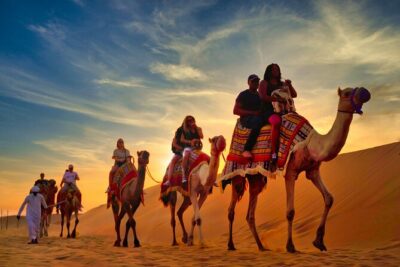
Dubai Overnight Desert Safari, BBQ & Stargazing at Al Khayma Camp
Read our review →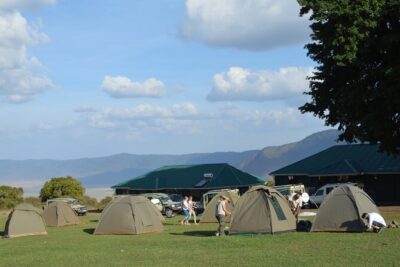
3 Days Serengeti & Ngorongoro Group Camping Safari
Read our review →Browse the lists this tour appears in