
Review · DRâA-TAFILALET, MOROCCO
From Marrakech: 4-Day Morocco Sahara Desert Experience
The desert is only the middle of the story. This four-day trip gives you a broad taste of southern Morocco, linking the High Atlas, Ait Ben Haddou, Dades Valley, Todra Gorges, and Erg Chebbi in one long loop from Marrakech. I especially like the camel ride at sunset and the chance to sleep in a desert camp, plus the route includes real mountain and oasis scenery instead of treating the Sahara as a quick photo stop.
The main tradeoff is simple: you spend plenty of time in the van. The route covers a lot of ground, and some days involve long stretches between stops. Still, at about $182 per person, with transport, three nights of accommodation, dinners, breakfasts, and a camel ride included, it offers a useful way to reach Merzouga without arranging every piece yourself.
- Ait Ben Haddou adds history and movie-location appeal to the first day.
- Tizi n’Tichka Pass reaches about 2,260 meters, with stops for mountain views and Berber villages.
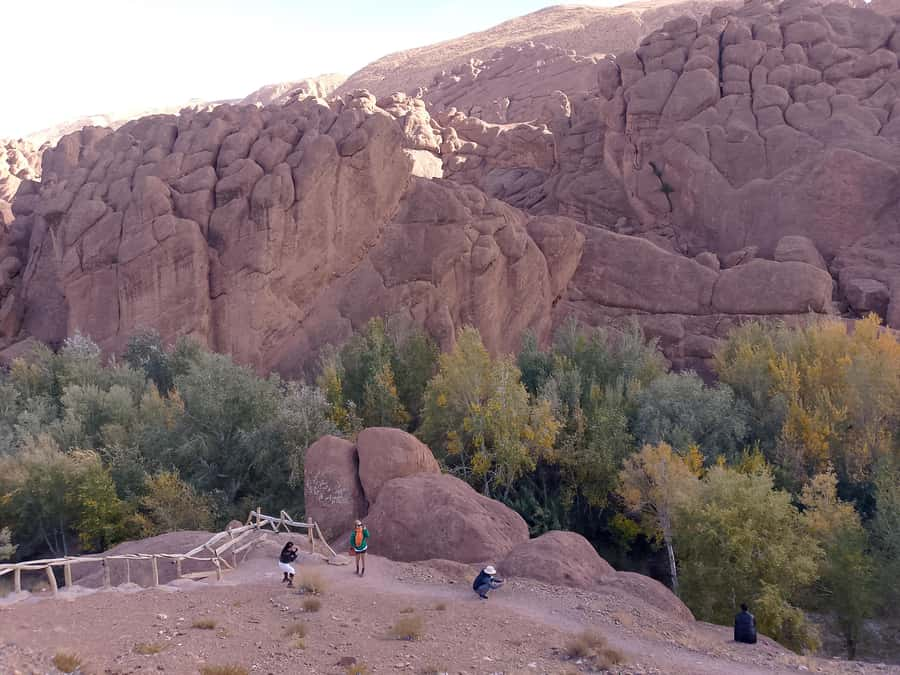
- Todra Gorges and its palm oasis break up the drive with a walk through one of southern Morocco’s most dramatic settings.
- Erg Chebbi provides the classic Sahara moment, with camels, golden dunes, sunset, drums, and a night beneath the stars.
- The desert camp requires only a small overnight bag, while your larger luggage stays safely in the vehicle.
- Optional local guides cost extra, including guides at Ait Ben Haddou, Todra Gorges, and the Monkey Fingers rock formations.
What the $182 price really covers
This is a value-focused shared or small-group trip rather than a polished luxury circuit. The price includes pickup in central Marrakech, transport, an English or French-speaking driver, two nights at a Kasbah Safari Rose property or similar, one night at a desert camp, breakfasts, dinners, towels, a swimming pool at the accommodation, and one camel per person.
That bundle matters because the Sahara is not easy to reach independently on a short schedule. You are paying for the vehicle, the long-distance route, overnight stops, and the logistics of getting from Marrakech to Merzouga and back. The camel ride and camp night are the costly-to-arrange parts for many independent visitors, and they are already folded into the fare.
You should budget separately for lunches, soft drinks, personal purchases, and optional local guides. Lunch is taken at cafes or local restaurants along the road, so carry some cash and expect these meals to be paid as you go. Guides at several stops are not part of the main price. The listed costs are modest, around €2 to €3 per person depending on the site, but they are still worth knowing about before you arrive.
For $182, I would judge the tour by its route and convenience, not by luxury. It is a strong deal if you want to see several southern Morocco highlights in four days. It is less appealing if you want slow mornings, long walks at every stop, or a private vehicle and custom schedule.
Day 1: Crossing the High Atlas to Ait Ben Haddou
Pickup takes place from your Marrakech accommodation, or from the nearest point a vehicle can reach. You are asked to be ready about 30 minutes before the scheduled time, and the provider confirms the details by WhatsApp the day before. That small bit of communication matters in Marrakech, where a riad may sit on a narrow lane that cars cannot enter.
The first major section climbs toward the Tizi n’Tichka Pass, the best-known crossing of the High Atlas on this route. At about 2,260 meters, the pass brings a sharp change in scenery. Marrakech’s city streets give way to steep mountain roads, scattered Berber villages, and broad views across dry valleys.
Several photo and coffee stops are built into the drive. Do not think of these as wasted time. The road is a major part of the experience, and the scenery changes quickly as you cross the mountains. The trip can also feel slow, especially if traffic or weather affects the mountain road, so keep your first day flexible.
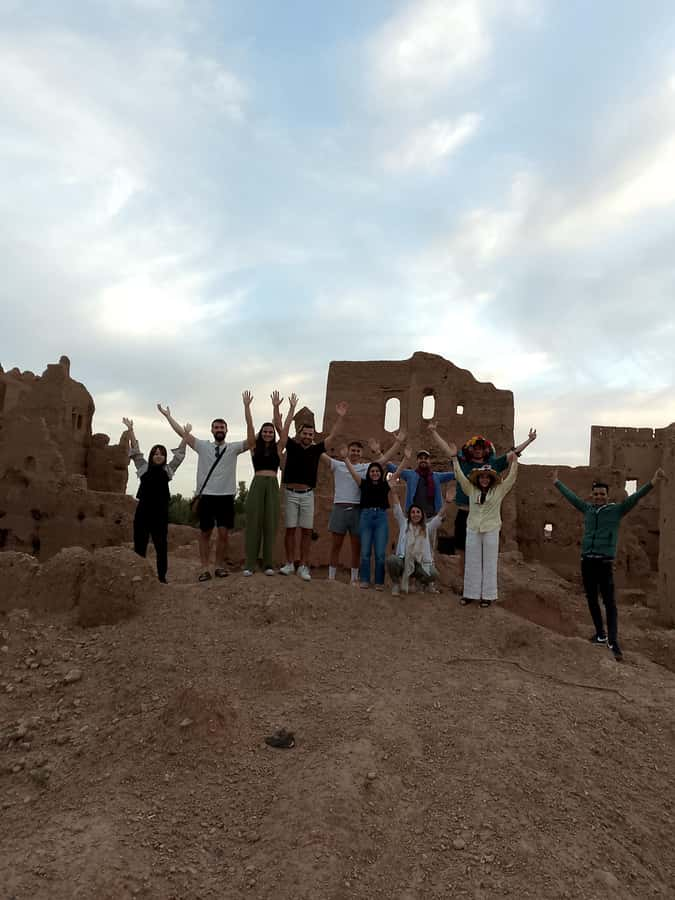
Ait Ben Haddou is the day’s major stop. This fortified village, or ksar, is a UNESCO World Heritage Site made up of earthen buildings grouped along the hillside. Its fame also comes from films such as Lawrence of Arabia and Gladiator, but the movie connection should be treated as an extra, not the whole reason to visit.
You will have time to walk through the village, take photographs, and look across the surrounding dry country. A local guide is optional and paid separately. I recommend considering one if you want the buildings and lanes explained rather than simply photographed, but you can also explore independently if you prefer to move at your own pace.
After lunch at a local cafe, the route continues through Ouarzazate and the area around Kalaat M’Gouna before reaching the Dades Valley. This is a full day, so do not expect a leisurely late afternoon at the hotel. Dinner and the first night are at Kasbah Safari Rose or a similar property.
More Desert Safaris in Morocco
- From Marrakech: Merzouga 3-Day Desert Safari with Food
★ 4.7 · 12,232 reviews - Agadir/Taghazout : Quad Bike Safari Desert
★ 4.8 · 1,496 reviews - From Marrakech: Zagora 2-Day Desert Safari with Food & Camp
★ 4.5 · 1,137 reviews
Sleeping in the Dades Valley after a long road day
The first night gives you a useful pause between Marrakech and the Sahara. The accommodation includes dinner and breakfast, and a swimming pool is available at the Kasbah Safari Rose or similar property. Towels are included as well, which means you can pack a little lighter.
The setting is more important than expecting a high-end hotel. This is a practical overnight stop in the Dades area, allowing the route to reach Merzouga the next day without an impossible single drive. If you want a quiet evening, use it for a meal, a swim if conditions allow, and an early night.
Day 2: Todra Gorges, palm groves, and the road to Merzouga
After breakfast, you continue east through Berber villages and the changing scenery of southern Morocco. The route includes Todra Gorges, a canyon known for its tall rock walls and narrow passage. A short walk here gives you a welcome break from sitting in the vehicle.
The surrounding palm oasis adds another layer to the stop. You can walk beneath the palms and see how water supports pockets of green in an otherwise dry region. A local guide is optional and costs extra. If you want a clear explanation of the oasis and gorge, the small fee may be worthwhile. If you mainly want fresh air and photographs, you may be satisfied with a simple walk.
The itinerary also includes a visit to the Nomades Cooperative in Tinghir. This offers a look at local Berber culture and traditional products. As with many organized routes, shopping may be part of the stop, so keep your expectations clear. You can browse without treating every visit as a required purchase.
Lunch comes around Tinjdad, followed by the road through Erfoud toward Merzouga. The drive remains long, but the destination changes the mood. After the mountain roads and canyon, the dunes around Erg Chebbi bring the wide-open Sahara scenery most people have pictured before arriving in Morocco.
The Erg Chebbi camel ride and desert camp
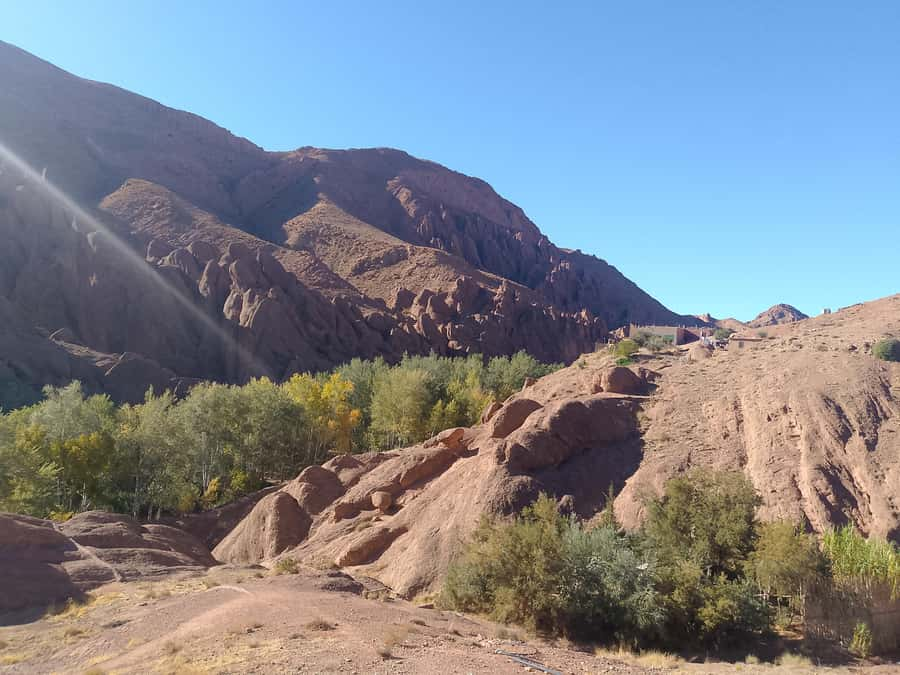
Once you reach Merzouga, you have time to relax before the camel trek. Take only a small backpack for the overnight stay. Your main luggage can remain safely in the vehicle, which makes the camp transfer much easier.
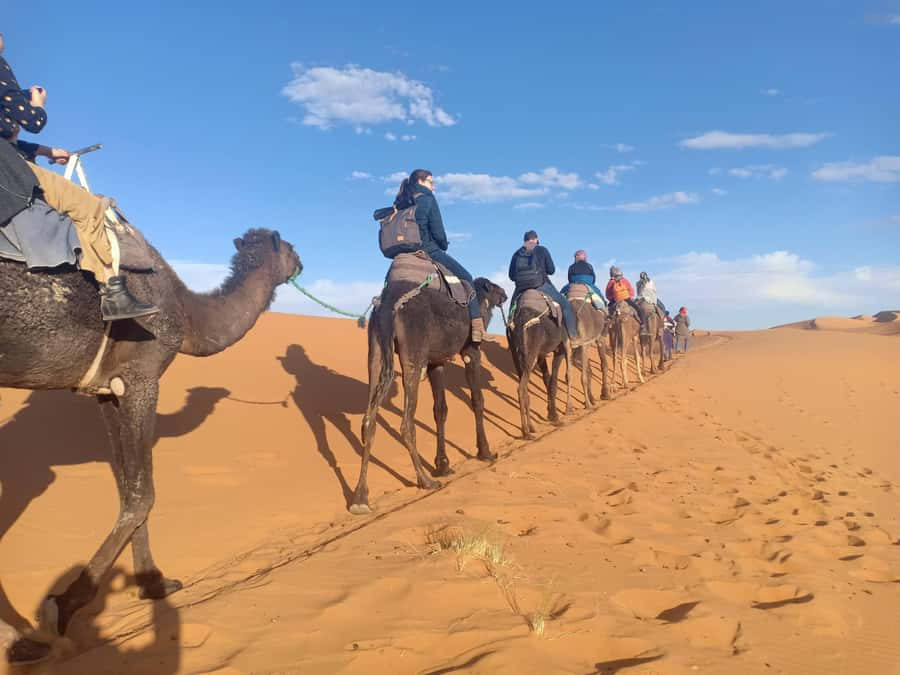
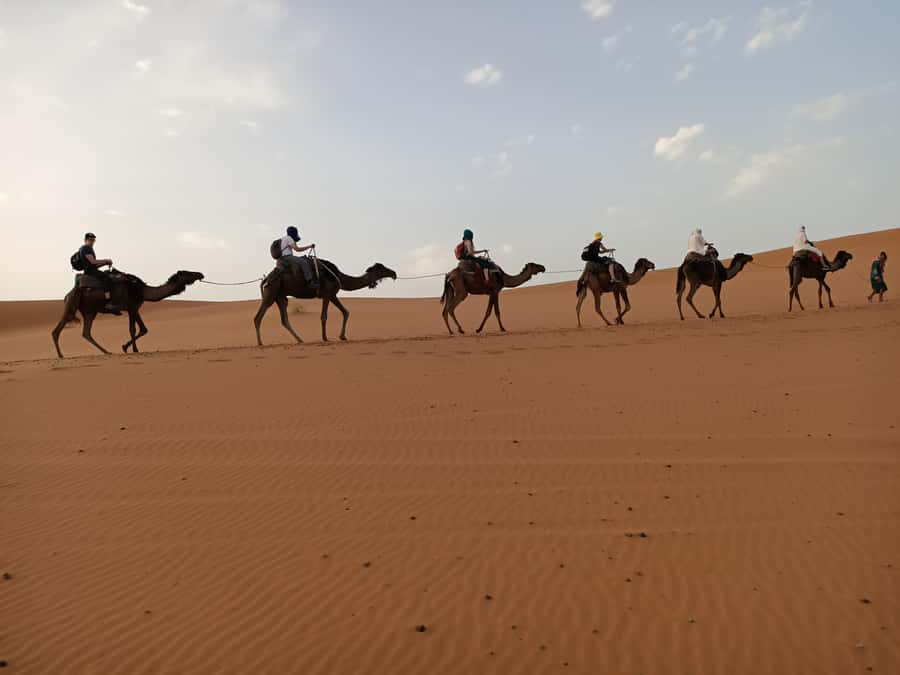
The camel ride carries you across the golden dunes toward a traditional Berber camp. The ride is often about an hour according to the experience details, though timing can vary with the group and program. The camel handlers stop for photographs, and guides have helped visitors take pictures and videos using their own phones.
You should know what the ride feels like. Camels are much taller than horses, and the awkward part is mounting and dismounting as the animal rises or kneels. Once moving, the pace is slow and steady. Several people have found the ride easier than expected, but it can still be uncomfortable if you have back, hip, or mobility problems.
The handlers described in the feedback were attentive with children and first-time riders. Families with younger children were helped to feel comfortable, and the camels were described as healthy and well cared for. That is a meaningful point when choosing an animal-based activity.
At camp, you leave the camels and walk to higher dunes for sunset. This is the moment to protect your time. Do not rush back for dinner if you have a chance to sit quietly and watch the light change across the sand. Afterward, dinner is served, and the evening includes drums and music around the fire.
The camp night is the emotional center of the tour. You sleep in traditional Berber tents and can look up at the night sky away from Marrakech’s city lights. Conditions are basic compared with a hotel, and temperatures can drop sharply in winter, so bring warm clothing even if the desert felt hot during the afternoon.
If you would rather not ride a camel, a 4×4 transfer to the camp can be requested. That option is especially useful for anyone who finds the mounting process difficult or simply prefers not to use animals.
Same region, a very different drive:
- From Agadir or Taghazout: Quad Biking Safari Desert Trip
★ 4.5 · 1,046 reviews - Agadir: Desert Quad Bike Safari with Hotel Pickup & Drop-off
★ 5.0 · 371 reviews - Agadir Jeep safari 4×4 Desert Adventures with Lunch
★ 5.0 · 365 reviews - Full-Day Safari Small Desert With Lunch
★ 4.5 · 224 reviews
Day 3: Sunrise, return camels, and Monkey Fingers
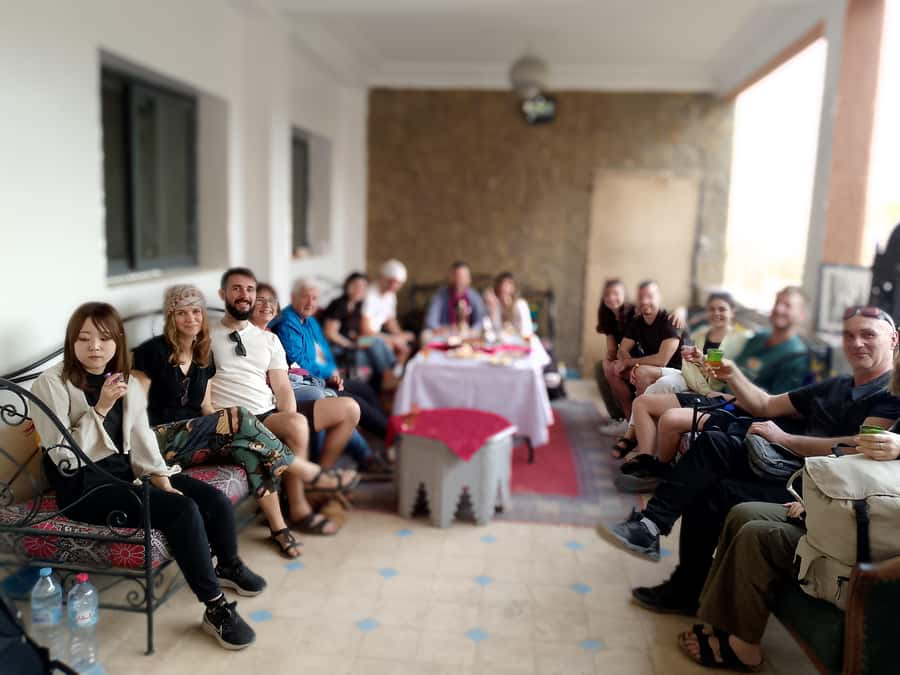
Day three starts early so you can watch sunrise over the Sahara. The early start is worth it for the light, but you should not expect a late breakfast or a slow morning. After sunrise, you return by camel and continue west toward the Dades Valley.
This day reverses much of the route, so there is more driving. The reward is a second look at the scenery, now with a different light and a better sense of how the desert connects with the valleys and mountains.
The main stop is the Monkey Fingers rock formation in the Dades area. The unusual shapes provide good photo opportunities, and the itinerary allows for a one or two-hour walk. The route is described as suitable for different ability levels, but you should still bring proper shoes and be ready for uneven ground.
A local guide is optional here and costs about €3 per person. Discuss your departure time and walking plan with the guide before setting out. That advice is practical because the schedule can depend on the group, weather, and how much time you want on foot.
The third night is again at Kasbah Safari Rose or a similar property. The swimming pool may be available, but the day’s early start and road time may leave you more interested in dinner and sleep.
Day 4: Returning through the Atlas Mountains
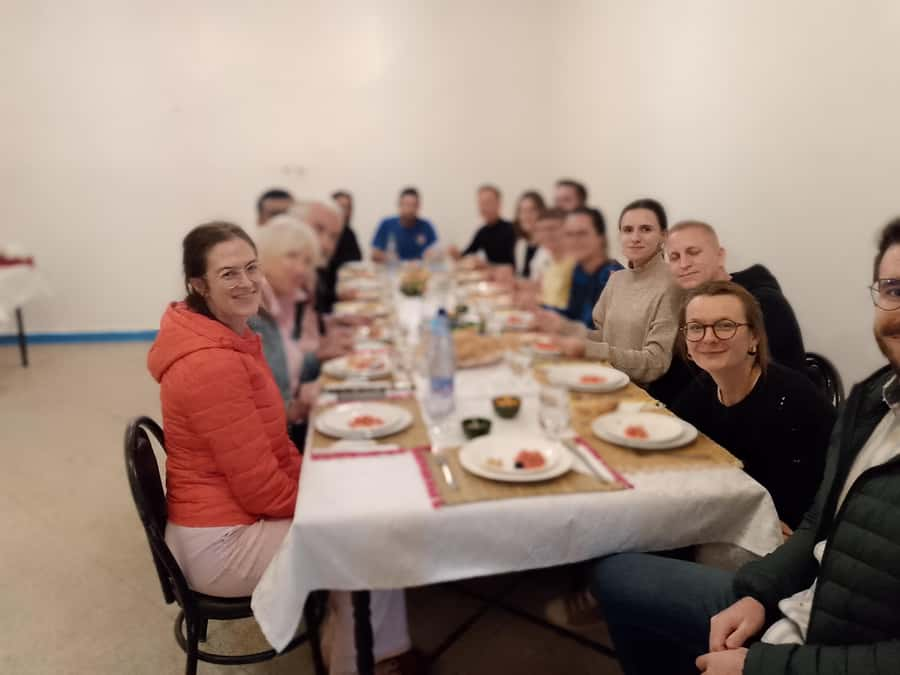
The final departure from Dades is scheduled for about 8:30 in the morning. You head back through Ouarzazate and up toward Tizi n’Tichka, with more stops for photographs and views of the Atlas villages.
The return drive can reach Marrakech around 7 or 8 in the evening. That is a long final day, and you should avoid booking a tight onward connection or an important dinner reservation. Traffic, road conditions, and weather can all change the arrival time.
The upside is that the return route gives you one more chance to notice the shift from dry southern valleys to high mountain scenery and then back toward Marrakech. The downside is fatigue. By the time you reach the city, you will have covered a great deal of Morocco by road in four days.
Transport, group size, and the daily rhythm
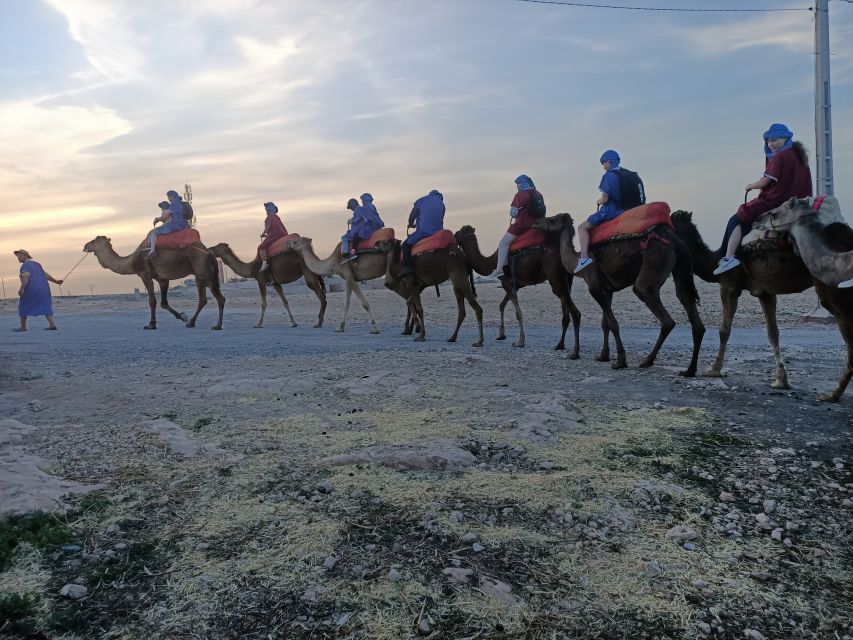
Private and small-group options are available, but the exact vehicle and group size should be confirmed before booking. The included transport makes the route practical, while the driver becomes an important part of your experience. Drivers such as Ahmed, Abrid, Khalid, Chantik, and Said were praised for being on time, friendly, helpful with children, and willing to suggest places to eat or visit.
That does not mean every departure will have the same driver, so treat those names as examples rather than a guarantee. What you can reasonably expect is an English or French-speaking driver and WhatsApp contact before pickup.
The pace is active. You will spend substantial hours in the vehicle, then walk through historic sites, canyons, palms, and dunes. Comfortable shoes, sunscreen, sunglasses, a hat, and a headscarf all make sense. Warm clothing is important in winter, while modest clothing is the safer choice since shorts are not allowed.
The tour is not suitable for pregnant women, people with mobility impairments, people with respiratory issues, or anyone over 95. The camel ride can be replaced by a 4×4 transfer, but the overall route still includes long drives and walking stops.
Who should book this Sahara trip?
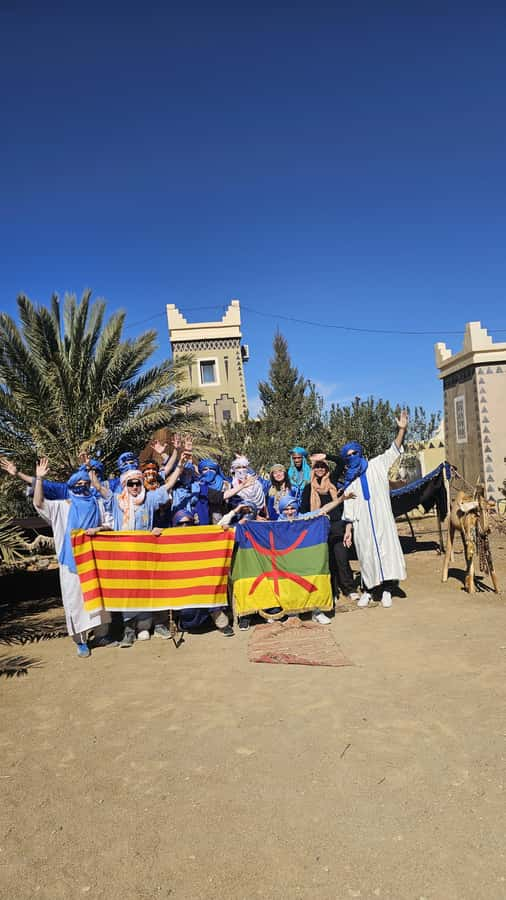
I would recommend it to a first-time visitor who wants the major southern Morocco sights in one organized trip. It works particularly well for couples, families with children who can handle long drives, and anyone who wants the desert camp experience without planning transport, hotels, meals, and camel logistics separately.
The strongest parts are the route variety and the camp night. You get mountain passes, a famous earthen village, a gorge, palms, dunes, sunset, sunrise, and drums around a fire. Few short tours offer that many distinct settings.
I would hesitate if you dislike long road journeys or need a slow schedule. You may also want a more private arrangement if you care about spending extra time at Ait Ben Haddou, hiking longer in Dades, or choosing every meal and stop yourself.
Final verdict: a good-value route with one unforgettable night
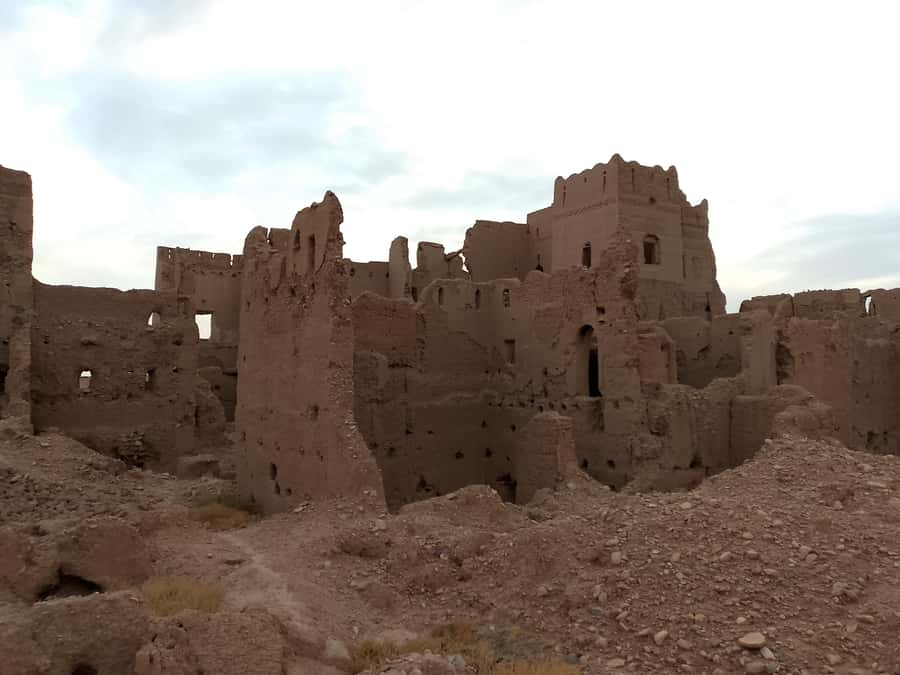
Book this tour if your priority is seeing the Sahara and several southern Morocco highlights at a manageable price. The $182 package covers enough major costs to make it attractive, and the camp night, camel trek, and sunset over Erg Chebbi give you the experience most people hope to find.
Skip it if comfort and unhurried time matter more than coverage. For everyone else, pack light for the desert, bring warm layers, keep cash for lunches and guide fees, and accept the long drives as the price of reaching Merzouga from Marrakech.
FAQ
Where does the tour pick up in Marrakech?
Pickup is available from your accommodation in central Marrakech or from the closest location accessible by car. Pickup outside Marrakech may require an additional fee.
Is the camel ride included?
Yes. The price includes one camel per person. You can request a 4×4 transfer to the desert camp instead of riding a camel.
Are meals included?
Breakfast and dinner are included at the overnight accommodations and desert camp. Lunches, soft drinks, and other personal purchases are not included. Vegetarian meals are available on request.
Can I leave my main luggage during the desert night?
Yes. You should bring a small backpack for the camp, while larger luggage can be stored safely in the vehicle during the camel trek.
Are local guides included at the sightseeing stops?
No. Guides at Ait Ben Haddou, Todra Gorges, and Monkey Fingers are optional and paid locally. The listed costs are generally around €2 to €3 per person, depending on the stop.
What should I bring?
Bring comfortable shoes, comfortable clothing, warm layers, sunscreen, sunglasses, a hat, a headscarf, and a camera. Warm clothing is especially important in winter.
More 4-Day Experiences in Morocco
- Agadir Jeep Safari Sahara Desert 4×4 Day Tour with Lunch
★ 5.0 · 122 reviews - 4 Days Group Camping Safari
★ 5.0 · 1,101 reviews - Private 4-Day Golden Triangle Tour with Ranthambore Tiger Safari
★ 5.0 · 248 reviews - 4-Day Safari from Arusha: Tarangire, Serengeti and Ngorongoro
★ 5.0 · 173 reviews
Newest safaris around Morocco
- Explore Agadir wildlife national park safari with lunch & pickup★ 5.0 · 12 reviews
- Agadir Jeep Safari Desert Day Trip including Lunch & camel ride★ 5.0 · 24 reviews
- Jeep 4×4 Safari Desert Dunes & Atlantic Ocean with Berber Lunch★ 4.5 · 45 reviews
- Dromedary Safari: 2 hours★ 5.0 · 11 reviews
- Agadir Quad Bike Safari Desert Sunset★ 5.0 · 29 reviews
- 4×4 Jeep Desert Safari Tour with Lunch and Camel Ride★ 4.5 · 21 reviews
- Full-Day Safari Small Desert With Lunch★ 4.5 · 224 reviews
- Safari Camel Ride in Banana Beach from Agadir★ 5.0 · 10 reviews
Desert Safaris, compared.
Desert Safari, Quad Bike, Camel Ride & Al Khayma Camp
Read our review →
Desert Safari, Quad Bike, Camel Ride and Sandboarding
Read our review →
Desert Safari with BBQ Dinner & Quad Biking Options
Read our review →
Half-Day Desert Safari, Camel Ride, ATV & Dune Buggy
Read our review →
Desert Safari, Camel Ride, Sandboarding, Quad Bike
Read our review →
Dubai Desert Safari – Camel Ride, Sandboarding & 30 Min Quad
Read our review →
Dubai Premium Red Dunes Safari, Camels & 5* BBQ at Al Khayma camp
Read our review →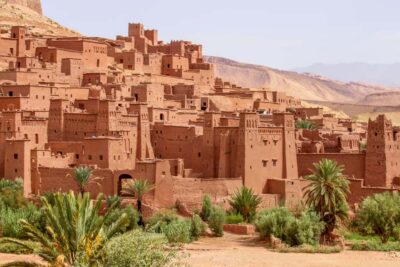
Browse the lists this tour appears in