
Review · ARUSHA, TANZANIA
Marangu waterfall & Coffee making Cultural Tour | BURIGI CHATO SAFARIS CO LTD
Coffee, caves, waterfalls, and Chagga traditions fill one day. This tour takes you from Arusha toward Marangu on Kilimanjaro’s lower slopes, where you can see village life, visit a small coffee farm, walk to Ndoro Waterfalls, and learn about the Chagga people. I especially like the hands-on coffee work and the chance to share a traditional meal with local food and banana beer. The main drawback is the long, full schedule: eight hours can feel tight if you prefer slow walks or extended time at each stop.
I also like that the day is not built around a single viewpoint. You get nature, food, history, and a practical look at how coffee moves from plant to cup. Ask for hotel pickup when booking, and confirm the meeting details, since the stated start point is Arusha and pickup is available on request.
Five things to know before you go
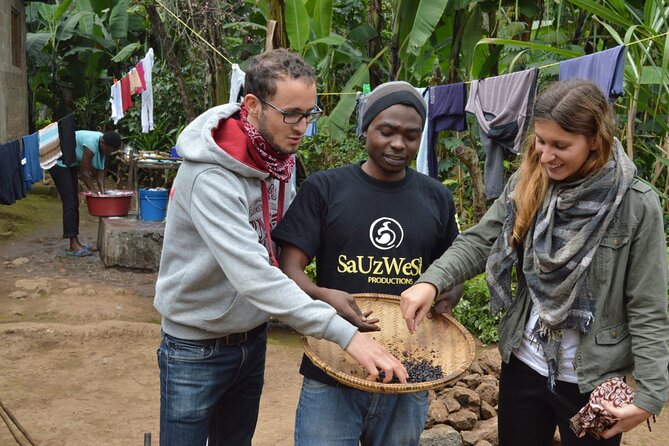
- Coffee is hands-on: You can help process, roast, and prepare your own cup at a small local farm.
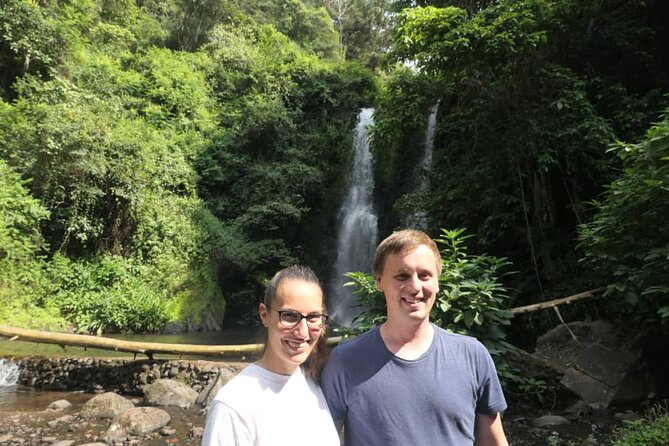
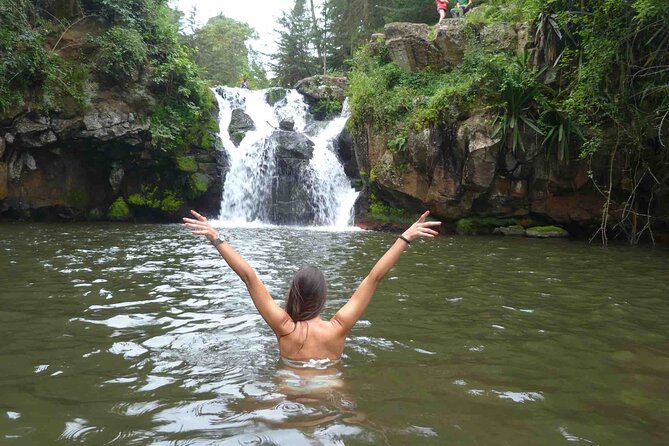
- Ndoro Waterfalls includes swimming: The pool is described as safe for a refreshing dip, but the water can be very cold.
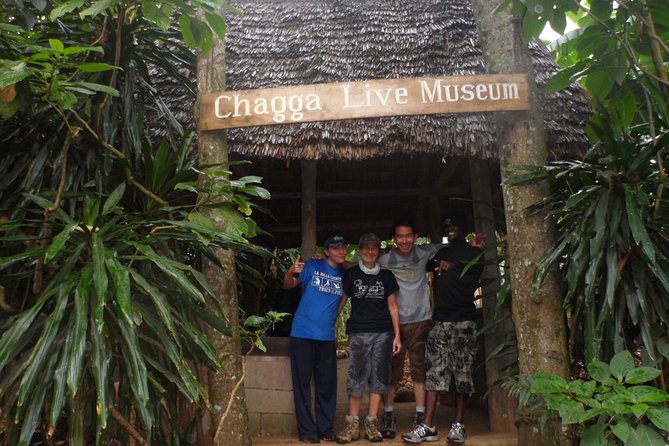
- The Chagga story is central: Underground caves and the Chagga Live Museum add meaning beyond the scenery.
- Lunch is part of the day: A hot traditional meal is included, with chances to try local drinks such as banana beer.
- The tour runs about eight hours: It begins at 8:00 a.m. and returns to the original meeting point in Arusha.
- The price covers the main outing: At $150 per person, lunch, taxes, crew wages, and a first aid kit are included, while tips, visas, flights, hotels, and additional park fees are not.
From Arusha to Marangu Gate at 1,900 meters
The day begins at 8:00 a.m. with a drive from Arusha toward Marangu, on the lower slopes of Mount Kilimanjaro. The first stop is Marangu Gate, listed at about 1,900 meters above sea level and known as the starting point for Kilimanjaro’s Marangu Route.
You are not climbing Kilimanjaro on this outing. Instead, the gate gives you a sense of the mountain’s scale and the setting where many longer treks begin. If the weather is clear, you may get photographs of Kilimanjaro, though mountain views are never guaranteed.
I would treat this opening stop as a short orientation rather than the main event. The real value comes from connecting the mountain with the Chagga communities living around its lower slopes. Your guide explains local traditions and the area’s past as you move between the stops.
The trip is best suited to someone who wants a full cultural day rather than a simple waterfall visit. You will spend time in a vehicle, walk on uneven ground, visit a cave, and move through several locations. Comfortable shoes and clothing that can handle water are sensible choices.
A few more safaris around Arusha worth a look
- 6 Days Serengeti Safari(hiking waterfalls &coffee tour)
★ 5.0 · 48 reviews - Materuni Waterfalls & Coffee making Cultural Tour | BURIGI CHATO SAFARIS LTD
★ 5.0 · 15 reviews - Cappadocia Off-Road Jeep Safari Experience with Free Coffee
★ 4.9 · 19 reviews
Coffee from plant to fresh cup
The coffee farm is one of the strongest parts of the tour because you do more than look at coffee plants. You learn how the crop is grown, harvested, and processed locally, then try some of the work yourself.
The process includes handling the beans, roasting them, and preparing a fresh cup. That makes the coffee stop useful even if you already enjoy coffee at home. You see the labor behind the drink instead of treating it as a quick tasting.
This part also gives the day a direct connection to local livelihoods. Coffee is grown on the cultivated slopes around Kilimanjaro, and the farm visit shows how agriculture fits into village life. The setting may be small and informal, which is part of the appeal. Do not expect a polished commercial coffee attraction with a large gift shop or staged presentation.
I would allow yourself to slow down here. Smell the beans as they roast, ask how the plants are cared for, and pay attention to the steps between harvest and brewing. The best guides explain not only what happens, but why each step matters.
The name Geoffrey appears in accounts of this outing as a guide or organizer who arranged transport and led a positive coffee visit. If he is handling your day, you can ask whether he will guide the whole route or coordinate local guides at the different stops.
Walking to Ndoro Waterfalls
After the coffee break, the tour continues to Ndoro Waterfalls. Reaching the falls involves a hike through green vegetation and hilly ground. The walk is part of the attraction, not just a way to reach a photo stop.
You may see a mix of cultivated land, village paths, and plants used in everyday life. One guide was praised for explaining local plants and even pointing out how certain plants marked boundaries between farms. That sort of detail can turn an ordinary walk into a better understanding of the area.
The waterfall setting has earned especially strong praise. You can view the water from above and below, depending on the route and conditions, and the walk offers broad views toward the village and Moshi. On clear days, Kilimanjaro may appear again.
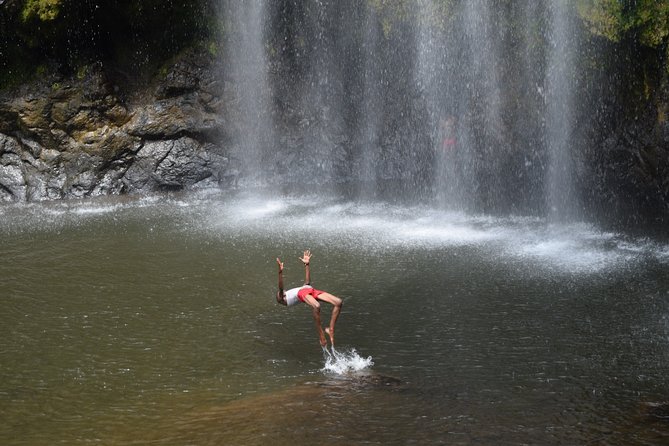
The pool is described as suitable for swimming, but the water can be cold. Bring a swimsuit if you want to take the plunge, plus a towel and a dry change of clothes. Avoid climbing close to the lip of the falls. The water may look calm in places, but a drop can be dangerous, and one account specifically warns against getting too near the edge.
The trail may not suit everyone equally. The tour description says most people can participate, but that is a broad statement rather than a detailed fitness rating. If you have trouble with hills, slippery paths, or uneven ground, ask about the walking conditions before you book.
Inside the Chagga Underground Caves
The caves add a darker and more serious note to the day. According to the tour’s historical account, Chagga communities built underground cave networks as protection during conflicts involving Maasai groups who moved toward Kilimanjaro during periods of drought.
Your guide explains how the caves were used and how the Chagga responded to attacks. The subject involves enslavement, killing, and survival, so this is not simply a fun underground walk. Listen carefully and ask questions if the history feels compressed. A good explanation should make room for the complexity of relationships between neighboring communities rather than turning the past into a simple hero-and-villain tale.
The cave visit also helps explain why local history matters to the people you meet. You are not just passing through a scenic village. You are seeing places tied to fear, defense, food, water, and community survival.
Expect a basic site rather than a heavily developed attraction. Wear shoes with a good grip and be ready for confined spaces. The supplied information does not give specific cave dimensions, lighting arrangements, or accessibility details, so ask the operator if those issues matter to you.
More History Tours in Arusha:
- Dubai Evening Heritage Safari by Vintage G Class Al Marmoom Oasis
★ 5.0 · 1,500 reviews - Dubai Camel Desert Safari, Traditional Meal & Heritage Activities
★ 5.0 · 937 reviews - Dubai: Heritage Safari in Vintage Land Rover with Dinner
★ 4.8 · 861 reviews - Dubai: Heritage Safari, Camel Ride & Al Marmoom Oasis Dinner
★ 4.8 · 431 reviews
Chagga Live Museum and everyday traditions
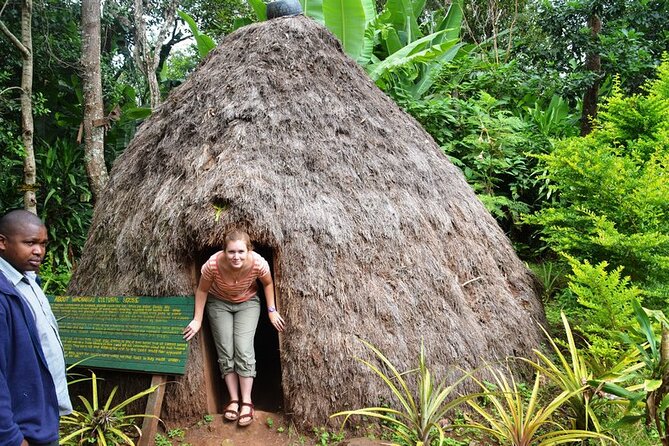
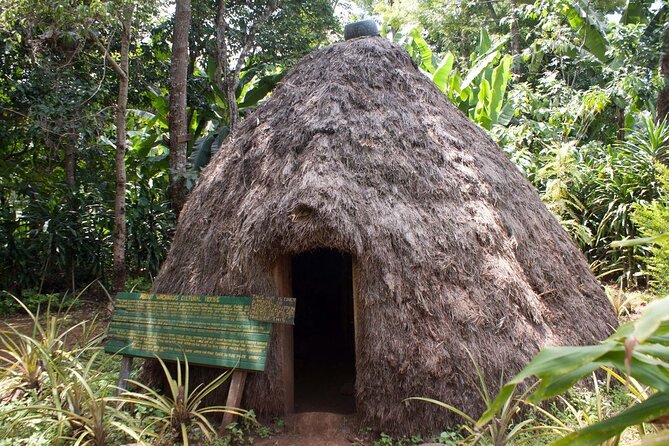
The Chagga Live Museum is a small outdoor museum focused on traditional Chagga life. It follows the cave visit well because it shifts the story from conflict to ordinary routines, homes, food, farming, and family life.
Accounts of the day describe houses with straw roofing, introductions to local residents, and explanations of Chagga customs. You may also learn about plants, household practices, and how people lived around the lower slopes of Kilimanjaro.
The museum’s value is personal and local. It is not meant to replace a large national museum or a formal academic history lesson. Instead, it gives you a physical setting in which to understand the people and traditions discussed during the drive and walks.
Be respectful when taking photographs, especially around homes, families, and religious or ceremonial items. Ask before photographing people. The experience works best when you treat it as a meeting with a community, not as a stage set.
A hot meal, local spirits, and village hospitality
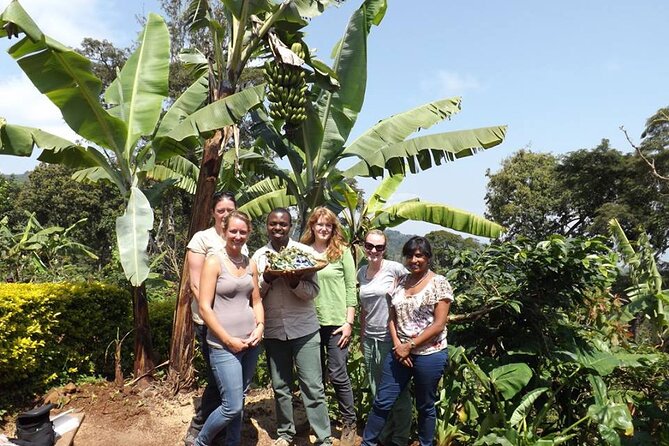
Lunch is included, and food is one of the most praised parts of the outing. You may eat at a small restaurant or with a local family, depending on how the day is arranged. The meal is described as a generous traditional African lunch rather than a standard boxed picnic.
Local drinks add another layer. Banana beer is specifically included as a possible tasting, and some accounts also refer to a locally brewed drink called mbege. These drinks are part of social life in the area, but you do not need to drink alcohol to enjoy the food or the welcome.
If you have allergies, dietary restrictions, or strong food preferences, tell the operator before departure. The information provided confirms that lunch is included, but it does not give a set menu or guarantee specific dietary substitutions.
I would expect lunch to take time, especially if you eat with a family or in a small local setting. That is a benefit if you want personal contact, but it also means the day may not run like a tightly timed sightseeing circuit. Flexibility is part of the experience.
What the $150 price really covers
The price is $150 per person for roughly eight hours. That is not a cheap local walk, but it can be fair value if you use the full package: transport coordination, a guide, waterfall access, coffee preparation, cave and museum visits, lunch, taxes, crew wages, and a first aid kit.
The price makes more sense for someone who wants several experiences in one day. Booking separate transport, arranging a coffee farm visit, finding a guide for the caves, and organizing lunch could take more effort. Here, those pieces are joined into one route.
The inclusions are not unlimited. Flights, visas, hotel costs, tips, and additional park fees are excluded. The notes also say additional park fees may apply, so ask exactly what is covered before paying. Hotel pickup is available on request, but the stated start point is Arusha and the activity ends back at the original meeting point.
The listed maximum is 200 people, which is a very large possible group. That does not mean every departure has 200 people, but I would ask about the expected group size. A smaller group will make the cave visit, coffee preparation, family lunch, and questions with the guide much easier.
Timing, transport, and what to pack
The tour starts at 8:00 a.m. and lasts about eight hours. Because it includes a drive, several cultural stops, a hike, swimming time, and lunch, the schedule is full. You should not book it on a day when you need to catch a flight or make another fixed appointment.
Pickup can be arranged from a hotel, but confirm this in advance. Mobile tickets are accepted, and confirmation is provided when you book. The activity is near public transportation, though private transport is the practical way to handle a day spread across Marangu.
Pack:
- Walking shoes with good grip
- A swimsuit, towel, and dry clothing
- Sun protection and drinking water
- A light layer for changing conditions
- A phone or camera
- Small cash for tips or personal purchases
The first aid kit is included, but that does not remove the need to take care on the trail and around the falls. Watch your footing, follow the guide’s instructions, and stay well back from dangerous edges.
Who will enjoy this day most?
I would recommend this tour to you if you want culture tied to real places and daily life. It suits visitors staying in Arusha or near Kilimanjaro who want more than a standard city tour, but who do not have time for a multi-day trek.
It is also a good choice if you enjoy food-based travel. Making coffee, tasting banana beer, and sharing a traditional meal give the day a social feel that a viewpoint-only excursion cannot match.
Families may enjoy the mix of activities, but parents should judge the cave and waterfall walk for their children. Most people can participate, according to the tour details, but no precise age range or accessibility information is provided.
I would choose another plan if you want a quiet, slow day, a serious coffee education, or a long waterfall hike. This is a broad introduction to Marangu, not a specialist tour in one subject.
Should you book the Marangu cultural tour?
Book it if you want one busy day that combines coffee, Chagga culture, local food, caves, and a waterfall. The strongest reasons are the hands-on coffee preparation, the personal feel of the meal, and the guide-led explanations of plants, history, and village life.
Before you commit, confirm hotel pickup, expected group size, possible additional park fees, the exact lunch arrangement, and whether swimming conditions are suitable that day. If you are comfortable with a full schedule and uneven walking, the $150 price offers a useful range of experiences in one outing. If you prefer one carefully paced activity, choose a dedicated waterfall or coffee tour instead.
Free cancellation is available when you cancel at least 24 hours before the 8:00 a.m. start. Changes or cancellations within 24 hours are not refunded.
FAQ
Where does the tour start and finish?
The activity starts in Arusha at 8:00 a.m. and ends back at the original meeting point. Hotel pickup is available on request.
How long does the tour last?
The tour lasts approximately eight hours.
Is lunch included?
Yes. A traditional hot meal is included, and local drinks such as banana beer may also be offered.
Can I swim at Ndoro Waterfalls?
Yes. The waterfall pool is described as safe for swimming, but the water can be very cold. Stay away from the edge and follow the guide’s safety advice.
What does the $150 price include?
The price includes lunch, all stated fees and taxes, crew wages, and a first aid kit. Flights, visas, tips, hotel costs, and additional park fees are not included.
Can most people take part?
The tour information says most people can participate. It includes a hike, uneven ground, a cave visit, and time around a waterfall, but no detailed accessibility rating is provided.
Newest safaris around Arusha
- Serengeti & Ngorongoro fly in safari★ 5.0 · 76 reviews
- 7 days great migration safari★ 5.0 · 77 reviews
- 5 days safari, hiking & culture (Serengeti & kilimanjaro)★ 5.0 · 27 reviews
- 6 days Tanzania budget safari★ 5.0 · 65 reviews
- 3 Days Tanzania Budget Group Joining Safari Tour★ 5.0 · 16 reviews
- Amazing 4 Days Tanzania Budget Camping Group Joining Safari★ 5.0 · 15 reviews
- 4 days safari★ 5.0 · 34 reviews
- Best 5 Days Tanzania Private Luxury Safari with luxury Lodges★ 5.0 · 12 reviews
Historical Tours, compared.
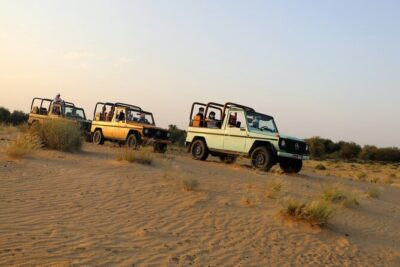
Dubai Evening Heritage Safari by Vintage G Class Al Marmoom Oasis
Read our review →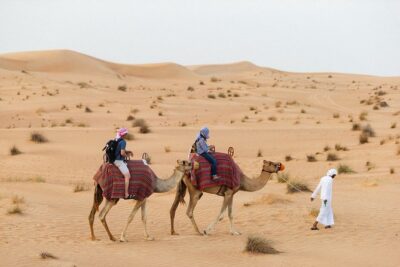
Dubai Camel Desert Safari, Traditional Meal & Heritage Activities
Read our review →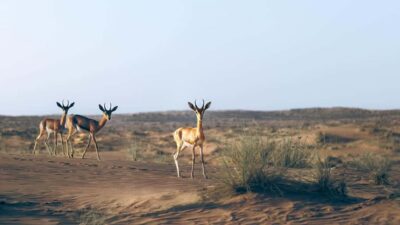
Heritage Safari in Vintage Land Rover with Dinner
Read our review →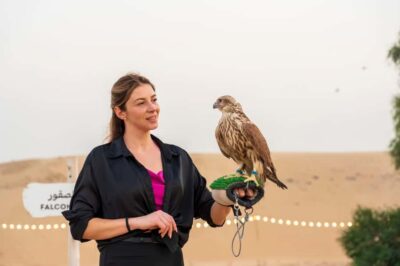
Heritage Safari, Camel Ride & Al Marmoom Oasis Dinner
Read our review →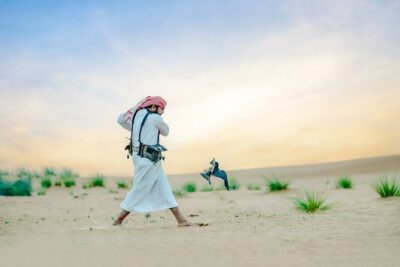
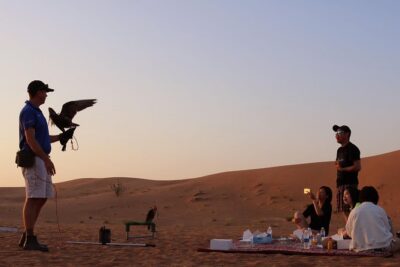
Desert Safari with Entertainment & BBQ Dinner-Heritage Camp
Read our review →
Dubai Evening Desert Safari With BBQ Dinner at Arabian Heritage
Read our review →
Browse the lists this tour appears in