
Review · BOZEMAN, USA
Yellowstone Winter Wildlife Safari from Bozeman
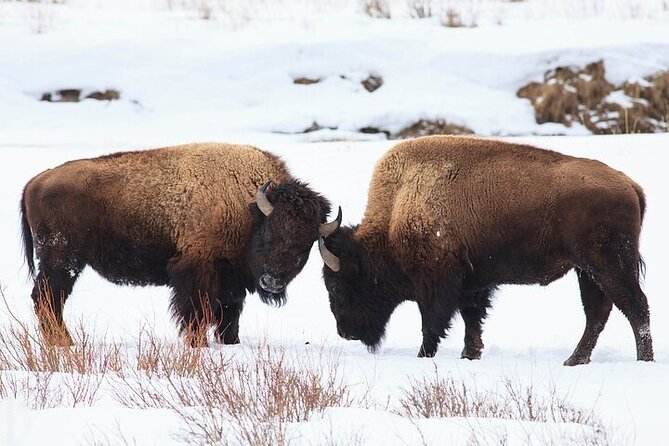
Wildlife feels closer in a quiet Yellowstone winter. This full-day safari leaves Bozeman at 7:00 a.m. and takes you into the park’s northern reaches, where bison, elk, wolves, moose, coyotes, eagles, and other animals may be found against snowy mountain country. I especially like the small group limit of eight and the use of binoculars and spotting scopes, which make a real difference when an animal is far across a valley.
I also like that lunch, snacks, and non-alcoholic drinks are included. The locally sourced picnic uses seasonal ingredients and recyclable or compostable packaging, while guides such as Gary, Gabrielle, Elizabeth, Zak, and Alan have earned praise for their patience, sharp eyes, and ability to explain what you are seeing. The main drawback is the long day: you pay $350 per person, still owe the $20 park entrance fee, and must arrange your own way to the Bozeman meeting point.
Key points to know before booking
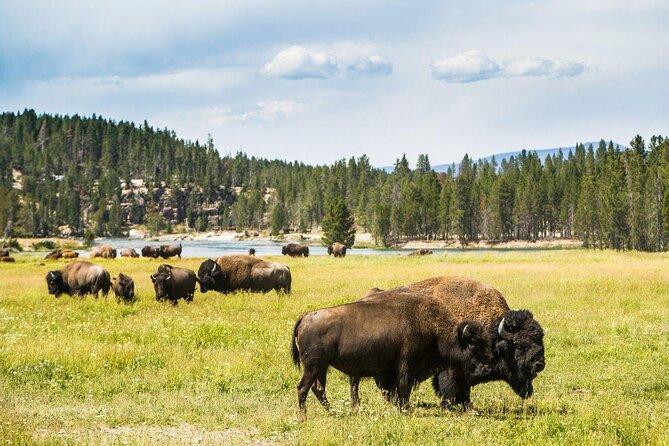
- Wildlife is the main event: The route focuses on the Yellowstone River, Slough Creek, and Lamar Valley, all important areas for spotting animals.
- A maximum of eight people: This is a much more personal setup than a large coach tour, with room to ask questions and use the scopes.
- A 7:00 a.m. start: Plan on roughly 10 to 11 hours, including the drive from Bozeman and stops around the northern park.
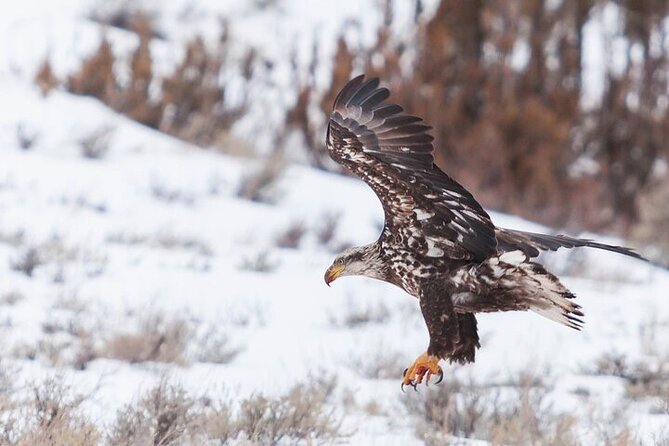
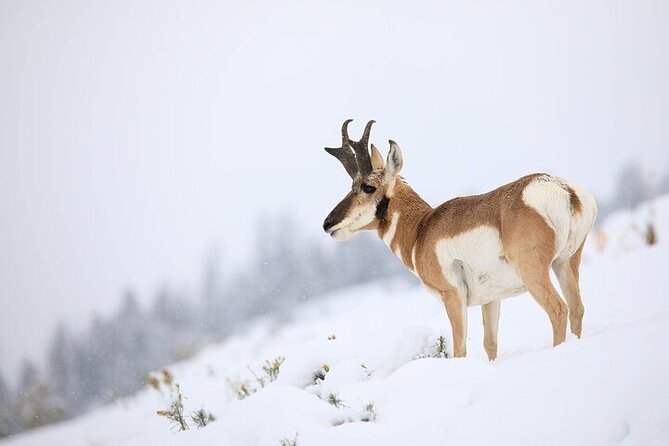
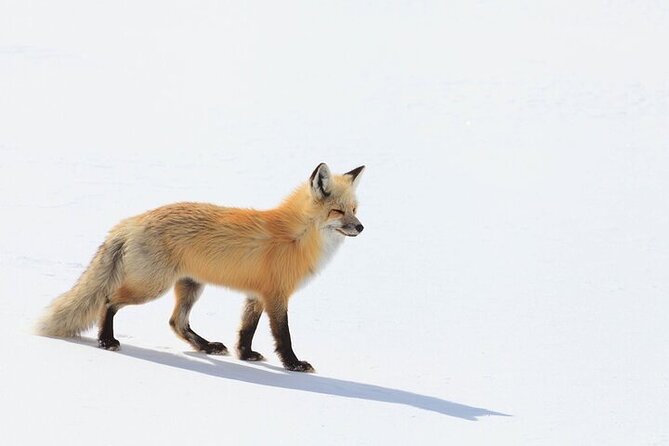
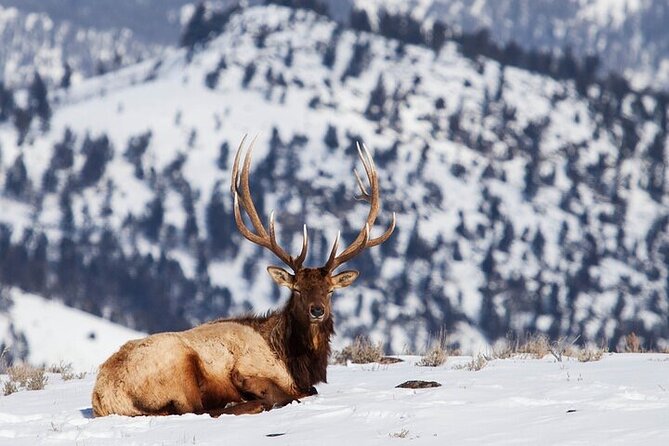
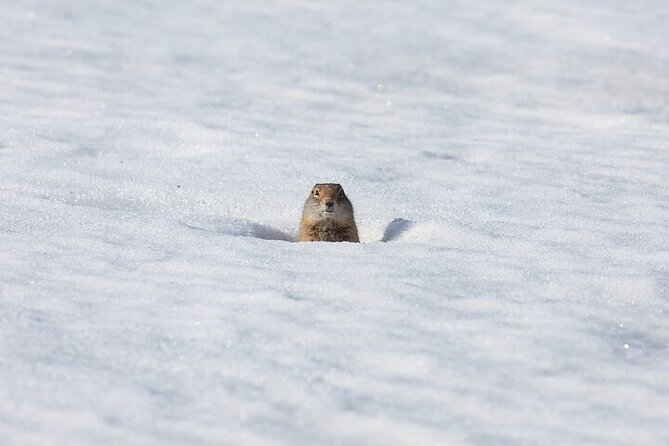
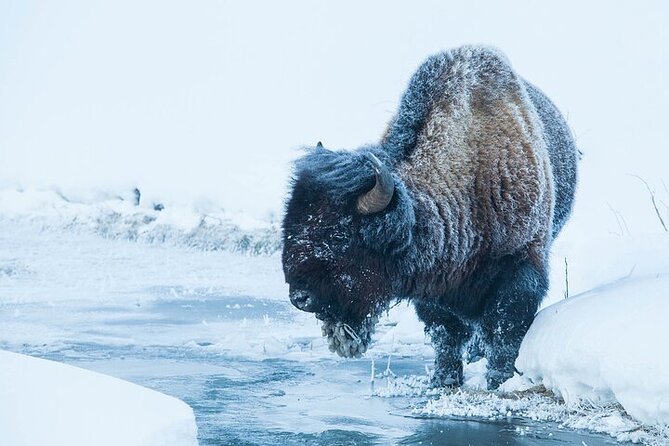
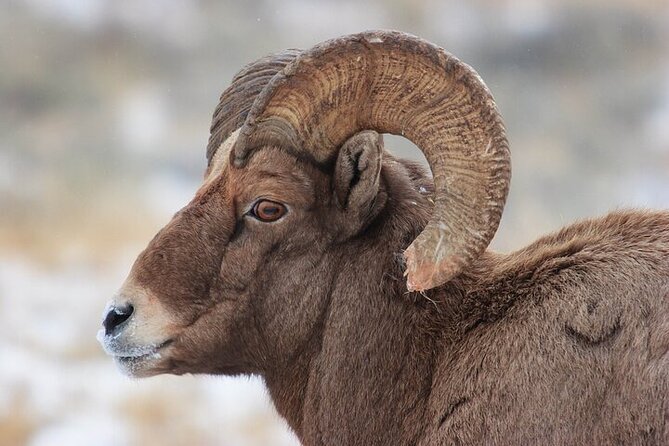
- Winter sightings can be excellent: Past outings have included wolves, bison, elk, moose, coyotes, foxes, bears, bighorn sheep, pronghorn, and bald eagles.
- Lunch and viewing gear are included: You get a locally sourced picnic, snacks, drinks, UHD binoculars, and spotting scopes.
- The $350 price is not all-inclusive: Yellowstone’s $20 entrance charge is extra, and there is no hotel pickup or drop-off.
Why winter makes this safari different
Yellowstone in winter has a quieter, more focused feel. The northern route brings you through Mammoth Hot Springs, Tower, the Yellowstone River corridor, Slough Creek, and Lamar Valley. Instead of trying to cover every corner of the park, the day concentrates on wildlife habitat and a handful of historic and geological sights.
That focus matters. You are not simply being driven from one famous viewpoint to another. The guide watches the valleys, riverbanks, hillsides, and open slopes for movement. A spotting scope can turn a tiny shape into a wolf, fox, or eagle. A good guide also helps you understand why an animal is in that particular place.
I like the balance between active searching and scenic stops. You may spend time scanning a valley, then pause at Mammoth Hot Springs or the Roosevelt Arch for a change of pace. The day has enough variety to keep non-wildlife specialists interested, too.
The safari is offered in English and normally takes 10 to 11 hours. That is a serious commitment, but it also gives you time to reach the northern section of Yellowstone from Bozeman and return without rushing every stop.
More Wildlife Safaris in the USA
- Grand Teton Wildlife Safari in a Enclosed or Open-Air Vehicle (season dependent)
★ 5.0 · 1,212 reviews - Half-Day Wildlife Safari Tour in Grand Teton National Park
★ 5.0 · 341 reviews - Half Day Grand Teton Wildlife Safari Tour
★ 5.0 · 259 reviews
Leaving Bozeman at 7:00 a.m.
The meeting point is Café M at 777 E. Main Street in Bozeman. There is no hotel pickup or drop-off, so you need to reach the café yourself. The tour ends back at the same meeting point.
An early start is useful for a wildlife day. It gives the group more time in Yellowstone and leaves room for several stops. Still, you should be ready for a long outing. Children must be at least eight years old, and if your child needs a booster or car seat, you must bring it.
With a maximum of eight people, the vehicle should feel more personal than a big sightseeing bus. The exact seating setup is not provided, so anyone who needs a particular seating arrangement should ask before booking. The small group also makes it easier to stop for questions, adjust the pace, and share a scope without turning every sighting into a crowd scene.
Mammoth Hot Springs: a strong first stop
Mammoth Hot Springs is one of the most distinctive places on the northern route. Its travertine terraces form as mineral deposits build up over time. Algae living in the pools gives the formations brown and reddish tones, adding color to the pale mineral terraces.
The planned stop lasts about an hour. That is enough time to look at the thermal features and hear about their geological and historical importance. A guide can help you read the terraces as an active process rather than just a collection of pretty shapes.
This is also a useful early stop because it introduces Yellowstone’s volcanic character before the day turns more fully toward wildlife. The drawback is simple: if your priority is animals, an hour at the hot springs means an hour less spent scanning the valleys. The route makes room for both, but this is not a nonstop animal chase.
Petrified Tree and Tower Fall
The half-hour stop at Petrified Tree offers a different kind of Yellowstone story. A petrified redwood may seem out of place here, but it points to a much older volcanic past when the area looked very different. The stop is short, yet the subject gives your guide a chance to explain how Yellowstone’s present scenery grew from earlier geological events.
Tower Fall is another 30-minute stop. The waterfall takes its name from the rock pinnacles at its brink. Erosion is slowly moving the falls upriver, though the change is too slow to see during a normal visit.
These stops work best as brief breaks from wildlife watching. You get a chance to stretch your attention toward geology and scenery, then return to the search for animals. If you want long walks at every sight, the schedule may feel tight. This safari is designed around many short viewpoints and a few longer wildlife sessions.
Same region, a very different drive:
- Everglades Airboat Safari Adventure with Transportation
★ 3.0 · 956 reviews - 3 Hour Off-Road Sunset Safari to Grand Canyon with Entrance Gate Detour
★ 5.0 · 904 reviews - Kauai Deluxe Waterfall Safari: Helicopter Tour
★ 5.0 · 900 reviews - Wild Florida Drive-Thru Safari and Gator Park Admission
★ 4.5 · 892 reviews
The Yellowstone River corridor
The Yellowstone River stop lasts about 30 minutes and is aimed at wildlife viewing. The river begins in the Absaroka Range, crosses Yellowstone and Paradise Valley, then continues east toward the Missouri River. Along the way, it provides habitat for many species and supports a strong trout population.
The river is important because water draws life. You might find animals near the banks or on the open ground nearby, though sightings are never guaranteed. The guide’s role is especially useful here. A trained eye can distinguish an animal from a rock or shadow and can explain how the river fits into the wider ecosystem.
This is a good place to use the provided binoculars. The scopes are most helpful when animals are distant, while binoculars let you scan a broader area more quickly. You will want warm clothing and patience. Wildlife viewing often involves standing still and looking carefully rather than moving from one attraction to the next.
Slough Creek and Lamar Valley
Slough Creek is a tributary of the Lamar River and begins in the Absaroka Range. The safari makes multiple stops in this area to track and spot wildlife, with about 30 minutes listed for the scheduled stop.
The bigger wildlife commitment comes in Lamar Valley, where the group spends about two hours. Lamar is often called the Serengeti of North America because of its open setting and concentration of wildlife. That nickname should not create unrealistic expectations, since nature does not follow a timetable, but the area is a sensible place to spend serious viewing time.
Past outings have produced an impressive range of sightings: bison, wolves, elk, moose, coyotes, foxes, deer, pronghorn, bald eagles, and bighorn sheep. Some outings have included a bear den, and one reported day included a mother grizzly with two cubs outside Yellowstone. Those are exceptional moments, not promises, but they show why the northern route attracts serious wildlife watchers.
The guide may set up a spotting scope and help you locate animals at a distance. One guide, Zak, was praised for sharing scope video of wolves afterward, while another outing with Grant included close scope viewing of wolves. The use of phone adapters or similar scope photography equipment has also helped some people take home short photos or videos.
The two-hour Lamar Valley block is the heart of the day. It rewards patience. If you want a quick checklist of sights, weather or animal behavior may frustrate you. If you enjoy watching a valley closely and learning how to spot life within it, this is where the safari earns its keep.
Albright Visitor Center and the Roosevelt Arch
The Albright Visitor Center and Museum occupies a historic building that once housed cavalry troops assigned to protect Yellowstone before the National Park Service was created. The stop lasts about an hour and adds useful context to the park’s early management and protection.
This is a good pause after extended wildlife viewing. You can shift from animals and geology to the human story of Yellowstone. The building’s former military use also helps explain how the park was guarded and administered in its early years.
The Roosevelt Arch is at the north entrance in Gardiner, Montana. Built in 1903, it rises 52 feet and uses hexagonal blocks of columnar basalt. The arch was intended as a grand entrance to the world’s first national park, though later entrance features were never completed and the official park entrance moved south of Gardiner.
The arch stop lasts about an hour. It is a worthwhile photo and history stop, especially if you appreciate the ideas behind national parks as well as the scenery inside them. It also gives the day a clear sense of place at the northern gateway.
Paradise Valley on the return route
Paradise Valley runs between Livingston and Gardiner, bordered by the Gallatin Range on one side and the Absaroka Range on the other. The Yellowstone River passes through the valley, which supports wildlife and includes geological features of its own.
The safari allows about 90 minutes here, again with wildlife viewing in mind. This is a scenic way to finish the day, and the open valley can provide a final chance to spot animals before returning to Bozeman.
The route includes a 30-minute stop at the Yellowstone National Park north entrance. The park admission is not included, and the stated fee is $20 per person. That extra cost is easy to overlook when comparing tour prices, so add it to your budget from the start.
What the guides add to the day
The strongest part of this experience is not just the route. It is the guide. Names praised across different outings include Alan, Gary, Gabrielle, Elizabeth, Zak, Grant, Nate, Kelsey, and Elaina. Their strengths vary, but the pattern is clear: people valued guides who could answer questions, spot distant animals, explain park history, and adjust the day to the group.
Gary was credited with finding nine moose, wolves, coyotes, bison, and elk on one winter outing. Elizabeth was praised for keeping the day enjoyable in rainy weather. Gabrielle received praise for giving personal attention and showing genuine enthusiasm. Adam was noted for making a day worthwhile even when wildlife sightings were limited.
That last point matters. No ethical wildlife safari can promise bears, wolves, or moose. A good guide gives you a better chance, but also makes the geology, scenery, and quiet moments useful. This company’s strongest feedback points to that broader skill.
Lunch, snacks, and the real value of $350
At $350 per person, this is not a budget park excursion. Add the $20 Yellowstone entrance fee, and the basic total becomes $370 per person before any personal spending.
Still, the price includes a professional naturalist guide, binoculars, spotting scopes, lunch, snacks, and non-alcoholic drinks. The picnic uses locally sourced seasonal ingredients and recyclable or compostable packaging. Several outings specifically praised the food, and one guide adapted the lunch and snacks to dietary restrictions.
The value depends on how you would otherwise visit Yellowstone. If you already own good optics, understand the northern route, and feel comfortable finding wildlife yourself, a self-guided day may cost less. You would also have more control over stops.
The safari makes more sense if you have one day, want to avoid doing all the driving and searching yourself, or care about learning what you see. The scope equipment alone can change the experience when a wolf or eagle is far away. For families, couples, and older relatives, the guide’s help with pacing and short walks can also be worth paying for.
Who should book this safari?
I would choose this experience if you want wildlife to be the central purpose of your Yellowstone visit. It also suits anyone visiting in winter who prefers a guide, needs viewing equipment, or wants a compact group rather than a large vehicle.
Families with children eight and older can join, and the guides have shown they can answer children’s questions. The day also worked well for a group that included an elderly parent, with the guide offering a shorter walk for one person while another member enjoyed a quick hike to a viewpoint.
You should think twice if you dislike early starts, long road days, or waiting quietly for animals. The itinerary has many stops, but not every stop is a long walk or a major attraction. Wildlife sightings depend on conditions and animal behavior.
The cancellation terms are fairly flexible: you can receive a full refund if you cancel at least 24 hours before the start time. Poor weather or failure to meet the minimum group size can also lead to a different date or a full refund.
FAQ
Where does the Yellowstone winter wildlife safari begin?
It begins at Café M, 777 E. Main Street, Bozeman, Montana. The start time is 7:00 a.m., and the tour ends back at the same meeting point.
How long does the safari last?
The experience lasts approximately 10 to 11 hours, including the drive and stops around Yellowstone’s northern region.
Is the Yellowstone entrance fee included?
No. The stated Yellowstone National Park entrance fee is $20 per person and must be paid separately.
Are meals and viewing equipment included?
Yes. The tour includes a locally sourced picnic lunch, local snacks, non-alcoholic beverages, UHD binoculars, and spotting scopes.
How many people can join the tour?
The maximum group size is eight people. Children must be at least eight years old to participate.
What happens if the weather is poor?
The experience requires good weather. If it is canceled because of poor weather, you can choose another date or receive a full refund.
Should you book it?
Book this safari if you want the best chance of seeing Yellowstone wildlife without having to plan the route, carry optics, or spend the day guessing where to look. The small group, strong guide feedback, included food, and long Lamar Valley viewing period give it real value for a one-day visit.
I would skip it only if $350 plus the entrance fee stretches your budget, or if you prefer complete freedom to explore at your own pace. For everyone else, especially first-time Yellowstone visitors with one day to spare, this is a practical and well-supported way to experience the park’s northern wildlife country.
More Winter Trips in the USA
- Private Yellowstone Winter Wolf Watching and Wildlife Safari
★ 5.0 · 26 reviews - Yellowstone Winter Wildlife & Snowshoe Tour | PRIVATE
★ 5.0 · 19 reviews - Yellowstone Snowshoe Safari from Bozeman – Private Tour
★ 5.0 · 18 reviews - Ottawa: Private Parc Omega Wildlife Safari – Winter Magic
★ 5.0 · 64 reviews
Newest safaris around the USA
- 3 Hour See Crystal River Wildlife Safari Boat Cruise★ 4.5 · 25 reviews
- Northern Yellowstone Safari from Cody, WY★ 4.5 · 24 reviews
- Red Canyon Wild Mustang Tours And Safaris In Cody Wyoming★ 5.0 · 27 reviews
- Wetlands Safari Eco-Cruise in Cape May (Osprey Birding By Boat)★ 5.0 · 113 reviews
- Yellowstone Winter Wildlife & Snowshoe Tour | PRIVATE★ 5.0 · 19 reviews
- Private Yellowstone Winter Wolf Watching and Wildlife Safari★ 5.0 · 26 reviews
- Yellowstone Snowshoe Safari from Bozeman – Private Tour★ 5.0 · 18 reviews
- Yellowstone Wildlife Safari from Bozeman – Private Tour★ 5.0 · 140 reviews
Big Five & Wildlife Safaris, compared.
Sunrise Desert Jeep Safari with Wildlife Experience
Read our review →
Addo Elephant National Park All Inclusive Full-Day Safari
Read our review →
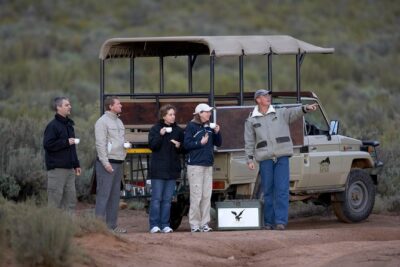
Big Five Game Reserve Wildlife Safari from Cape Town
Read our review →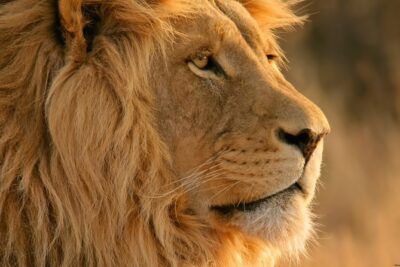
Big Five Safari and Breede River Valley Guided Day Trip
Read our review →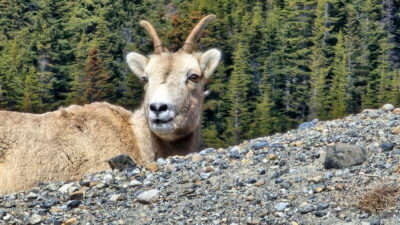

Browse the lists this tour appears in