
Review · ARUSHA, TANZANIA
10-Day Serengeti Wildebeest Migration Safari from Arusha
The wildebeest set the schedule here. This 10-day safari combines the northern Serengeti during migration season with central Seronera, Ngorongoro Crater, and Tarangire National Park. I like the three nights in the migration zone, which gives you time to wait for wildlife instead of rushing in and out, and I like the mix of luxury tented camps and lodges. The main catch is that the flight from Kilimanjaro to northern Serengeti costs extra, and river crossings are never something anyone can promise.
The trip costs $5,512.83 per person, which is a serious sum. Still, it covers nine nights of lodging, meals, airport transfers, bottled water, a private vehicle, and a driver-guide. The small maximum of seven people also matters, especially when you are spending long hours in a safari vehicle. Guides such as George, Arnold, Calvin, William, Cleopa, and Inno receive especially warm praise for their animal-spotting skills, care, and good humor.
Key points at a glance
- Three nights in northern Serengeti: This is the best part of the schedule for people focused on the wildebeest migration and possible Mara River crossings.
- Central Seronera adds variety: You are not relying on one region of the park, and the central Serengeti is known for year-round wildlife viewing.
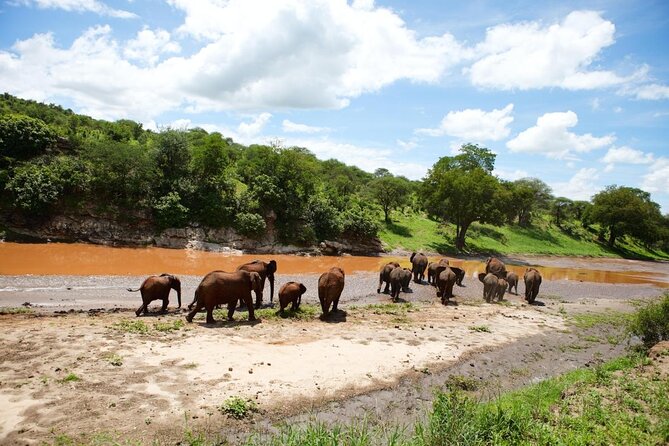
- Ngorongoro and Tarangire complete the trip: The crater offers a concentrated wildlife day, while Tarangire brings elephants, birds, and a quieter pace.
- Nine nights of included meals and lodging: You pay extra for alcohol and the flight to northern Serengeti, but most daily safari costs are bundled.
- A maximum of seven people: This is a more personal setup than a large coach tour, though you should confirm the exact vehicle arrangement before paying.
- Guide quality is a major strength: Specific praise goes to guides including George, Arnold, Calvin, William, Cleopa, Laban, Rahim, and Inno.
Why this safari is built around the migration
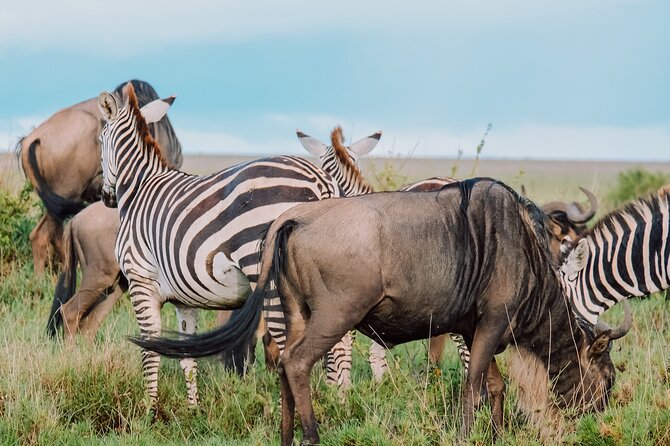
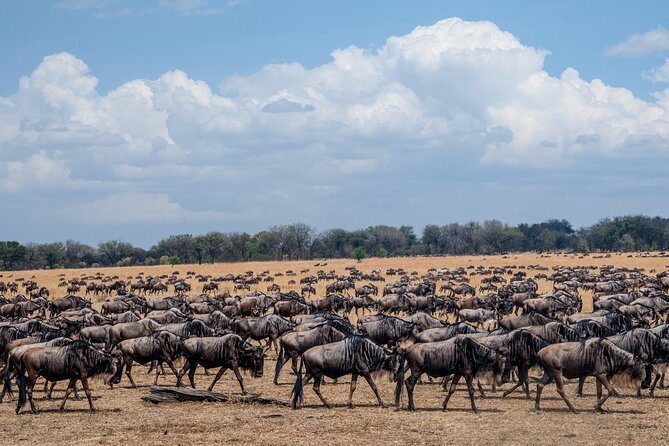
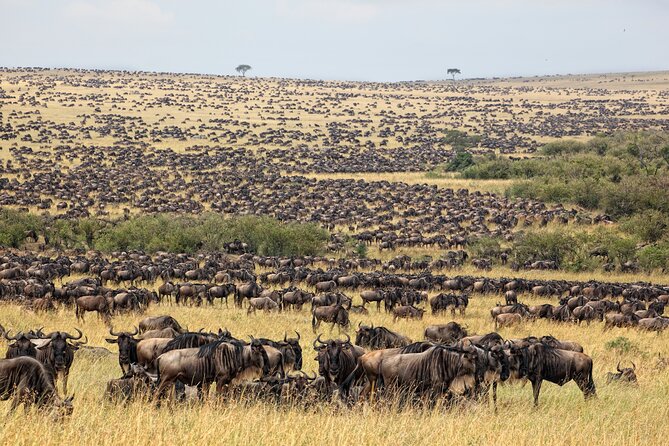
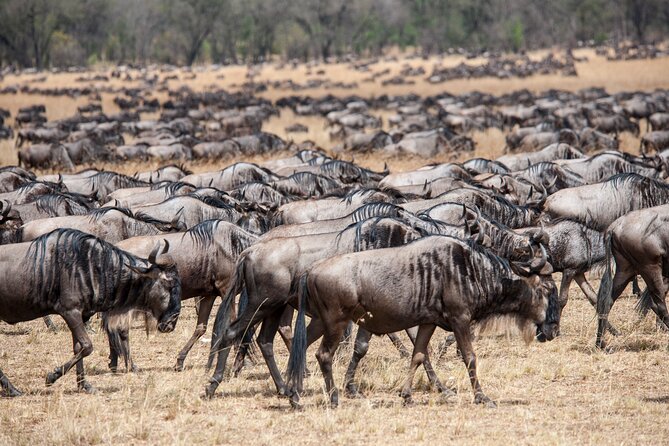
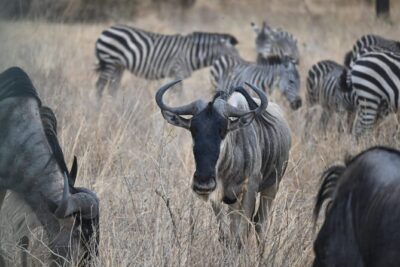
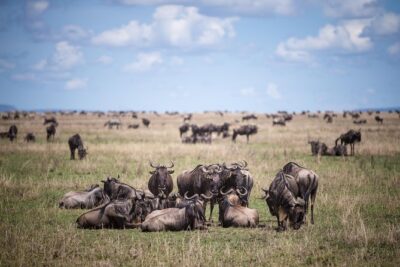
The Great Migration is not a single parade that passes a viewing point on cue. About 1.5 million wildebeest move through the Serengeti and adjoining areas, joined by large numbers of zebra and antelope. Their movement follows rain, grass, water, and the pressure of predators.
That makes the schedule’s northern focus important. From July through October, the herds can gather around the northern Serengeti, with Kogatende often associated with river crossings. In August through October, the timing is considered especially strong for this part of the route.
The useful word here is possible, not guaranteed. The herds may cross back and forth, and some days can bring repeated crossings while another day offers only distant animals or waiting. The itinerary gives you three days in the north, which improves your odds and gives your guide room to respond to changing conditions.
I like this approach far more than a rushed one-night visit. A safari built around the migration needs patience. You may spend time watching a herd gather, stop, scatter, or change direction. That waiting is part of the event, not dead time.
A few more safaris around Arusha worth a look
- Balloon Safari & Bush Breakfast in Serengeti – Miracle Experience
★ 5.0 · 1,646 reviews - 4 Days Group Camping Safari
★ 5.0 · 1,101 reviews - 5 Days Group Camping Safari
★ 5.0 · 730 reviews
Day 1: A gentle arrival in Arusha
Your trip begins with pickup at Kilimanjaro International Airport. A guide handles the transfer to your Arusha hotel and gives you a briefing about the safari ahead.
This first night is practical rather than scenic. Arusha is the staging point for northern Tanzania safaris, and an overnight stay gives you a chance to recover from a long international flight before the serious driving and game viewing begin.
Accommodation on this night is listed as a mid-range hotel. The rest of the trip moves into luxury tented camps and lodges, so do not expect the same style of accommodation from the first evening.
Your start time is listed as 8:00 a.m., but the northern Serengeti flight is at your own expense and the exact flight details are not provided. Confirm the departure time, fare, baggage allowance, and pickup plan before you arrive. That small bit of planning can prevent an expensive morning scramble.
Days 2 to 4: Northern Serengeti and the Kogatende crossings
After breakfast, you transfer to the Arusha airstrip for a flight to northern Serengeti. The flight is not included, so add it to the headline price when comparing this safari with other options.
Flying north saves a great deal of road time. You reach the migration area more directly, then spend three days on game drives from a luxury tented camp. That time is the heart of the trip.
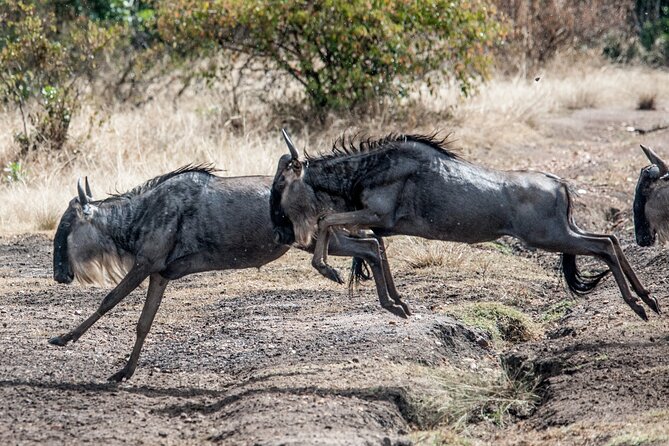
The north is often associated with open country, rolling views, and the drama of the Mara River. When wildebeest gather at a crossing point, the scene can change quickly. Animals may crowd the bank, hesitate, push forward, and create a sudden rush of hooves and dust. Crocodiles and predators may be nearby, but the crossing itself is the main event.
Do not picture a neat line of wildebeest crossing every morning. The herd is large, scattered, and governed by weather and instinct. Your guide must read the animals and keep track of where the action may develop. This is where a skilled guide can make a big difference.
The safari company’s guides receive strong praise for finding lions, leopards, cheetahs, and good photography positions. George is repeatedly described as a thoughtful driver with strong knowledge of wildlife and plants. Arnold is praised for caring for everyone in the vehicle, including children. Calvin receives special credit for finding good angles for photographs.
You should also expect long hours in the vehicle. The trip requires moderate physical fitness, but the main challenge is sitting, bouncing over rough roads, and staying alert during extended game drives. Bring patience, sun protection, and a camera battery plan.
Days 5 to 7: Central Serengeti and Seronera
After three nights in the north, you drive toward central Serengeti and the Seronera area. This is Tanzania’s oldest and most popular national park region, and it gives the itinerary a useful change of pace.
The central Serengeti is not simply a backup for missed river crossings. It is a major wildlife area in its own right. The itinerary describes large numbers of wildebeest, zebra, and Thomson’s gazelle moving through the park in search of fresh grazing.
Three nights here also reduce the pressure to see everything during one frantic drive. You can spend time looking for the park’s famous predators as well as observing the smaller details of safari life: birds, plants, animal behavior, and changing scenery.
The central section helps balance the trip. The northern days focus on migration timing, while Seronera gives you broader wildlife viewing. Your guide may spend time seeking lions, leopards, and cheetahs, all of which receive repeated attention in the trip’s feedback.
The accommodation remains a luxury tented camp. A tented camp does not mean rough camping in this context. It is a more comfortable base in the national park, though the listing does not provide the exact camp names or room facilities. Ask for those details if the standard of accommodation matters to you.
This is also where the vehicle becomes important. One detailed comment praises Gosheni’s private, air-conditioned jeeps, while another complains about poor jeeps but praises the driver and guides. Those comments do not point to one clear standard for every departure. Ask what vehicle is assigned to your booking, whether it is private to your group, and whether air conditioning is included.
Same region, a very different drive:
- 3 Days Serengeti & Ngorongoro Group Camping Safari
★ 5.0 · 574 reviews - 7-Day Premium Luxury Tanzania Safari All-Inclusive
★ 5.0 · 426 reviews - 3-Day Classic Serengeti Safari
★ 5.0 · 263 reviews - 8 Days Great Wildebeest Calving Migration Safari from Arusha
★ 5.0 · 254 reviews
Day 8: A concentrated wildlife day in Ngorongoro Crater
The schedule calls for an early morning game drive inside Ngorongoro Crater. The Ngorongoro Conservation Area protects wildlife and natural resources while also recognizing the interests of Indigenous communities and supporting tourism.
The crater is a different kind of safari setting from the Serengeti. Instead of wide movement across a huge national park, you spend time in a contained natural area with a strong chance of seeing a range of animals in one day. The early start matters because it gives you more time for viewing and places you on the road before the day becomes hotter and busier.
You stay overnight at a luxury lodge. After several nights in tents, this change can feel welcome. It also breaks up the journey before the final park visit.
The itinerary labels this day as a crater tour, but it does not list specific animals or promise the Big Five. That is the right way to approach it. You might find a wide mix of wildlife, but no responsible safari can guarantee every sighting.
Day 9: Tarangire’s elephants and quieter rhythm
Tarangire National Park is the final major stop. The park sits slightly away from the main northern safari route and is known for elephants, birding, and a quieter atmosphere.
That quieter feel is useful after the excitement and crowds that can gather around migration viewing points. Tarangire offers a different kind of day, with attention shifting from the mass movement of wildebeest to elephants, birds, and the park’s own character.
You spend the full day on a game drive and stay overnight in a luxury lodge. The itinerary highlights elephant migration rather than the wildebeest migration, so this stop adds ecological variety rather than repeating the Serengeti experience.
If you enjoy birds, Tarangire deserves particular attention. The trip specifically calls out birding, though it does not list target species or provide a specialist bird guide. Bring binoculars if you have them.
Day 10: Returning to Arusha and the airport
After breakfast, you drive back to Arusha. The route includes a stop at a shopping market before your transfer to Kilimanjaro International Airport.
This final day is useful for anyone who wants a direct airport connection, but be cautious when booking an onward flight. The exact drive time and airport transfer schedule are not provided, so leave a generous margin. A safari road day is not the same as a timed city transfer.
Accommodation on the final day is not included. Meals include breakfast and lunch, but not dinner. The package provides nine breakfasts, nine lunches, and nine dinners across the trip, with the final day ending after lunch.
What the $5,512.83 price really covers
At first glance, the price may seem high. A 10-day safari includes expensive park operations, specialist guiding, transport, accommodation, food, and transfers. Here, the package includes nine nights of accommodation except for the last day, all listed meals, bottled water, airport pickup and drop-off, a private vehicle, and a driver-guide.
That is a substantial amount of daily cost rolled into one price. You are not constantly paying for meals or arranging a new transfer at every stop.
The price does not include alcohol or the flight from Kilimanjaro to northern Serengeti. That flight is not a minor footnote, because it is central to the itinerary. Ask for the current airfare before treating $5,512.83 as your total trip budget.
Value also depends on how much you care about the migration. If seeing the northern herds and possible river crossings is your main goal, three nights in the north make the price easier to justify. If you mainly want a general Tanzania safari, you may find that the northbound flight and luxury accommodation add more cost than you need.
Guides, group size, and the human side of the trip
The strongest pattern in the feedback is the quality of the guides. George is praised for finding big cats and explaining wildlife and plants. Arnold is described as attentive and especially good with families. Wilson and Shedrack receive praise for their English, care, and broad knowledge.
William is credited with handling details from airport arrival onward. Ombeni is praised for helping turn the entire trip into a memorable one. Cleopa is singled out for professional care toward a family, while Inno receives unusually warm praise for service, driving, and personal attention.
Other praised guides include Laban, Rahim, and Calvin. Rahim is described as persistent in the search for leopards, while Laban is praised for pointing out less common species. Calvin is repeatedly linked with good photography positions and sightings of the Big Five.
The listed maximum is seven people. That is small enough to make the vehicle feel more personal than a large group departure, but it is not the same as a private two-person safari. Ask whether your booking shares the vehicle with other members of the group.
Food, comfort, and what to pack
Breakfast, lunch, and dinner are included on the nine full meal days shown in the schedule. Bottled water is also included, which makes long game drives easier.
Specific menus are not provided. If you have dietary needs, state them when booking. The company asks for this information in advance, and it is much better to raise the issue before arriving in Tanzania.
The itinerary requires moderate physical fitness. You do not need to hike long distances, but you should be comfortable with early starts, long drives, uneven roads, and extended time sitting in a vehicle.
Pack light layers, comfortable clothing, sun protection, and binoculars. Also bring enough storage for photographs and a power plan for your devices. The supplied information does not describe charging facilities at each camp, so do not assume every tent has the same setup.
Who should choose this safari
I would recommend this trip to you if the Great Migration is the main reason you are going to Tanzania and you want more than a brief glimpse. The three northern nights, followed by three nights in central Serengeti, give you a sensible spread of time and habitats.
It also suits families and couples who value careful guiding and comfortable accommodation. The feedback repeatedly highlights guides who look after children, help with photography, and explain what you are seeing rather than simply pointing at animals.
It may not suit you if you want a low-cost safari, dislike long vehicle days, or need a fully fixed schedule. Wildlife moves on its own timetable, and the northbound flight adds both cost and planning.
Free cancellation is available up to 24 hours before the start time. Changes or cancellations inside that window are not refunded, and poor weather or failure to meet the minimum group size can lead to a new date, an alternative experience, or a full refund.
Should you book it?
Book this safari if you want a migration-focused journey with time in both northern and central Serengeti, plus Ngorongoro and Tarangire. The guide quality, small group limit, included meals, and mix of tented camps and lodges give the trip real value.
Before paying, confirm the northern flight cost, exact camp names, vehicle type, and whether the vehicle is private to your group. If those details fit your budget, this is a strong choice for a first major Tanzania safari, especially from August through October when northern river crossings are most likely.
FAQ
Where does the safari begin?
The safari begins in Arusha, Tanzania, with pickup at Kilimanjaro International Airport. The listed start time is 8:00 a.m.
How long does the safari last?
The safari lasts approximately 10 days, from arrival in Arusha through the return transfer to Kilimanjaro International Airport.
Is the flight to northern Serengeti included?
No. The flight from Kilimanjaro to northern Serengeti is excluded from the price and must be paid for separately.
How many people can join the safari?
The activity has a maximum of seven travelers.
What accommodation is included?
The first night is at a mid-range hotel in Arusha. The northern and central Serengeti nights are at luxury tented camps, followed by luxury lodges in Ngorongoro and Tarangire. Accommodation is not included on the final day.
Are meals included?
Yes. The package includes meals as shown in the schedule, with nine breakfasts, nine lunches, and nine dinners. Alcoholic drinks cost extra.
What parks and areas does the itinerary visit?
The itinerary includes northern Serengeti, central Serengeti around Seronera, Ngorongoro Crater, and Tarangire National Park.
What happens if the safari is canceled?
If poor weather or an insufficient number of participants causes cancellation, you will be offered a different date or experience, or a full refund. You can also cancel for a full refund if you do so at least 24 hours before the start time.
Newest safaris around Arusha
- Serengeti & Ngorongoro fly in safari★ 5.0 · 76 reviews
- 7 days great migration safari★ 5.0 · 77 reviews
- 5 days safari, hiking & culture (Serengeti & kilimanjaro)★ 5.0 · 27 reviews
- 6 days Tanzania budget safari★ 5.0 · 65 reviews
- 3 Days Tanzania Budget Group Joining Safari Tour★ 5.0 · 16 reviews
- Amazing 4 Days Tanzania Budget Camping Group Joining Safari★ 5.0 · 15 reviews
- 4 days safari★ 5.0 · 34 reviews
- 2 Day Budget Safari in Tarangire and Ngorongoro From Arusha★ 5.0 · 10 reviews
Arusha Safaris, compared.
Balloon Safari & Bush Breakfast in Serengeti – Miracle Experience
Read our review →
3 Days Serengeti & Ngorongoro Group Camping Safari
Read our review →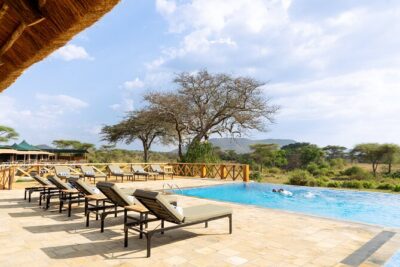
7-Day Premium Luxury Tanzania Safari All-Inclusive
Read our review →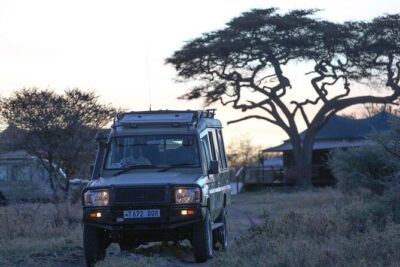
8 Days Great Wildebeest Calving Migration Safari from Arusha
Read our review →
Group Safari 7 Days in Tanzania’s Main Parks
Read our review →Browse the lists this tour appears in