
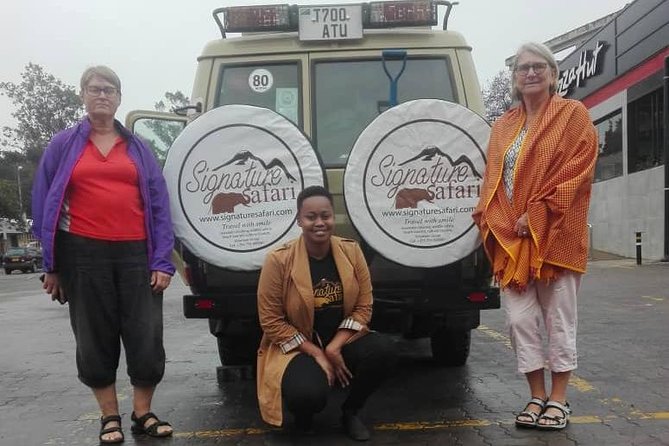
Review · ARUSHA, TANZANIA
3 Days Tanzania Safari Tarangire, Manyara, & Ngorongoro Crater.
The Big Five fit into three busy days. This small-group safari links Lake Manyara, Ngorongoro Crater, and Tarangire National Park from Arusha, with transport, meals, camps, and guiding arranged for you. I like the maximum of seven people, which keeps the vehicle more personal than a large coach, and I like the price of $670 per person for a route that includes three major wildlife areas.
I also like that the program puts the famous Ngorongoro Crater at its center, while still giving you elephants at Tarangire and birdlife at Manyara. The main drawback is the pace: each day is listed at about 10 hours, and one Spanish-language account warns that much of the day is spent on top of the safari vehicle. This is a strong budget choice, but not a slow, luxurious safari.
Key points before you book
- Three national parks in three long days: You visit Lake Manyara, Ngorongoro Crater, and Tarangire, with a return to Arusha on the final evening.
- A maximum of seven people: The shared vehicle helps hold down the price without creating a huge group.
- Ngorongoro is the wildlife centerpiece: The crater is about 600 meters deep and roughly 20 kilometers wide, with a serious chance of seeing many major species.
- Camping is part of the value: Accommodation, meals, and transport are included, with one camp described as having comfortable tents, cots, and a dining room.
- Guide quality matters here: Guides named in feedback include Malaki, Isaac, and Norelle, with special praise for animal spotting, communication, and good service.
- The price reflects a budget safari: At $670, you get a lot of wildlife access for the money, but you should not expect the service level of a higher-priced operator.
What $670 buys you in northern Tanzania
A safari price can look low until you add park fees, transport, food, guiding, and lodging. Here, the $670 covers a three-day route with a safari vehicle, meals, camp accommodation, and entry to the main parks in the schedule. That makes the cost appealing for anyone who wants Tanzania without paying for a private vehicle.
The group cap of seven is one of the most important details. You still share the ride, but a seven-person vehicle has a more manageable feel than a packed minibus. It also gives you a better chance of having a clear view from the open roof when the vehicle stops near animals.
This is not a polished lodge holiday. One review describes it clearly as a budgeted tour, with the warning not to expect the same services as higher-priced operators. I think that is fair advice. The value is in the parks, the guide, the cooking, and the logistics, not in fancy rooms or long afternoons beside a swimming pool.
The camping setup sounds more comfortable than rough. One account describes tents with cots and a relaxing dining room, while another gives special credit to chef Ben for good food. Since meals are included, you do not have to find restaurants after long game drives. That matters when you are leaving early, returning tired, and spending most of the day away from town.
More National Park Safaris in Arusha
- 3 Day Serengeti National Park & Ngorongoro Crater Camping Safari
★ 5.0 · 142 reviews - 5 Days Tanzania Group Joining Safari, Tarangire/Serengeti/Ngorongoro Crater
★ 5.0 · 85 reviews - 5 day safari Tarangire Serengeti and Ngorongoro crater
★ 5.0 · 83 reviews
Day 1: Lake Manyara’s birds, monkeys, and forest
The first day takes you to Lake Manyara National Park after a morning briefing and transfer from Arusha. The park is one of Tanzania’s smaller wildlife areas, but its habitats change quickly. You may pass through forest, grassy plains, acacia woodland, and the shallow alkaline lake itself.
Manyara is especially appealing if you enjoy birds. Thousands of flamingos can gather at the lake during the right season, creating one of the trip’s most striking sights. The park is also home to more than 500 bird species, so this is not simply a stop for people chasing lions and elephants.
Mammal sightings can include monkeys in the forest, along with giraffes, buffaloes, zebras, and wildebeests on the open plains. Elephants and lions use the acacia woodland. From the open roof of the vehicle, you can watch the animals while also taking in the changing terrain around you.
The day is listed at about 10 hours, which tells you what to expect. You will spend much of it on the road or on game drives, with the possibility of long stretches between sightings. That can feel tiring, especially after the journey from Arusha, but it also gives you a full first look at the northern safari circuit.
Manyara works well as an opening park because it offers variety rather than one single headline animal. You might see monkeys in one section, flamingos near the water, and larger mammals on the plains later in the day. The tradeoff is that the park can feel like an introduction rather than the grandest wildlife stop on the route.
Day 2: Ngorongoro Crater delivers the big moment
The second day begins early with a drive into the Ngorongoro Conservation Area and a descent into the crater. At roughly 600 meters deep and about 20 kilometers across, the crater is enormous, yet its enclosed setting makes it easier to understand than a vast open park.
The crater floor can hold an impressive mix of animals. The itinerary lists the Big Five as possible sightings: lion, elephant, buffalo, rhino, and leopard. You may also see Grant’s gazelles, Thomson’s gazelles, mountain reedbucks, spotted hyenas, hippos, and a large range of birds.
A picnic lunch takes place inside the crater before more game viewing. That keeps the day focused on wildlife rather than adding a long return to a town or camp in the middle of the schedule. The enclosed geography also gives you a strong chance of seeing animals in a concentrated area, although no safari can promise a complete species list.
The possibility of rhino is a major reason to value this day. Several accounts describe sightings of the Big Five within two days, and one account lists lions, zebras, giraffes, rhinos, hippos, baboons, impalas, buffaloes, hyenas, and wildebeests. Those reports show what the route can deliver, but they are not a guarantee for every departure.
Ngorongoro is also the most demanding day physically. You start early, spend hours on uneven roads, and continue game viewing after lunch before leaving the crater. I would choose this tour partly for the crater, but I would not choose it if you need a relaxed schedule or dislike long vehicle rides.
The crater has another advantage: you do not need to spend a week on safari to see a wide range of animals. In a short program, that concentration is valuable. It gives you a real chance at dramatic sightings while saving the more spread-out Tarangire experience for the final day.
Day 3: Tarangire and the elephants
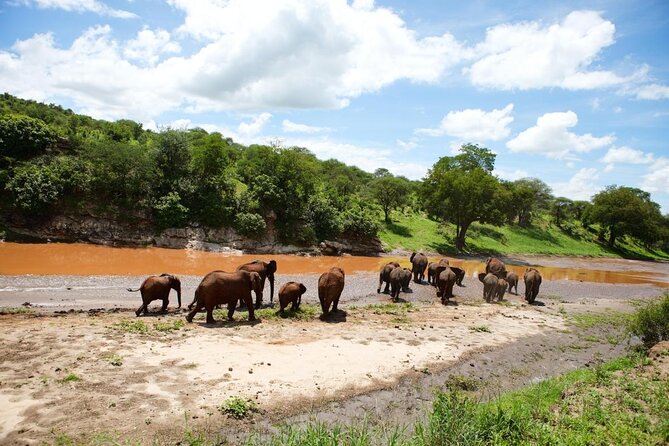
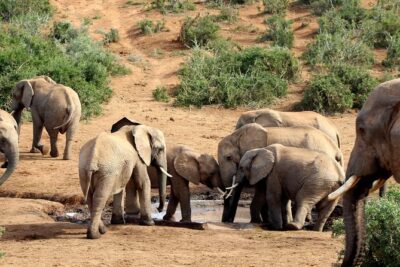
The last park is Tarangire National Park, known for huge baobab trees, open grasslands, seasonal swamps, and the Tarangire River. The river and other water sources draw animals in different seasons, and the park is especially noted for its large elephant herds.
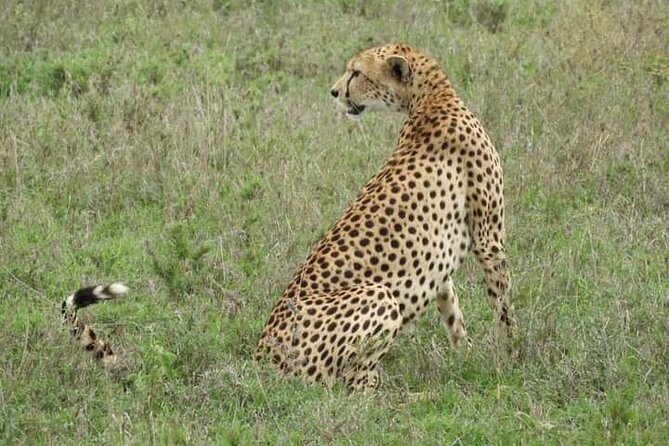
You may see giraffes, bushbucks, hartebeests, dik-diks, waterbucks, warthogs, and reedbucks. Buffaloes, zebras, and wildebeests are also present, with lions often following the herds. Leopards appear from time to time, while cheetahs are rarely seen.
Tarangire has a different personality from Manyara and Ngorongoro. The giant baobabs give the park a memorable visual identity, and the elephants can be the main event. If you enjoy watching family groups move slowly, feed, and gather near water, this is a valuable addition to the route.
The schedule calls for an extensive game drive, then departure in the afternoon with arrival back in Arusha by early evening. That return timing is useful if you have onward plans, but road conditions and the pace of the game drive can affect the exact arrival. Do not schedule an important flight immediately afterward without allowing plenty of room.
Putting Tarangire on the third day also means you finish with a park that is visually distinct from the crater. After the compact wildlife viewing of Ngorongoro, the baobabs and open spaces offer a different final impression. It is a good ending for anyone who wants more than a single crater visit.
More National Park Safaris in Tanzania
- 3 Days Small Group Safari to Serengeti NP and Ngorongoro Crater Tour in Tanzania
★ 5.0 · 77 reviews - 5 Day Silver Serengeti & Ngorongoro Crater & Tarangire Safari
★ 5.0 · 46 reviews - 6 days 5 nights safari Ngorongoro, Serengeti and Tarangire National Parks
★ 5.0 · 39 reviews - 4 Days lodge safari Tarangire , Ngorongoro crater & Walking
★ 5.0 · 39 reviews
The guide can shape the whole safari
On a safari, the guide is not just a driver. The guide chooses routes, watches animal behavior, explains what you are seeing, and decides how long to wait at a sighting. The strongest feedback here centers on guides named Malaki, Isaac, and Norelle.
Malaki is praised for being funny, well informed, and focused on customer care. One couple described him as especially good during an engagement safari, which suggests he can add warmth to a special occasion without losing sight of the wildlife.
Isaac is credited with a sharp eye for predators hiding in grass. That is a useful skill in Tanzania, where a lion or leopard may be visible only as a small movement or a pair of ears. Norelle is praised for animal knowledge and for helping a group of five feel well cared for throughout the trip.
Communication with Innocent, who appears to handle arrangements for Signature Safari, is also mentioned positively. One budget-tour account says he tried to find solutions when issues came up. That kind of practical communication matters before departure, especially when you need pickup details, accommodation information, or help fitting the safari around a larger Tanzania itinerary.
Guide assignments can change, so you should not book on the assumption that one named person is guaranteed. Still, these names give you a useful sense of the service style: personal, practical, and focused on finding wildlife.
Food, tents, and the shared-vehicle tradeoff
The included meals remove a major source of hassle. After a long game drive, you can eat without searching for a restaurant or arranging supplies yourself. Chef Ben receives particular praise for delicious food, which is encouraging for a trip where meals are part of the daily rhythm.
The camping is best understood as functional comfort. You may sleep in a tent with a cot rather than a conventional hotel bed, and the dining room can provide a welcome place to sit after hours in the vehicle. The available details do not promise luxury features, so I would pack with a camp stay in mind rather than expecting a lodge.
The shared setup keeps the price down and may introduce you to people from other countries. A group of five found the experience intimate enough to feel personal, and the official maximum is seven. That is a good middle ground for solo bookers and couples who want company but not a large tour bus.
Still, shared travel requires patience. You may not choose every stop, and everyone will have different ideas about how long to watch an animal. If you want full control of the route, a private safari would suit you better, though it would likely cost more.
Who should book this three-day route?
I would recommend it to you if your time in Tanzania is short and your priority is seeing several major wildlife areas. It suits couples, friends, and solo visitors who want meals, transport, a guide, and accommodation handled in one package.
It is also a sensible option if you want to meet people while keeping the group small. The 7-person limit gives you a social setting without the feel of a large coach tour.
You should think twice if you need generous rest periods, high-end lodging, or a flexible private itinerary. Three 10-hour days require stamina, and the safari includes long stretches in the vehicle. The Spanish-language feedback gives the most useful warning: seeing animals means spending many hours on top of the truck, sometimes waiting for the next sighting.
The route also leaves out Serengeti National Park. One account wishes there had been more time for Serengeti, and the provider’s response suggests it could be added on a future visit. That is not a flaw in this three-day plan, but it is important if Serengeti is your main goal.
Practical details to know before paying
Pickup is offered, and confirmation is sent when you book. The stated meeting time is 12:00 am, which should be clarified directly with Signature Safari because that may represent a very early start rather than a normal midday departure.
Most people can take part, and service animals are allowed. The tour is near public transportation, though the main experience itself depends on the provided safari vehicle.
Cancellation is free up to three full days before the start time. Within three days, the payment is not refunded, and changes are not accepted. Poor weather or failure to meet the minimum number of participants can lead to a new date, another experience, or a full refund.
The experience has a 4.8 rating from 12 reviews, with 100 percent recommending it. That is encouraging, though the sample is small. The repeated praise focuses on guide service, communication, food, camping comfort, and successful wildlife sightings.
Should you book it?
Book this safari if you want maximum wildlife variety in minimum time and can handle long days. The combination of Ngorongoro’s concentrated animal viewing, Tarangire’s elephants and baobabs, and Manyara’s birds gives you a strong first taste of northern Tanzania for $670.
I would choose it for value, especially with a group of no more than seven and meals included. I would not choose it for luxury or a slow pace. Confirm the pickup time, ask what camp is planned, and accept that wildlife is never guaranteed. If those conditions suit you, this is a practical, well-priced way to begin a Tanzania safari.
FAQ
How long is the Tanzania safari?
The experience lasts approximately three days. Each scheduled park day is listed at about 10 hours.
Which parks are included?
The route visits Lake Manyara National Park on day one, Ngorongoro Crater on day two, and Tarangire National Park on day three.
Is transportation included?
Yes. Transport is provided throughout the safari, with pickup offered.
How many people can join the tour?
The maximum group size is seven people.
Are meals and accommodation included?
Yes. Meals and camp accommodation are included. The camp setup has been described as comfortable tents with cots and a dining room.
Can I see the Big Five?
The itinerary gives you the possibility of seeing lion, elephant, buffalo, rhino, and leopard, but wildlife sightings are never guaranteed. Some people on this route have seen the Big Five within two days.
What is the cancellation policy?
You can receive a full refund if you cancel at least three full days before the experience starts. Cancellations or changes made within three days are not refunded or accepted.
More 3-Day Experiences in Arusha
- 3 Days Serengeti & Ngorongoro Group Camping Safari
★ 5.0 · 574 reviews - 3-Day Classic Serengeti Safari
★ 5.0 · 263 reviews - 3 Days Tarangire, Ngorongoro & Lake Manyara Group Camping Safari
★ 5.0 · 102 reviews - 3 Days Private Safari – manyara, Ngorongoro & Tarangire
★ 5.0 · 94 reviews
Newest safaris around Arusha
- Serengeti & Ngorongoro fly in safari★ 5.0 · 76 reviews
- 7 days great migration safari★ 5.0 · 77 reviews
- 5 days safari, hiking & culture (Serengeti & kilimanjaro)★ 5.0 · 27 reviews
- 6 days Tanzania budget safari★ 5.0 · 65 reviews
- 3 Days Tanzania Budget Group Joining Safari Tour★ 5.0 · 16 reviews
- Amazing 4 Days Tanzania Budget Camping Group Joining Safari★ 5.0 · 15 reviews
- 4 days safari★ 5.0 · 34 reviews
- 2 Day Budget Safari in Tarangire and Ngorongoro From Arusha★ 5.0 · 10 reviews
National Park Safaris, compared.
Udawalawe National Park | Private Safari Tour
Read our review →
Addo Elephant National Park All Inclusive Full-Day Safari
Read our review →
Yala National Park Safari Tours: Morning/Evening/Full Day
Read our review →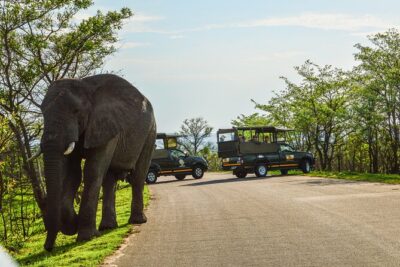
Full Day Ultimate Pilanesberg National Park Safari from Johannesburg or Pretoria
Read our review →Browse the lists this tour appears in