
Review · MARA REGION, TANZANIA
4 Days Tarangire, Serengeti, Ngorongoro Group Camping Safari
Wild Africa rewards early starts. This four-day circuit links Tarangire’s elephant herds, the Serengeti’s open plains, and Ngorongoro Crater, giving you three very different wildlife settings without changing hotels every night. I like the small group limit of six and the chance to sleep at camps near the parks instead of returning to Arusha each evening.
I also like the strong food reports, with a personal chef preparing three meals a day on some departures, and the warm guide service praised by guests who traveled with Steve and Anthony. The main concern is the long driving involved, plus one sharp complaint about a poor vehicle. At $1,150 per person, transport quality matters a great deal.
Key points before you book
- Three major parks in four days: You visit Tarangire, Serengeti, and Ngorongoro Crater in one tightly planned route.
- Small group of up to six: A limited group can make wildlife viewing and vehicle space more manageable.
- Camping is part of the adventure: You sleep at camps in or near the parks, with nighttime temperatures that can fall to about 5°C.
- Strong food and guide feedback: Steve and Anthony received praise, while one Korean guest specifically praised the meals and safe driving.
- Long road sections: Day two and day three involve substantial transfers, so this suits you if game viewing matters more than relaxed pacing.
- Pack light: The luggage limit is 10 kilograms per person, and duffel bags are recommended.
Why this four-day route works
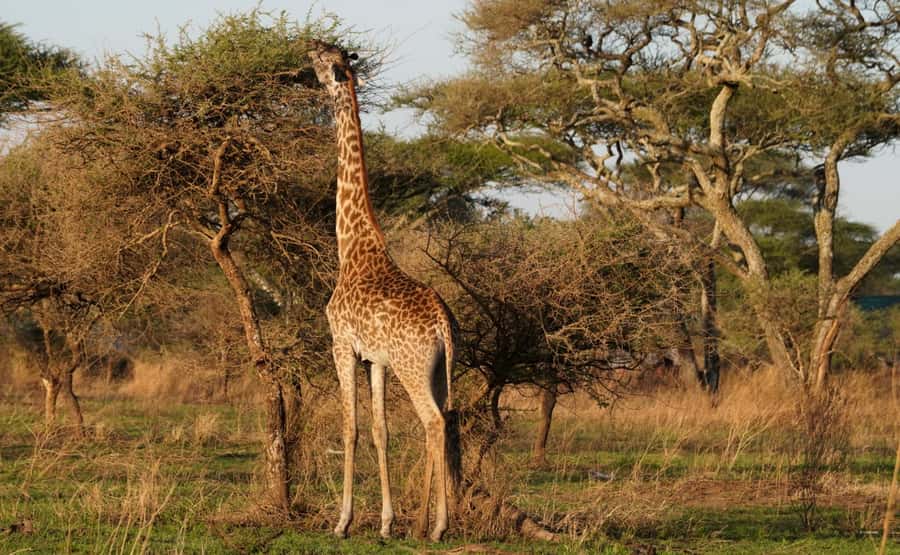
This is a classic northern Tanzania safari loop, beginning and ending in Arusha. The route packs a lot into a short period: Tarangire for elephants and baobabs, Serengeti for big cats and wide-open plains, then Ngorongoro for a concentrated wildlife drive inside an old volcanic caldera.
You should understand the tradeoff before booking. Four days is enough to see major highlights, but it leaves little room for delays or slow mornings. You will spend part of most days in a 4×4 vehicle, and the roads can be rough. This is not a gentle sightseeing holiday. It is a compact wildlife trip for people willing to trade comfort and spare time for access to famous parks.
The small group size helps. Six participants is far more practical than a crowded vehicle, especially when you want a clear view through the windows or need space for cameras and binoculars. Your guide is also more likely to keep the group moving at a useful pace, though the exact quality of the experience depends heavily on the driver, guide, and vehicle assigned to your departure.
More Overnight Safaris in Tanzania
- 4 Days Group Camping Safari
★ 5.0 · 1,101 reviews - 5 Days Group Camping Safari
★ 5.0 · 730 reviews - 3 Days Serengeti & Ngorongoro Group Camping Safari
★ 5.0 · 574 reviews
Day one: Tarangire’s elephants and baobabs
Your first day begins with an early pickup in Arusha. That early start is useful rather than cruel. It gives you more daylight inside Tarangire National Park and leaves time for both a morning and afternoon game drive.
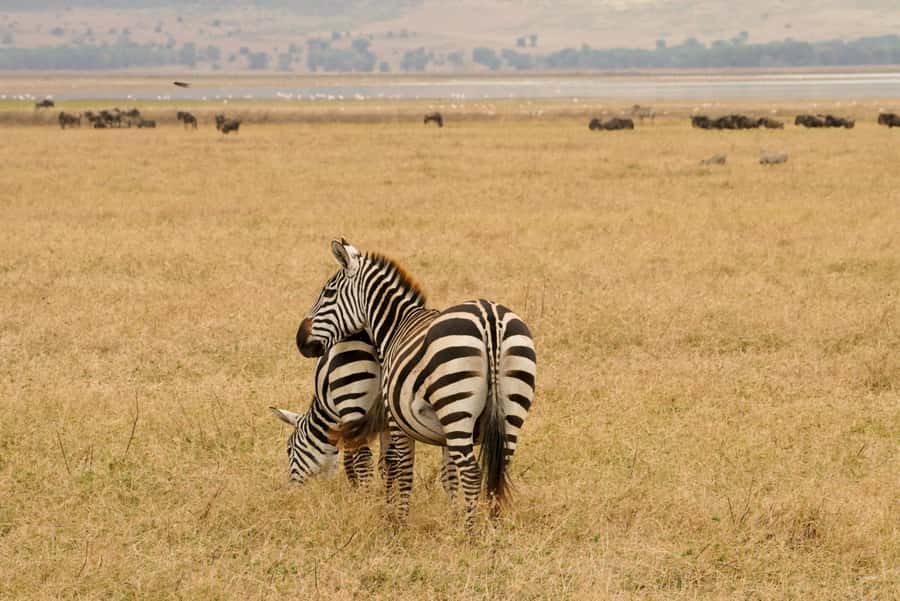
Tarangire is known for its large elephant groups and baobab trees. These trees give the park a look unlike the Serengeti, with broad trunks and open woodland creating a distinctive setting for wildlife viewing. You may also see other animals during the drive, but elephants are the star attraction here.
The day includes lunch in the park, followed by more wildlife viewing in the afternoon. That split matters because animals and light can change as the hours pass. You are not simply driving to a camp and calling the first day finished.
Your first night is spent camping near the wild surroundings of Tarangire. The information provided does not specify the exact campsite style, bathroom setup, or whether tents are already erected, so ask before departure if those details affect your comfort. The broad promise is authentic camping, not a hotel room with a safari theme.
This night can be one of the most memorable parts of the trip. You are close to the sounds and darkness of the park area, with no city routine to soften the experience. It can also be the first moment when you realize that safari camping requires practical clothing, patience, and a willingness to accept basic conditions.
Day two: The long road to the Serengeti
After breakfast, you leave Tarangire for Serengeti National Park. This is the day when the itinerary feels most like a road safari. You will see changing Tanzanian scenery from the vehicle, but the main reward comes later, when you enter the Serengeti and begin an afternoon game drive.
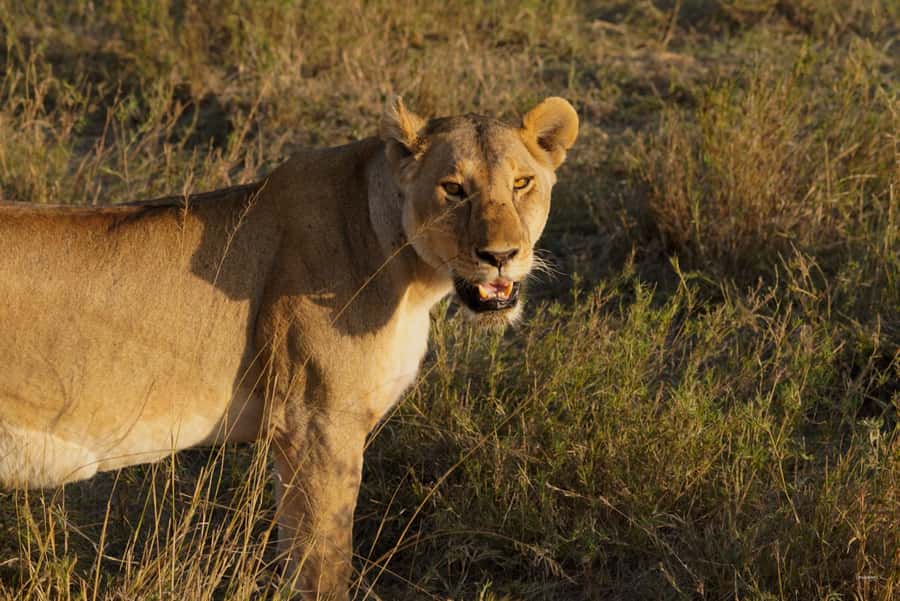
The Serengeti is the park most people picture when they think of Tanzania: broad plains, scattered animals, and long sight lines. Lions, cheetahs, zebras, and other wildlife may appear across the open ground. The park is also tied to the Great Migration, although the location of the herds changes during the year. Do not book this trip expecting one fixed migration scene on every departure.
Your guide’s skill is especially important here. In a vast park, finding wildlife is not only about luck. It also depends on reading recent sightings, watching animal behavior, and choosing where to spend limited daylight. Guides Steve and Anthony were specifically praised for their friendly manner, safe driving, and daily help with wildlife viewing. Ask your operator in advance who is likely to guide your departure, since names and assignments can change.
The afternoon drive leads to another camp in the Serengeti. You spend the night hearing the sounds of the African wilderness rather than driving back to a town. That saves time and gives you a stronger sense of place, but it also means you should prepare for cool evenings, insects, and simple facilities.
Day three: Sunrise wildlife viewing and the road to Ngorongoro
Day three begins with a sunrise game drive. This is one of the best planned parts of the schedule. Early morning is a useful time to look for predators, and the plains can feel very different as the day begins.
You return to camp for lunch before driving toward Ngorongoro Crater. The timing is practical, but it also makes this another long day. You will have an early start, a game drive, a meal, and a transfer to the crater area. If you prefer slow travel, this pace may feel tiring. If you want to cover the main parks in only four days, it is the price of admission.
The road toward Ngorongoro brings a change in scenery. You leave the broad Serengeti plains and head toward the crater rim, where the following morning’s wildlife drive awaits. The night is spent at a camp near the crater, giving you a head start for the final day.
That positioning is important. A stay near Ngorongoro is more useful than sleeping farther away and losing extra time on the road. The schedule still does not promise a full day inside the crater, but it gives you a dedicated morning for one of Tanzania’s most concentrated wildlife areas.
Same region, a very different drive:
- Serengeti Balloon Safari and authentic bush breakfast
★ 5.0 · 2,480 reviews - Balloon Safari & Bush Breakfast in Serengeti – Miracle Experience
★ 5.0 · 1,646 reviews - From Zanzibar: Mikumi Safari Day Trip with Flights and Meal
★ 4.7 · 1,470 reviews - From Zanzibar: Day Selous Game Reserve Safari with Flights
★ 4.7 · 1,025 reviews
Day four: Inside Ngorongoro Crater
The final morning takes you down into Ngorongoro Crater for a game drive. The crater is a UNESCO World Heritage site and a former volcanic caldera with a high concentration of animals. The enclosed setting can make wildlife viewing feel different from the open Serengeti.
The Big Five may be seen here, although no responsible safari can guarantee every animal. A useful way to think about Ngorongoro is as a strong final chapter: after the broad scale of the Serengeti, you get a more contained setting where many species can be found in one area.
You then climb back to the crater rim and drive to Arusha, arriving in the afternoon. That return time is helpful if you have onward plans, but do not schedule an important flight too tightly after the safari. The provided details do not promise an exact arrival hour, and road conditions or wildlife stops can affect the day.
Camping, food, and comfort in the bush
Camping is not a side detail here. It shapes the whole trip. You sleep at camps in remote settings, and the reward is a closer connection to the parks than a standard town-based itinerary can provide.
You should bring a warm sweater, jacket, and socks. Night temperatures can drop to about 5°C, which is cold when you are sitting outside a tent or getting ready before sunrise. Neutral clothing such as beige, green, or white is recommended. Bright colors are not allowed, and feeding or touching animals is also prohibited.
Food appears to be a real strength. One departure included a personal chef who prepared three meals a day, and the meals were praised as memorable enough to be missed after returning home. The package includes accommodation and meals, but it does not specify every menu or dietary arrangement. If you have allergies or special dietary needs, confirm those details before paying.
Bring mosquito repellent with a high mint concentration, according to the practical packing advice supplied for this trip. A good pair of binoculars will improve your experience, especially in the Serengeti. The guide carries one binocular for shared use, but your own pair means you do not have to wait when an animal appears.
The 10 kilogram luggage limit is strict enough to plan around. Use a soft duffel bag rather than a hard suitcase. Extra luggage can be left in a hotel storage room, so pack only what you need for the four days and arrange storage with the operator.
Guide service and the vehicle question
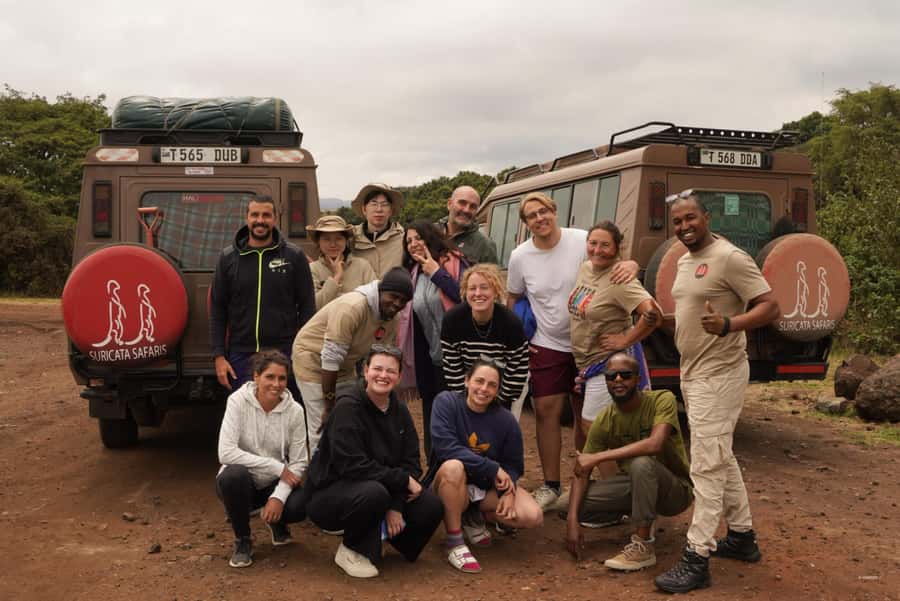
A safari guide does much more than drive. Your guide explains animal behavior, points out wildlife that you might miss, and decides how to handle long road sections and game-drive time. The positive feedback about Steve and Anthony suggests that friendly, attentive guiding is a central strength of this operation.
Melita John also provided a useful pre-trip service by visiting a hotel the day before departure, explaining the schedule, and lending a telescope. That kind of face-to-face briefing can settle practical questions before you leave Arusha. Confirm the meeting time and pickup details at reception, where a company representative is due to meet you with a sign bearing your name.
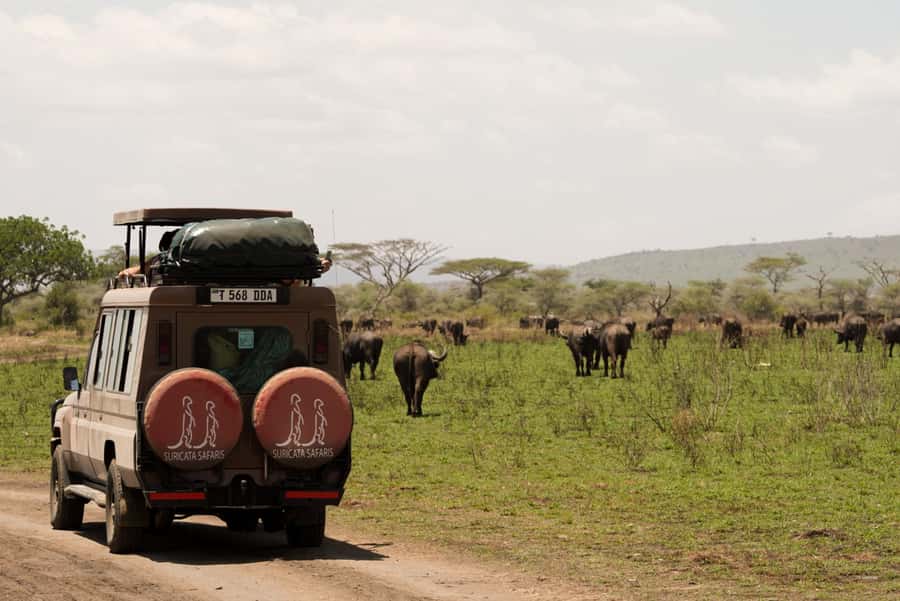
The vehicle deserves closer attention. One booking account described the car as terrible, which is a serious concern on a safari with long drives and rough roads. Before booking, ask what type of 4×4 is assigned, how many people will share it, whether each passenger has a window seat, and how the operator handles a mechanical problem.
The small group promise is helpful, but it does not by itself guarantee a new vehicle. At this price, I would ask for the vehicle details in writing. Good guiding and good meals cannot fully make up for a cramped or unreliable car.
What $1,150 includes and what it does not
The $1,150 price includes 4×4 transport, an English-speaking professional guide, park entrance fees, mineral water, accommodation, and meals during the safari. For a four-day route covering three major protected areas, that can be a fair package price, particularly because park fees and transport are expensive parts of a Tanzania safari.
You also avoid arranging separate park entries, camps, meals, and transfers yourself. That saves time and reduces the chance of missing an essential permit or paying unexpected fees at a park gate.
The price does not include a visa, international or domestic flights, or travel insurance. You should also confirm whether any personal drinks, tips, airport transfers, or optional activities fall outside the package, since those items are not listed.
There is one booking point worth checking carefully. A recent complaint alleged that a booking intermediary charged much more than the underlying operator price. I cannot verify the figures, but the practical lesson is clear: compare the final price with Suricata Safaris Ltd, confirm who is operating the trip, and ask for a full cost breakdown before you pay.
Free cancellation up to 24 hours before departure and a reserve-now, pay-later option give you useful flexibility. Still, read the exact booking terms for your departure, especially if you are adding flights or hotel nights around the safari.
Who will enjoy this safari most
This trip suits you if wildlife is the main reason you are visiting Tanzania. You get elephants, big cats, zebras, possible Big Five sightings, major scenery, and three famous conservation areas in a short period.
It is also a good fit if you enjoy camping and do not need polished hotel comfort each night. The small group format helps solo visitors, couples, and friends who want a social trip without joining a large coach party.
You should think twice if you have back problems. The tour is not suitable for wheelchair users, babies under one year, or people over 95, and the rough roads may be tiring even if you fall outside those categories. The early starts, long transfers, and cool nights also call for reasonable physical stamina.
Should you book the Tarangire, Serengeti, and Ngorongoro trip?
I would consider booking this safari if you have only four days and want Tanzania’s biggest wildlife names in one compact route. The strongest reasons are the small group, the excellent guide and food feedback, the sunrise Serengeti drive, and the chance to camp close to the parks.
I would not book without asking about the vehicle, campsite facilities, likely guide, and exact pickup arrangements. If those answers are clear and the $1,150 price is transparent, this looks like a strong value for an active safari. If you want long stays in one park, luxury lodging, or a relaxed schedule, choose a longer and slower itinerary instead.
FAQ
How long is the safari?
The safari lasts four days and starts and ends in Arusha.
Which parks and protected areas are included?
The route includes Tarangire National Park, Serengeti National Park, and Ngorongoro Crater.
How many people can join the group?
The group is limited to six participants.
Is an English-speaking guide provided?
Yes. The tour includes a professional English-speaking guide and live guidance during the trip.
What luggage should I bring?
The luggage limit is 10 kilograms per person. A soft duffel bag is recommended, and extra luggage can be stored at the hotel.
What is included in the price?
The package includes 4×4 safari transport, park entrance fees, an English-speaking guide, mineral water, accommodation, and meals during the safari. Visa costs, flights, and travel insurance are not included.
More 4-Day Experiences in Tanzania
- 4-Day Safari from Arusha: Tarangire, Serengeti and Ngorongoro
★ 5.0 · 173 reviews - 4 Days safari Tour Tanzania
★ 5.0 · 159 reviews - 4 Days Tarangire, Serengeti and Ngorongoro Mid-Range Group Safari
★ 5.0 · 84 reviews - 4 Days Tanzania Lodge Safari With Two Nights at Serengeti
★ 5.0 · 62 reviews
Newest safaris around Tanzania
- 1 Day Safari to Mikumi National Park★ 5.0 · 20 reviews
- Short Safari from Dar es Salaam to Mikumi National Park – 2 Days★ 5.0 · 10 reviews
- 6 Days Safari to Udzungwa Mountain NP, Ruaha NP and Mikumi NP★ 5.0 · 10 reviews
- 5 Days Safari to Selous & Mikumi★ 5.0 · 15 reviews
- 3 Days Safari at Mikumi National Park Southern circuit of Tanzania★ 5.0 · 16 reviews
- 5-Day Mikumi & Ruaha Tanzania Wildlife Lodge Safari★ 5.0 · 10 reviews
- 8 Days Safari to Mikumi, Ruaha & Udzungwa Mountains★ 5.0 · 14 reviews
- 2 Days – Mikumi safari depart from Zanzibar or Dar es salaam★ 5.0 · 21 reviews
Overnight & Camping Safaris, compared.
Overnight Safari, Dinner, Stargazing & Al Khayma Camp
Read our review →
Dubai Overnight Desert Safari, BBQ & Stargazing at Al Khayma Camp
Read our review →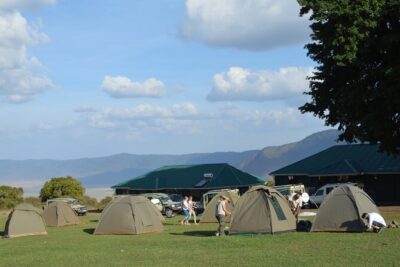
3 Days Serengeti & Ngorongoro Group Camping Safari
Read our review →Browse the lists this tour appears in