
Review · ARUSHA, TANZANIA
7 Day Kilimanjaro Climb Lemosho Route & 2 Day Safari
Africa’s highest summit rewards patience, not speed. This seven-day Lemosho climb gives you time to walk slowly through the forest and adapt to the mountain, then adds two days of safari in Tarangire and Ngorongoro. I like the route’s broad appeal, including support for first-time climbers, and I like the strong emphasis on guides, porters, cooking, and encouragement.
The biggest consideration is that the published details are thin for such a serious trip. The price is attractive, but you should confirm exactly what the safari transport, accommodation, park charges, sleeping arrangements, and summit schedule include before paying. A mountain climb is not a 30-minute outing, despite the short duration shown in the summary.
Key points at a glance
- Seven days on the Lemosho route: A slower schedule gives you more time to walk gently and adjust to altitude.
- Forest approach to Kilimanjaro: The route begins by moving through forest before the higher mountain terrain takes over.
- A two-day safari extension: Tarangire is known for its elephants, while Ngorongoro adds a very different wildlife setting after the climb.
- Small group size: The maximum group size is 10 people, useful for communication and personal attention.
- Strong crew support: Guides named in the feedback include Hassan, Sabastine, Anthony, Hassani, Endrie, and Innocent, with Frank praised for cooking.
- Sleeping bag rental is separate: Meals and fees are included, but a sleeping bag must be rented if you do not bring one.
Why the Lemosho Route Works for First-Time Climbers
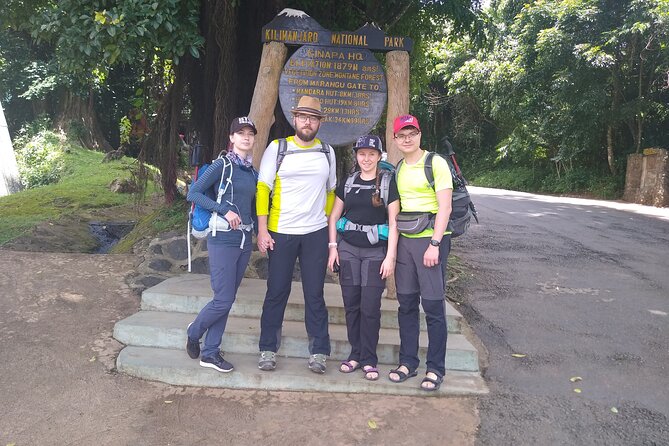
The Lemosho route is a sensible choice if you want a measured introduction to Kilimanjaro rather than a rushed ascent. The available description presents it as a relatively simple route, and the seven-day timing gives you room to walk at a controlled pace.
That does not make the mountain easy. You still need a moderate level of fitness, and the summit attempt can be physically demanding. The useful lesson from the crew is pole pole, meaning slowly and steadily. Guides Hassani and Endrie are specifically praised for repeating three practical ideas: walk slowly, drink water, and keep a positive mind.
I like that advice because it is simple enough to remember when you are tired. You do not need an impressive hiking résumé to join this climb. One person described arriving with no mountain experience and only three previous hikes, yet feeling well supported by the team.
The operator also presents the route as suitable for a wide range of climbers, including older people and some people with disabilities. Treat that as a point to discuss carefully, not as a guarantee. Blind climbers, wheelchair users, and anyone with mobility needs should speak directly with Signature Safari about porter support, trail conditions, camp access, evacuation plans, and the level of assistance available.
A few more safaris around Arusha worth a look
- 2 Days Tarangire and Ngorongoro Group Camping Safari
★ 5.0 · 146 reviews - 2 Days Group Joining Camping Safari Tarangire Park and Ngorongoro Crater
★ 4.5 · 28 reviews - 2 days Mid Range Safari in Ngorongoro and Tarangire Big 5 Parks
★ 5.0 · 27 reviews
Walking Through Kilimanjaro’s Forest
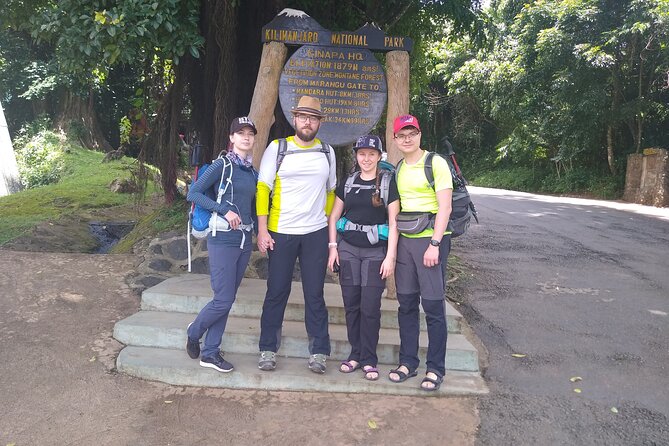
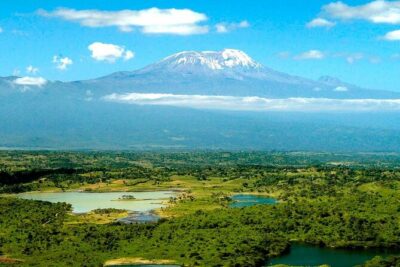
The clearest itinerary detail is the forest walk toward Mount Kilimanjaro. This opening section matters because it introduces the climb at a gentler pace and gives you a change of scenery before the higher, more exposed parts of the mountain.
You can expect the walking to be the main event, not a string of sightseeing stops. The supplied schedule does not provide daily distances, camp names, elevation figures, or estimated walking times, so you should request those before departure. Those details help you judge the daily effort and prepare your clothing and equipment.
The forest is also where a guide’s habits begin to matter. A good guide notices pace, water intake, and fatigue early. The comments about the crew being supportive and motivating suggest that this is one of the stronger parts of the operation.
The group limit of 10 is helpful here. A smaller party usually makes it easier to hear instructions, ask questions, and keep a shared rhythm. It can also make the long summit night feel less anonymous. One particularly memorable account describes the team singing and dancing through the night to keep climbers awake and moving uphill. That sounds cheerful, but it also tells you something practical: the final ascent requires serious effort and strong morale.
Seven Days Means Patience, Not a Casual Walk
Seven days is a useful amount of time for a Kilimanjaro climb, but do not mistake the route description for a relaxed holiday hike. The mountain requires stamina, repeated walking, and the ability to manage discomfort.
The strongest practical advice is to avoid racing ahead. You should follow the guide’s pace, drink regularly, and say something early if you feel unwell. The crew’s repeated encouragement to think positively is not empty cheerleading. A long mountain day can be won by managing small decisions well.
The available information does not show the exact summit day or the daily route breakdown. That is the main planning gap. Ask for a written itinerary showing:
- Daily walking distance and estimated hours
- Starting and ending elevations
- Camp locations
- Summit departure and return times
- The plan if a climber cannot continue
- How the group returns to Arusha before the safari
Those answers will tell you much more than a general promise that the route is suitable for non-mountaineers.
Food appears to be a real strength. Breakfast, lunch, and dinner are included, and several accounts praise the meals as balanced, nutritious, and consistently good. Frank is named as the chef in one account. On a demanding climb, warm and filling food is not a minor luxury. It helps you maintain energy and gives the day a comforting routine.
The Guides and Porters Make the Difference
The most highly praised part of this experience is the crew. Names that appear repeatedly include Sabastine, Anthony, Hassani, Hassan, Endrie, and Innocent. The comments describe the guides as encouraging, responsive, and attentive to small needs.
That matters because Kilimanjaro is not a mountain where scenery alone carries the trip. You spend many hours walking, waiting, eating, resting, and managing your energy. A crew that explains the pace, offers practical tips, and keeps the mood steady can make a hard day feel manageable.
The porters are also praised for being supportive and professional. You should still ask how porter welfare is handled, what your luggage allowance is, and what items you are expected to carry yourself. The provided details do not answer those questions.
I also appreciate the repeated mention of good humor. Singing, dancing, and friendly encouragement can sound like small touches, but they become valuable during a long uphill push. You will want a crew that can keep you focused without pretending the climb is effortless.
Same region, a very different drive:
- Balloon Safari & Bush Breakfast in Serengeti – Miracle Experience
★ 5.0 · 1,646 reviews - 4 Days Group Camping Safari
★ 5.0 · 1,101 reviews - 5 Days Group Camping Safari
★ 5.0 · 730 reviews - 3 Days Serengeti & Ngorongoro Group Camping Safari
★ 5.0 · 574 reviews
Food, Equipment, and the Sleeping Bag Question
Meals are included, along with all fees and taxes as stated. Breakfast, lunch, and dinner are covered, which gives the package a clearer value than a trip where you must buy food on the route.
A sleeping bag is not included, but it is available to rent. This is easy to overlook when comparing prices. Ask about the rental cost, warmth rating, liner requirements, and collection point. You should also confirm what other equipment is supplied, because the available details only identify sleeping bags as a separate rental item.
The price is listed at $2,228.58 per person. For a seven-day mountain climb followed by a two-day safari, that can be appealing, especially with meals and fees included. But the value depends heavily on what is covered beyond those items.
Before booking, ask if the price includes:
- Transfers between Arusha, the mountain, and safari parks
- Accommodation before and after the climb
- Camping equipment
- National park entry charges
- Safari vehicle and driver
- Lodging during the two safari days
- Guide and porter tips
- Sleeping bag rental
Do not assume that the word fees covers every park, camping, or transport charge. A quick written confirmation can prevent an unpleasant surprise.
Tarangire: A Good First Safari Stop
The safari portion adds a useful change of pace after the climb. Tarangire National Park is presented as the home of big elephants, so it gives you a clear wildlife focus rather than simply extending the mountain trip with another drive.
I like this pairing. After seven days of walking, you can spend time seated in a vehicle and let someone else handle the movement. The shift from forest trails and mountain effort to wildlife viewing gives the overall trip more variety.
The supplied plan does not provide the safari’s exact route, accommodation, vehicle type, or game-drive hours. You should ask for those details. A two-day safari can feel generous or rushed depending on driving time and where you sleep.
Tarangire also works well as a first safari setting because it is distinct from Ngorongoro. The trip does not simply repeat the same scenery twice. The two parks give you different settings and a better sense of northern Tanzania’s range.
Ngorongoro Crater After the Climb
Ngorongoro Crater is the second named safari destination. It is a fitting final stop because it gives the trip a strong wildlife finish after the physical work of Kilimanjaro.
The available information does not promise specific animals or a particular crater itinerary, so I would not book this expecting a guaranteed sighting. Instead, treat the crater as a major scenic and wildlife setting included in the extension.
The timing is worth checking carefully. The product title describes a two-day safari, while the overview also refers to going for a day safari after the hike. That wording may simply reflect a short description, but you should confirm whether Tarangire and Ngorongoro are covered across two full days, two calendar days, or one day in each park.
This is a small but important point. After a summit attempt, you may value rest and a clear transfer plan as much as another game drive. Ask how the mountain return connects with the safari departure.
Meeting in Arusha and Group Logistics
The stated meeting point is Mvuli Hotel on Kundayo Road in Arusha, with a start time of 12:00 am. That midnight time is unusual and deserves confirmation. It may refer to an early departure rather than a literal meeting at the beginning of the calendar day.
Pickup is offered, and the booking provides a mobile ticket. Confirmation is received at booking. Even so, contact the company before the start date to confirm the exact pickup time, vehicle, and meeting instructions.
A maximum of 10 people keeps the group manageable. It should be large enough to share the experience but small enough for the guide to notice when someone is falling behind. If you are booking alone, ask whether the group will be mixed with other climbers and whether the safari follows the same group arrangement.
The short stated duration of approximately 30 minutes clearly does not describe the full climb and safari. Read the actual title and written itinerary carefully, then ask the operator to confirm the total number of days. For a trip of this scale, clarity matters.
Who Should Book This Trip?
I would consider this a good match for a first-time Kilimanjaro climber who wants a guided route, a small group, included meals, and a safari add-on. It also suits someone who prefers an active trip with a clear second chapter rather than a climb followed by an immediate flight home.
The experience may work for older climbers or people with disabilities, but only after a direct accessibility discussion. The mountain route and camps can create practical problems that a general statement cannot answer.
You should think twice if you want a luxury trip, a detailed published schedule, or a package with every cost clearly itemized from the start. The crew receives strong praise, but the written trip details leave several important questions open.
The climb also calls for reasonable fitness. The information asks for moderate physical fitness, and that should be taken seriously. You need to be ready for repeated walking and a demanding final ascent, even if you have little previous mountain experience.
Booking, Cancellation, and Final Checks
You can cancel for a full refund if you do so at least 24 hours before the experience begins. Changes made within 24 hours are not accepted, and late cancellations are not refunded.
Poor weather can lead to a changed date or a full refund. If the minimum number of people is not reached, the operator offers a different date or experience, or a full refund.
Before you commit, I would ask for a complete day-by-day plan and a written list of inclusions. Confirm the midnight meeting time, sleeping bag rental, safari accommodation, park fees, transfers, and the assistance available for any mobility needs.
Should You Book the Lemosho Climb and Safari?
I would book this trip if the operator answers the practical questions clearly and you value encouraging guides, solid meals, and a small group more than polished trip documentation. The combination of a seven-day climb, Tarangire elephants, and Ngorongoro gives you a lot in one journey.
The strongest reasons to choose it are the slow Lemosho schedule, the supportive crew, and the good reports about food. The main reasons to hesitate are the unclear day-by-day plan, the separate sleeping bag cost, and the need to verify exactly what the $2,228.58 price covers.
Go in prepared, walk pole pole, and confirm the details in writing. If you do that, Signature Safari offers a promising route to Kilimanjaro with a worthwhile northern Tanzania safari afterward.
FAQ
How long is the full Kilimanjaro and safari experience?
The experience is described as a seven-day Kilimanjaro climb followed by a two-day safari. The summary also displays approximately 30 minutes, so you should confirm the total schedule with Signature Safari before booking.
Where does the experience start?
The stated meeting point is Mvuli Hotel on Kundayo Road in Arusha, Tanzania.
What time does the experience start?
The listed start time is 12:00 am. Confirm the exact pickup time with the operator because this may refer to an early departure.
What meals are included?
Breakfast, lunch, and dinner are included.
Is a sleeping bag included?
No. Sleeping bags are available to rent, but the rental is not included in the stated inclusions.
How many people can join the group?
The maximum group size is 10 people.
Can I cancel for a full refund?
Yes. You can receive a full refund if you cancel at least 24 hours before the experience start time. Poor weather or failure to meet the minimum number of participants may also lead to a different date or a full refund.
Newest safaris around Arusha
- Serengeti & Ngorongoro fly in safari★ 5.0 · 76 reviews
- 7 days great migration safari★ 5.0 · 77 reviews
- 5 days safari, hiking & culture (Serengeti & kilimanjaro)★ 5.0 · 27 reviews
- 6 days Tanzania budget safari★ 5.0 · 65 reviews
- 3 Days Tanzania Budget Group Joining Safari Tour★ 5.0 · 16 reviews
- Amazing 4 Days Tanzania Budget Camping Group Joining Safari★ 5.0 · 15 reviews
- 4 days safari★ 5.0 · 34 reviews
- 2 Day Budget Safari in Tarangire and Ngorongoro From Arusha★ 5.0 · 10 reviews
7-Day Experiences, compared.
7-Day Premium Luxury Tanzania Safari All-Inclusive
Read our review →
Group Safari 7 Days in Tanzania’s Main Parks
Read our review →
7-Day Midrange Tanzania Safari Adventures (Big 5)
Read our review →
7 Days Classic Safari Central Northern Circuit
Read our review →Browse the lists this tour appears in