
Review · ARUSHA, TANZANIA
8 Day Spectacular Migration Serengeti mid -Range Tanzania Safari
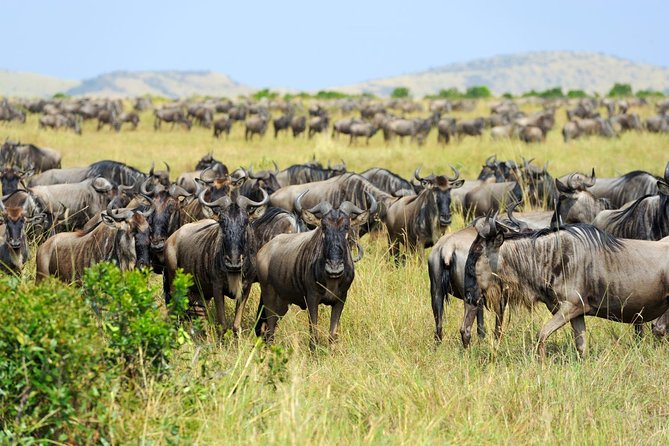
Wildlife takes center stage here. This eight-day private safari gives you time for Tarangire, Serengeti, Ngorongoro Crater, and Lake Manyara without squeezing every park into a rushed few days. I like the strong mix of wildlife: elephant country in Tarangire, open plains in the Serengeti, a crater packed with animals, and bird-rich Lake Manyara. I also like the practical setup, with accommodation, park fees, meals, transport, and a professional guide included.
The main catch is the long amount of time spent on the road, especially between the southern and northern Serengeti. Migration sightings are never guaranteed, and the famous Mara River crossing depends on animal movement, weather, and timing. Still, the private format gives you more say over the pace than a fixed group departure, and the price of $4,257 per person covers a great deal.
Five details worth knowing before you book
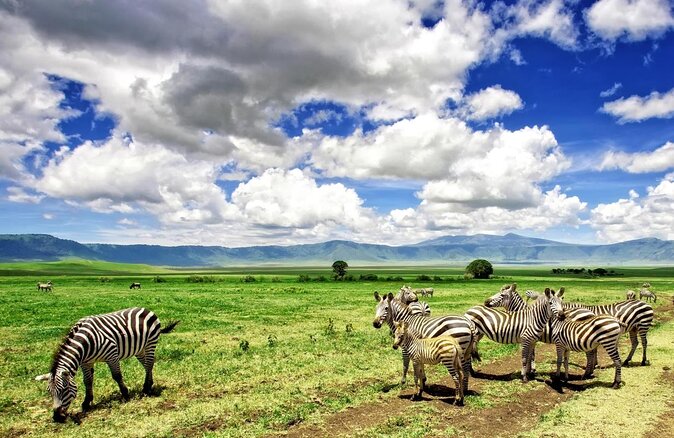
- The safari visits four major wildlife areas: Tarangire, Serengeti National Park, Ngorongoro Crater, and Lake Manyara.
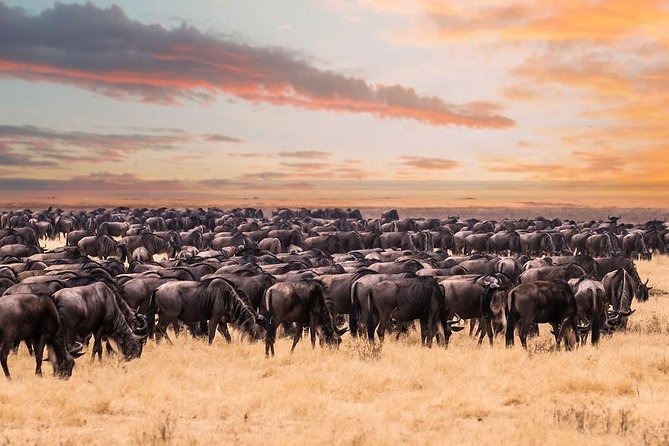
- The northern Serengeti is the main migration focus: Days four and five are set aside for migration viewing and possible Mara River action.
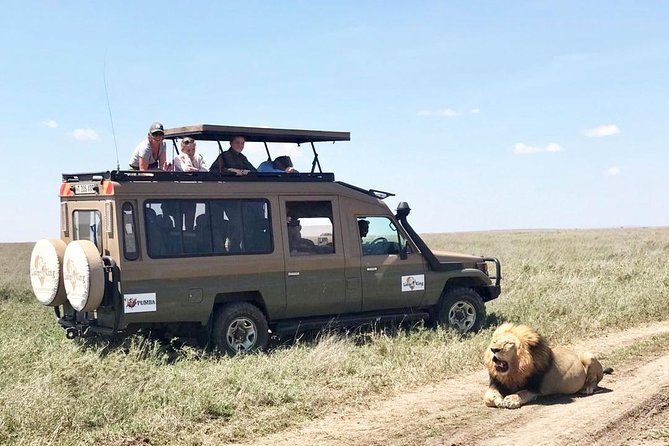
- The private vehicle matters: Only your group participates, so you can discuss timing and daily plans with your guide.
- The price includes the costly basics: Park fees, accommodation, guide, taxes, seven lunches, six dinners, and eight breakfasts are covered.
- Guide quality can shape the whole trip: Guides named in past experiences include Joseph, Benjamin, Salehe, Ozzie, Oswald, Enock, Geoffrey, and Jackson.
- The schedule is full: You get eight days of safari, but several days include long transfers mixed with game drives.
Arusha begins the trip at an easy pace
Your safari starts with pickup at 8:30 a.m. in Arusha, with a Lion King Adventures representative taking you to Ilboru Safari Lodge. This first night is less about sightseeing and more about getting settled, resting after your flight, and preparing for several early mornings.
That is a sensible start. A safari is not a gentle holiday once the game drives begin, so having an arrival night in Arusha gives you room to recover. The accommodation is described as a calm oasis, which sounds useful after an international flight and before the long drive toward the parks.
You should confirm the exact pickup point and your onward arrangements before booking flights. The package provides airport pickup in the tour description, but it does not list international flights or extra accommodation before or after the eight-day program.
A few more safaris around Arusha worth a look
- Balloon Safari & Bush Breakfast in Serengeti – Miracle Experience
★ 5.0 · 1,646 reviews - 4 Days Group Camping Safari
★ 5.0 · 1,101 reviews - 5 Days Group Camping Safari
★ 5.0 · 730 reviews
Tarangire brings elephants close to the road
After breakfast on day two, you drive for about two and a half hours on good tarmac roads to Tarangire National Park. The park takes its name from the Tarangire River, an important water source during the dry season.
Tarangire is a good first park because it offers a clear change from town life without requiring an exhausting transfer. Its elephant families are the headline act. You may also see giraffes, bushbuck, hartebeest, lions, and leopards, along with an unusually broad range of bird species.
The river helps explain why wildlife gathers here. During dry periods, animals have fewer reliable places to drink, so the area around the river can become especially active. That does not mean every visit produces a dramatic animal scene, but it gives your guide a useful place to search.
I would treat Tarangire as more than a warm-up. The park has its own character, with elephants and birdlife providing a different experience from the broad grasslands of the Serengeti. The drawback is that the day includes both the transfer from Arusha and a game drive, so you may feel the early start by evening.
The Serengeti starts with a long but rewarding transfer
Day three takes you toward the Ngorongoro Conservation Area and then into the Serengeti through the southern entrance. The route includes a chance to stop and view Ngorongoro Crater before continuing across the conservation area.
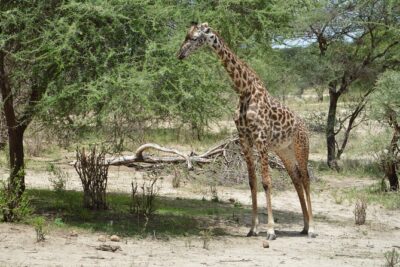
The Serengeti is famous for wide open grasslands, and those open views help you spot animals at a distance. Impalas, buffaloes, crocodiles, hippos, lions, cheetahs, and leopards are all possible. You will also see the setting that makes this park special: enormous plains with few visual barriers between you and the animals.
This is a day for patience. You are moving between major areas, so the road time is part of the safari rather than wasted time. Your arrival game drive continues toward the accommodation, with dinner following later.
The southern Serengeti is also important because the migration moves through different parts of the region during the year. The schedule is designed to continue north, so you are not simply staying in one area and hoping the animals come to you.
Two northern Serengeti days target the migration
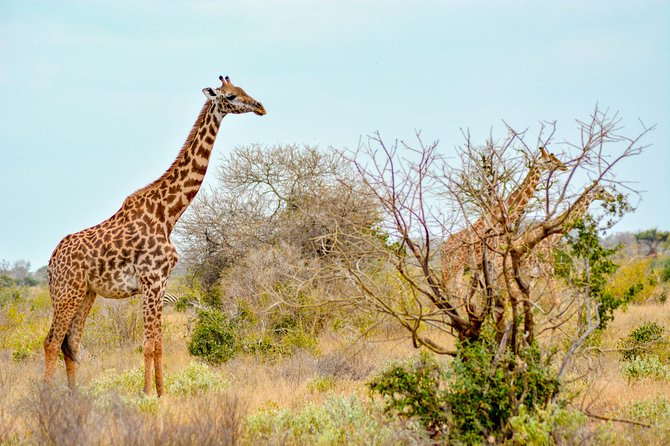
Days four and five are the core of the trip. After breakfast, you travel through the Serengeti toward its northern region, stopping for wildlife viewing along the way.
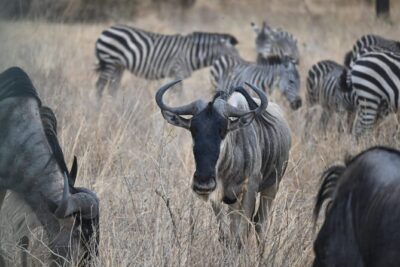
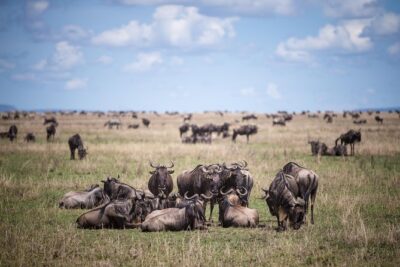
The great migration involves huge numbers of wildebeest, zebra, and antelope moving in search of fresh grazing and water. The route changes through the year, so the value of these two days depends heavily on the date of your visit. The program says the migration is usually in the Northern Serengeti at this time, but you should ask the operator for a current update before paying a deposit.
The northern area has a different feel from the open southern plains. You may find hills, riverine forests, plains, and rocky outcrops. The Mara River cuts through the region, creating the possibility of a river crossing.
That possibility needs a practical warning. A Mara River crossing is not a scheduled performance. The animals may gather at the bank, wait, turn back, or cross at a different point. Crocodiles, lions, hyenas, leopards, and cheetahs add drama, but nature does not follow the clock.
Two full days in this area improve your odds compared with a single short stop. They also give your guide time to search for more than the migration itself. The northern Serengeti can produce memorable sightings even if no river crossing occurs.
The long drive north is the tradeoff. You cover a lot of ground, and the road can feel tiring. If the migration is your main reason for booking, however, these two days are the strongest part of the schedule.
Same region, a very different drive:
- 3 Days Serengeti & Ngorongoro Group Camping Safari
★ 5.0 · 574 reviews - 7-Day Premium Luxury Tanzania Safari All-Inclusive
★ 5.0 · 426 reviews - 3-Day Classic Serengeti Safari
★ 5.0 · 263 reviews - 8 Days Great Wildebeest Calving Migration Safari from Arusha
★ 5.0 · 254 reviews
Returning through the Serengeti keeps the wildlife coming
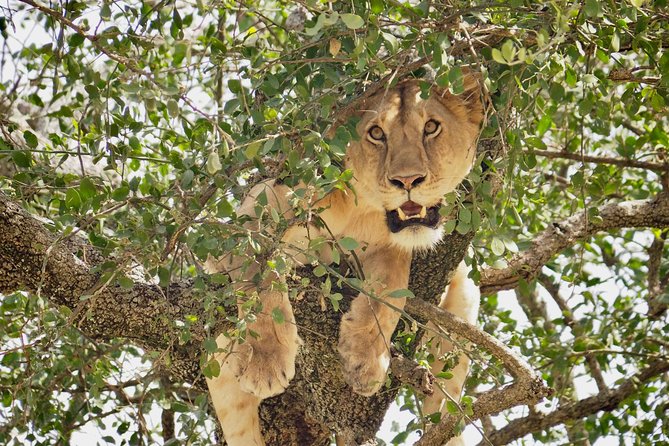
On day six, you begin the return toward Central Serengeti with an en route game drive. This is a useful design choice. You are not simply leaving the northern area in one long transfer. You continue looking for wildlife as you move south.
Every day in the Serengeti can bring something different, and this day gives you another chance to search for migrating herds or predators. Your guide’s skill matters here. Past experiences describe guides such as Joseph, Salehe, Benjamin, and Ozzie as attentive, flexible, and strong at spotting animals from a distance.
The private format helps. You can discuss how much time to spend at a sighting, ask questions, and talk through the next day’s plan. One past experience praised a guide for checking how each day had gone and adjusting the schedule when needed. That kind of communication is valuable during a demanding safari.
Ngorongoro Crater packs variety into one day
On day seven, you travel back through the Serengeti and Ngorongoro Conservation Area, with the crater planned for around lunchtime. The approach is part of the pleasure. The crater first appears as a vast volcanic bowl, with steep walls surrounding savannah, acacia woodland, lakes, and swamps.
The crater formed after a large volcano exploded and collapsed two to three million years ago. Once you descend into it, the enclosed setting can make wildlife viewing feel concentrated. You may see a broad mix of animals within a relatively compact area.
This stop is especially useful after the long Serengeti drives. Instead of scanning huge plains for a distant animal, you spend time in a distinct natural basin with several habitats close together. The eight-hour visit allows a substantial game-viewing period, though the exact pace depends on road conditions and sightings.
The limitation is timing. The crater comes after several days on safari, and you may be tired by then. You also have less control over the order of events because the day combines a return drive, descent into the crater, wildlife viewing, and onward accommodation arrangements.
Lake Manyara ends with birds, forest, and variety
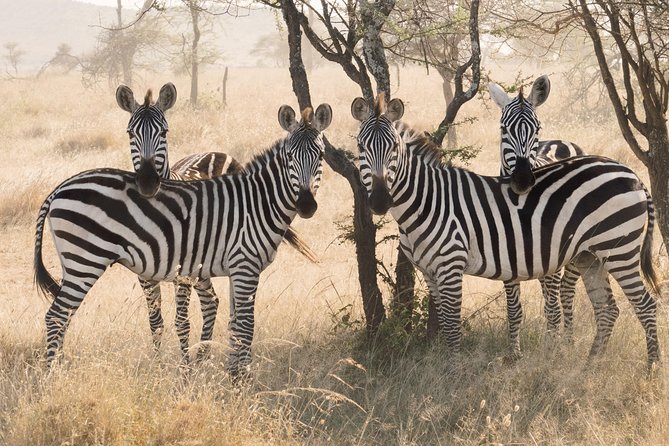
The final park is Lake Manyara, about 120 kilometers west of Arusha. It is a compact park, squeezed between the lake and the Great Rift Escarpment.
The park’s shallow salt lake changes with the seasons. When conditions are right, you may see flamingos and many other wading birds. More than 500 bird species are associated with the park, making this a particularly good final stop for anyone who enjoys birdlife as much as large mammals.
Thick evergreen forest adds another change of scene. Baboons and elephants may appear among the trees, and you should watch for the park’s famous tree-climbing lions. The tour information does not promise that you will see those lions, so consider them a possibility rather than a reason to expect a guaranteed sighting.
Lake Manyara is a fitting finish because it adds habitats that the Serengeti does not. It is not as vast, but its smaller scale can make the day feel more focused. The package describes this as the final safari destination, but it does not specify airport transfer or the exact end point. Ask about that before arranging a same-day flight.
What the $4,257 price really covers
At $4,257 per person, this is not a budget trip in the ordinary holiday sense. Tanzania safaris cost more because park fees, specialist vehicles, accommodation, food, staff, and long-distance driving add up quickly.
The value here comes from the amount included. Your price covers:
- All park fees
- All accommodation during the program
- A professional driver and guide
- Taxes and VAT
- Eight breakfasts
- Seven lunches
- Six dinners
That removes several major costs and makes budgeting easier. You are not paying separately each time you enter a park, and you do not need to arrange accommodation between each destination.
The word mid-range matters. You should expect comfort rather than a top-end lodge experience. The exact accommodation list is not supplied beyond Ilboru Safari Lodge in Arusha, so ask for the names and standards of the remaining lodges or camps before booking.
International flights, extra nights before or after the safari, and tips are not included. Insurance also deserves a direct question, since the general description refers to convenience around insurance but the itemized inclusions do not clearly list a policy.
Guides can make the difference
A safari vehicle is only as good as the person reading the road and the animals. The strongest praise connected to this company focuses on guide care, safe driving, wildlife knowledge, patience, and the ability to spot animals at long distances.
Names that appear repeatedly in the supplied experiences include Joseph, Benjamin, Salehe, Ozzie, Oswald, Geoffrey, Enock, Jackson, and Hurum. One guide, Salehe, was praised for finding distant animals and teaching some Swahili. Another, Benjamin, kept the vehicle stocked with drinks and maintained it carefully. Joseph was praised for adapting the day and finding predators.
Those details are useful because they show what you should ask for. Request the guide’s name when possible, confirm that your group will have a private vehicle, and explain whether migration viewing, birdlife, predators, photography, or relaxed pacing matters most to you.
The company’s own practical strengths also show in the booking support. Past experiences describe staff members such as Pendo, Carolina, and Florida as responsive while planning routes and accommodation. That matters because an eight-day safari involves several moving parts.
Who should choose this safari?
I would recommend this trip to someone who wants a full Northern Circuit safari without arranging each hotel, transfer, and park entry separately. It suits first-time safari visitors, couples, families, and small private groups that value support and a clear plan.
It is also a good match if you want migration viewing but do not want to spend the whole trip in one park. You get Tarangire, northern and central Serengeti, Ngorongoro Crater, and Lake Manyara in one package.
I would hesitate if you dislike long road transfers, need a guaranteed river crossing, or want a luxury-only stay. The schedule is active, the migration is unpredictable, and the accommodation details need confirmation before you can judge the comfort level properly.
The cancellation terms are fairly forgiving: you can cancel for a full refund up to 24 hours before the start time. Changes or cancellations inside that 24-hour window are not accepted for a refund.
Should you book it?
Book this safari if you want strong park variety, private guiding, and two dedicated migration days at a price that includes the main operating costs. The combination of Serengeti wildlife, Ngorongoro Crater, Tarangire elephants, and Lake Manyara birdlife gives you a broad introduction to northern Tanzania.
Before paying, ask three direct questions: Which accommodations will be used? Where does the tour end after Lake Manyara? What migration position is expected for your dates?
If the answers suit you, this is a well-balanced choice. It does not remove the uncertainty that makes a safari real, but it gives you enough time and range to make the search worthwhile.
FAQ
Where does the safari begin?
The safari begins in Arusha, Tanzania, with pickup offered at a listed start time of 8:30 a.m.
How long does the safari last?
The experience lasts approximately eight days.
Is this a private safari?
Yes. Only your group participates in the private tour or activity.
Which parks are included?
The route includes Tarangire National Park, Serengeti National Park, Ngorongoro Crater, and Lake Manyara National Park.
Will I see the wildebeest migration?
The safari includes two days focused on the migration in the Serengeti. Sightings depend on the animals’ location and movement, so a river crossing is not guaranteed.
Are park fees included?
Yes. Park fees are included in the tour price.
Are meals included?
Breakfast is included for all eight days, along with seven lunches and six dinners.
What is not included in the price?
International flights, additional accommodation before or after the safari, and tips are not included.
Newest safaris around Arusha
- Serengeti & Ngorongoro fly in safari★ 5.0 · 76 reviews
- 7 days great migration safari★ 5.0 · 77 reviews
- 5 days safari, hiking & culture (Serengeti & kilimanjaro)★ 5.0 · 27 reviews
- 6 days Tanzania budget safari★ 5.0 · 65 reviews
- 3 Days Tanzania Budget Group Joining Safari Tour★ 5.0 · 16 reviews
- Amazing 4 Days Tanzania Budget Camping Group Joining Safari★ 5.0 · 15 reviews
- 4 days safari★ 5.0 · 34 reviews
- 2 Day Budget Safari in Tarangire and Ngorongoro From Arusha★ 5.0 · 10 reviews
Arusha Safaris, compared.
Balloon Safari & Bush Breakfast in Serengeti – Miracle Experience
Read our review →
3 Days Serengeti & Ngorongoro Group Camping Safari
Read our review →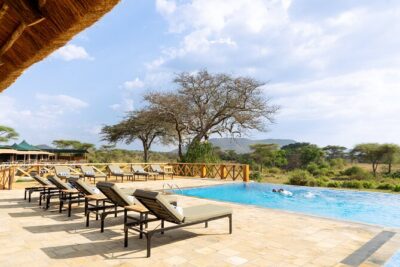
7-Day Premium Luxury Tanzania Safari All-Inclusive
Read our review →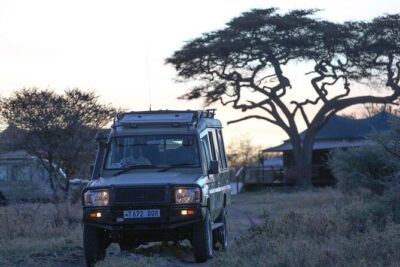
8 Days Great Wildebeest Calving Migration Safari from Arusha
Read our review →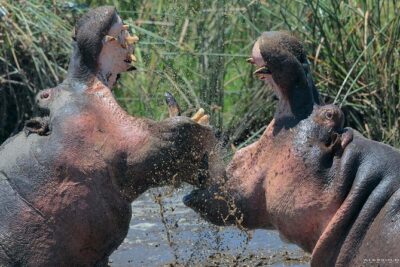
Group Safari 7 Days in Tanzania’s Main Parks
Read our review →Browse the lists this tour appears in