
Review · ARUSHA, TANZANIA
9 Days Safari To See Great Migration Crossing
The wild heart of Tanzania takes time. This nine-day private safari links Arusha National Park, Tarangire, Lake Manyara, Serengeti, and Ngorongoro Crater, giving you a broad look at northern Tanzania rather than a quick sprint through one or two parks. The main prize is time in the Serengeti, where you follow the seasonal movement of huge wildebeest and zebra herds.
I like the private format, since your group can work with the guide on game-drive timing and accommodation choices. I also like the mix of scenery, from Momella Lakes and forest in Arusha National Park to open Serengeti plains and the enclosed world of Ngorongoro Crater. The main caution is that a river crossing cannot be promised. Migration animals move according to rain, grass, and water, not a tour schedule.
Key points to know before booking
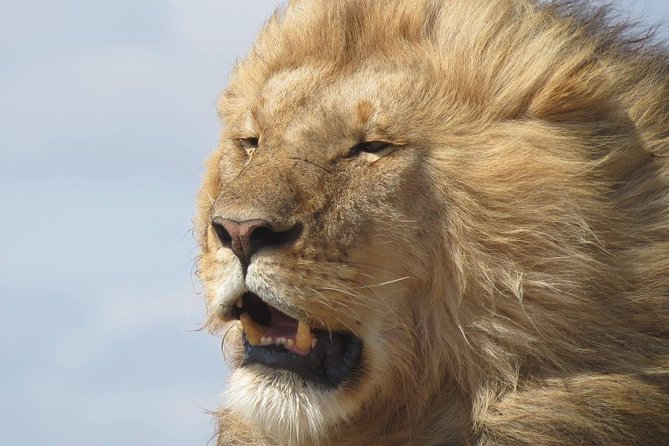
- Three nights in or around the Serengeti give you a better chance of finding moving herds and predators than a one-night visit.
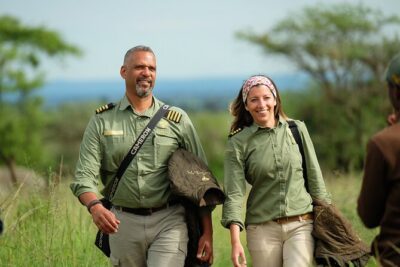
- Arusha National Park includes a four-hour walking safari with an armed ranger, a welcome change from sitting in a vehicle all day.
- The route covers four major wildlife areas, but that also means several long drives and early starts.
- The tour is private, so only your group participates, with pickup offered in Arusha.
- Lodges, luxury tented camps, and budget camping options are available, but confirm exactly which accommodation level your quoted price covers.
- The price is $4,846.16 per person, with meals, transport, park fees, and taxes listed as included. Tips are extra.
What this nine-day route does well
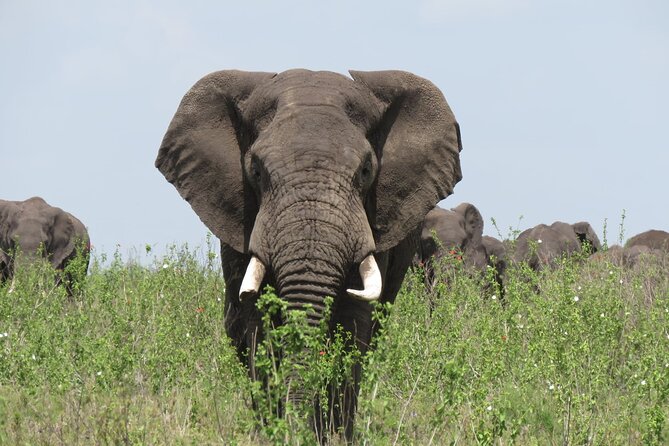
This is an ambitious northern Tanzania itinerary. You see varied habitats, not just one famous park. Arusha provides forest and lakes. Tarangire brings elephants and baobabs. Lake Manyara adds waterbirds and a chance of tree-climbing lions. Serengeti supplies the grand scale, while Ngorongoro concentrates wildlife into a dramatic volcanic caldera.
That variety matters. If you are making the long journey to Tanzania, it is satisfying to experience different types of scenery and animal life. You also get several full or nearly full game-drive days, which gives your guide more chances to locate cats, herds, hippos, elephants, and birds.
The tradeoff is road time. The itinerary moves from Arusha to Tarangire, then Lake Manyara, then through the Ngorongoro Conservation Area to Serengeti. Later, you return toward Ngorongoro and finally Arusha. You should enjoy being in a safari vehicle for hours at a time. The reward is seeing the country change outside your window.
A few more safaris around Arusha worth a look
- Balloon Safari & Bush Breakfast in Serengeti – Miracle Experience
★ 5.0 · 1,646 reviews - 4 Days Group Camping Safari
★ 5.0 · 1,101 reviews - 5 Days Group Camping Safari
★ 5.0 · 730 reviews
Day 1: Arusha National Park and Momella Lakes
The first morning begins with pickup in Arusha and a short drive, about 38 kilometers, to Arusha National Park. The route is on tarmac, and a packed lunch is provided.
Arusha is smaller than Serengeti, but do not treat it as a throwaway opening day. The park contains forest, open ground, lakes, and the Ngurdoto Crater. More than 400 bird species have been recorded here, making it especially useful if you enjoy birdwatching.
The four-hour walking safari with an armed ranger is one of the most appealing parts of the route. A walking outing changes your pace and your senses. You notice tracks, plants, bird calls, and small movements that can disappear when you are looking through a vehicle window.
Momella Lakes are known for flamingos, pelicans, little grebes, herons, ducks, and waders. You might also see giraffe, zebra, buffalo, monkeys, and other wildlife in the park. The walking portion is a real strength, but you should not expect the same concentration of large animals found later in Ngorongoro or Serengeti.
Day 2: Tarangire’s river and elephant country
After breakfast, you drive from Arusha to Tarangire National Park. Tarangire is particularly productive during the dry season from June through September, when wildlife gathers near the Tarangire River.
The park is known for large numbers of elephants, along with wildebeest, buffalo, oryx, lions, leopards, and many bird species. The seasonal movement of animals toward water gives the park a clear ecological rhythm. You are not just ticking off animals. You are watching how water shapes their behavior.
The planned day includes lunch, an afternoon game drive, dinner, and an overnight stay. The afternoon timing can be pleasant, with the light changing as the day cools. Still, the schedule is fairly tight after the morning departure from Arusha. If elephants are your priority, Tarangire deserves your attention even if the Serengeti migration is the headline event.
Day 3: Lake Manyara’s forest, springs, and birdlife
On Day 3, the route continues to Lake Manyara National Park, with a game drive after breakfast and a picnic lunch. The park is compact but varied. You pass through underground water forest, acacia woodland, open savanna, and a hot-water spring before reaching the lake.
Lake Manyara is a strong stop for birdlife. Flamingos and other waterbirds gather around the lake, and roughly 350 bird species have been recorded in the park. You might also see hippos, elephants, zebra, buffalo, giraffe, baboons, blue monkeys, vervet monkeys, and warthogs.
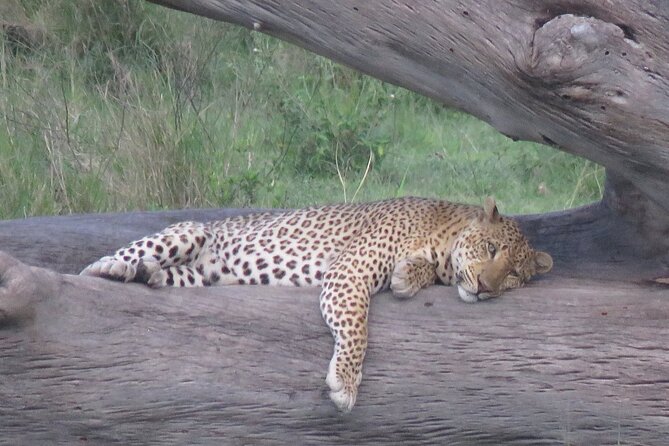
The park is also associated with tree-climbing lions. That does not mean you will automatically see lions in trees, but it gives the game drive an extra point of interest. Manyara works well as a contrast to Tarangire. The setting feels more enclosed and leafy, with water and woodland replacing the wider dry-country views.
One practical point: this is another active day with driving, a game drive, and a picnic meal. Pack patience. Safari schedules often look neat on paper, but animal sightings and park roads determine how quickly the day unfolds.
Same region, a very different drive:
- 3 Days Serengeti & Ngorongoro Group Camping Safari
★ 5.0 · 574 reviews - 7-Day Premium Luxury Tanzania Safari All-Inclusive
★ 5.0 · 426 reviews - 3-Day Classic Serengeti Safari
★ 5.0 · 263 reviews - 8 Days Great Wildebeest Calving Migration Safari from Arusha
★ 5.0 · 254 reviews
Day 4: Through Ngorongoro to the Serengeti
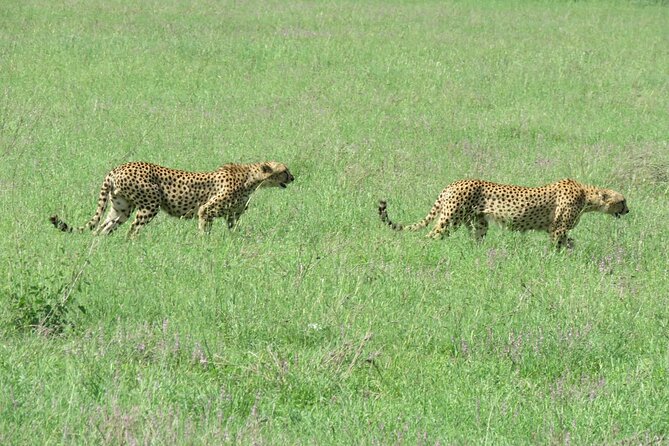
Day 4 is the long transition to Serengeti National Park. You travel through the Ngorongoro Conservation Area, with an optional visit to Olduvai Gorge. The gorge is associated with early human fossils dating back around two million years and adds a valuable archaeological layer to the safari.
The road then opens toward the Serengeti plains. This is the moment when the scale of northern Tanzania becomes clear. The Serengeti is not a small wildlife enclosure. It is a vast ecosystem where herds, predators, and water sources shift across great distances.
The route aims to reach camp for dinner around 6:30 p.m. That target depends on road conditions, the optional Olduvai visit, and wildlife sightings along the way. If Olduvai matters to you, confirm how much time is allocated so you understand the effect on the day’s drive.
Days 5 and 6: More time in the Serengeti
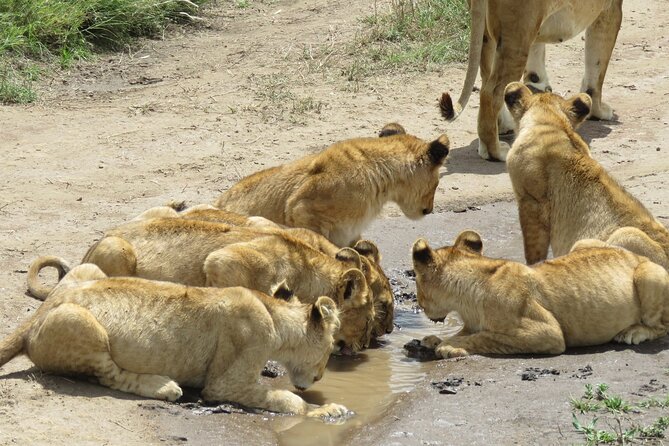
The two central Serengeti days are the backbone of the safari. Day 5 includes morning and afternoon game drives, with the option of a picnic lunch or a hot lunch. The changing light is part of the appeal. Early morning and late afternoon often provide different viewing conditions, and your guide can explain animal behavior as you go.
You may encounter big cats, grazing herds, elephants, crocodiles, and many smaller species. The itinerary is designed to keep you in the park through sunset, then return to camp for dinner. That gives you much more time than a quick drive through on the way to another destination.
Day 6 adds morning and afternoon game drives, moving toward the Lobo area in the northeastern Serengeti. Lobo is connected with the main route of the wildebeest migration. The location is useful because it places you closer to migration country, but the animals may not be there on the exact day you arrive.
This is where a private vehicle can help. A guide who communicates well can adjust the plan around recent sightings and your interests. David is identified as the company manager and is repeatedly praised for quick replies and trip planning. Guides named in the feedback include Ziggy and Tom. Ziggy is specifically praised for navigation and guiding, while Tom is praised for service and the safari vehicle.
Day 7: Following the migration
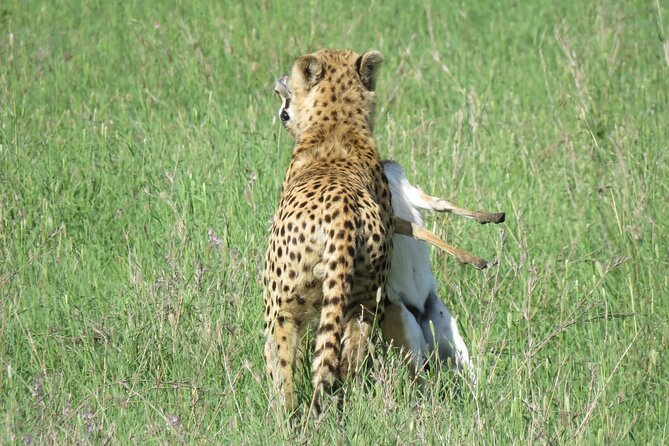
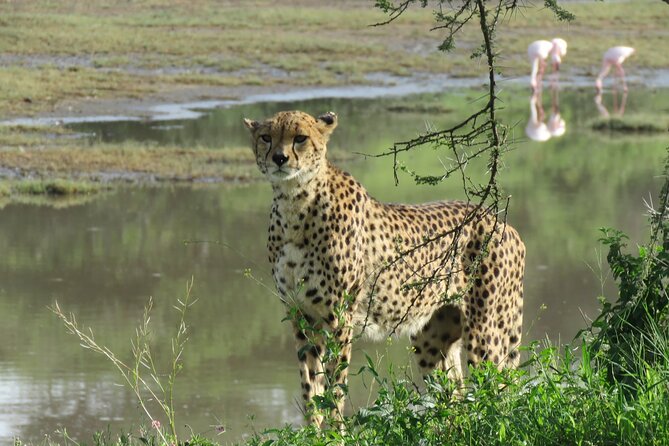
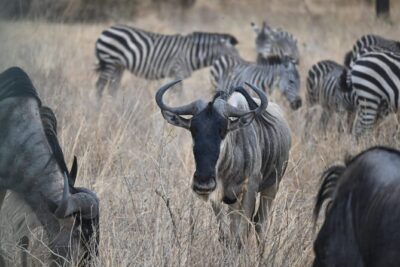
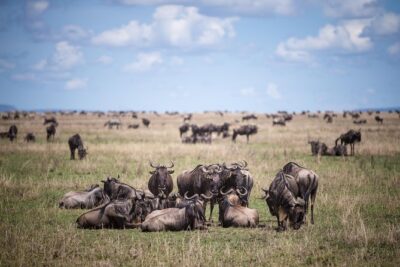
Day 7 is planned around following the migration route, with a packed lunch and a full day in the Serengeti ecosystem. The herds are described as roughly 1.5 million wildebeest and 500,000 zebra, accompanied by predators such as lions and cheetahs.
This is the day that gives the tour its title, but keep your expectations sensible. Seeing migrating animals is realistic during the correct season. Seeing a dramatic river crossing at close range is never guaranteed. Crossings depend on the herd’s location, rain, river conditions, and the animals’ own decisions.
The itinerary describes crocodiles waiting in the rivers and animals being swept away. Such scenes can happen, but they are not a scheduled show. You may instead see long lines of animals moving across open plains, scattered groups grazing, calves, predators watching from a distance, or herds changing direction.
That uncertainty is part of the experience, even if it can frustrate anyone expecting a guaranteed crossing. A good guide should explain what is happening rather than rush you from one sighting to another. This is also a long day, so the packed lunch is practical. You will spend most of your time outside the camp and should be ready for dust, heat, and extended vehicle hours.
Day 8: Leaving Serengeti for the crater rim
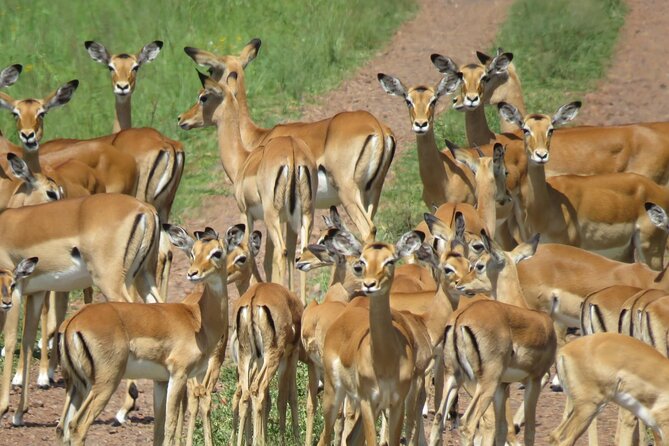
The morning begins with an early game drive in Serengeti before breakfast and departure toward the Ngorongoro Crater rim. You continue with lunch and wildlife viewing along the way, then reach the rim for dinner and an overnight stay.
This arrangement gives you one last Serengeti chance before changing environments. It also places you near the crater for an early descent on Day 9, instead of forcing you to drive from a distant camp in the morning.
The drawback is another travel-heavy day. You will not have the same full-day Serengeti focus as on Days 5 through 7. If the migration is your only reason for visiting Tanzania, ask how the exact camp locations affect game-drive time. If you want a broad first safari, the route is well balanced.
Day 9: Ngorongoro Crater and the return to Arusha
The final wildlife day starts early with a descent into Ngorongoro Crater. The crater floor holds an unusually concentrated range of wildlife, including rhino, lion, buffalo, elephant, zebra, hippo, wildebeest, and hyena.
A picnic lunch is served at Ngoitoktok Swamp, near a hippo pool. The setting adds atmosphere, but keep your attention on the animals and your guide’s instructions. Hippos are powerful and unpredictable, so picnic areas near water require care.
Birdlife includes flamingos around the soda lake, along with geese, storks, and vultures. After lunch, you drive back to Arusha. The crater is an excellent final stop because it offers a strong chance of varied wildlife in a compact area, though the return drive makes this a full final day rather than a relaxed departure.
The itinerary says the Big Five can be seen here, listing rhino, lion, buffalo, and elephant. Leopards are also part of the wider Big Five category, but no sighting is guaranteed anywhere on this safari. Go for strong opportunities, not a checklist promise.
What the $4,846.16 price means
At $4,846.16 per person, this is a significant purchase. The value depends heavily on the accommodation choice and the size of your private group.
The listed inclusions cover private transportation, park fees and taxes, breakfast for nine days, lunch for nine days, seven dinners, snacks, drinks, and other food items. Tips are not included. The package description also offers lodges, luxury tented camps, and budget camping, but the inclusion list does not clearly state which accommodation level is covered by the quoted price.
That is the most important pricing question to settle before paying. Ask for the exact names of every lodge or camp, the number of nights at each, and whether airport transfers or an Arusha hotel night are included. Several people received help with airport transfers and Arusha accommodation arrangements, but those services should be confirmed in writing for your booking.
The price makes more sense for someone who values a private vehicle, several Serengeti days, and a custom accommodation plan. It may feel high if you want basic camping and do not care about the extra parks. On the other hand, compressing this route into fewer days would create more road pressure and less time to respond to animal movements.
Service, guides, and practical planning
The operator is Kili Slope Tours and Safaris Ltd. Communication appears to be one of its strongest points. David is repeatedly praised for answering questions quickly, changing accommodation plans, arranging transfers, and helping with wider trip planning.
The guide can make or break a safari. Ziggy and Tom are named positively, with praise for guiding, navigation, service, and the vehicle. The private setup means you should discuss your priorities before departure. Tell the company if you care most about birds, elephants, big cats, the migration, photography, or a slower pace.
There is a timing inconsistency in the supplied information. The first day says pickup from an Arusha hotel at 7:30 a.m., while the meeting information gives an 8:30 a.m. start. Confirm your actual pickup time and location before the morning of departure.
The tour is listed as suitable for most people and near public transportation, though the safari itself involves long drives, early starts, walking on Day 1, and a crater descent. The activity is private, so only your group participates.
Free cancellation is available if you cancel at least 24 hours before the local start time. Cancellations within 24 hours are not refunded, and late changes are not accepted.
Who should book this safari?
You should consider it if you want a full northern Tanzania circuit rather than a short wildlife weekend. It suits first-time safari visitors who want several parks, couples planning a special trip, families seeking a private vehicle, and photographers who value repeated Serengeti game drives.
It is less suitable if you dislike long road journeys, want guaranteed river crossings, or prefer to stay in one park for the entire trip. You also need to be comfortable confirming accommodation details and accepting that wildlife follows nature, not the itinerary.
Should you book it?
I would book this safari if your priority is variety plus meaningful Serengeti time. The four park areas, private arrangement, walking safari, and three-day migration focus give you a strong first look at Tanzania. The high points are the planning support from David, the named guides Ziggy and Tom, and the chance to adjust the trip around your group.
Before booking, get the accommodation list, exact pickup time, group size, and migration-season plan in writing. Most important, treat the river crossing as a possibility rather than a promise. If you can accept that uncertainty, this is a well-rounded and ambitious route with enough time to make the long journey worthwhile.
FAQ
Where does the safari start?
The safari starts with pickup from your hotel in Arusha, Tanzania.
How long is the experience?
The safari lasts approximately nine days.
Which parks and protected areas are included?
The route includes Arusha National Park, Tarangire National Park, Lake Manyara National Park, Serengeti National Park, the Ngorongoro Conservation Area, and Ngorongoro Crater.
Is this a private safari?
Yes. Only your group participates in the activity.
Is pickup offered?
Yes. Pickup is offered, with hotel pickup in Arusha described for the first morning.
What meals are included?
Breakfast for nine days, lunch for nine days, and seven dinners are listed as included. Snacks, wine, soft drinks, and other food and drinks are also listed.
Are park fees and taxes included?
Yes. All fees and taxes are listed as included.
Are tips included?
No. Tips are not included in the price.
Can I cancel for a full refund?
Yes, if you cancel at least 24 hours before the experience start time. Cancellations within 24 hours are not refunded, and late changes are not accepted.
Newest safaris around Arusha
- Serengeti & Ngorongoro fly in safari★ 5.0 · 76 reviews
- 7 days great migration safari★ 5.0 · 77 reviews
- 5 days safari, hiking & culture (Serengeti & kilimanjaro)★ 5.0 · 27 reviews
- 6 days Tanzania budget safari★ 5.0 · 65 reviews
- 3 Days Tanzania Budget Group Joining Safari Tour★ 5.0 · 16 reviews
- Amazing 4 Days Tanzania Budget Camping Group Joining Safari★ 5.0 · 15 reviews
- 4 days safari★ 5.0 · 34 reviews
- 2 Day Budget Safari in Tarangire and Ngorongoro From Arusha★ 5.0 · 10 reviews
Arusha Safaris, compared.
Balloon Safari & Bush Breakfast in Serengeti – Miracle Experience
Read our review →
3 Days Serengeti & Ngorongoro Group Camping Safari
Read our review →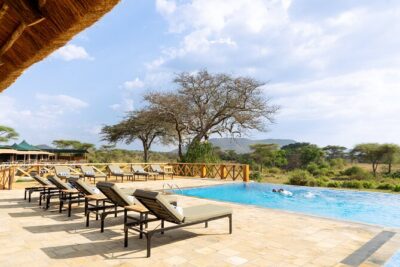
7-Day Premium Luxury Tanzania Safari All-Inclusive
Read our review →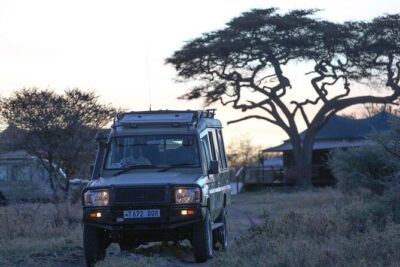
8 Days Great Wildebeest Calving Migration Safari from Arusha
Read our review →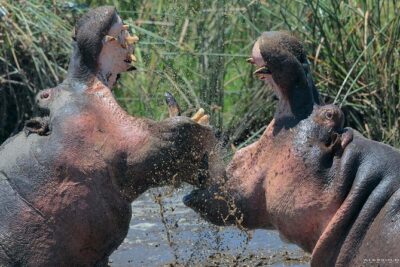
Group Safari 7 Days in Tanzania’s Main Parks
Read our review →Browse the lists this tour appears in