
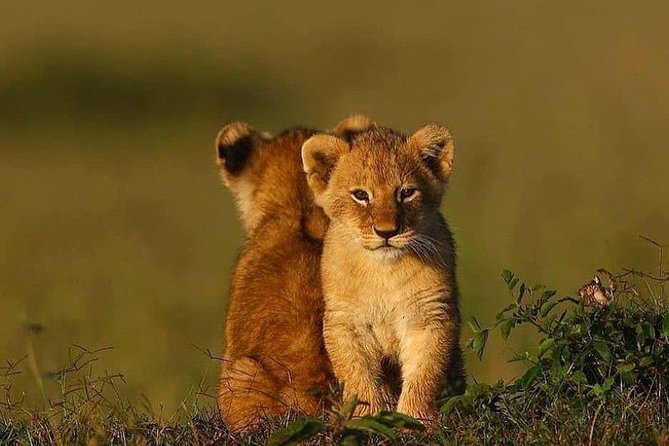
Review · ARUSHA, TANZANIA
2 days Mid Range Safari in Ngorongoro and Tarangire Big 5 Parks
The best safari moments often arrive quickly. This two-day trip links Tarangire National Park and Ngorongoro Crater, two of northern Tanzania’s most rewarding wildlife areas, in a compact trip from Arusha. You ride in a 4×4 safari vehicle, camp for one night, and spend the daylight hours searching for elephants, lions, buffalo, zebras, and other wildlife with an English-speaking guide.
I like the small-group format, which gives you a better chance of having a window seat and a clear view from the vehicle. I also like the practical pricing: at $680 per person, transport, park fees, meals, camping equipment, drinking water, and a professional guide are included. The main drawback is the pace. Two days is enough for an impressive introduction, but the driving is long and the schedule leaves little room for a slow, flexible safari.
Key Points At A Glance
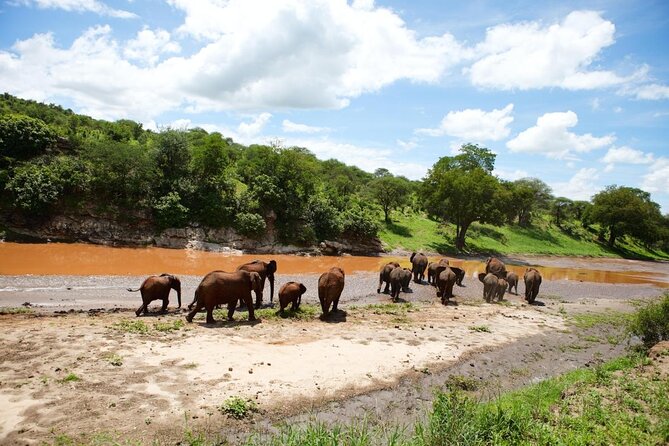
- Tarangire begins with elephants and baobabs: The park is especially appealing in the dry season, when animals gather around water and large elephant families are often seen.
- Ngorongoro packs wildlife into one crater: The caldera offers a strong chance of seeing lions, elephants, buffalo, zebras, hyenas, and possibly rhinos in a single game drive.
- A maximum of six is advertised: Another booking note lists a maximum of seven, so confirm the exact group size before paying.
- Camping keeps the price sensible: A tent and mattress are supplied, with dinner, breakfast, lunch, and mineral water included according to the schedule.
- Your guide matters here: Past trips have singled out guides including Nuru, David, and Simon for animal spotting, explanations, and patient driving.
- It starts early: Pickup is listed for 5:00 a.m. at Shoppers Supermarket in Arusha, with pickup and return arrangements available in Arusha.
Why This Short Safari Works
I would choose this trip if you have only two days in northern Tanzania and want to see two very different protected areas. Tarangire offers open country, huge baobabs, and a strong elephant presence. Ngorongoro feels more enclosed and concentrated, with the crater walls holding an extraordinary number of animals in one broad natural basin.
The appeal is not just the animal count. You also get a sense of how wildlife, scenery, and people fit together in this part of Tanzania. The route crosses the Masai steppe, and the Ngorongoro Conservation Area permits Indigenous Maasai communities to live within the conservation area. That human presence gives the journey more depth than a simple park-to-park drive.
Still, you should know what two days means. Day one includes a drive of about three hours and 139.7 kilometers to Tarangire, followed by up to eight hours in the park. Day two covers roughly 172.9 kilometers and includes a drive of about three hours and 20 minutes toward Ngorongoro, followed by around six hours in the conservation area. These are full days, not gentle sightseeing outings.
More Wildlife Safaris in Arusha
- Big Five Luxury Safari in Tanzania
★ 5.0 · 68 reviews - 6 Day Tanzania Wildlife Mid range Safari
★ 5.0 · 54 reviews - 7-Day Midrange Tanzania Safari Adventures (Big 5)
★ 5.0 · 43 reviews
Leaving Arusha At 5:00 A.M.
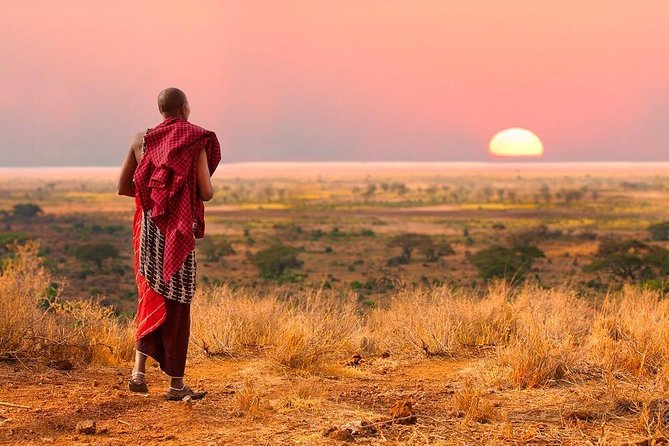
The meeting point is Shoppers Supermarket in Arusha, and the stated start time is 5:00 a.m. Pickup and drop-off in Arusha can be arranged, which is useful if you are staying at a hotel rather than meeting at the listed point.
An early start matters because the first day is built around reaching Tarangire and spending most of the day inside the park. You should be ready before sunrise, with only the basics close at hand. The trip includes meals, so you do not need to organize every snack and lunch yourself, but it is still sensible to carry personal essentials for a long vehicle day.
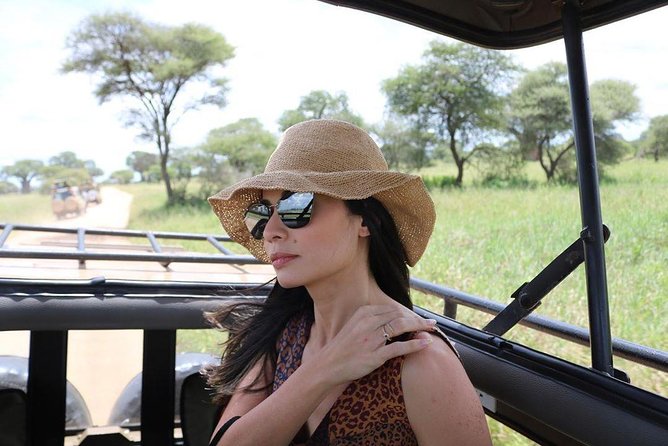
The 4×4 is central to the experience. It provides the raised view you need for spotting wildlife and the practical access required on park roads. With the small-group setup, each person is meant to have a window seat. That is more important than it sounds. A window gives you a better angle for photographs, fresh air when the vehicle is stopped, and a chance to scan both sides of the road.
The group-size information needs a little clarification. The main description says six people maximum, while the additional booking information says seven. I would ask Moorland Safari and Trekking which limit applies to your departure. A full vehicle can still be enjoyable, but the difference between six and seven affects elbow room and how easily everyone can follow an animal sighting.
Tarangire: Elephants, Baobabs, and Dry-Season Wildlife
Tarangire is the first major stop, and it gives the safari its most recognizable scenery. Ancient baobabs rise above the park, while strip-barked acacias and open grassland create a classic northern Tanzania setting. The route also brings broad views toward the Masai steppe and mountains to the south.
The park is particularly attractive in the dry season. As water becomes harder to find, elephants and other animals gather around Tarangire’s dependable water sources. The itinerary specifically highlights elephants, zebras, buffalo, and oryx, with lions also possible. The descriptions of large elephant families are not hard to believe, since Tarangire is strongly associated with elephant sightings.
I like that Tarangire is not presented as only a Big Five checklist. The baobabs, birdlife, and changing groups of animals are a major part of the experience. You may see herds moving through the grass, zebra near buffalo, or elephants passing close to the vehicle. The park’s appeal comes from watching these scenes develop rather than simply ticking off names.
The tradeoff is time. An eight-hour game drive after the morning transfer can be tiring, especially if you are not used to sitting on rough roads. Tarangire may also feel less concentrated than Ngorongoro, so some stretches could involve scenery and birdwatching rather than constant large-animal action. One piece of advice from the supplied experience is worth taking seriously: two nights in Tarangire would allow more time to appreciate the park. On this two-day plan, you get a useful taste, not a leisurely exploration.
Tarangire can also suit bird lovers. The trip information does not provide a birding checklist, but the park is presented as a good place for birdlife. If birds matter to you, tell the guide early. The same is true if elephants are your priority. A guide who knows your interests can help shape the stops when conditions allow.
Camping After The First Game Drive
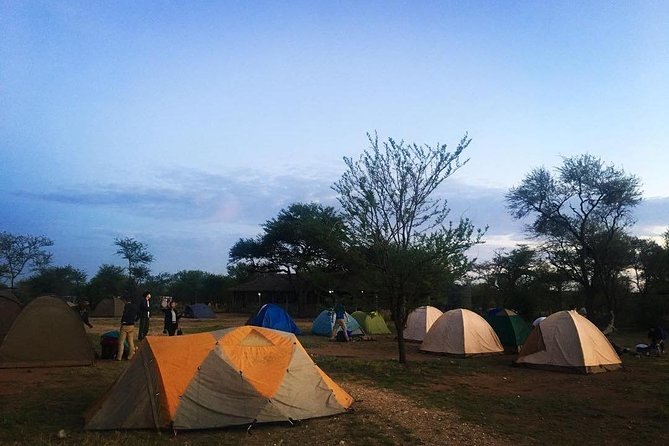
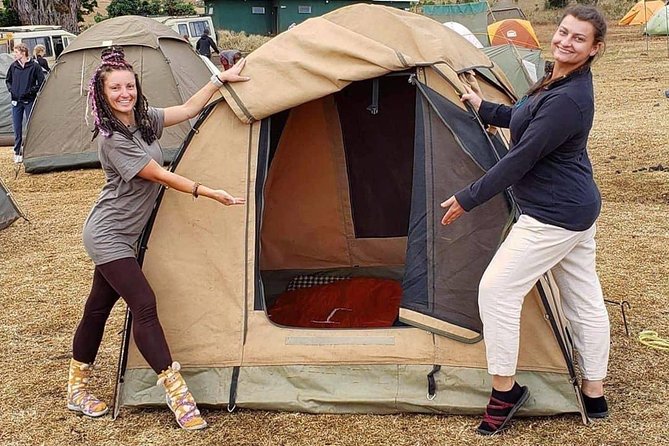
The overnight stay is in a provided tent with a mattress, and camping fees are included. This is basic safari camping rather than a lodge-based mid-range night, so your expectations should be clear before booking.
The benefit is value. Camping keeps the trip at $680 per person while putting more of your money into the actual park experience, transport, guiding, and fees. It also keeps you close to the rhythm of the safari: an early start, a full day outside, dinner, rest, and another early morning.
The listing includes dinner, two breakfasts, two lunches, and mineral water according to the itinerary. The material does not specify the exact campsite, tent style, bathroom arrangements, or meal menu, so ask those questions before departure if they affect your comfort. The accommodation details can also vary if you arrange an upgrade. One past booking included a lodge upgrade, so it is worth asking whether that option is available for your dates.
Camping is best for you if you can handle a simple night after a demanding day. If you want a private room, a fixed bed, or more predictable comfort, ask about a lodge upgrade before booking rather than assuming the standard plan includes one.
More Wildlife Safaris in Tanzania
- 5 Days 4 Nights Tarangire, Serengeti , Ngorongoro & Manyara Wildlife Safari
★ 5.0 · 40 reviews - Big Five Classic Safari in Tanzania **Sustainable Travel approach
★ 5.0 · 31 reviews - 4 Days Wildlife Safari and Cultural Experience in Tanzania
★ 5.0 · 23 reviews - Big Five Luxury 7 Days Safari Tour in Arusha
★ 5.0 · 20 reviews
Ngorongoro Crater: A Compact Wildlife Day
Day two begins with early coffee and a morning game drive in the Ngorongoro Conservation Area. The route from the Tarangire area is long, but the reward is one of Tanzania’s most striking wildlife settings: a huge volcanic caldera with grassland, water, and wildlife gathered within its walls.
The figures supplied for the crater give you an idea of its density: about 7,000 wildebeest, 4,000 zebras, 3,000 eland, 3,000 gazelles, 600 hyenas, 200 to 300 elephants, more than 60 lions, and around 30 rhinos. These numbers are estimates rather than a promise for your particular drive, but they explain why Ngorongoro is so popular.
You may see several species in a short stretch of road. That makes the crater especially suitable for a first safari or for anyone with limited time. The setting also helps wildlife viewing because the crater walls contain the action within a defined area. You are not guaranteed every animal, but the chance of seeing a wide mix is strong.
Big Five sightings are repeatedly associated with this route, including reports of all five in Ngorongoro. Treat that as an encouraging possibility, not a guarantee. Rhinos can be difficult to find, lions may be resting out of sight, and leopards are never a sure thing on a short schedule.
The crater is not only about mammals. More than 500 bird species are listed for the area, including ostriches, kori bustards, and secretary birds. From November through April, migratory birds add another reason to pay attention to the sky and open grassland.
Your second day allows about six hours in the conservation area. That is enough for a meaningful game drive, but the combination of the morning start and long road journey can make the return feel tiring. I would pack lightly, keep water close, and avoid filling your day with another major activity after the safari ends.
Guiding, Animal Spotting, and Communication
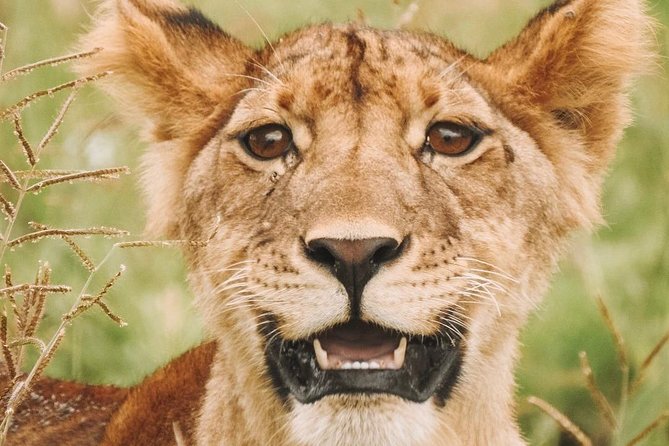
A strong guide can make or break a short safari. You have less time to wait for an animal to appear, so the guide’s driving, communication, and ability to read the park matter.
Several guides connected with this company have been praised by name. Nuru helped a group find the Big Five. David was singled out for making an effort to locate animals and answer questions. Simon was also praised for guiding and organization. Those details suggest that guide quality is an important part of the company’s service, though your assigned guide depends on availability.
The guide is also your interpreter. You can expect explanations about animals, plants, the crater, and the communities living in the conservation area. Past experiences with the company have placed strong emphasis on the educational side, which is good news if you want more than photographs.
I would tell your guide what matters most to you before leaving Arusha. Say if you want elephants, birds, predators, photography time, or more explanation about Maasai life and conservation. You cannot control wildlife, but clear communication gives the guide a better chance to match the day to your interests.
What The $680 Price Really Covers
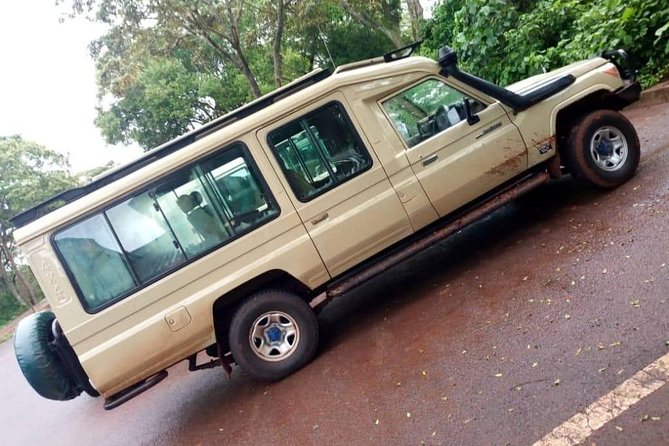
At $680 per person, this is not a bare-bones park transfer. The price includes transportation in a 4×4, an English-speaking professional guide, national park fees, camping and park fees, a tent, a mattress, meals listed in the schedule, and mineral water.
That package makes the price easier to judge. Park fees alone are a major part of a northern Tanzania safari, while a private vehicle and guide would normally cost more when divided among fewer people. The small-group format adds value because you are not simply being moved between gates in a crowded vehicle.
The price is strongest for someone who wants a short, organized safari without arranging separate hotels, meals, permits, and transport. It is less attractive if you mainly want a relaxed pace or lodge comfort. The trip compresses two major parks into two days, so you are paying for access and convenience as much as for time in the bush.
Tips are not included. Set aside money for your guide and other staff, but the amount is not specified in the supplied details. Ask the operator for current tipping guidance before you go.
Who Should Book This Safari?
I would recommend it to you if:
- You have only two days available from Arusha.
- You want a good chance of seeing many classic African animals.
- Elephants and dramatic scenery appeal to you.
- You are comfortable with an early start and long drives.
- You prefer a small group to a large shared vehicle.
- You are happy with camping or want to ask about a lodge upgrade.
- You want park fees, meals, and transport handled in one booking.
I would think twice if you want slow photography sessions, several nights in each park, or a high-comfort lodge stay. Tarangire deserves more than a quick pass if you want to focus on birds, scenery, or quieter parts of the park. Ngorongoro also rewards time, but this schedule gives it the larger share of attention.
The tour is suitable for most participants, according to the supplied information, and it is near public transportation. Confirmation is provided at booking. Still, confirm the pickup point, exact group size, camping facilities, meal arrangements, and any lodge upgrade before you commit.
Should You Book The Two-Day Route?
Book it if you want a high-value first safari and can accept a busy schedule. Tarangire gives you elephants, baobabs, zebra, buffalo, and a sense of open-country Tanzania. Ngorongoro then brings wildlife into a compact crater where your chances of seeing many species rise sharply.
I would choose this route for a short stay in Arusha, especially if the company confirms a small group and assigns a guide with the animal-spotting skills associated with Nuru, David, or Simon. I would not choose it for a restful holiday or a luxury camping experience.
The free-cancellation rule is practical: you can cancel for a full refund up to 24 hours before the 5:00 a.m. start time. After that point, refunds are not available and late changes are not accepted. With the group-size and accommodation questions settled in advance, this is a sensible, focused way to get two major northern Tanzania parks into one compact safari.
FAQ
Where does the safari start?
The listed meeting point is Shoppers Supermarket in Arusha, Tanzania. Pickup and drop-off in Arusha can be arranged.
What time does the safari begin?
The stated start time is 5:00 a.m.
Which parks are visited?
The route visits Tarangire National Park on the first day and the Ngorongoro Conservation Area on the second day.
Is camping included?
Yes. A tent and mattress are included, along with camping and park fees.
Are meals included?
Yes. The package lists dinner, two breakfasts, two lunches, and mineral water.
How large is the group?
The main description says the safari is limited to six people, while the additional information lists a maximum of seven. Confirm the exact limit with Moorland Safari and Trekking before booking.
More 2-Day Experiences in Arusha
- 2 Days Tarangire and Ngorongoro Group Camping Safari
★ 5.0 · 146 reviews - 2 Days Group Joining Camping Safari Tarangire Park and Ngorongoro Crater
★ 4.5 · 28 reviews - 7 Day Kilimanjaro Climb Lemosho Route & 2 Day Safari
★ 5.0 · 16 reviews - 2 Day Safari Tarangire and Ngorongoro Crater
★ 5.0 · 16 reviews
Newest safaris around Arusha
- Serengeti & Ngorongoro fly in safari★ 5.0 · 76 reviews
- 7 days great migration safari★ 5.0 · 77 reviews
- 5 days safari, hiking & culture (Serengeti & kilimanjaro)★ 5.0 · 27 reviews
- 6 days Tanzania budget safari★ 5.0 · 65 reviews
- 3 Days Tanzania Budget Group Joining Safari Tour★ 5.0 · 16 reviews
- Amazing 4 Days Tanzania Budget Camping Group Joining Safari★ 5.0 · 15 reviews
- 4 days safari★ 5.0 · 34 reviews
- 2 Day Budget Safari in Tarangire and Ngorongoro From Arusha★ 5.0 · 10 reviews
Big Five & Wildlife Safaris, compared.
Sunrise Desert Jeep Safari with Wildlife Experience
Read our review →
Addo Elephant National Park All Inclusive Full-Day Safari
Read our review →
Big Five Game Reserve Wildlife Safari from Cape Town
Read our review →
Big Five Safari and Breede River Valley Guided Day Trip
Read our review →

Browse the lists this tour appears in