
Review · ARUSHA, TANZANIA
3 Days Safari Ngorongoro Crater and Serengeti National Park
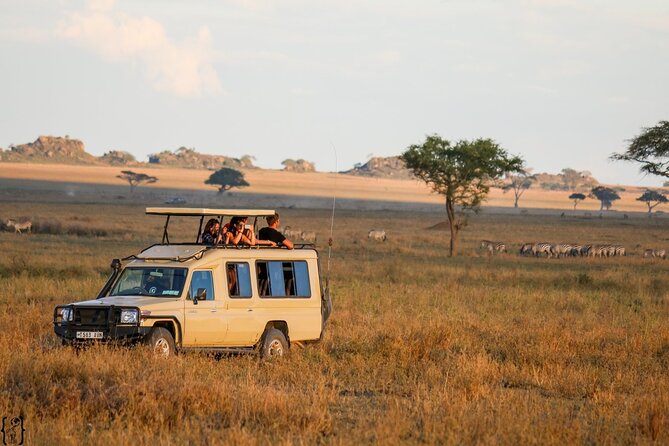
The wild starts with a long road. This three-day safari from Arusha packs Serengeti National Park and Ngorongoro Crater into a short, energetic trip, with game drives, camping, and meals included. I like the chance to explore several Serengeti zones in one day, and I like the small maximum group size of six, which should make the vehicle more manageable. The main drawback is time: long drives leave little room for rest, and the schedule needs clarification because the stated pickup time and day-by-day outline do not fully match.
I also like the strong emphasis on guide service. Names such as Felix, Simon, Christian, Bulldozer, Mike, Heaven Light, and Lucky appear in the operator’s praise, with repeated approval for quick communication, friendly support, good food, and careful driving. Still, you should confirm your exact guide, sleeping arrangements, and final route before paying, especially if you expect two nights in tents.
Key points to know before booking
- The Serengeti portion is wildlife-heavy: Day one covers the southern, central, and Seronera Valley areas, with a long game drive after the journey from Arusha.
- Ngorongoro offers compact wildlife viewing: The crater can provide excellent odds of seeing several major animals in one day.
- This is a fast three-day route: Expect substantial time in the vehicle, not a slow camp-based safari.
- Camping keeps the price in check: The basic camping option is likely best for value, but confirm whether both nights are in tents.
- Food receives strong praise: Lunches, breakfasts, and dinners are included, and the safari cook is repeatedly singled out for good meals.
- The group is capped at six: That is a useful size for a shared safari vehicle and game viewing.
What this three-day safari actually gives you
At $810 per person, this trip is not a bare-bones drive-by tour. It includes three lunches, two breakfasts, and two dinners, along with access to two of northern Tanzania’s best-known wildlife areas. The price also covers the structure that makes a safari work: a guide-driver, park access arrangements, transport, and camping support.
Still, the value depends on your expectations. You are paying for access to Serengeti and Ngorongoro in only three days, so the schedule is tight. A longer safari would give you more time to wait quietly near wildlife and recover between drives. This one is better for you if you want a strong first taste of northern Tanzania and have limited holiday time.
The tour is limited to six people, which matters. A shared safari can become tiring when every seat is occupied, but six is a more practical number than a large minibus group. You will have less control over stops than on a private trip, yet the cost is easier to manage.
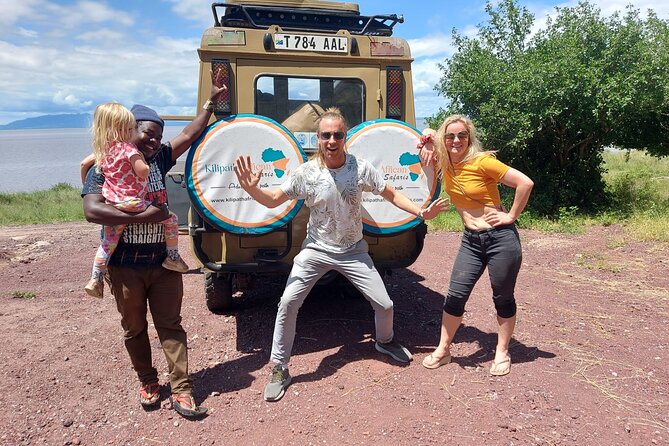
The operator is Kilipath African Safaris. Communication appears to be one of its strongest points. Heaven Light is praised for quick WhatsApp support and regular check-ins, while Felix is noted for fast replies before departure and, in one account, for personally handling an airport pickup. Those details matter when a safari involves changing park plans, long drives, and camping.
More National Park Safaris in Arusha
- 3 Day Serengeti National Park & Ngorongoro Crater Camping Safari
★ 5.0 · 142 reviews - 5 Days Tanzania Group Joining Safari, Tarangire/Serengeti/Ngorongoro Crater
★ 5.0 · 85 reviews - 5 day safari Tarangire Serengeti and Ngorongoro crater
★ 5.0 · 83 reviews
Day one: the long road into southern Serengeti
The day begins with breakfast at 7 a.m. and a scheduled pickup at 8 a.m. from your accommodation. The drive to the southern Serengeti is listed as about six hours and 335 kilometres, entering through the Ngorongoro gate. In reality, a park-bound day can feel longer once stops, gate procedures, and wildlife sightings enter the picture, so do not plan anything important for the evening.
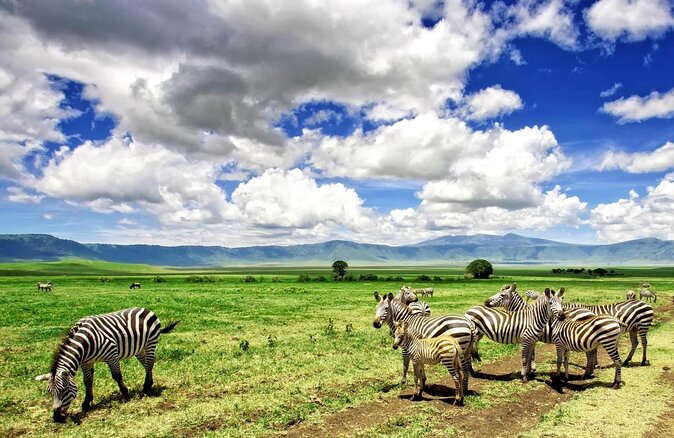
The reward is the Serengeti itself. The name is linked to the Maasai word Serengit, meaning the land of endless plains. Southern Serengeti has open grassland that supports wildebeest, zebra, Coke’s hartebeest, waterbuck, Grant’s gazelle, Thomson’s gazelle, impala, and other grazing animals.
The route also includes the southern, central, and Seronera Valley areas. That gives you a broad first look at the park instead of confining you to one small section. The tradeoff is obvious: you spend a good part of the day reaching the park, then move through a large area during the game drive.
The southern plains can be especially rewarding when grazing herds are concentrated there. You might see large groups of wildebeest and zebra, along with the predators that follow them. Wildlife is never guaranteed, of course, but the range of habitats and the full-day timing give your guide room to make sensible choices.
One detail needs sorting out before departure. The description says day one includes a visit to a hippo habitat, but it does not identify the exact location. Ask your operator to explain when that stop happens and whether it is part of the scheduled game drive.
Day two: kopjes, elephants, and more Serengeti time
The second day is described as roughly six hours in Serengeti National Park. Its focus is the central area, including Moru Kopjes. These weathered rock formations rise from the open plains and give animals, guides, and photographers a different kind of viewpoint.
Kopjes are useful for more than scenery. Predators can use the rocks as lookout points, while lions and other animals may rest in the shade. The area is also associated with elephants, candelabra trees, short-lived flowers, and sightings of rare black rhinos.
Moru Kopjes also connect the natural setting with human history. The description refers to Maasai cave paintings showing elephants, shields, and abstract designs. Ask your guide how much time is planned for these features, since a short safari may need to put wildlife first.
This is the day when a good guide can make a real difference. The operator’s praised guides include Simon, Christian, Felix, and Bulldozer. The most useful guide is not simply the person who spots an animal first. You want someone who explains animal behavior, identifies plants and birds, reads the road conditions, and gives you a clear idea of why the vehicle is stopping.
Several accounts give the safari cook high marks, with one person calling the food some of the best they had in Tanzania. That is welcome news on a camping trip. Included meals mean you do not need to arrange food independently during the route, and the cook’s work can make long days much easier.
There is another scheduling issue here. The overview says the second day takes you to the Ngorongoro Conservation Area for an overnight stay, while the detailed day two description keeps you in Serengeti. Before booking, ask for the final sequence in writing. You need to know where you sleep on night one and night two, and how much time you actually receive inside each park.
Day three: the Ngorongoro Crater in one concentrated game drive
Ngorongoro is the compact part of this safari. The crater floor gathers grassland, woodland, wetlands, and water sources into a relatively small area, creating strong conditions for wildlife viewing. The provided plan allows about six hours here before returning toward Arusha.
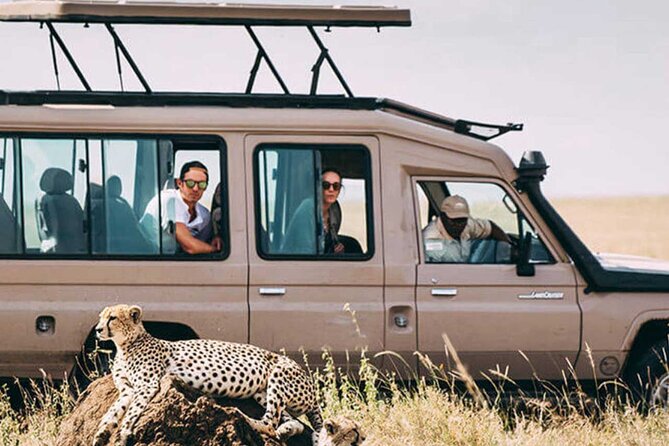
You may see wildebeest, gazelle, golden jackals, bat-eared foxes, hippopotamus, buffalo, eland, waterbuck, leopards, and other ungulates. The area is also linked with the Big Five, and the description presents it as a place where you may have a chance to see all five in one day.
That possibility is a major reason this short safari works. In the Serengeti, animals can be spread across enormous distances. In Ngorongoro, the crater’s enclosed setting can make a single day feel more productive. You still should not treat any sighting as promised, but the crater is a sensible final stop when time is limited.
The same description also notes animals that are rarely seen there, including giraffes, oribi, topi, spotted hyenas, cheetahs, impalas, and some other species. This is useful information, not a flaw. No park has every animal in equal numbers, and a realistic guide will explain what is likely instead of selling you a perfect checklist.
The scenery is part of the reward. From the crater rim, you look down into a broad bowl of grassland and water, with wildlife reduced to small moving shapes below. Once inside, the view changes from grand panorama to close encounters along the roads.
Ngorongoro also has cultural and archaeological importance. Maasai families live in circular homesteads called bomas, and the conservation area is connected with early human evolution research associated with Mary and Louis Leakey. The safari is not presented as a dedicated cultural or archaeology tour, so treat these as added context rather than guaranteed visits.
More National Park Safaris in Tanzania
- 3 Days Small Group Safari to Serengeti NP and Ngorongoro Crater Tour in Tanzania
★ 5.0 · 77 reviews - 5 Day Silver Serengeti & Ngorongoro Crater & Tarangire Safari
★ 5.0 · 46 reviews - 6 days 5 nights safari Ngorongoro, Serengeti and Tarangire National Parks
★ 5.0 · 39 reviews - 4 Days lodge safari Tarangire , Ngorongoro crater & Walking
★ 5.0 · 39 reviews
Camping, meals, and the practical side of comfort
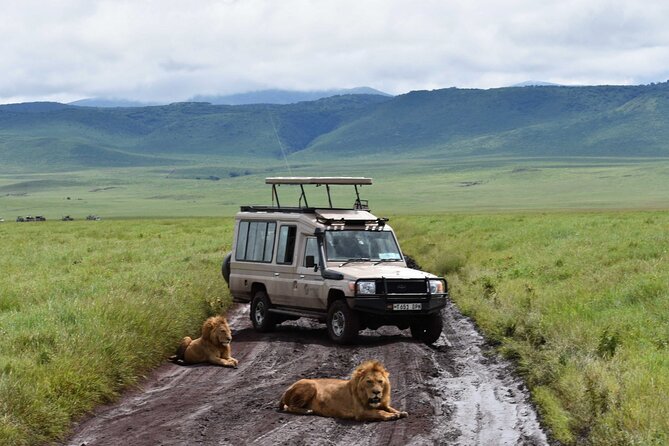
This is presented as a camping safari, and the basic camping option is the lower-cost choice. Some booking details describe two nights in tents, while the main itinerary does not spell out the campsites or tent standard. That is the most important comfort question to ask before you book.
You should confirm:
- Whether both nights are in tents
- The location of each campsite
- Whether tents, sleeping mats, and other camping equipment are supplied
- The bathroom arrangements
- Whether the camping setup changes between Serengeti and Ngorongoro
Do not assume that a basic camping safari means poor food or poor organization. The available feedback gives the opposite impression on meals and support. Lunch is included three times, breakfast twice, and dinner twice. One account specifically praises picnic lunches, while another praises the cook’s quality and care.
The meals matter because the days are long. A warm dinner and a reliable breakfast can change your mood after hours on rough roads. If you have dietary needs, raise them with the operator before departure, since the provided information does not explain how special diets are handled.
The accommodation reports are generally positive, with some praise for comfortable and satisfying arrangements. Yet the exact setup seems to vary, so ask for details rather than relying on the broad word camping.
Weather, seasons, and the wildlife question
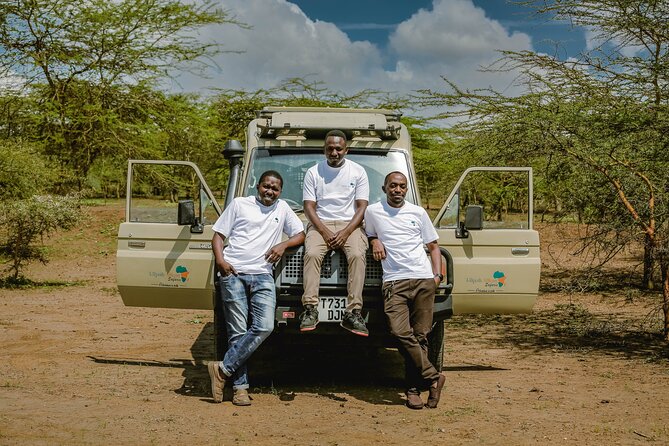
The Serengeti is not the same park every month. One account describes October as dry, with dry grass making some animal sightings harder in parts of the park, while suggesting January or February as a different choice. This does not make October a bad time, but it does show why your month matters.
You may find clearer views and open grass in a dry period, but animals can be less concentrated in some zones. At another time, fresh growth or seasonal movement may change the balance. The famous wildebeest and zebra migration also shifts location, so ask where the herds are expected during your dates instead of assuming they will be beside the road.
Weather can also change quickly. One account refers to different weather conditions across Serengeti. Pack for changing temperatures, especially since early starts, open vehicles, and evening camping can feel very different from the warmer middle of the day.
A safari guide cannot control rain, animal movement, or visibility. What the guide can do is use local information, explain the conditions, and adjust the route within park rules. That is another reason to value clear communication and an experienced driver over flashy promises.
Guides, communication, and group style
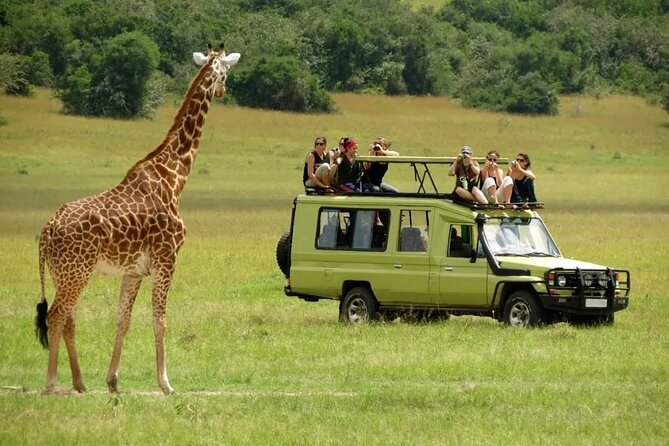
The strongest praise centers on the human side of the trip. Felix is repeatedly associated with friendly service and successful wildlife viewing, including reports of seeing the Big Five and the zebra and wildebeest migration. Simon is praised for his warm manner and strong understanding of the parks and animals. Christian is described as attentive and helpful on a first safari.
Bulldozer is also singled out for knowing what he was doing and sharing information during the drive. Heaven Light receives repeated thanks for quick replies and reliable support before and during the trip. Lucky is mentioned for helping arrange an unforgettable short safari.
Those names should not lead you to assume one particular person will guide your departure. Ask who is assigned to your vehicle. The quality of a safari can depend heavily on the guide’s patience, driving habits, wildlife knowledge, and ability to listen to the group.
The group limit of six is a good middle ground. You get the social feel and lower price of a shared trip, but the vehicle should not be packed with a large crowd. If you want to stop for photography as often as you like or set a private pace, ask about a private upgrade.
Is $810 a fair price?
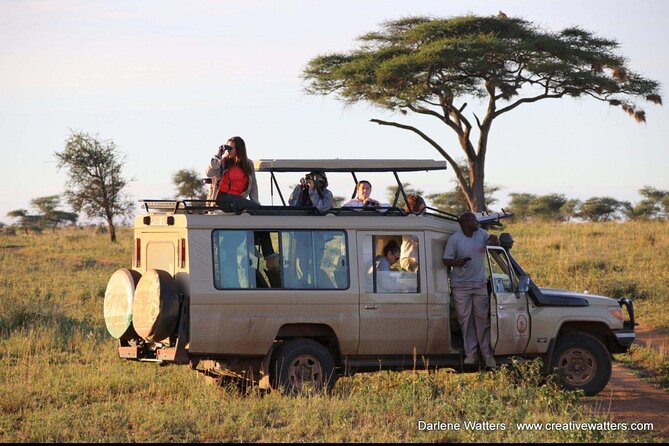
For three days covering Serengeti and Ngorongoro, $810 per person can represent good value if you want the major highlights in a short window. Meals are included, the group can be as small as six, and the trip combines transport, guiding, park visits, and camping support.
The value drops if you expect long, relaxed game drives or hotel-style comfort. The first day includes a 335-kilometre drive, and the schedule leaves little spare time. You are buying reach and convenience more than leisure.
The price also excludes tips for the driver-guide and safari cook, as well as visas. Plan for those costs separately. Tips are not a hidden park fee, but they are part of the usual budget for a service-based safari.
Since the booking page lists an average booking lead time of seven days, last-minute planning may be possible. I would still allow extra time to confirm park timing, campsite details, airport or hotel pickup, and the conflicting start information.
Who should book this safari?
I would recommend it for a first safari, a short visit to Tanzania, or anyone who wants to combine the Serengeti and Ngorongoro without committing to a week on the road. It also suits people who enjoy camping and do not need every night in a lodge.
You should think twice if you dislike long drives, need a fixed luxury standard, or want deep time in one region. A three-day schedule can feel rushed, particularly if the route includes both the southern and central Serengeti before Ngorongoro.
Before you commit, send the operator four direct questions: What is the exact route by day? Where are the two nights spent? Who is the guide? What camping equipment and bathroom arrangements are provided? Clear answers will tell you more than a polished itinerary.
FAQ
How long is the safari?
The experience lasts approximately three days.
Where does the safari begin?
It begins in Arusha, Tanzania, with pickup offered from your accommodation according to the tour details.
What time does pickup take place?
The detailed first-day plan says breakfast is at 7 a.m. and pickup is at 8 a.m. However, the meeting information also lists a 3 p.m. start time. Confirm the correct time directly with Kilipath African Safaris.
Which parks and conservation areas are included?
The route includes Serengeti National Park and the Ngorongoro Conservation Area, including Ngorongoro Crater.
Is camping included?
The experience is described as a camping safari, and the basic camping option is referenced in the available details. Confirm whether you will sleep in tents on both nights and what equipment is supplied.
What meals are included?
The package includes three lunches, two breakfasts, and two dinners.
What is not included?
Tips for the driver-guide and safari cook are not included. Visas are also excluded.
How many people can join the safari?
The maximum group size is six people.
Should you book it?
Book this safari if you want a compact, wildlife-focused introduction to northern Tanzania and you are comfortable with long drives and basic camping. The strongest reasons are the two famous park areas, the small group limit, included meals, and repeated praise for communication, guides, and cooking.
I would not book until the operator clears up the pickup time and the day two route. Once those details are settled, this looks like a practical choice for a first safari, especially for someone who values good support and plenty of wildlife over a slow, luxurious pace.
More 3-Day Experiences in Arusha
- 3 Days Serengeti & Ngorongoro Group Camping Safari
★ 5.0 · 574 reviews - 3-Day Classic Serengeti Safari
★ 5.0 · 263 reviews - 3 Days Tarangire, Ngorongoro & Lake Manyara Group Camping Safari
★ 5.0 · 102 reviews - 3 Days Private Safari – manyara, Ngorongoro & Tarangire
★ 5.0 · 94 reviews
Newest safaris around Arusha
- Serengeti & Ngorongoro fly in safari★ 5.0 · 76 reviews
- 7 days great migration safari★ 5.0 · 77 reviews
- 5 days safari, hiking & culture (Serengeti & kilimanjaro)★ 5.0 · 27 reviews
- 6 days Tanzania budget safari★ 5.0 · 65 reviews
- 4 days safari★ 5.0 · 34 reviews
- 3 Days Tanzania Budget Group Joining Safari Tour★ 5.0 · 16 reviews
- Amazing 4 Days Tanzania Budget Camping Group Joining Safari★ 5.0 · 15 reviews
- 2 Day Budget Safari in Tarangire and Ngorongoro From Arusha★ 5.0 · 10 reviews
National Park Safaris, compared.
Udawalawe National Park | Private Safari Tour
Read our review →
Addo Elephant National Park All Inclusive Full-Day Safari
Read our review →
Yala National Park Safari Tours: Morning/Evening/Full Day
Read our review →
Full Day Ultimate Pilanesberg National Park Safari from Johannesburg or Pretoria
Read our review →Browse the lists this tour appears in