
Review · ARUSHA, TANZANIA
Tanzania safari with guide in Italian, the great Migration of the Serengeti
The wildebeest are always on the move. This eight-day Tanzania safari follows a strong northern circuit through Lake Manyara, Ngorongoro Crater, the Serengeti, Lake Natron, and Tarangire. I like the small group of no more than six people and the chance to travel with an Italian-speaking guide, especially if you want clear explanations without a language gap.
I also like the route’s variety. You get the drama of the Serengeti and Mara River, the compact wildlife viewing of Ngorongoro, the flamingos of Lake Natron, and Tarangire’s elephants and baobabs. The main consideration is the pace: you cover a lot of ground in eight days, with several long safari and transfer days.
The package includes a 4×4 safari vehicle, full board, park fees, transfers, bottled water, and AMREF insurance. It costs $4,100 per person, so it is a major investment, but the price covers many of the expensive parts of a northern Tanzania safari.
Key points to know before booking
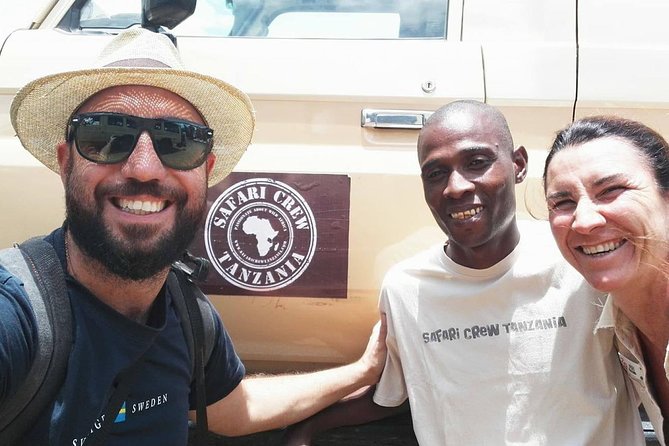
- Italian-speaking guide: The small group format allows for personal contact with the guide, with past guide names including Jo, Naftal, Mussa, Michael, Kahim, Omari, and Martini.
- Migration timing matters: The northern Serengeti and Mara River are especially linked with the Great Migration from July through October.
- Five major safari environments: Lake Manyara, Ngorongoro, Serengeti, Lake Natron, and Tarangire each offer a different setting and wildlife experience.
- Full board is included: Seven breakfasts, seven lunches, and seven dinners are covered, along with water on board.
- A real northern circuit: This is not a single-park safari. You will spend substantial time moving between parks and changing scenery.
- Lake Natron adds something different: Expect volcanic terrain, an alkaline lake, flamingos, and a walking excursion rather than another standard game drive.
Why this eight-day route works
Northern Tanzania gives you a remarkable concentration of protected areas within one trip. This itinerary is built around the classic circuit, but it adds Lake Natron, which gives the trip a stronger sense of variety.
You begin in Arusha, the main safari base for this part of Tanzania. The first day is mostly arrival, immigration formalities, meeting the guide, and transfer from Kilimanjaro International Airport or Arusha Airport. That is useful because you do not need to arrange a separate airport transfer or find your way into town after a long flight.
The safari itself starts on day two. From then on, most days combine driving and wildlife viewing. That is normal in Tanzania. The rewards are enormous, but you should be comfortable spending hours in a 4×4 and accepting that the best wildlife sightings cannot be scheduled like museum visits.
The operator limits the group to six people. That number matters. A six-person vehicle is still social, but it is far easier to see out of the windows and ask the guide questions than it would be in a large coach. It also gives you a better chance of having space for cameras and day bags.
A few more safaris around Arusha worth a look
- Tanzania – Arusha NP – Private Guided 4×4 Safari – Game Drive & Walking
★ 5.0 · 30 reviews - 3 Day Classic, Guided Serengeti Safari
★ 5.0 · 26 reviews - Ultimate Guide For The Best 4-Days Serengeti Safari in Tanzania
★ 5.0 · 15 reviews
Lake Manyara: a compact park with surprising variety
Lake Manyara occupies only part of a much larger protected area, yet its habitats change quickly. You may pass through groundwater forests, open grassland, marshy ground, and the lake edge during one game drive.
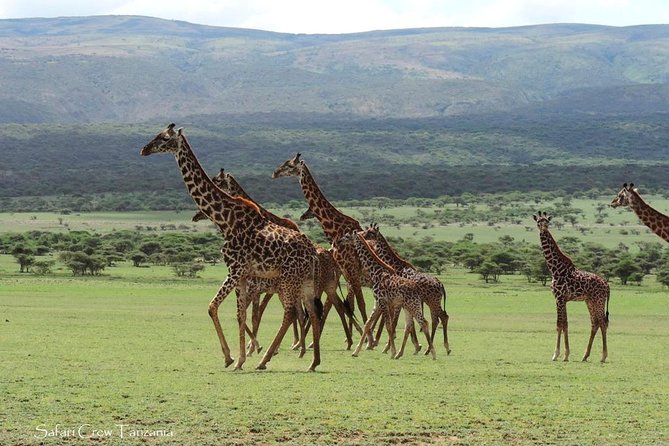
This variety supports elephants, giraffes, baboons, other monkeys, and a large bird population. The park is especially interesting for birdwatchers, with about 380 species recorded. From December through March, pink flamingos gather in large numbers before moving toward Lake Natron later in the year.
Day two allows about eight hours for the park. That gives you a proper safari rather than a quick stop on the way to Ngorongoro. Still, Lake Manyara is compact, so the day may feel less expansive than the Serengeti. Its appeal comes from the changing habitats and the chance to see forest species and birds alongside the larger animals.
I would treat this as an excellent opening act. It introduces you to Tanzania’s wildlife without using your first full day on the road. The park’s location below the Rift Valley escarpment also gives the route a strong sense of place.
Ngorongoro Crater: concentrated wildlife in an ancient caldera
On day three, you descend into Ngorongoro Crater for about seven hours of game viewing. The crater formed after an ancient volcanic cone collapsed around 2.5 million years ago. Its steep rim rises roughly 600 metres above the floor, creating one of Africa’s most recognizable wildlife settings.
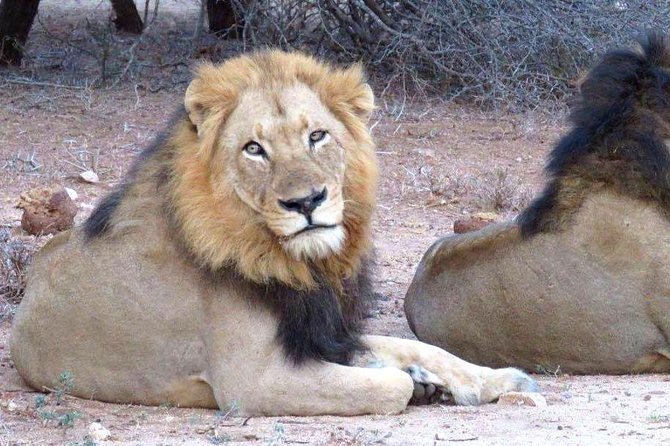
More than 25,000 large animals live in the crater. You may find many of the area’s typical species here, including lions, elephants, buffalo, zebras, wildebeest, and other plains animals. Giraffes are the main exception because the crater terrain does not provide the food they need.
Ngorongoro is valuable because it gives you a concentrated wildlife day. You do not need to cover the huge distances of the Serengeti to see a range of animals. The downside is that the crater can feel busy, especially around a major sighting. The setting is so famous that many vehicles naturally gather in the same places.
The crater rim reaches about 2,300 metres above sea level. That elevation can make the air cooler than you expect, particularly early in the day. Pack a light layer even if you associate Tanzania only with heat.
Seronera and the Serengeti: the heart of the safari
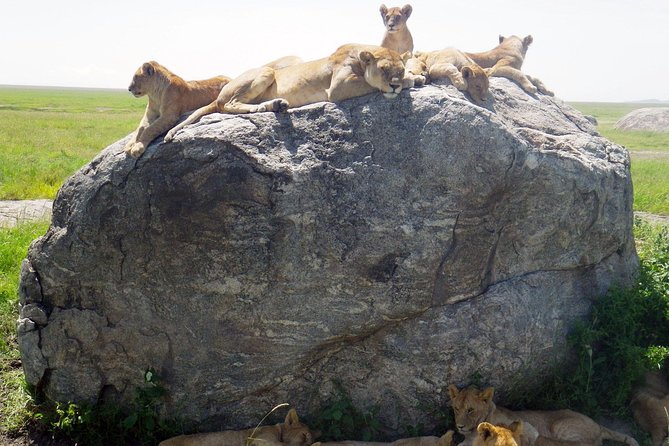
Day four takes you into the Serengeti, with about eight hours of game viewing around Seronera. This is the part of the trip most closely tied to the classic African safari image: broad grasslands, scattered animals, predators, and a sense that the horizon keeps going.
The Serengeti National Park covers about 15,000 square kilometres, but it is only one part of a much larger ecosystem. The wider area includes the Ngorongoro plains and other connected habitats. That scale explains why the animals move so widely and why one exact sighting cannot be promised.
The numbers are impressive. The ecosystem supports roughly 1.5 million wildebeest, about 300,000 zebras, 500,000 Thomson’s gazelles, more than 2,700 lions, around 1,000 leopards, and about 500 cheetahs. There are also elephants, giraffes, ostriches, hippos, crocodiles, and more than 400 bird species.
Your guide’s skill matters most here. A good guide does more than point at animals. The guide reads the terrain, watches animal behavior, shares information about the ecosystem, and helps you understand why the herds are in one area rather than another. Past Italian-speaking guides have included Jo, Naftal, Mussa, Michael, Kahim, Omari, and Martini, but the assigned guide will depend on availability.
The Serengeti is also where the itinerary begins to feel demanding. You are not simply driving to one viewpoint. You are covering a large area in search of wildlife, and the roads can take time. Bring patience, keep your camera ready, and remember that the quiet stretches are part of the safari.
Same region, a very different drive:
- Balloon Safari & Bush Breakfast in Serengeti – Miracle Experience
★ 5.0 · 1,646 reviews - 4 Days Group Camping Safari
★ 5.0 · 1,101 reviews - 5 Days Group Camping Safari
★ 5.0 · 730 reviews - 3 Days Serengeti & Ngorongoro Group Camping Safari
★ 5.0 · 574 reviews
The Mara River and the Great Migration
Day five focuses on the Mara River and the northern Serengeti. From July through October, this region can be part of the Great Migration, when wildebeest and zebras move north in search of fresh pasture and water.
The scale of the movement is hard to picture. About 1.5 million wildebeest and half a million zebras take part in the wider migration cycle. The Mara River crossings are among the most dramatic scenes in African wildlife, but nature does not run on a timetable.
You may see herds gathering, crossing, or moving away from the river. You may also spend time waiting without a crossing. That is not a failure of the safari. It is the honest condition of watching wild animals. The exact timing depends on rain, pasture, water levels, and the animals themselves.
This is the most important booking point in the entire trip: the migration is seasonal and unpredictable. If your main goal is a river crossing, choose your dates carefully and keep your expectations flexible. The Serengeti remains worthwhile even if the herds are not standing at the river when you arrive.
Lake Natron: flamingos and volcanic country
Day six shifts away from the usual game-drive pattern. You take a final morning drive through the northeastern Serengeti, then follow a rugged route toward Lake Natron. The route itself is part of the appeal, with broad views and a more remote feel.
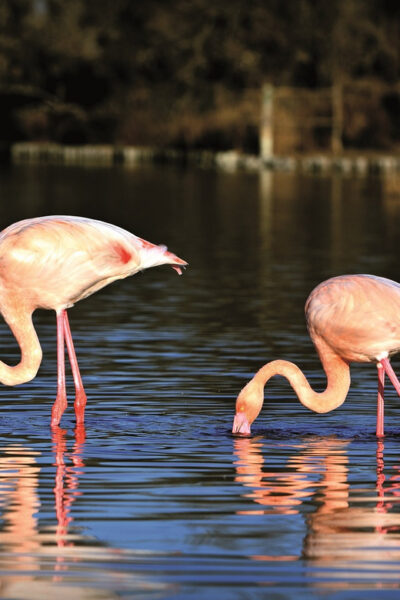
Lake Natron is about 50 kilometres long and 25 kilometres wide. It is strongly alkaline and sits in a Rift Valley depression surrounded by rugged volcanic terrain. Millions of pink flamingos use the lake as a nesting area, feeding on cyanobacteria in the water, especially during the dry season from June through October.
This stop adds texture to the trip. You are not just collecting the same wildlife sightings in different parks. You are seeing a harsh, unusual environment shaped by volcanoes, salt, minerals, and heat.
You also visit Ol Doinyo Lengai, the sacred volcano of the Maasai people. At nearly 3,000 metres, it is the only volcano in the world known for natro-carbonatitic lava. The itinerary does not include a summit trek. The 2007 and 2008 eruption removed the former trail and made the climb too difficult for the operator to organize.
Instead, the program includes a walking excursion around the Engare area and later a walk toward the shores of Lake Natron. This is a good change of pace after several days in the vehicle, though you should expect a rugged, exposed setting rather than a gentle garden walk.
Tarangire: elephants, baobabs, and a final game drive
On day seven, you leave the Lake Natron area, pass through Mto wa Mbu, and reach Tarangire for an afternoon safari. The park covers about 2,600 square kilometres and has a very different character from the Serengeti.
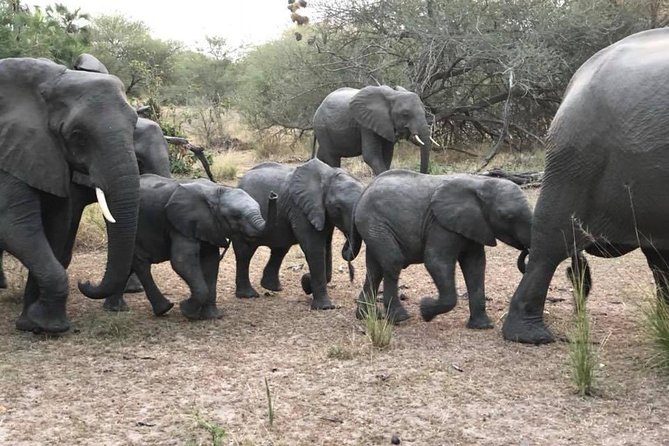
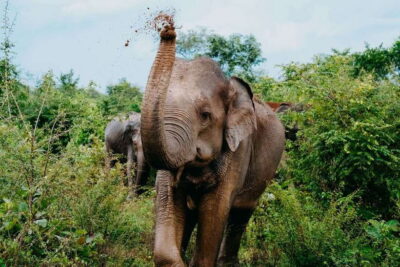
Tarangire is known for its enormous baobabs and large elephant herds. The Tarangire River becomes a key water source in the dry season, along with the Silale Marsh. Animals gather around these dependable water sources, making the park especially rewarding from June through October.
You may see lions, leopards, buffaloes, zebras, wildebeest, antelopes, gazelles, and roughly 500 bird species. That bird count is one of the highest in Tanzania, so keep watching after the larger animals have moved on.
The afternoon timing has one advantage: it gives you a chance to see the park as the light changes. The disadvantage is that four hours is shorter than your Serengeti and Lake Manyara game-drive days. Day eight adds an early morning drive before returning to Arusha for lunch and an airport transfer.
What the $4,100 price includes
At $4,100 per person, this is not a budget safari. The value comes from the number of major parks, the length of the route, and the services bundled into the price.
Included are:
- Safari transport in a 4×4 vehicle
- A maximum group size of six
- An Italian-speaking guide
- Park fees
- Airport and other transfers
- Full board
- Seven lunches, seven breakfasts, and seven dinners
- Water on board
- AMREF insurance
- Taxes and listed fees
You still pay separately for international and local flights, your Tanzania entry visa, drinks at the lodges, and personal extras. Those costs can add up, so plan your total budget around more than the tour price alone.
The accommodation details can vary, but past guests have praised the lodges and tented camps, describing them as clean, comfortable, and well located. You should ask for the exact accommodation plan before paying, since the sleeping arrangements are an important part of the value.
The price makes the most sense if you want a packaged safari with park fees, meals, transport, and planning handled together. It is less attractive if you prefer to move slowly, choose your own camps, or spend more nights in one park.
The guide and group size make a real difference
An Italian-speaking guide is the central reason to choose this particular version of the safari. Wildlife viewing is more satisfying when you can ask questions naturally and understand explanations about animal behavior, local culture, and the parks.
Several guide names are associated with especially strong experiences, including Naftal, who was praised for speaking excellent Italian, and Michael, who was credited with finding multiple wildebeest crossings. Mussa, Kahim, Omari, Jo, and Martini have also been singled out for warmth, reliability, or strong safari skills.
Those names do not guarantee your assigned guide, but they show the kind of service the company aims to provide. The strongest feedback also praises Rocco, the manager, for shaping trips around different needs, including honeymoons, families with children, and adults traveling with teenagers.
The six-person limit is another practical advantage. You are not guaranteed a private vehicle, but the group is small enough to make the ride more personal. It also helps when everyone wants a window view during a wildlife sighting.
Who should book this safari?
I would recommend this trip if you want a classic Tanzania safari with a strong chance of seeing the northern circuit’s major highlights. It suits couples, honeymooners, families with older children, and Italian-speaking visitors who want support from arrival through departure.
It is also a good fit if you want variety. You get forests and birds at Manyara, crater wildlife at Ngorongoro, wide plains in the Serengeti, flamingos and volcanic terrain at Natron, and elephants at Tarangire.
I would hesitate if you dislike long drives, changing accommodations, early starts, or uncertainty. The itinerary is full, and the route covers a great deal of ground. You also need to time your trip carefully if the Mara River crossing is your main goal.
The operator has a 5 out of 5 rating from 23 recorded ratings, a 100 percent recommendation figure, and a 2024 TripAdvisor Travellers’ Choice award. That record supports confidence in the planning and guiding, but it does not remove the normal risks of a wildlife trip: weather changes, animal movements, road conditions, and seasonal variation.
You can cancel for a full refund at least six full days before the start time. A cancellation two to six days ahead receives a 50 percent refund, while cancellations less than two days ahead are nonrefundable. Bookings depend on availability and a minimum number of participants.
Should you book it?
Book this safari if you want a broad northern Tanzania experience in eight days, especially with an Italian-speaking guide and a small group. The combination of Serengeti, Ngorongoro, Lake Natron, and Tarangire gives you more than a standard three-park route.
Before booking, confirm your travel dates, the exact lodges, the assigned guide, and the airport transfer plan. If you are traveling mainly for the Great Migration, aim for July through October, but understand that a Mara River crossing can never be guaranteed.
For the right person, the $4,100 price buys useful peace of mind: transport, meals, park access, insurance, and local support are all arranged. You will work hard for the wildlife, but that is part of what makes the safari feel real.
FAQ
How long is the Tanzania safari?
The safari lasts approximately eight days, beginning with arrival and transfer to Arusha and ending with a final Tarangire game drive, lunch in Arusha, and an airport transfer.
Which parks and areas are included?
The route includes Lake Manyara, Ngorongoro Crater, the Serengeti around Seronera and the Mara River, Lake Natron, Ol Doinyo Lengai, and Tarangire National Park.
Is an Italian-speaking guide included?
Yes. The package includes a small group safari for up to six participants with an Italian-speaking guide.
When is the Great Migration in the northern Serengeti?
The northern Serengeti and Mara River section of the migration is associated with the period from July through October.
What meals and services are included?
The package includes full board, seven breakfasts, seven lunches, seven dinners, park fees, transfers, 4×4 safari transport, water on board, AMREF insurance, taxes, and listed fees.
What is not included in the price?
International and local flights, the Tanzania entry visa, drinks at the lodges, and personal extras are not included.
Newest safaris around Arusha
- Serengeti & Ngorongoro fly in safari★ 5.0 · 76 reviews
- 7 days great migration safari★ 5.0 · 77 reviews
- 5 days safari, hiking & culture (Serengeti & kilimanjaro)★ 5.0 · 27 reviews
- 6 days Tanzania budget safari★ 5.0 · 65 reviews
- 3 Days Tanzania Budget Group Joining Safari Tour★ 5.0 · 16 reviews
- Amazing 4 Days Tanzania Budget Camping Group Joining Safari★ 5.0 · 15 reviews
- 4 days safari★ 5.0 · 34 reviews
- 2 Day Budget Safari in Tarangire and Ngorongoro From Arusha★ 5.0 · 10 reviews
Guided, compared.
Big Five Safari and Breede River Valley Guided Day Trip
Read our review →

Guided Desert Safari with Dinner and Quad Biking in Dubai
Read our review →Browse the lists this tour appears in