
Review · ARUSHA, TANZANIA
3 Days Group Safari Serengeti & Ngorongoro
Wild animals make this short safari count. From Arusha, you spend two nights camping near the Serengeti and Ngorongoro Crater, with a guide, chef, private transport, park fees, equipment, and seven included meals. I especially like the chance to see the Serengeti’s big cats and the crater’s dense wildlife in only three days. I also like that a chef travels with the group, a welcome touch after long game drives.
The main tradeoff is simple: camping is primitive. One excellent review praised guide Joseph and the unexpectedly good food, but also advised bringing a towel, pillow, and toilet paper. You should also clarify the group arrangement before booking, since the experience is described as a group safari but also as a private activity for your own party.
Key points at a glance
- Ngorongoro Crater viewpoint on the way in: You get a brief first look at the crater before continuing toward the Serengeti.
- Seronera wildlife time: The first afternoon and much of the second day focus on the central Serengeti, a useful area for seeing big cats and grazing animals.
- A chef joins the safari: Breakfast, lunch, and dinner are prepared during the trip rather than handled entirely through packed food.
- Two nights under canvas: You sleep at Seronera campsite and Simba Campsite, with camping equipment included.
- A full crater game drive: Day three brings you into a compact wildlife area where lions, hyenas, wildebeests, zebras, gazelles, and other animals may be seen.
- Strong value at $820 per person: Park fees, transport, camping equipment, and seven meals are included, which makes the package easier to budget.
What $820 buys you on this Tanzania safari
At $820 per person, this is not a quick game drive with a hotel bed at the end of the day. It is a three-day northern Tanzania safari with two nights of camping, transport, park fees, a guide, a chef, and meals.
The included food covers two breakfasts, three lunches, and two dinners. That matters here. Game drives and transfers take up much of the day, so having a chef prepare meals at camp gives the trip a more settled rhythm. One detailed review singled out the food as better than expected, which is useful praise for a camping safari.
Camping equipment is included, but do not read that as a hotel-style camp. The accommodation is described as primitive, and you should pack a towel, pillow, and toilet paper. Those small items can make a large difference when you are spending two nights outdoors.
The package also includes all fees and taxes and private transportation. That gives you a clearer view of the final cost, though you should confirm the exact vehicle and group setup before paying. The details describe a group safari while also saying only your group will participate. That may mean a private booking with shared-style pricing, but it is worth asking Nkollo Tours&Safaris to explain.
A few more safaris around Arusha worth a look
- 3 Days Serengeti & Ngorongoro Group Camping Safari
★ 5.0 · 574 reviews - 3-Day Classic Serengeti Safari
★ 5.0 · 263 reviews - 3 Day Serengeti National Park & Ngorongoro Crater Camping Safari
★ 5.0 · 142 reviews
Day one: from Arusha to Seronera
Pickup follows breakfast at your hotel in Arusha. The day begins with a briefing and an introduction to your guide before you set off toward the parks. The stated driving and activity time is about six hours, though the full day can feel longer once stops, park entry, wildlife sightings, and camp arrangements are included.
A useful feature comes early: you pass the Ngorongoro Crater viewpoint before reaching the main Serengeti gate. The stop is brief, but it gives you a first sense of the crater’s enormous scale. I like this order because the scenery begins before the main game drive, rather than treating the transfer as dead time.
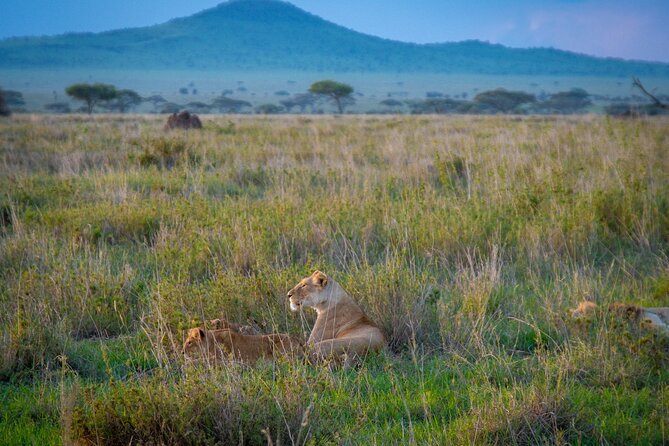
Once inside the Serengeti, lunch is taken in the park. Afterward, your guide leads you toward the Seronera area for close wildlife viewing. Seronera is central to the Serengeti experience in this itinerary, and the trip description places particular emphasis on seeing animals there.
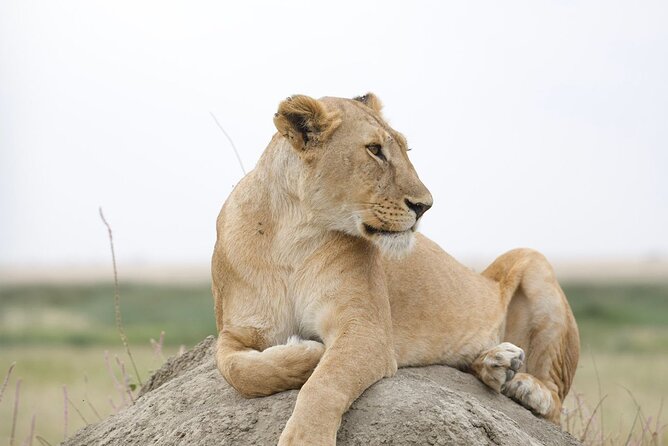
Your possible sightings include lions, elephants, giraffes, cheetahs, gazelles, topis, hyenas, impalas, elands, waterbucks, baboons, and other species. The famous Big Five are also a central goal, although no safari can promise every animal on a particular day.
You finish at Seronera campsite for dinner and the first night. This is where the practical side of the trip becomes clear. You will have food and camping gear, but you should be ready for a basic setup rather than private rooms, polished bathrooms, or hotel comforts.
The Serengeti experience: big cats, open grass, and patient viewing
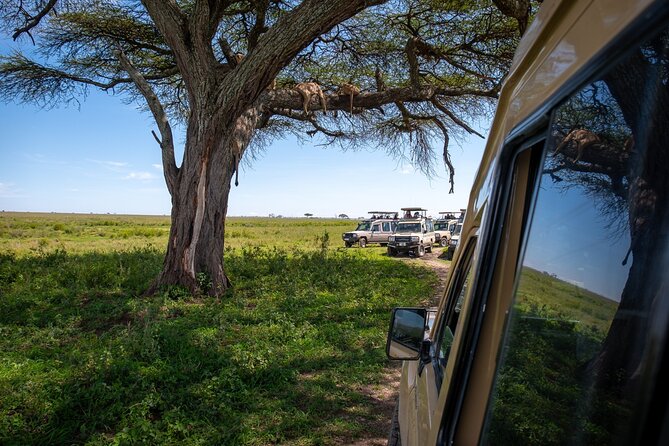
The Serengeti is the main attraction, and the safari gives it a substantial amount of time. Day two begins with breakfast and a guided game drive through the park. The scenery includes broad grasslands and flat-topped acacia trees, with elephants, giraffes, and big cats among the main targets.
I like the balance here. The safari is not limited to a single short drive at sunrise. You have time in the morning, lunch in the park, and more movement toward Ngorongoro later in the day. That creates more chances to find animals, though it also means a lot of time in the vehicle.
You should keep your expectations realistic. Seeing lions or elephants is possible, but sightings depend on location, timing, and luck. The itinerary specifically highlights cheetahs, hyenas, impalas, elands, African wild dogs, waterbucks, and baboons, yet these are possibilities rather than guarantees.
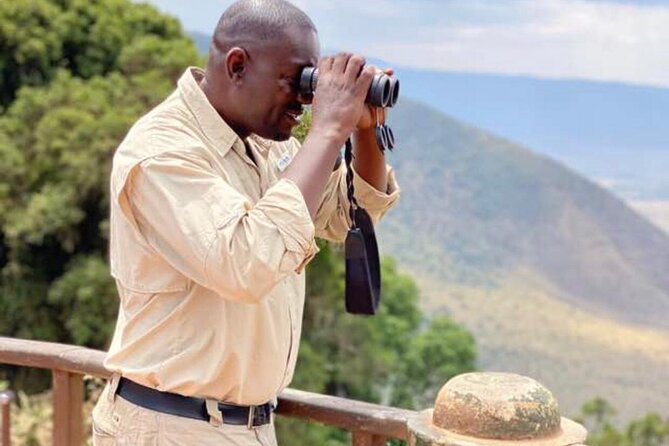
The guide’s role matters greatly on a safari. A guide who can read animal behavior and make sensible choices about where to go can shape the day. Joseph received especially strong praise, so if he is assigned to your trip, you will have a guide with a very good personal recommendation attached to his name. Still, guide assignments can vary, so ask who will lead your departure.
After lunch, the route turns toward the Ngorongoro Conservation Area. You pack up from Seronera and travel to Simba Campsite, where you spend the second night. This transfer reduces your time in the Serengeti, but it puts you in a better position for the early crater visit on day three.
Day three: wildlife inside Ngorongoro Crater
The final day begins with an early breakfast before a long game drive in Ngorongoro Crater. This early start is practical, not decorative. You are trying to use the day well and reach the crater while the schedule still allows an extended visit.
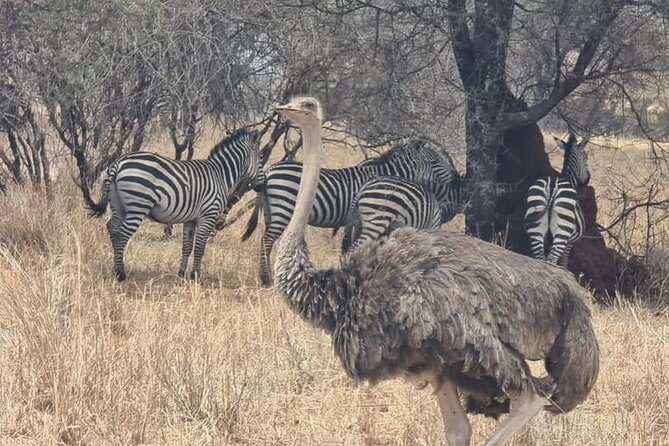
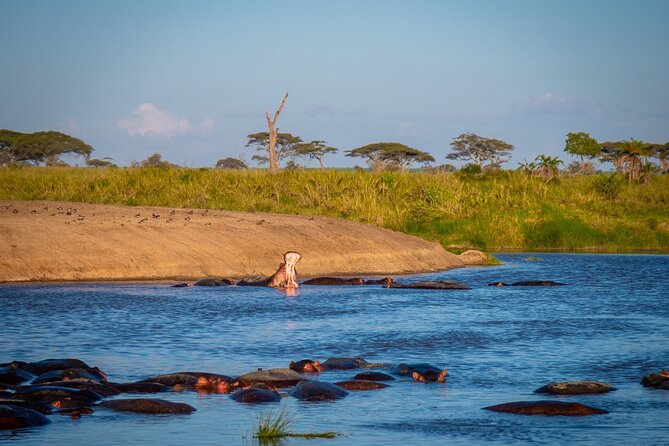
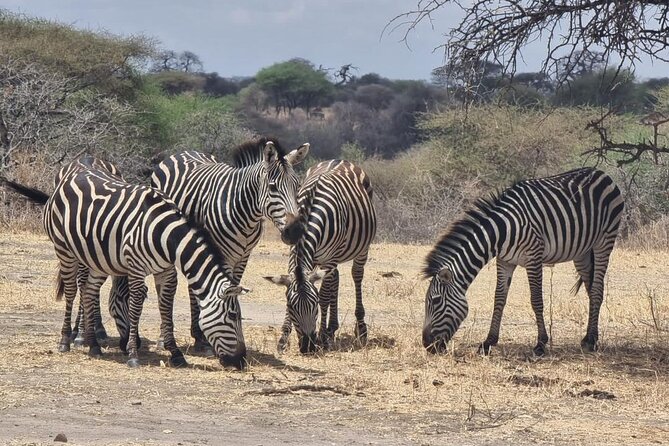
Ngorongoro has a different feel from the open Serengeti. The crater walls enclose a large, self-contained wildlife area, and the itinerary focuses on the close relationship between predators and prey. Lions and hyenas may be seen tracking wildebeests and Grant’s gazelles, while large groups of wildebeests and zebras often share the same broad area with big cats.
Leopards and cheetahs are also listed among the possible sightings. Again, treat these as hoped-for encounters, not promises. The value of the crater is the range of wildlife you may encounter in one concentrated setting.
Lunch comes during the day, followed by the remaining journey. The supplied schedule cuts off before giving the final endpoint, so you should ask Nkollo Tours&Safaris exactly where and when you will be dropped off on the third day. That detail matters if you are connecting to a flight, another tour, or a hotel outside Arusha.
Same region, a very different drive:
- Balloon Safari & Bush Breakfast in Serengeti – Miracle Experience
★ 5.0 · 1,646 reviews - 4 Days Group Camping Safari
★ 5.0 · 1,101 reviews - 5 Days Group Camping Safari
★ 5.0 · 730 reviews - 7-Day Premium Luxury Tanzania Safari All-Inclusive
★ 5.0 · 426 reviews
Camping with a chef: the comfort level to expect
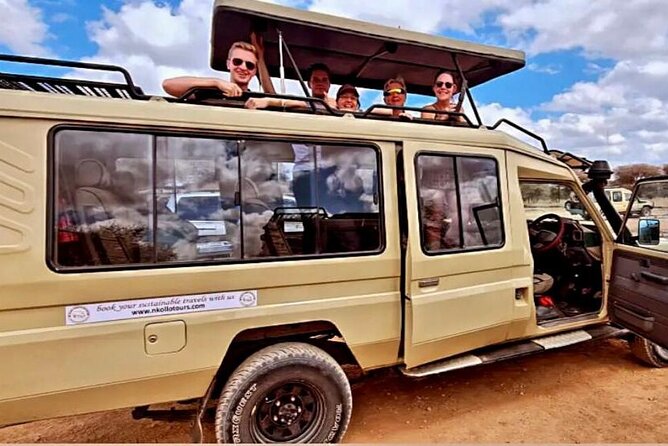
The chef is one of the most appealing features of this safari. You receive fresh meals throughout the trip, and the positive food comment suggests that the cooking is a real strength rather than a minor extra.
Meals are included as follows:
- Two breakfasts
- Three lunches
- Two dinners
This does not mean every personal food need is covered. The supplied details do not mention drinks, snacks, special diets, or bottled water, so ask about those before departure. If you have dietary restrictions, put them in writing when booking.
The camp itself is more basic. A past participant found it fun but primitive and specifically wished for a towel, pillow, and toilet paper. I would follow that advice. Casual, loose-fitting clothing is recommended in hot weather, while a jacket is useful during colder periods. That is sensible packing for changing temperatures between warm days and cool nights.
You should also be comfortable with the idea that the campsite is part of the safari, not merely a place to sleep. The benefit is being close to the parks and keeping costs below a lodge-based trip. The cost is less privacy and fewer conveniences.
Transport, group arrangements, and the pace of the days
Pickup is offered after breakfast, and mobile tickets make it easy to keep booking details available on your phone. You are asked to provide a WhatsApp number or email, which is particularly useful for pickup communication and schedule updates.
The experience is described in two ways: as a group safari with group discounts, and as a private activity where only your party participates. Those descriptions do not fully match. If you are booking alone or as a small party, ask whether you will share a vehicle with other paying customers, meet other clients only at the start, or have the vehicle entirely to yourselves.
The schedule lists about six hours for each day, but safari days often include long drives, wildlife stops, meals, and camp work. You should be prepared for several hours on the road and for plans to change when an animal sighting appears.
That flexibility is part of the appeal. A rigid sightseeing tour would miss the point of a safari. Still, it is fair to ask how many people fit in the vehicle and how much time is normally spent on game drives versus transfers. The provided information does not give a vehicle capacity or maximum group size.
What the tour does especially well
The strongest part of this package is its combination of famous parks and practical inclusions. You are not choosing between a quick Serengeti visit and a quick crater visit. You get time in both, plus two nights of camping and meals prepared along the way.
I also like the way the route builds. You begin with the crater viewpoint, reach the Serengeti for wildlife viewing, spend the second morning in Seronera, then move closer to Ngorongoro for the final game drive. The route makes geographic sense and avoids returning to the same base each night.
The guide and chef add important value. Joseph’s strong personal praise suggests the human side of the trip can be excellent, while the chef gives you better meals than many first-time campers expect. Those two roles can make an affordable safari feel organized and welcoming.
The 100 percent recommendation rate from 20 ratings is encouraging, and the perfect overall score supports the idea that the package delivers what it promises. A small review sample cannot remove all uncertainty, but it is still a strong signal.
Where you should use caution
The biggest concern is comfort. If you need a soft bed, private bathroom, or reliable hotel service, this is not the right style of safari. You are paying for access to major parks and a working camp, not luxury accommodation.
The itinerary also leaves some details open. The final drop-off point on day three is not stated, and the group versus private arrangement needs clarification. The exact camping equipment, vehicle size, drinking water policy, and handling of dietary requests are also not listed.
Wildlife is another area where you should keep expectations in check. The Big Five are a major focus, but no operator can guarantee lions, leopards, rhinos, elephants, and buffalo on one short trip. You are buying time in strong wildlife areas, not a fixed animal checklist.
Finally, the $820 price is good value only if you are happy with basic camping and a busy schedule. If you would rather spend more for lodge accommodation and shorter transfers, a different safari style may suit you better.
Who should book this three-day safari
I would recommend this experience to you if you want the major northern Tanzania highlights but have only three days. It suits people who care more about wildlife access and total cost than polished accommodation.
It is also a good match for first-time safari visitors who want support from a guide and chef rather than arranging every park entry, meal, and campsite themselves. The included transport, fees, equipment, and meals make the budget easier to control.
You should think twice if you dislike early starts, long vehicle days, outdoor sleeping, or basic facilities. Families and older visitors may also want to ask direct questions about vehicle comfort and campsite arrangements before booking, since the available details do not describe those features.
Free cancellation is available when you cancel at least 24 hours before the start time. Changes or cancellations inside that window are not refunded, and poor weather or failure to reach the minimum number of participants may lead to a new date or a full refund.
Should you book Nkollo Tours&Safaris?
I would book this safari if your priority is seeing both the Serengeti and Ngorongoro Crater without paying for lodge-level comfort. The chef, included meals, camping equipment, and strong praise for guide Joseph add real value to the $820 price.
Before paying, I would confirm four things: the exact group arrangement, the final drop-off point, what camping equipment is supplied, and whether special meals or drinks cost extra. If the answers suit you, this is a practical, wildlife-focused introduction to Tanzania’s northern circuit. Pack a towel, pillow, and toilet paper, then expect the animals, not the campsite, to be the luxury.
FAQ
Where does the safari begin?
Pickup is offered from your hotel in Arusha after breakfast on the first day.
How long does the safari last?
The experience lasts approximately three days, with each listed day described as about six hours of touring and travel.
Which parks and areas are included?
The safari includes Serengeti National Park, the Ngorongoro Crater, the Ngorongoro Conservation Area, Seronera, and the Simba Campsite area.
Are meals included?
Yes. The package includes two breakfasts, three lunches, and two dinners.
Is camping equipment included?
Yes. Camping equipment is included, with overnight stays at Seronera campsite and Simba Campsite.
Is this a group tour or a private tour?
The experience is presented as a group safari, but the additional details also say it is a private activity for your own group. Ask Nkollo Tours&Safaris to confirm the arrangement before booking.
What is the cancellation policy?
You can receive a full refund by canceling at least 24 hours before the start time. Cancellations or changes made within 24 hours are not refunded.
Newest safaris around Arusha
- Serengeti & Ngorongoro fly in safari★ 5.0 · 76 reviews
- 7 days great migration safari★ 5.0 · 77 reviews
- 5 days safari, hiking & culture (Serengeti & kilimanjaro)★ 5.0 · 27 reviews
- 6 days Tanzania budget safari★ 5.0 · 65 reviews
- 3 Days Tanzania Budget Group Joining Safari Tour★ 5.0 · 16 reviews
- Amazing 4 Days Tanzania Budget Camping Group Joining Safari★ 5.0 · 15 reviews
- 4 days safari★ 5.0 · 34 reviews
- 2 Day Budget Safari in Tarangire and Ngorongoro From Arusha★ 5.0 · 10 reviews
3-Day Experiences, compared.
3 Days Serengeti & Ngorongoro Group Camping Safari
Read our review →
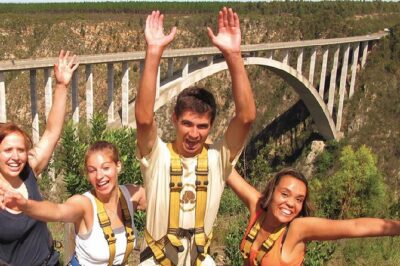
3 Day Garden Route’s Best Highlights with Safari from Cape Town
Read our review →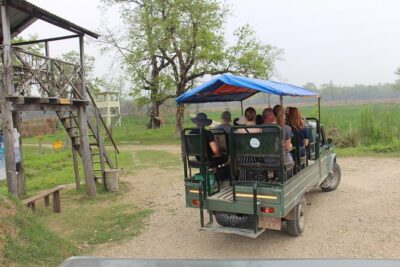
3-Day Chitwan National Park Jungle Safari Tour Package with Pick Up
Read our review →
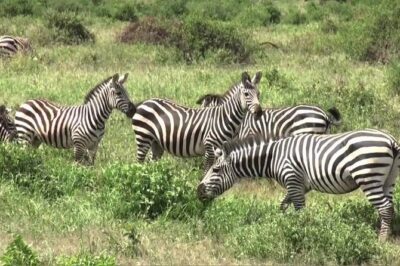
3 days group joining safari to Maasai Mara with a Land Cruiser Jeep
Read our review →Browse the lists this tour appears in