
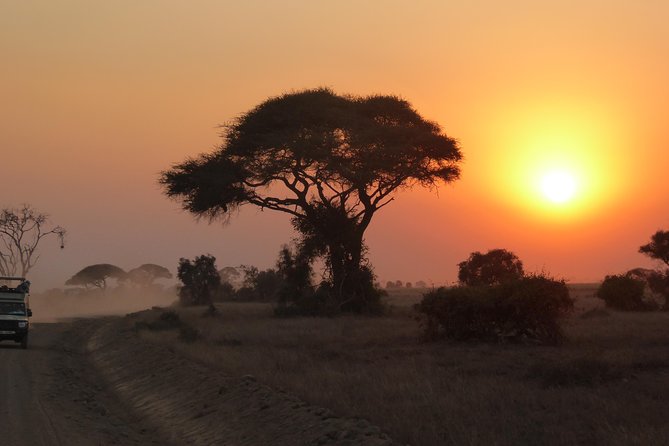
Review · ARUSHA, TANZANIA
4-Day Safari: Lake Manyara, Serengeti & Ngorongoro
Wildlife comes first on this fast-moving safari. From Arusha, you visit Lake Manyara, Serengeti, and Ngorongoro in four days, with game drives, campsite stays, meals, and park fees included. I like the low price of $1,743.59 per person, especially with four lunches and three dinners covered. I also like the small-group limit of 15 people, though the pace is brisk and the long road transfers can be tiring.
I especially like the boxed lunches, which keep you out on the tracks instead of sending you back to camp at midday. The chance to see Lake Manyara’s tree-climbing lions, flamingos, Serengeti wildlife, and Ngorongoro’s crater floor in one trip is a strong draw. The main caution is operator consistency: some bookings may be combined with another local company, so the guide and camp team can vary.
Key points to know before booking
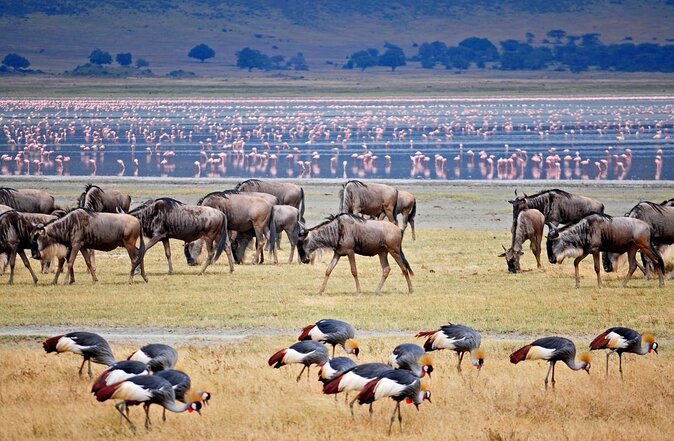
- Three famous wildlife areas in four days: Lake Manyara, Serengeti, and Ngorongoro each offer a different setting and style of game viewing.
- Camping keeps the cost down: This is a practical safari for people who care more about wildlife than polished rooms.
- Seronera is the Serengeti focus: The central area has the Seronera River, a key water source that draws many kinds of animals.
- Ngorongoro is an early start: You descend into the crater after breakfast for a half-day game drive, then return to Arusha.
- Guides can shape the whole trip: Guides named in past bookings include Masulya, Martin, Joe, and Max, but assignment can vary.
- The pace is active: You should have a moderate level of fitness and be comfortable with rough roads, long drives, and basic camping.
What this four-day safari is really offering
This is a classic northern Tanzania circuit in a compact package. You begin in Arusha, travel west toward Lake Manyara, continue through the Ngorongoro area to the Serengeti, then return via Ngorongoro Crater.
I see the route as a strong introduction to Tanzania because each stop has a different character. Lake Manyara gives you woodland, lake birds, and elephants. The Serengeti supplies wide open plains and major wildlife viewing. Ngorongoro packs animals and dramatic scenery into a contained crater.
The tradeoff is time. Four days gives you a good taste, not a leisurely safari. Day two and day three include long transfers, and the roads can be rough. You will spend much of the day in the safari vehicle, but that is also where many of the best views appear.
The trip costs $1,743.59 per person. That is not a luxury-safari price, but it is still a serious amount of money. Its value comes from bundling the driver-guide, entrance fees, three breakfasts, three dinners, and four lunches. Camping lowers accommodation costs and lets you spend your budget on access to the parks rather than hotel comforts.
A few more safaris around Arusha worth a look
- 4 Days Group Camping Safari
★ 5.0 · 1,101 reviews - 4-Day Safari from Arusha: Tarangire, Serengeti and Ngorongoro
★ 5.0 · 173 reviews - 4 Days safari Tour Tanzania
★ 5.0 · 159 reviews
Day one: Lake Manyara’s lake, forest, and tree-climbing lions
Your pickup begins at an Arusha hotel. You then join the group and drive toward Lake Manyara National Park, arriving in time for lunch at camp before the afternoon game drive.
Lake Manyara is one of Tanzania’s most unusual park settings. A large, shallow soda lake covers much of the park, pressed against the western wall of the Great Rift Valley. That combination of water, forest, and open areas brings together animals and birds you might not see in the same way elsewhere on this route.
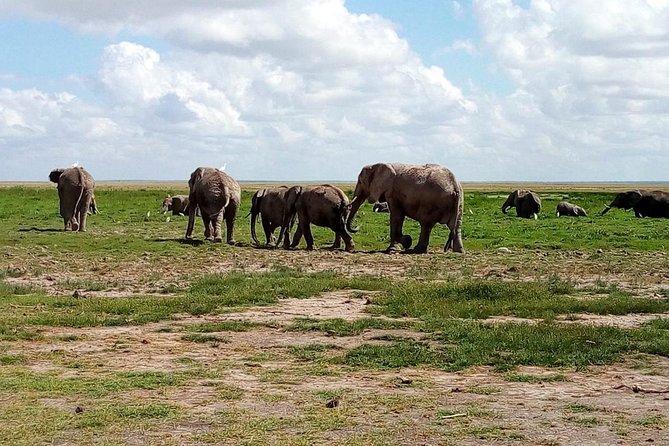
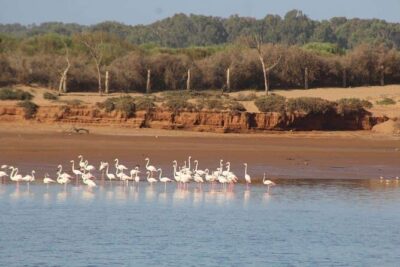
The big attractions are elephants, flamingos, and the park’s famous tree-climbing lions. The elephants are a major reason to value this first afternoon. Flamingos gather where algae provides food, though the exact number you see will depend on conditions and timing. The lions are the special prize, since spotting one draped over a tree branch feels very different from seeing a lion resting on open ground.
I like the structure of this day. You do not waste the afternoon after reaching camp. Lunch comes first, then you head into the park while there is still time for wildlife viewing.
The limitation is that Lake Manyara receives only an afternoon here. You may see a good range of animals, but there is little room for a slow search if a sighting takes time. Keep your expectations flexible. A safari is not a checklist, and the park’s value lies as much in its mix of habitats as in any single animal.
Dinner and overnight camping follow the game drive. Toiletries, towels, bathing soap, and personal sanitary items are not included, so pack your own supplies.
Day two: The long road into central Serengeti
After breakfast, you leave the Lake Manyara area and travel through the high farmland around Karatu and the Ngorongoro Conservation Area. The route then drops toward the Serengeti, where the open plains stretch toward the horizon.
This is the longest-feeling transition of the trip, but it is not dead time. The change from higher farmland to broad Serengeti plains helps you understand how much ground this safari covers. You arrive around lunchtime and then take an afternoon game drive in the Seronera area.
Seronera is the central part of the park, known for its river and strong concentration of wildlife. Water draws animals, so this area can give you a useful cross-section of Serengeti species. The itinerary also mentions migrating herds as a possible highlight, but wildlife movement changes with the season. Do not book this trip expecting a guaranteed migration spectacle on a particular day.
The afternoon drive is well placed. Instead of spending the entire day driving and reaching camp after dark, you get time among the plains once you arrive. Boxed or prepared lunches matter here because they help preserve game-drive time.
The main drawback is the balance between transit and viewing. A longer Serengeti stay would give you more time to explore, but this four-day plan uses the park as one part of a wider circuit. If your main goal is the Serengeti itself, you may want a longer itinerary.
Dinner and overnight camping follow the drive. Past bookings describe groups of six in a safari vehicle, although the official maximum is 15 people. Confirm the expected group size before paying if personal space matters to you.
Day three: More Serengeti, then Ngorongoro Conservation Area
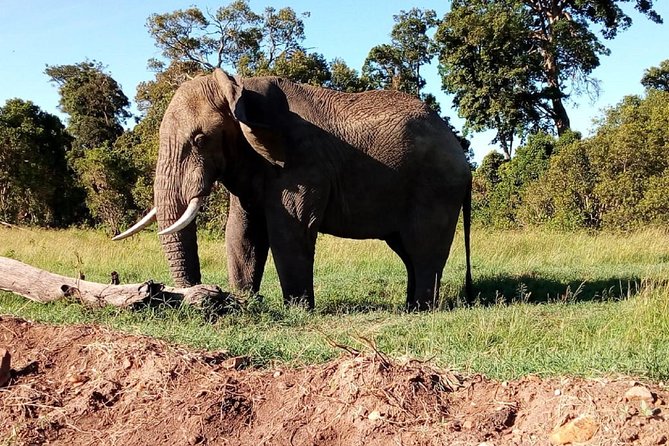
Day three begins with an early morning wildlife drive in the Serengeti. This is a useful chance to see the park at a different hour before leaving for the Ngorongoro Conservation Area.
An early start also makes practical sense. You get one final look at the Serengeti before spending much of the day on the road. The listed timing is about seven hours, so prepare for a full day with changing scenery and plenty of vehicle time.
Olduvai Gorge is an optional stop. The extra cost is not included, and the site is connected with the Leakeys’ discoveries of early human fossils, including Nutcracker Man and Handy Man. If you care about human evolution, this can add an important cultural and scientific layer to the safari. If your priority is wildlife, you may prefer to save both time and money for the crater.
You reach the Ngorongoro Conservation Area late in the evening and spend the night at Simba Campsite. That late arrival is worth noting. This is not a relaxed afternoon at camp. It is a transfer day with a morning game drive attached.
The road conditions can make the journey feel longer. One past account described the rough road as tough but part of the African safari experience. That is fair, but you should still pack patience, water, and clothing that works for a dusty vehicle.
Same region, a very different drive:
- Balloon Safari & Bush Breakfast in Serengeti – Miracle Experience
★ 5.0 · 1,646 reviews - 5 Days Group Camping Safari
★ 5.0 · 730 reviews - 3 Days Serengeti & Ngorongoro Group Camping Safari
★ 5.0 · 574 reviews - 7-Day Premium Luxury Tanzania Safari All-Inclusive
★ 5.0 · 426 reviews
Day four: A half-day safari inside Ngorongoro Crater
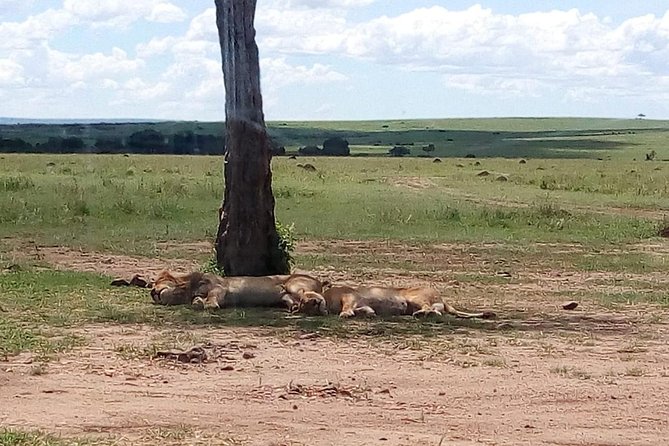
After an early breakfast, you descend into Ngorongoro Crater for a half-day game drive. This is the dramatic finish to the trip, and it is easy to understand why the crater is the route’s anchor.
The crater floor supports herds of wildebeest, zebra, buffalo, eland, warthog, hippo, and elephant. It also has a strong predator presence, including lions, hyenas, jackals, cheetahs, and the occasional leopard. The enclosed setting gives you a good chance to see a wide range of animals within a relatively concentrated area, though no sighting is guaranteed.
I like the timing of this day because you reach the crater early and have several hours for game viewing before the return drive. A picnic lunch keeps the day moving. After lunch, you leave for Arusha, with dinner and an overnight stay in Arusha included in the stated package.
That final drive makes day four a long one. You should not think of the return as a quick transfer after a short outing. You have an early breakfast, a half-day crater safari, lunch, and then the road back to Arusha.
Camping, meals, and what to pack
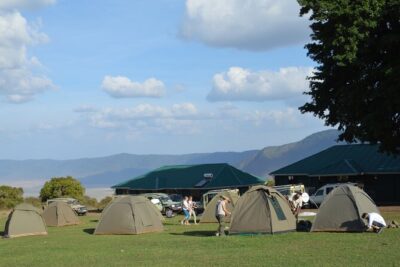
This is a budget camping safari, not a lodge holiday. The basic accommodation is part of the appeal for people who want a closer connection to the parks and do not need hotel-style comfort every night.
The package includes:
- Three breakfasts
- Three dinners
- Four lunches
- National park entrance fees
- A driver-guide
- Pickup and drop-off at Arusha accommodations
Bring your own toiletries, towels, bathing soap, and personal sanitary supplies. Those items are specifically excluded.
Dress casually, but practical clothing matters more than style. Dust, sun, and changing temperatures are part of a safari road trip. You should also be comfortable with a moderate level of physical activity, early starts, camping, and rough roads.
The provided lunches are one of the better practical features. Game drives are built around animal movement, and returning to camp for a full meal can cost valuable viewing time. A packed lunch gives you more freedom to stay out.
The guide can make or break the experience
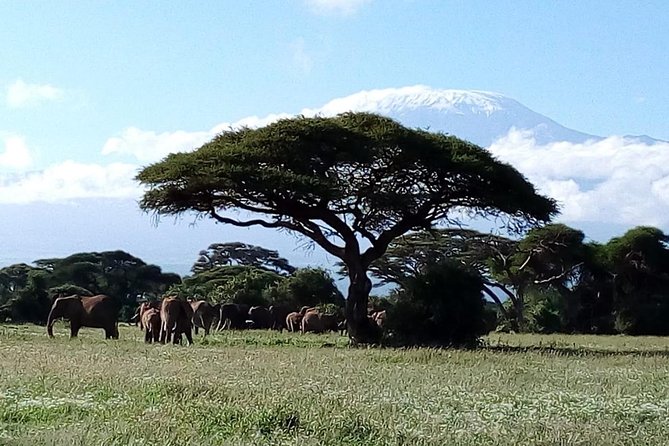
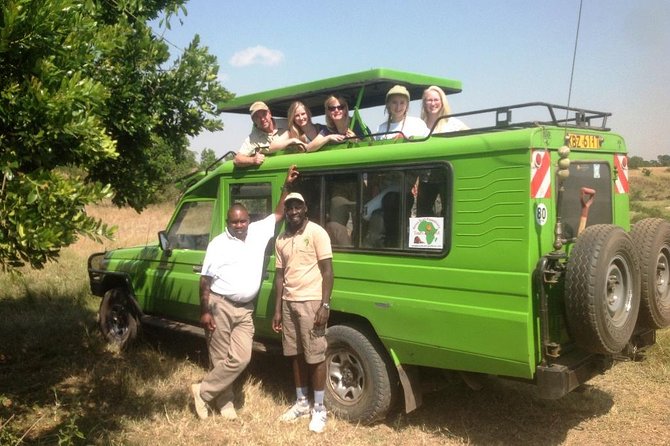
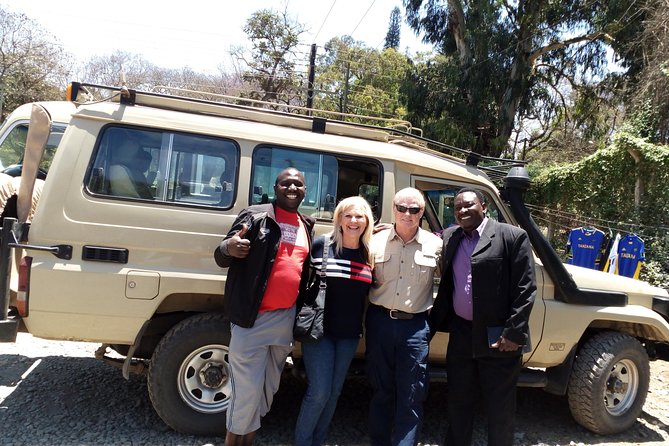
The strongest praise attached to this safari concerns the guiding. Masulya and Martin were singled out for finding animals, answering questions, and helping the group see much of what it hoped to see. Joe was praised for his local knowledge, while Max was credited with making another trip memorable and well organized.
Those details matter because a guide does more than drive. The guide decides where to pause, how long to watch an animal, and how to explain what you are seeing. A trained eye can help with predators and smaller sightings that you might miss from the back seat.
There is also a clear caution. Some bookings have been assigned to another local operator or combined with a group booked through a different company. That can be perfectly fine, but it means the quality of the guide, cook, and camp crew may not be uniform.
I would ask before booking how the group will be assembled, who will operate the vehicle, and whether the named provider will handle the full trip. The maximum group size is 15, but past arrangements have included smaller groups of six, which would generally feel more comfortable for wildlife viewing.
Is $1,743.59 a fair price?
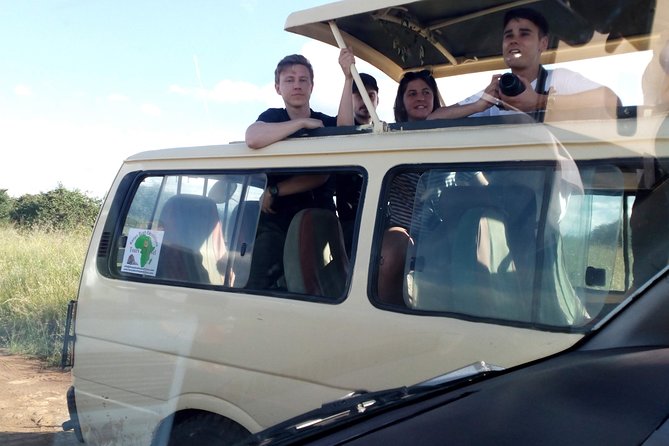
The price makes the most sense if you want a broad safari experience without paying for upscale lodges. Three major conservation areas, park fees, meals, guiding, transport, and camping are combined into one short trip.
You are paying for access and coverage, not privacy or polish. A lodge-based safari with more time in each park would likely cost more, while a longer camping trip might give you better value if the Serengeti is your main goal.
The trip is especially useful for a solo person who wants to join a group. Past bookings describe solo participants joining friendly groups and meeting new companions. Group discounts are available, though the exact saving is not stated, so ask for the current price rather than assuming a fixed reduction.
The non-refundable booking condition deserves attention. Once you pay, the amount is not returned if you cancel or request a change. That makes travel insurance and firm dates sensible, but the policy itself does not offer flexibility.
Who should book this safari?
I would recommend this experience to you if you want:
- A first taste of northern Tanzania’s major parks
- A lower-cost alternative to lodge safaris
- Camping and basic outdoor travel
- A small-group setting rather than a private vehicle
- A mix of elephants, lions, birds, plains wildlife, and crater scenery
- A structured itinerary with pickup from an Arusha hotel
I would be more cautious if you want slow mornings, luxury accommodation, guaranteed migration viewing, or a long stay in the Serengeti. You should also think twice if rough roads and early starts sound unpleasant.
Should you book it?
Book this safari if your priority is seeing three major wildlife areas in a short time while keeping accommodation simple. The route is ambitious, but the mix of Lake Manyara, central Serengeti, and Ngorongoro Crater gives you a strong range of scenery and wildlife.
Before paying, confirm the likely group size, the operating company, the guide arrangement, and the campsite setup. If those details suit you, the package offers a practical way to experience northern Tanzania without paying for luxury. Just arrive ready for long drives, basic camping, and a schedule that puts wildlife ahead of comfort.
FAQ
Where does the safari begin and end?
The safari begins with pickup from an Arusha hotel and returns to Arusha after the Ngorongoro Crater visit on day four.
Which parks and conservation areas are included?
The itinerary includes Lake Manyara National Park, Serengeti National Park, and the Ngorongoro Conservation Area, including a game drive inside Ngorongoro Crater.
Are meals included?
Yes. The package includes three dinners, three breakfasts, and four lunches.
Is Olduvai Gorge included in the price?
No. The Olduvai Gorge stop is optional, and its admission and related costs are not included.
How large can the group be?
The tour has a maximum of 15 travelers. Past arrangements have included smaller groups, including a group of six.
What personal items should I bring?
Toiletries, towels, bathing soap, and personal sanitary items are not included, so you should bring your own. Casual dress is listed as appropriate, and a moderate level of physical fitness is recommended.
Newest safaris around Arusha
- Serengeti & Ngorongoro fly in safari★ 5.0 · 76 reviews
- 7 days great migration safari★ 5.0 · 77 reviews
- 6 days Tanzania budget safari★ 5.0 · 65 reviews
- 5 days safari, hiking & culture (Serengeti & kilimanjaro)★ 5.0 · 27 reviews
- 3 Days Tanzania Budget Group Joining Safari Tour★ 5.0 · 16 reviews
- Amazing 4 Days Tanzania Budget Camping Group Joining Safari★ 5.0 · 15 reviews
- 4 days safari★ 5.0 · 34 reviews
- 2 Day Budget Safari in Tarangire and Ngorongoro From Arusha★ 5.0 · 10 reviews
4-Day Experiences, compared.
Private 4-Day Golden Triangle Tour with Ranthambore Tiger Safari
Read our review →
4-Day Safari from Arusha: Tarangire, Serengeti and Ngorongoro
Read our review →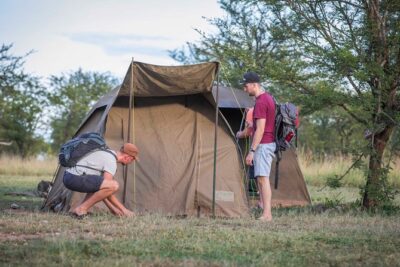
Agadir Jeep Safari Sahara Desert 4×4 Day Tour with Lunch
Read our review →
4 Day Golden Triangle with Ranthambore Tiger Safari Tour from Delhi
Read our review →4-Day Group 4×4 Safari to Masai Mara & Lake Nakuru with Pick-Up
Read our review →Browse the lists this tour appears in