
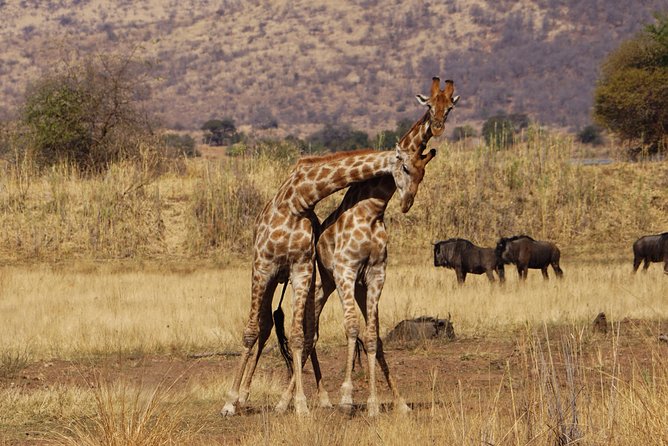
Review · ARUSHA, TANZANIA
4 Days Tanzania Budget Group Join Safari- Serengeti & Ngorongoro
Wildlife begins with a long drive. This four-day safari gives you two of Tanzania’s great wildlife areas, Serengeti National Park and Ngorongoro Crater, for $1,283 per person. I like the full day in Serengeti, where you have time to search for lions, elephants, zebras, and the wildebeest migration, and I like the group format, which keeps the price below a private safari while adding a social side to the trip.
The main drawback is the pace. The first and final days include long road journeys, and the plan packs a great deal into four days. I also noticed that some published comments refer to Tarangire and Lake Manyara, but this specific program names only Serengeti and Ngorongoro, so you should confirm the exact route before paying.
Key points to know before booking
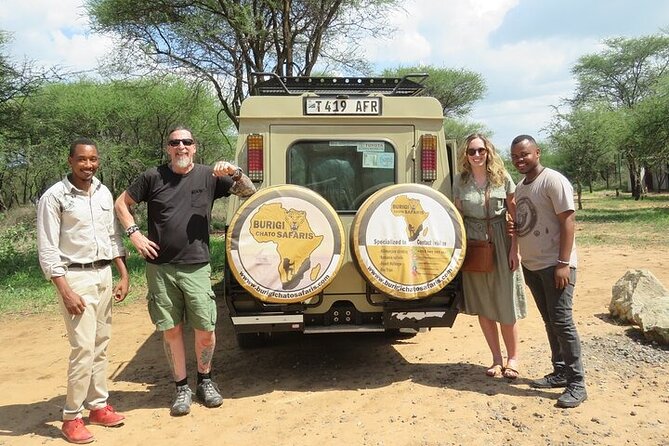
- Two famous parks in four days: You spend most of your wildlife time in Serengeti, then visit Ngorongoro Crater.
- A full Serengeti day matters: Day two gives you eight hours for game viewing instead of treating the park as a quick stop.
- Group travel lowers the cost: You share the safari vehicle and experience with other people rather than booking a private departure.
- Early start from Arusha: Pickup is scheduled for 5:30 a.m., so your first day begins before breakfast for many people.
- Meals are included: The package lists four dinners, four lunches, and three breakfasts.
- Important exclusions: Drinks, lodge beverages, tips, insurance, visas, and flights are not included.
What $1,283 buys you in northern Tanzania
At $1,283 per person, this is not a shoestring city excursion. A four-day safari in northern Tanzania involves park fees, vehicle costs, fuel, accommodation, meals, and a professional driver-guide. The price is best understood as a way to reach two major wildlife destinations without paying for a private vehicle.
The group format is the key to the value. You share the road time, game drives, and vehicle space with other participants, which can make the safari more affordable. It also means you give up some control. You may not choose every stop, set your own pace, or decide exactly how long to watch one animal.
The published maximum is 200 participants, but that is the maximum for the activity rather than a promised vehicle size. Ask how many people will be in your actual safari vehicle. That question matters more than the headline group limit, since space and viewing angles affect your comfort during a long game drive.
The package includes a professional driver-guide, all fees and taxes, and the listed meals. It does not include drinks at lodges, medical insurance, travel insurance, visas, international flights, or local flights. Bring a separate budget for those costs, plus a tip for the guide.
A few more safaris around Arusha worth a look
- 4 Days Group Camping Safari
★ 5.0 · 1,101 reviews - 4-Day Safari from Arusha: Tarangire, Serengeti and Ngorongoro
★ 5.0 · 173 reviews - 4 Days safari Tour Tanzania
★ 5.0 · 159 reviews
Day one: the long road to Serengeti
Pickup begins in Arusha at 5:30 a.m. Your first day is built around the drive to Serengeti National Park, with a game drive after arrival. The advertised activity length is about six hours, though the full day on the road can feel longer because the park is far from Arusha.
This drive is part of the experience, not just an inconvenience. You leave the busy starting point and move toward open Tanzanian scenery, with changing views along the way. Still, I would not book this day expecting hours of relaxed wildlife viewing. The main reward comes after reaching Serengeti, when the vehicle begins looking for animals in one of Africa’s best-known protected areas.
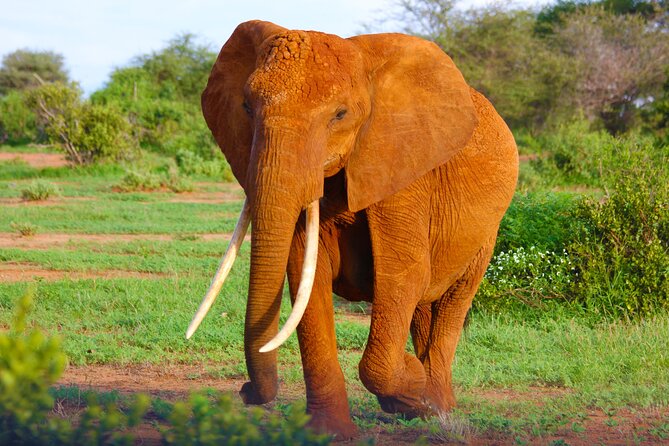
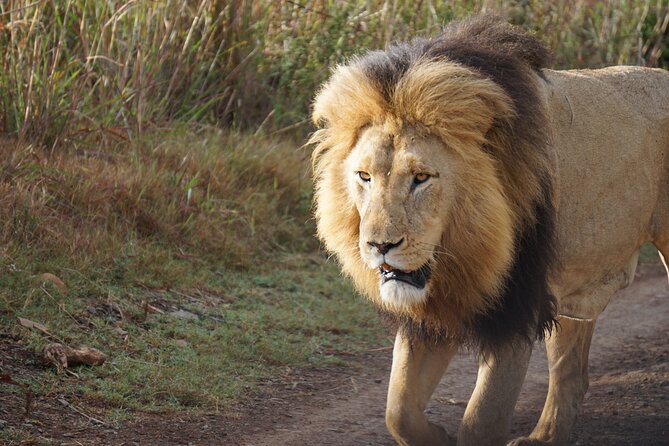
The first game drive may bring sightings of lions, elephants, giraffes, and zebras. Nothing in a safari is guaranteed, so keep your expectations sensible. The guide’s skill, current animal movements, weather, and the season all affect what you see.
You spend the evening at accommodation in or near Serengeti. The package includes dinner, but the exact accommodation standard is not stated. Ask whether your stay uses a lodge, tented camp, or another type of camp, and ask what room arrangements apply to a shared booking.
Day two: eight hours across the Serengeti
Day two is the strongest part of the schedule. You spend the full day in Serengeti, with about eight hours set aside for game viewing. That extra time gives your guide more chances to look for predators, herds, and smaller wildlife rather than simply driving through the park.
The Serengeti is especially famous for the annual wildebeest migration. Huge herds move with zebras and other grazing animals in search of fresh grass. The exact location changes through the year, so the migration should be treated as a possibility, not a promise tied to every departure.
I like the structure here because it gives Serengeti room to breathe. You can watch the plains change from one area to another, stop when animals appear, and keep searching after a quiet spell. The quiet spells are part of safari life. You may spend time scanning the distance before suddenly finding a lion or a large herd.
The full day can also test your patience. An open-sided safari vehicle offers excellent viewing, but sitting for hours on rough roads is tiring. Wear comfortable clothing, protect yourself from the sun, and keep your camera ready. You may find that binoculars are as useful as a powerful camera lens, particularly when animals are far away.
Day three: from Serengeti to the Ngorongoro Crater
After breakfast, you have a half-day game drive in Serengeti before leaving for the Ngorongoro Conservation Area. The stated activity time is about eight hours, so this is another demanding day with wildlife viewing and a substantial transfer.
The route gives you a final chance to see animals in Serengeti before the scenery changes. You then reach Ngorongoro Crater, an ancient volcanic caldera with a concentrated mix of wildlife. The plan includes descending into the crater for game viewing, then ascending to the rim for the night.
Ngorongoro is special because its enclosed setting can make animal viewing feel more concentrated than on the wide Serengeti plains. The area is associated with the Big Five: elephant, lion, leopard, buffalo, and rhinoceros. You can also look for many bird species, though spotting all five large animals in one visit is never guaranteed.
This day is packed. You are not simply transferring between camps, and you are not spending a relaxed full day in either park. You are doing a half-day Serengeti drive, crossing to the conservation area, descending into the crater, viewing wildlife, and climbing back to the rim. That makes the day productive, but it may feel rushed if you prefer slow observation.
The overnight stay near the crater is useful. It avoids returning all the way to Arusha that evening and positions you for another crater drive on day four. Since the exact accommodation is not specified, confirm its location and type before booking.
Same region, a very different drive:
- Balloon Safari & Bush Breakfast in Serengeti – Miracle Experience
★ 5.0 · 1,646 reviews - 5 Days Group Camping Safari
★ 5.0 · 730 reviews - 3 Days Serengeti & Ngorongoro Group Camping Safari
★ 5.0 · 574 reviews - 7-Day Premium Luxury Tanzania Safari All-Inclusive
★ 5.0 · 426 reviews
Day four: one more crater drive, then Arusha
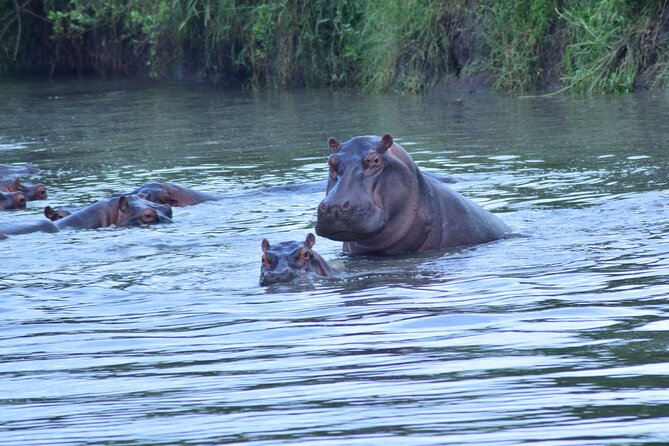
The final day starts with another game drive in Ngorongoro Crater. This is a good use of the morning because you have another chance to find animals missed the day before and to enjoy the crater’s views in changing light.
Afterward, you begin the return journey to Arusha. The scheduled activity time is about eight hours, so do not plan an important evening flight or tight connection without checking the expected arrival time. The experience ends back at the original meeting point in Arusha.
This final drive is one reason the four-day plan works better than a rushed three-day visit. You get more than a single crater descent and a quick exit. The tradeoff is that the return to Arusha takes up much of the day, leaving little spare time at the end.
The wildlife experience: strong locations, no guarantees
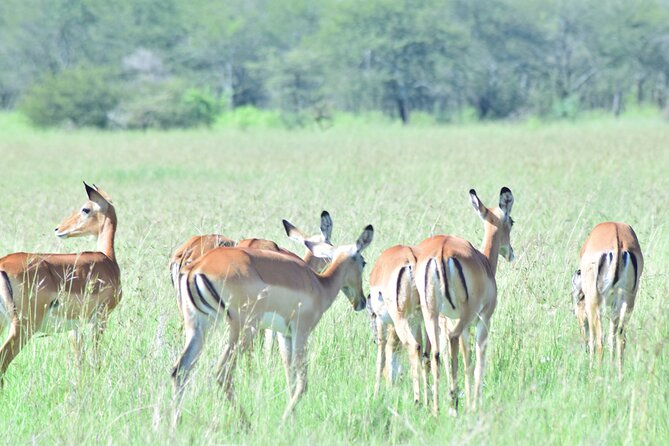
Serengeti and Ngorongoro are excellent choices if your main goal is classic East African wildlife. You have a chance to see lions, elephants, giraffes, zebras, buffalo, rhinos, leopards, wildebeest, and many birds. The route also gives you two different settings: broad open plains in Serengeti and a more enclosed crater environment at Ngorongoro.
The phrase Big Five can make a safari sound like a checklist. I would resist that approach. You might see several of these animals, but the best moments may be less predictable: a large zebra herd moving across the plain, a group of wildebeest on the move, or a sudden predator sighting after a quiet drive.
The guide makes a real difference. A good driver-guide reads animal behavior, knows how to position the vehicle, and explains the wildlife, plants, and local culture. The package promises a professional driver-guide, but it does not provide a specific name or detailed guide profile. Ask who will lead your departure if that information is important to you.
The strong feedback attached to this kind of safari focuses on impressive animal sightings, Big Five success, careful group organization, and attention to health precautions during the pandemic period. Those comments suggest that the operator has handled shared safaris and sanitization measures before. Since health procedures can change, ask what is currently provided rather than relying on old arrangements such as masks or daily vehicle cleaning.
Sharing a vehicle: the real budget tradeoff
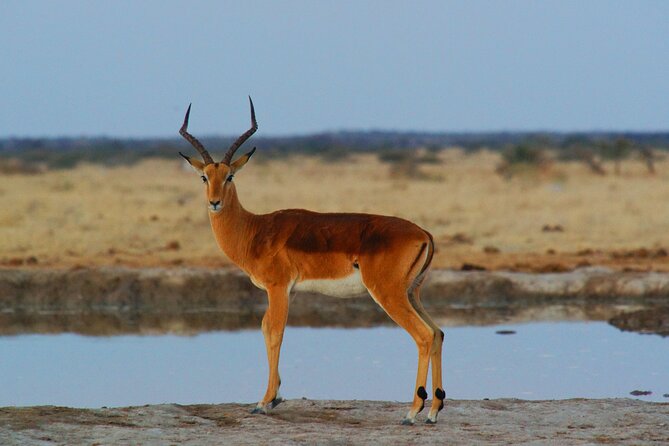
A group safari can be a smart choice if you want the major parks but do not want to pay for a private vehicle. You meet people with similar interests, split operating costs, and share the excitement when an animal appears.
The compromise is personal space. Everyone may want a different amount of time at a sighting. One person may want to photograph a lion for twenty minutes while another is ready to move on. The group may also affect seating, departure timing, and where you stop for meals.
Before booking, ask four practical questions:
- How many people usually share one vehicle?
- Is the accommodation shared or private?
- Are airport transfers included, or only pickup in Arusha?
- What happens if the group size changes?
The stated maximum of 200 people should not alarm you by itself, but it is too broad to tell you what your daily experience will be like. The actual vehicle size is the useful detail.
Meals, accommodation, and daily comfort
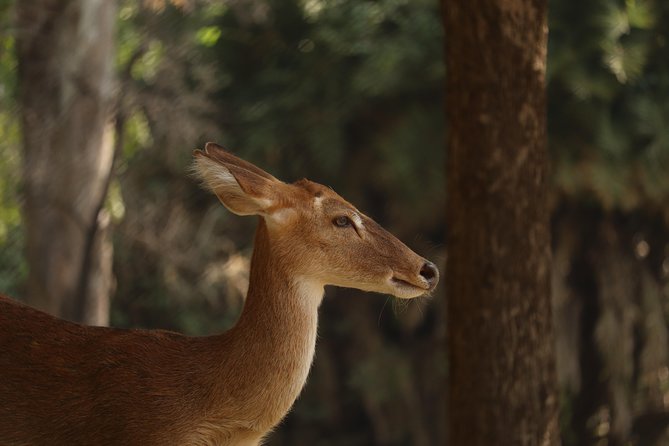
Four dinners, four lunches, and three breakfasts are included. That covers the main food needs listed for the trip, but drinks and beverages at lodges are extra. Carry money for water, soft drinks, and other purchases, since those costs are excluded.
Accommodation is included in the general plan, but the supplied details do not identify the properties or room categories. That is one of the most important gaps to clear up before payment. Ask for the names or types of the camps and lodges, whether rooms have private bathrooms, and whether single supplements apply.
The early start and long driving days make simple comfort important. You should be ready for dust, sun, changing temperatures, and bumpy roads. Pack layers, a hat, sunscreen, comfortable shoes, medication, and a small bag that can stay with you in the vehicle.
Mobile ticketing and pickup are convenient. The meeting point is in Arusha, and the activity returns there at the end. Most people can participate, and the tour is near public transportation, but the early 5:30 a.m. start means you should confirm the exact pickup details the day before.
What the schedule does not include
The route described here covers Serengeti and Ngorongoro. Some published comments connected with the operator discuss Tarangire, Lake Manyara, Mikumi, Ruaha, and Udzungwa, but those are different routes and should not be assumed to form part of this four-day program.
That distinction matters. Tarangire is known for a different setting and elephant viewing, while Lake Manyara is often chosen for its own wildlife interests. If you specifically want either park, ask for a written route confirmation before booking.
You also need to arrange your own visa, travel insurance, and medical insurance. International and local flights are excluded. Tips for the guide are not included, so plan to thank the guide separately if the service meets your expectations.
The cancellation terms are strict. This experience is non-refundable and cannot be changed for any reason. If poor weather causes the operator to cancel, you are offered another date or a full refund. I would book only after confirming your dates, insurance, and arrival plans.
Who should book this safari
I would recommend this trip if you want the classic northern Tanzania experience in a short period and you are comfortable sharing a vehicle. It suits people who value access to major wildlife areas more than private space or a slow schedule.
It is also a good fit if the Serengeti migration is high on your wish list, provided you understand that timing and animal movements vary. The full Serengeti day gives you a better chance than a brief park visit, but no guide can guarantee the herds will be nearby.
I would think twice if you dislike long road journeys, need a flexible schedule, or want a clearly specified lodge before you pay. A private safari may be worth the extra cost if you want control over stops, seating, and viewing time.
Should you book the four-day Serengeti and Ngorongoro safari?
Book it if you want two famous wildlife destinations, included meals and park costs, and the lower price of a shared safari. The full Serengeti day and the second crater drive give this short trip real substance.
Before committing, confirm the vehicle group size, accommodation, exact route, and pickup arrangements. Also confirm that your booking covers Serengeti and Ngorongoro only, since other parks appear in some related comments but are not part of the stated program.
For a first safari on a controlled budget, this is a sensible route. Just remember that four days means long driving, early starts, and a busy schedule. If you accept those limits, the chance to see Tanzania’s great plains and crater wildlife at $1,283 can offer solid value.
FAQ
Where does the safari start?
The safari starts in Arusha, Tanzania.
What time is pickup?
Pickup is scheduled for 5:30 a.m.
Where does the safari end?
The experience ends back at the meeting point in Arusha.
How long does the safari last?
The safari lasts approximately four days.
Which parks are included?
The stated route includes Serengeti National Park and the Ngorongoro Conservation Area, including Ngorongoro Crater.
Is Serengeti visited for a full day?
Yes. Day two is scheduled as a full day in Serengeti, with about eight hours for exploration.
Is Ngorongoro Crater visited more than once?
The schedule includes a crater visit on day three and another game drive in the crater on day four.
Are meals included?
Yes. The package includes four dinners, four lunches, and three breakfasts.
Are drinks included?
No. Drinks and beverages at the lodges are not included.
Are flights and insurance included?
No. Local and international flights, medical insurance, travel insurance, and visas are not included.
Newest safaris around Arusha
- Serengeti & Ngorongoro fly in safari★ 5.0 · 76 reviews
- 7 days great migration safari★ 5.0 · 77 reviews
- 5 days safari, hiking & culture (Serengeti & kilimanjaro)★ 5.0 · 27 reviews
- 6 days Tanzania budget safari★ 5.0 · 65 reviews
- 3 Days Tanzania Budget Group Joining Safari Tour★ 5.0 · 16 reviews
- Amazing 4 Days Tanzania Budget Camping Group Joining Safari★ 5.0 · 15 reviews
- 4 days safari★ 5.0 · 34 reviews
- 2 Day Budget Safari in Tarangire and Ngorongoro From Arusha★ 5.0 · 10 reviews
4-Day Experiences, compared.

Private 4-Day Golden Triangle Tour with Ranthambore Tiger Safari
Read our review →
4-Day Safari from Arusha: Tarangire, Serengeti and Ngorongoro
Read our review →
Agadir Jeep Safari Sahara Desert 4×4 Day Tour with Lunch
Read our review →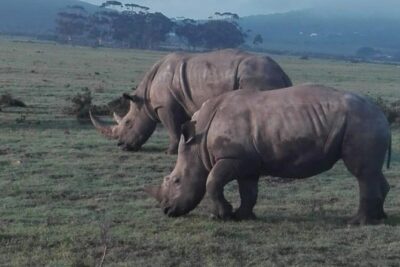
4 Day Golden Triangle with Ranthambore Tiger Safari Tour from Delhi
Read our review →4-Day Group 4×4 Safari to Masai Mara & Lake Nakuru with Pick-Up
Read our review →Browse the lists this tour appears in