
Review · ARUSHA, TANZANIA
5 Days Safari Northern Circuit of Tanzania
Wildlife rewards an early start. This five-day northern Tanzania safari links Tarangire, Ngorongoro Crater, Serengeti, and Lake Manyara in one compact route from Arusha. I like the strong mix of scenery and wildlife, from baobabs and elephants to crater lions and Serengeti plains. I also like that it is a private trip, so only your group rides with the guide.
The main tradeoff is time. Four major parks in five days means long drives and busy days, with several roughly eight-hour touring periods. You will see a lot, but this is not a slow safari with lazy mornings and long stays in one place. Confirm the pickup time before you go, since the information gives an 8:30 pm meeting time while the daily plan begins after breakfast.
Key points before you book
- Four famous parks in five days: Tarangire, Ngorongoro Crater, Serengeti, and Lake Manyara all make the route.
- Private touring: Only your own group participates, which gives you more room to discuss timing and wildlife sightings with your guide.
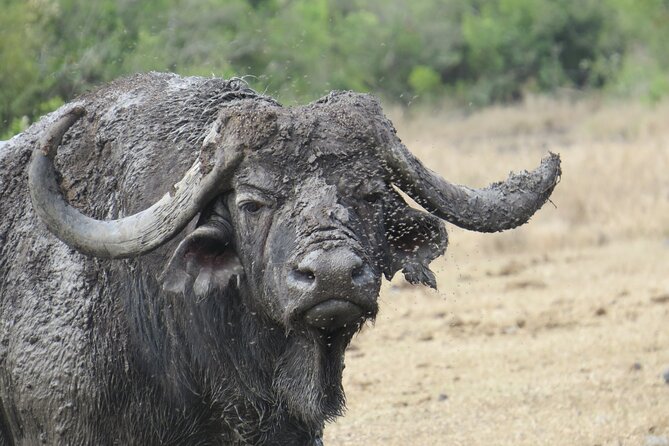
- Strong wildlife range: Expect elephants, lions, zebras, wildebeest, buffalo, flamingos, and a chance to see black rhino and other Big Five animals.
- Midrange comfort: Nights are planned at midrange lodges or tented camps, with food and accommodation praised repeatedly in the supplied feedback.
- Experienced named guides: Guides including Dennis, Justine, Gasper, Raphael, Langeni, Elizer, Gerson, and others received especially warm praise for their care, animal spotting, and park knowledge.
- Strict booking terms: The $2,097 price is non-refundable and cannot be changed after booking, so check every detail first.
Why this northern Tanzania route works
This itinerary gives you a broad sample of the northern circuit rather than betting the whole trip on one park. Tarangire brings huge baobabs and elephants. Ngorongoro delivers a compact wildlife setting inside an ancient volcanic crater. Serengeti supplies the famous open plains and big-cat possibilities. Lake Manyara finishes with birds, flamingos, elephants, and its well-known tree-climbing lions.
That variety is the chief reason to consider the trip. You are not simply repeating the same game drive four days in a row. Each park has a different character, and the changes keep the route interesting even when the roads take time.
The cost is $2,097 per person, which needs to be judged against the full package rather than the number alone. The trip includes park visits, a personal driver-guide or representative, airport or Arusha pickup, picnic lunches during game drives, and midrange accommodation or tented camps. The supplied feedback also describes the food and lodging as good for the price.
Still, ask what is included before paying. The information confirms the itinerary and accommodation level, but it does not spell out every meal, transfer, park fee, or airport arrangement. A private safari can offer better attention than a shared vehicle, but the value depends on your group size and the final list of inclusions.
A few more safaris around Arusha worth a look
- 5 Days Group Camping Safari
★ 5.0 · 730 reviews - Tanzania Simba Safari – 5 Days
★ 5.0 · 217 reviews - 5 Days Budget Private Safari, Tanzania
★ 5.0 · 191 reviews
Day 1: Arriving in Arusha
The first day is deliberately light. You are met at Kilimanjaro International Airport or Arusha Airport and taken to your accommodation in Arusha. This gives you a night to recover before the main driving begins.
Arusha is the practical launch point for the northern circuit. Do not expect a full safari day here. The value is simple: you arrive, settle in, and avoid starting a major park visit immediately after a long flight.
The information gives an 8:30 pm start time, while the itinerary says airport arrival and hotel transfer on the first day, then breakfast departures on following days. That needs clarification. Ask the operator for your exact pickup time, airport meeting instructions, and the name of the first accommodation.
The company’s communication received strong praise, including a case where staff helped coordinate delayed baggage. That is useful on a safari, since a missing bag can matter when you are moving between parks and camps. Keep essential medication, documents, and one change of clothes in your hand luggage anyway.
Day 2: Tarangire’s elephants and giant baobabs
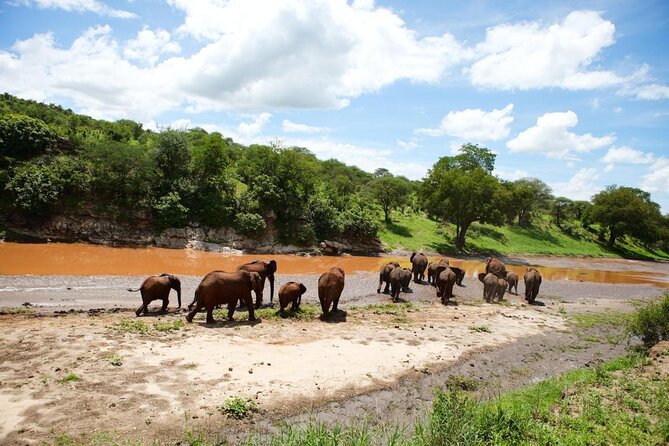
After breakfast, you head toward Tarangire National Park for a full game-drive day. The park is known for its large elephant population, broad baobabs, and the Tarangire River, described as the area’s only permanent water source.
This is a fine first park because it gets you into the wildlife setting quickly. The baobabs give the views a strong sense of place. They can tower over grazing animals, and their unusual shapes make even a quiet stretch of road feel distinctive.
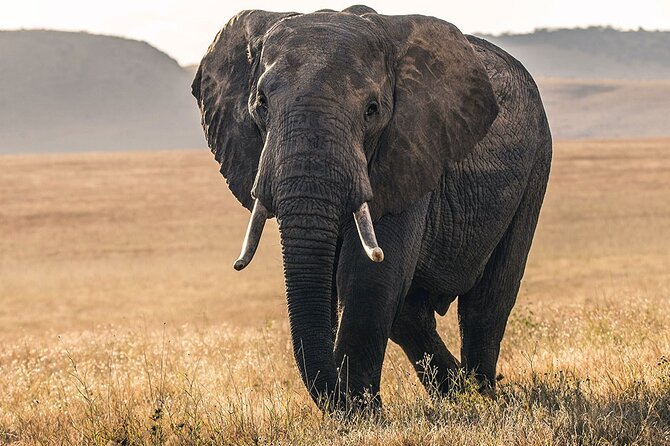
Elephants are the headline attraction. The park is described as supporting as many as 6,000 elephants, along with lions, leopards, and cheetahs. No wildlife sighting is guaranteed, of course, but the habitat gives you a good range of possible encounters.
You have a picnic lunch inside the park, followed by more game viewing before driving to your accommodation. This makes for a long day, but it also protects your time in the park. The supplied feedback repeatedly praises guides for spotting animals and positioning the vehicle well, with Gasper and Dennis receiving especially warm comments for their patience and animal knowledge.
The practical drawback is road time. Tarangire is only the first major park, and you still have Ngorongoro, Serengeti, and Manyara ahead. If you want quiet photography time at every sighting, five days may feel rushed.
Day 3: Down into Ngorongoro Crater
Ngorongoro Crater is the route’s most concentrated wildlife stop. You descend into one of the planet’s largest unbroken calderas, a vast volcanic bowl with more than 25,000 wild animals in the surrounding description.
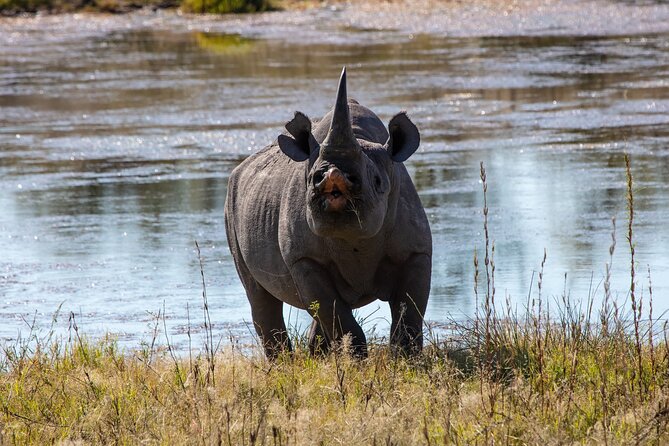
The crater’s appeal is its compact setting. Wildlife gathers within a defined area, so you may see several species during one game drive without covering the huge distances required in the Serengeti. Lions, elephants, buffalo, leopards, and black rhinos are all named as possible highlights.
The crater is also a UNESCO World Heritage Site and one of Tanzania’s signature natural sights. Even if the animals are quiet, the view into the crater is memorable. The setting does much of the work here, with open grassland, water, and steep crater walls creating a dramatic frame.
The plan calls for breakfast followed by the crater descent and game viewing, then a drive onward for dinner and the night. Read the final accommodation details carefully, since the overall plan refers to midrange lodges or tented camps and later places you near Karatu.
A crater visit can be physically tiring because it combines an early start, a full game drive, and onward travel. Pack sun protection, water, and a camera battery that can handle a long day. The attraction is the high chance of varied wildlife in one place. The cost is less flexibility, since the schedule has to fit park access and the next overnight stop.
Same region, a very different drive:
- Balloon Safari & Bush Breakfast in Serengeti – Miracle Experience
★ 5.0 · 1,646 reviews - 4 Days Group Camping Safari
★ 5.0 · 1,101 reviews - 3 Days Serengeti & Ngorongoro Group Camping Safari
★ 5.0 · 574 reviews - 7-Day Premium Luxury Tanzania Safari All-Inclusive
★ 5.0 · 426 reviews
Day 4: Serengeti and the endless plains
The Serengeti is the emotional center of this safari. You set out early after breakfast to search the open plains for big cats and other wildlife. The park is also famous for the great migration, when more than a million wildebeest and about 200,000 zebras move through the region in an annual cycle.
Timing matters here. The itinerary describes wildebeest moving south around October and November, then turning west and north after the long rains in April, May, and June. That does not mean you will see the migration on every visit. Animal movements change, and the Serengeti remains worthwhile outside the busiest movement periods because of its scale and resident wildlife.
The open terrain can make animal spotting exciting. A guide with good eyes and field experience matters, and the feedback gives this company’s guides high marks for exactly that. Langeni was praised for helping a group see all of the Big Five in one day, while Justine, Gasper, Denis, and others were repeatedly credited with strong animal spotting, patience, and clear explanations.
This is also likely to be one of the longest driving days. The reward is access to one of Africa’s best-known wildlife areas. The drawback is that you may spend substantial time in the vehicle getting there and then continue driving after lunch toward accommodation in Karatu.
That arrangement gives you a taste of the Serengeti rather than several nights in the park. If your main goal is the migration or a slower Serengeti stay, ask if the route can be adjusted. If your goal is to sample several northern parks in a short holiday, the tradeoff makes sense.
Day 5: Lake Manyara’s birds and climbing lions
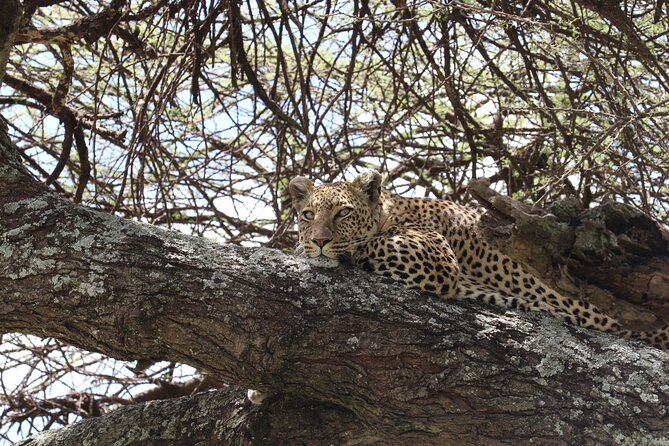
The final park is Lake Manyara National Park. After breakfast, you take a game drive with a picnic lunch, then continue viewing wildlife before returning to Arusha or the airport.
Manyara changes the rhythm again. Its lake attracts large flocks of flamingos feeding on algae, while the park’s varied habitat supports elephants and many other African animals. The famous tree-climbing lions are the unusual prize, although a sighting is never certain.
I like Manyara as a final stop because it adds birds and a different setting after the big mammals of Tarangire and the crater. It also gives you one last proper game drive instead of ending with only a transfer.
Do not schedule a tight onward flight without confirming the return time. The plan says you will drive back to Arusha or the airport after the game drive and picnic lunch, but it does not give a precise arrival hour. Long safari roads can make fixed connections stressful. If you have a flight, ask for a realistic transfer estimate.
Guides make or break a short safari
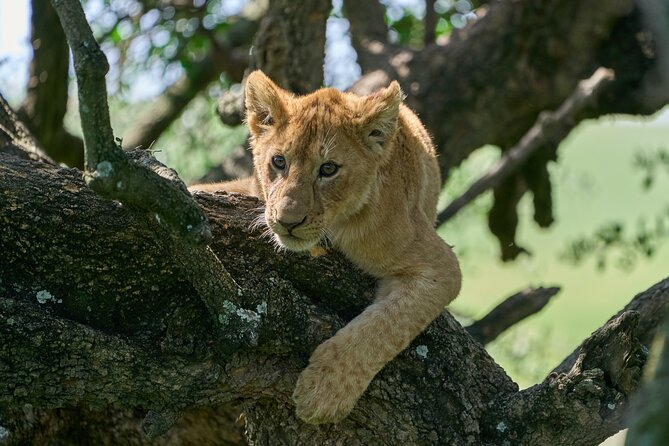
A private safari depends heavily on the person behind the wheel. The supplied feedback gives unusually consistent praise to the guide team. Dennis was described as patient and informative. Justine was praised for environmental knowledge and for helping people get close wildlife encounters. Gasper was valued for organization, friendliness, and animal spotting.
Other names that appear in the feedback include Raphael, Rafa, Seleman, Elizer, Gerson, Langeni, Justin, Dickrich, and Francis Kamu. The pattern is clear: guests appreciated guides who could explain animal behavior, answer questions, spot wildlife, and take care of practical details.
When you book, ask whether a specific guide can be requested. Do not assume that a named guide will be assigned, but it is reasonable to explain what matters most to you. Some people want photography help. Others want more information about ecology, birds, or local places.
The private format is a real advantage. You do not have to adapt to a busload of strangers, and your guide can better understand your pace. It does not guarantee a quiet park or a perfect animal sighting, but it should make communication easier.
Accommodation, meals, and comfort on the road
The plan uses midrange lodges or tented camps. That is a sensible level for a five-day safari, especially when the route spends much of the day outside the accommodation.
Food and lodging received strong praise, with several comments describing the accommodation as comfortable and the meals as good. The experience is not presented as luxury travel, so set your expectations accordingly. You are paying for access to major parks, transport, guiding, and a comfortable base, not a high-end resort stay.
Picnic lunches are part of the game-drive rhythm at Tarangire and Lake Manyara, and lunch is also mentioned during the other park days. This keeps you in the field longer. It also means you should be ready for simple safari-day eating rather than lingering restaurant meals.
Because the exact properties are not named here, ask for the accommodation list before booking. Location matters. A camp closer to a park can reduce driving, while a property farther away may offer a lower price but a longer day on the road.
Who should book this safari?
I would recommend this route to you if you have five days, want the classic northern circuit, and prefer one private vehicle with your own group. It suits first-time safari visitors who want to see several major parks without arranging separate transfers and lodges.
It is also a good fit if you value a guide’s care and flexibility more than luxury facilities. The strongest feedback focuses on organized service, helpful communication, food, accommodation, and guides who took time to explain what was happening.
I would hesitate if you dislike long drives, need a slow pace, or want several full days in the Serengeti. Four parks in five days is ambitious. It offers breadth, but not much spare time.
The cancellation terms deserve serious attention. This experience is non-refundable and cannot be changed for any reason. Since the price is substantial, confirm dates, airport, pickup time, accommodation level, park sequence, and inclusions before you pay.
Should you book the $2,097 safari?
Book it if you want a well-rounded northern Tanzania sampler with private touring and a strong chance to see classic African wildlife. Tarangire’s elephants, Ngorongoro’s crater setting, Serengeti’s open plains, and Manyara’s flamingos give you four distinct park experiences in a short period.
I especially like the route for a first safari when time is limited. The company’s guide team receives repeated praise, and that matters more than flashy promises. A patient guide who can spot animals and explain the places you visit can turn long drives into part of the experience.
Skip it, or ask for a slower custom plan, if the Serengeti is your main goal. You may prefer fewer parks and more nights in one area. For everyone else, this is a busy but rewarding introduction to Tanzania’s northern circuit, provided you accept the driving and confirm the details before booking.
FAQ
How long is the safari?
The safari lasts approximately five days.
Where does the safari begin?
It begins in Arusha, with pickup available at Kilimanjaro International Airport or Arusha Airport.
Which national parks are included?
The route includes Tarangire National Park, Ngorongoro Crater, Serengeti National Park, and Lake Manyara National Park.
Is this a private safari?
Yes. Only your own group participates in this private tour or activity.
What type of accommodation is provided?
You stay at midrange lodges or tented camps. The exact properties are not specified in the provided information.
Can I cancel after booking?
No. The experience is non-refundable and cannot be changed for any reason.
Newest safaris around Arusha
- Serengeti & Ngorongoro fly in safari★ 5.0 · 76 reviews
- 7 days great migration safari★ 5.0 · 77 reviews
- 5 days safari, hiking & culture (Serengeti & kilimanjaro)★ 5.0 · 27 reviews
- 6 days Tanzania budget safari★ 5.0 · 65 reviews
- 3 Days Tanzania Budget Group Joining Safari Tour★ 5.0 · 16 reviews
- Amazing 4 Days Tanzania Budget Camping Group Joining Safari★ 5.0 · 15 reviews
- 4 days safari★ 5.0 · 34 reviews
- 2 Day Budget Safari in Tarangire and Ngorongoro From Arusha★ 5.0 · 10 reviews
5-Day Experiences, compared.
5 Day Garden Route and Addo Safari – Best of South Africa Small Group Tour
Read our review →
5-Day Private Northern Tanzania Safari from Arusha
Read our review →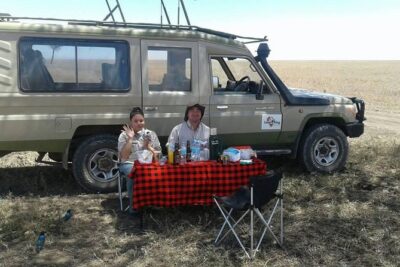
5 Days Best of Tanzania Luxury Safari Northern Circuit
Read our review →
5-Day private Camping Safari Tour in Tanzania
Read our review →Browse the lists this tour appears in