
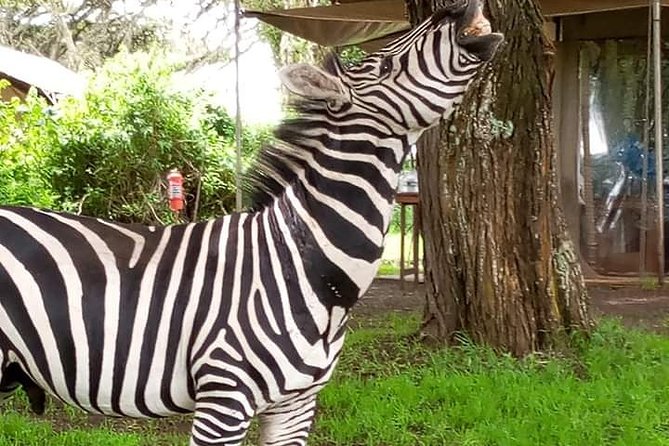
Review · ARUSHA, TANZANIA
2 Day Safari Tarangire and Ngorongoro Crater
Two parks, one compact safari, plenty of wildlife. This two-day trip from Arusha pairs Tarangire’s elephants and baobabs with the wildlife-filled Ngorongoro Crater, giving you a quick taste of northern Tanzania without committing to a longer safari. I like the smart pairing of two very different protected areas, and I like that transport, accommodation, meals, and a small group of no more than seven people are built into the plan.
The main drawback is the tight schedule. You spend about eight hours in Tarangire and seven hours in the Ngorongoro Conservation Area, but driving between Arusha, the parks, and your overnight stop leaves little room for delays. The package is practical rather than luxurious, and hotel pickup may cost an extra $5.
Key points to know before booking
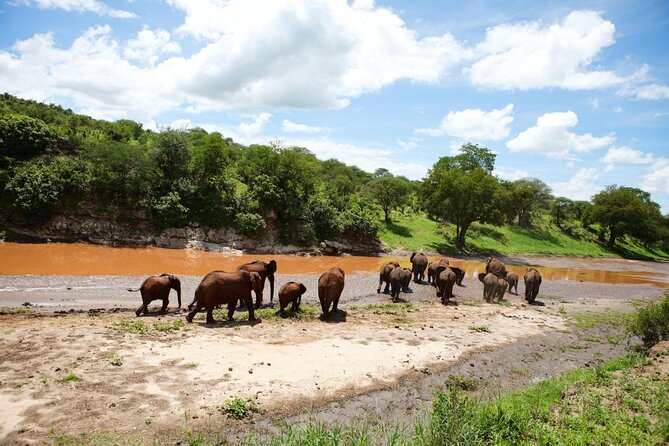
- Tarangire brings the big elephant viewing: The park is known for its large elephant population, baobab trees, and strong wildlife activity around the Tarangire River during the dry season.
- Ngorongoro packs wildlife into one crater: Cape buffalo, rhinoceros, hippopotamus, and many other animals may be seen across the crater floor.
- The group is capped at seven people: That is small enough for more personal attention from your guide than a large safari vehicle usually allows.
- Meals are included: The package lists dinner, two lunches, and two breakfasts, along with overnight accommodation.
- Arusha transport keeps the trip simple: The safari starts and ends at Masailand Safari & Lodge in Arusha, with pickup offered.
- The $440 price favors convenience: You are paying for a short, organized safari with transport, park access costs, accommodation, meals, and guiding, not a luxury camp experience.
Why this two-day safari works from Arusha
A short safari can easily feel rushed or thin. This one makes a good case for itself by combining Tarangire National Park and Ngorongoro Crater, two places with very different character.
Tarangire is open, dry, and shaped by its river, baobabs, and seasonal wildlife movement. Ngorongoro is a vast volcanic caldera where animals gather within a smaller, more defined area. In two days, you get both the classic safari feeling of following wildlife through a broad park and the concentrated animal viewing of a crater floor.
I would consider this trip especially useful if you are already based in Arusha and want more than a day trip, but cannot spare several days for the Serengeti. It also suits first-time safari visitors who want a manageable introduction rather than a long, expensive circuit.
The trade-off is simple: you gain variety, but lose time. A longer safari gives you more chances to wait for an animal sighting, enjoy camp life, and absorb the pace of the bush. This trip is best treated as a well-packed introduction.
More National Park Safaris in Arusha
- 3 Day Serengeti National Park & Ngorongoro Crater Camping Safari
★ 5.0 · 142 reviews - 5 Days Tanzania Group Joining Safari, Tarangire/Serengeti/Ngorongoro Crater
★ 5.0 · 85 reviews - 5 day safari Tarangire Serengeti and Ngorongoro crater
★ 5.0 · 83 reviews
Day one: Arusha to Tarangire National Park
The first day begins with a drive from Arusha to Tarangire National Park. Pickup is offered, and the official starting point is Masailand Safari & Lodge, listed at MJ7W+X3, Arusha 1531, Tanzania.
The drive matters because this is not a park located just outside the city. You should expect an early start and a full day before reaching the overnight accommodation. A practical tip is to confirm the exact pickup arrangement before departure. The tour information says pickup is offered, while one booking account notes an additional $5 charge for hotel pickup and drop-off.
Once inside Tarangire, the focus is wildlife viewing rather than a quick photo stop. The schedule allows roughly eight hours in the park, which gives your guide time to search for animals and adjust the route according to sightings.
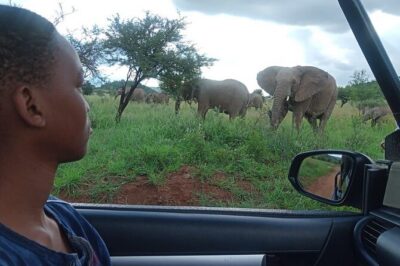
Tarangire is best known for its elephants. You might see individual elephants, family groups, or larger herds moving through the park. The park’s baobabs add a memorable shape to the scenery, with broad trunks and unusual branches framing the wildlife. These trees help give Tarangire a look that feels different from the more open plains associated with other northern Tanzanian parks.
The Tarangire River is especially important during the dry season. As water becomes harder to find elsewhere, animals move toward the river to drink. That can bring wildebeest, zebra, buffalo, and other species into the same general area. Predators such as lions, leopards, and hyenas may follow the herds.
Of course, wildlife is never guaranteed. The appeal of a safari is partly the search. You may see a dramatic predator encounter, or you may spend time watching elephants feed beneath baobabs. Both are genuine Tarangire experiences, and your guide’s judgment matters when deciding how long to stay in one place.
The park also has a reputation for tree-climbing lions. That does not mean you should expect to see a lion in a tree on every visit, but it adds a special possibility to the day. The same applies to leopards, which are harder to find than elephants or zebra.
I like the fact that Tarangire gets a full day rather than being treated as a quick stop on the way to somewhere else. You have time to see more than one part of the park, although the actual route will depend on park conditions, wildlife movement, and the guide’s decisions.
What eight hours in Tarangire feels like
An eight-hour game drive can be thrilling, but it is also a long stretch in a safari vehicle. You should be ready for heat, dust, changing road conditions, and long periods when the vehicle is moving between sightings.
The advantage of a small group is that the guide can give more attention to each person. With a maximum of seven people, you have a better chance of asking questions, sharing viewing space, and getting a clear explanation of what you are seeing. It is still important to be considerate in the vehicle, since everyone needs a good view.
The schedule includes lunch, and the package lists two lunches in total. It also includes dinner and two breakfasts, which indicates that food is covered across the overnight portion of the trip. You should still confirm the exact meal arrangements and accommodation details before departure, since the information provided does not name the lodge or describe its room standards.
That missing accommodation detail is worth noting. The trip includes an overnight stay, but it is not presented as a luxury safari. The listing specifically excludes luxury, so you should book this for its parks, guide, meals, and transport rather than for high-end lodging.
The overnight portion: practical rather than polished
The overnight stop breaks up what would otherwise be a very long return journey. It also allows you to reach Ngorongoro early on the second day instead of trying to combine both parks in one exhausting outing from Arusha.
The accommodation is included, but no property name or room description is supplied. I would ask about the lodge category, sleeping arrangements, and meal times if those details will affect your decision. This is particularly important if you have specific expectations about private rooms, hot water, or comfort.
At $440 per person, the value depends on what you want from a safari. You are paying for a compact package that includes park transportation, an overnight stay, meals, parking fees, and a guide. The small group also adds value because you are not simply buying a seat on a large vehicle.
You are not paying for a luxury camp, a private vehicle, or a long multi-park expedition. If you compare this with a high-end safari, it will look basic. If you compare it with arranging transport, park access, meals, and lodging separately, the package offers useful simplicity.
The trip is often booked around 20 days ahead, so I would not leave it until the last minute if your Arusha dates are fixed. That is especially true if you want to keep the small-group format.
More National Park Safaris in Tanzania
- 3 Days Small Group Safari to Serengeti NP and Ngorongoro Crater Tour in Tanzania
★ 5.0 · 77 reviews - 5 Day Silver Serengeti & Ngorongoro Crater & Tarangire Safari
★ 5.0 · 46 reviews - 6 days 5 nights safari Ngorongoro, Serengeti and Tarangire National Parks
★ 5.0 · 39 reviews - 4 Days lodge safari Tarangire , Ngorongoro crater & Walking
★ 5.0 · 39 reviews
Day two: entering the Ngorongoro Conservation Area
The second day takes you to the Ngorongoro Conservation Area, one of the most memorable wildlife settings in northern Tanzania. The itinerary allows around seven hours in the area, including time for a picnic lunch near a hippo pool.
The crater’s appeal is its concentration of wildlife. The enclosed caldera creates a setting where you may spot cape buffalo, rhinoceros, hippopotamus, and other animals across the open plains. The scenery is greener than Tarangire’s dry-season areas, which gives the day a different mood.
Ngorongoro is not simply Tarangire repeated. You leave behind the baobab country and river-centered wildlife pattern for a broad volcanic basin. The crater floor can feel like a natural wildlife bowl, with animals visible across the open ground and the surrounding crater walls rising around it.
The chance to see rhinoceros is one of the major draws. Sightings are never promised, but the crater is known for its range of large animals. Cape buffalo can also be impressive at close range, and the hippo pool provides one of the day’s clearest fixed points.
The picnic lunch near the hippo pool is a memorable idea, but it also deserves a little caution. Hippopotamuses may look slow and harmless, but they are powerful wild animals. Follow your guide’s instructions, stay within the designated area, and do not treat the picnic as an opportunity to wander closer for a better photograph.
A picnic near wildlife also means accepting basic conditions. You are eating outdoors, not in a restaurant with a quiet dining room and table service. For many people, that is part of the fun. If you prefer comfort and privacy at mealtimes, this style of safari may feel rustic.
The seven-hour crater visit and its limits
Seven hours in the Ngorongoro Conservation Area gives you a solid wildlife session, but it is not unlimited. You will need to follow the day’s timing, and the return to Arusha means the final part of the experience includes another road journey.
I like the pairing because Tarangire and Ngorongoro reward different kinds of attention. At Tarangire, I would focus on elephants, baobabs, seasonal water, and the possibility of predators near herds. At Ngorongoro, I would keep watch for large mammals across the crater floor and take time to appreciate the setting itself.
The main issue is that the itinerary leaves little room for unexpected delays. Wildlife sightings can hold up a vehicle, roads can slow the journey, and park visits rarely run like a train timetable. If you need to be back in Arusha at a precise hour, ask for a realistic return estimate before booking.
Still, the compact schedule has a clear benefit. You do not need to arrange separate transfers, find a second park operator, or work out where to sleep between visits. The tour brings the two main parts together in one booking.
What is included, and what you should confirm
The package includes:
- Dinner
- Two lunches
- Two breakfasts
- Parking fees
- Overnight accommodation
- Round-trip transport connected with the safari
- A guide and small-group arrangement
The exact accommodation is not identified, and luxury is specifically not included. I would also confirm the pickup charge if you want to leave from your hotel instead of meeting at Masailand Safari & Lodge.
The mobile ticket is useful for keeping the booking accessible on your phone. Confirmation is provided at booking, and most people can participate. No special physical requirements are stated, but you should be prepared for long drives and extended time in a safari vehicle.
The tour ends back at the meeting point in Arusha. That makes it easy to plan a later night in the city, but I would avoid scheduling an important flight or fixed appointment immediately afterward. A safari day can run late for reasons outside anyone’s control.
Who should book this safari
I would recommend this trip if you want:
- A first taste of safari from Arusha
- Two major wildlife areas in only two days
- An organized package with meals and accommodation
- A small group capped at seven people
- A chance to see elephants, baobabs, predators, hippos, buffalo, and possibly rhinoceros
- A practical alternative to a longer and more costly safari
I would look elsewhere if you want a private vehicle, luxury lodging, a relaxed pace, or several days in the Serengeti. You may also prefer a longer itinerary if wildlife photography is your main goal, since more time gives you more chances to wait for the right sighting.
The 4.8 rating from 16 ratings and the 100 percent recommendation figure suggest strong satisfaction overall. One account describes the safari as a good first introduction, while also pointing out the extra hotel pickup charge. That combination sums up the trip well: it is approachable and useful, but you should read the practical details closely.
Should you book the Tarangire and Ngorongoro safari?
Book it if you want two very different parks in a short, organized trip and you value convenience over luxury. The strongest reasons are the elephant viewing in Tarangire, the concentrated wildlife of Ngorongoro, included meals and accommodation, and the small group size.
Before paying, confirm the hotel pickup price, the overnight lodge, meal arrangements, and expected return time to Arusha. If those details suit you, $440 per person is a fair price for a tightly planned two-day safari with transport, guiding, park access costs, food, and an overnight stay.
FAQ
Where does the safari start?
The safari starts at Masailand Safari & Lodge, MJ7W+X3, Arusha 1531, Tanzania.
Where does the safari end?
The activity ends back at the starting meeting point in Arusha.
How long is the safari?
The safari lasts approximately two days.
What parks and protected areas are included?
The trip includes Tarangire National Park on the first day and the Ngorongoro Conservation Area on the second day.
Is accommodation included?
Yes. Overnight accommodation is included, although the accommodation type and property name are not specified.
Are meals included?
Yes. The package lists dinner, two lunches, and two breakfasts.
How many people can join the tour?
The tour has a maximum group size of seven people.
More 2-Day Experiences in Arusha
- 2 Days Tarangire and Ngorongoro Group Camping Safari
★ 5.0 · 146 reviews - 2 Days Group Joining Camping Safari Tarangire Park and Ngorongoro Crater
★ 4.5 · 28 reviews - 2 days Mid Range Safari in Ngorongoro and Tarangire Big 5 Parks
★ 5.0 · 27 reviews - 7 Day Kilimanjaro Climb Lemosho Route & 2 Day Safari
★ 5.0 · 16 reviews
Newest safaris around Arusha
- Serengeti & Ngorongoro fly in safari★ 5.0 · 76 reviews
- 7 days great migration safari★ 5.0 · 77 reviews
- 5 days safari, hiking & culture (Serengeti & kilimanjaro)★ 5.0 · 27 reviews
- 6 days Tanzania budget safari★ 5.0 · 65 reviews
- 3 Days Tanzania Budget Group Joining Safari Tour★ 5.0 · 16 reviews
- Amazing 4 Days Tanzania Budget Camping Group Joining Safari★ 5.0 · 15 reviews
- 4 days safari★ 5.0 · 34 reviews
- 2 Day Budget Safari in Tarangire and Ngorongoro From Arusha★ 5.0 · 10 reviews
National Park Safaris, compared.
Udawalawe National Park | Private Safari Tour
Read our review →
Addo Elephant National Park All Inclusive Full-Day Safari
Read our review →
Yala National Park Safari Tours: Morning/Evening/Full Day
Read our review →
Full Day Ultimate Pilanesberg National Park Safari from Johannesburg or Pretoria
Read our review →Browse the lists this tour appears in