
Review · ARUSHA, TANZANIA
4 Days Wildlife Safari and Cultural Experience in Tanzania
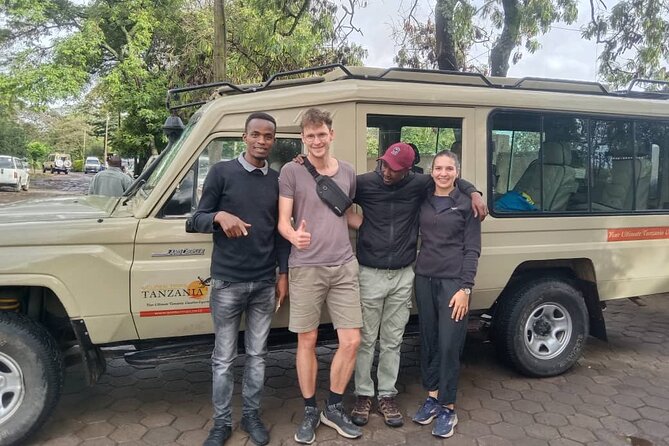
Wildlife arrives quickly here. This four-day Tanzania safari packs Tarangire, Lake Manyara, Ngorongoro Crater, and Lake Eyasi into a busy route from Arusha, with a private vehicle, driver-guide, and cook handling the practical work. I like the strong mix of animals and culture, especially the chance to meet Hadzabe hunters if conditions allow. I also like that park fees, meals, water, camping gear, and an English-speaking guide are included.
The main catch is the pace. You spend about 10 hours on the road or in the parks on the first three days, and the accommodation is basic public camping rather than a private lodge room. The Lake Eyasi visit with the Hadzabe is also not guaranteed, so you should book this for variety and value, not for a slow, polished safari retreat.
Key points at a glance
- Tarangire is your elephant day: Herds can reach around 300 animals, with buffalo, lion, zebra, wildebeest, gazelle, and many birds around the park’s water sources.
- Lake Manyara brings variety: Tree-climbing lions are the famous draw, but elephant, hippo, giraffe, buffalo, flamingos, and other birdlife add plenty to the afternoon.
- Ngorongoro delivers the big wildlife setting: The enormous volcanic caldera supports more than 25,000 large mammals, including a chance at black rhino.
- Lake Eyasi adds cultural depth: A visit with the Hadzabe may include a hunt, though the tribe’s mobile way of life means it cannot be promised.
- Camping keeps the price reasonable: The $1,231 cost includes park fees, meals, water, tents, sleeping mats, chairs, tables, and a safari chef.
- The strongest praise goes to the guides: Gasper, Dan, Ombeni, Joseph, Manaki, Samwel, and others are praised for safe driving, animal knowledge, patience, and effort.
Four parks and communities in four busy days
At $1,231 per person, this safari is priced as a practical way to see northern Tanzania without arranging each park, meal, campsite, and transfer yourself. You get a professional English-speaking guide, a chef, park fees, mineral water, three breakfasts, four lunches, and three dinners.
I see the value most clearly in the park fees. Those costs can add up quickly on a northern Tanzania safari, so having them included makes the total easier to understand. You also avoid the work of finding a vehicle, hiring a guide, buying camping equipment, and planning meals.
The trade-off is time. Tarangire, Lake Manyara, and Ngorongoro are each important destinations, but this trip gives you only a short visit to each. The first three days are listed at about 10 hours, while the final Lake Eyasi day is about eight hours. You will see a lot, but you will not have much spare time for long rests.
The experience is described as a private activity for your group, with a vehicle, driver-guide, and chef. At the same time, the tour information refers to people traveling together in vehicles, so I would confirm the exact vehicle arrangement before paying if privacy matters to you.
More Wildlife Safaris in Arusha
- Big Five Luxury Safari in Tanzania
★ 5.0 · 68 reviews - 6 Day Tanzania Wildlife Mid range Safari
★ 5.0 · 54 reviews - 7-Day Midrange Tanzania Safari Adventures (Big 5)
★ 5.0 · 43 reviews
Day 1: Tarangire’s elephants and baobab country
Your pickup begins in Arusha, with an early departure for Tarangire National Park. The schedule aims to reach a picnic site around midday, followed by lunch and an afternoon game drive.
Tarangire is often called the Elephant Playground, and that nickname gives you a good idea of the day’s main attraction. Herds of up to 300 elephants may gather here. That does not mean you are guaranteed to see a herd of that size, but Tarangire is a strong place to begin if elephants are high on your wish list.
The park also gives you a good first look at classic East African wildlife. You might find buffalo, lion, wildebeest, zebra, and gazelle, along with smaller animals that can be easy to miss when everyone is watching the larger mammals.
Water helps explain the animal activity. Lake Burungi and nearby marshy areas attract mammals and birds, creating useful viewing points during the dry season. Keep an eye out for giant kingfishers, hoopoes, and the white-bellied go-away bird, whose name is almost as memorable as its appearance.
I like this opening day because it gives you a full afternoon in a park with a clear identity. The drawback is the long day. You leave early, drive from Arusha, stop for lunch, and continue with game viewing, so you should expect a tiring start rather than a gentle introduction.
Day 2: Lake Manyara’s compact wildlife show
After breakfast at the campsite, you collect a picnic lunch and head to Lake Manyara National Park. The day is again planned at about 10 hours, with an afternoon game drive and a return to camp for dinner.
Lake Manyara is best known for tree-climbing lions. They are not guaranteed, but the park’s appeal does not depend on seeing them. You might also see elephants, hippos, wildebeest, buffalo, and giraffes in a relatively concentrated setting.
Birdlife adds color to this stop. The park has more than 400 recorded bird species, and flamingos may provide the most obvious flash of pink around the lake. The exact bird sightings depend on conditions, but this is a useful stop for anyone who wants more than a large-mammal checklist.
Compared with Tarangire, Manyara gives the trip a different feel. You are not simply repeating the same game drive. The lake, forest, wildlife, and birdlife create a change of pace, even though the driving schedule remains full.
The practical point is to bring patience. Tree-climbing lions can be difficult to spot, and wildlife does not follow a timetable. Your guide’s ability to explain sightings and choose where to pause matters here. Some people praised guides such as Dan, Ombeni, and Joseph for their animal knowledge and care, while a few found that guides could offer more active explanation. If natural interpretation is important to you, ask for a guide who enjoys talking through what you see.
Day 3: Ngorongoro Crater and the big wildlife setting
The third day begins early with a game drive in the Ngorongoro Conservation Area. This is the emotional centerpiece of the trip for many people, and the early start is worth it for the crater views and wildlife opportunities.
Ngorongoro Crater is the world’s largest volcanic caldera. Its floor includes grassland, forest, and swamp, with permanent water supporting more than 25,000 large mammals. That combination gives you one of the best chances on this route to see several major species in one place.
Possible sightings include elephant, lion, leopard, hyena, jackal, hippo, waterbuck, and baboons. The rare black rhino also finds shelter here, though no safari can promise a sighting. The crater’s enclosed setting can make wildlife viewing feel especially rewarding, but animal movements still depend on the day and the season.
The conservation area also has an important human story. Maasai communities graze cattle here, and the area has been a separate conservation area since 1956. It became a UNESCO World Heritage Site in 1978. That coexistence is part of what makes Ngorongoro more than a wildlife stop. You are seeing a place where conservation and pastoral life share the same broad space.
This is another long day, and the timing matters. An early game drive may give you better conditions for wildlife viewing, but it also means several demanding days in a row. If you prefer unhurried mornings and long time at one camp, this four-day route may feel compressed.
More Wildlife Safaris in Tanzania
- 5 Days 4 Nights Tarangire, Serengeti , Ngorongoro & Manyara Wildlife Safari
★ 5.0 · 40 reviews - Big Five Classic Safari in Tanzania **Sustainable Travel approach
★ 5.0 · 31 reviews - 2 days Mid Range Safari in Ngorongoro and Tarangire Big 5 Parks
★ 5.0 · 27 reviews - Big Five Luxury 7 Days Safari Tour in Arusha
★ 5.0 · 20 reviews
Day 4: Lake Eyasi and the Hadzabe encounter
The final day shifts away from the national parks and toward cultural experience at Lake Eyasi. You can spend the morning and afternoon with your guide, with possible activities involving the Hadzabe people.
The Hadzabe are described as one of the last hunter-gatherer communities in the region. If a visit can be arranged, joining a hunt can offer a rare look at a way of life very different from a standard safari. The experience is not presented as a staged performance, which is part of its appeal.
It is also the least predictable part of the program. The Hadzabe are nomadic, so the visit cannot be guaranteed. Your guide will try to arrange it, but you should treat it as a possibility rather than a promised feature.
Walks may cover five to eight kilometers, and the pace can become quick. If the group finds sizeable game, the hunters may move too fast for you to keep up. In that case, the guide will return you to camp. Wear practical walking shoes, and be ready for a more active day than the park drives.
I like the honesty of this arrangement. Cultural contact works better when it respects the fact that a community does not exist on a fixed tourist schedule. Still, you should be comfortable with uncertainty. If meeting the Hadzabe is your main reason for booking, this tour cannot guarantee the result.
What camping is really like on the basic option
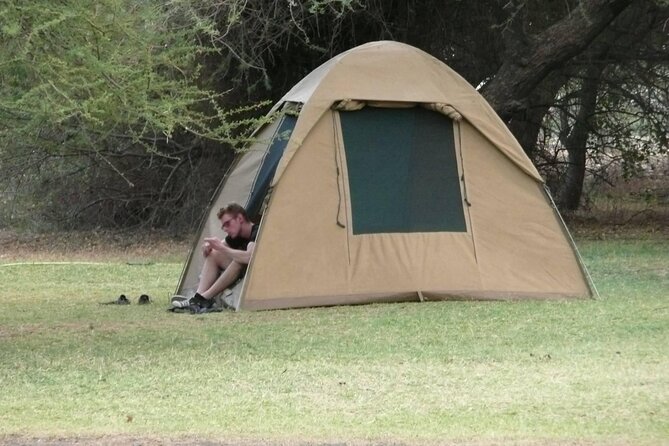
The accommodation is in the basic category, using public campsites in Tarangire and Ngorongoro. Camping equipment is provided, including tents, sleeping mats, chairs, and tables. A chef prepares the included meals, which is a major help after long game drives.
The description also refers to lodge-style facilities at the camps, including free Wi-Fi, a swimming pool, a restaurant, clean toilets, bathrooms, and dining rooms. Because campsite standards and exact facilities can vary, I would confirm which services are available at each overnight stop.
A sleeping bag is not included. You can rent one for $15, or bring your own if that suits your luggage and comfort needs. Alcoholic and soft drinks are also extra, while mineral water is included.
This setup suits you if you care more about time in the parks than private rooms. It is less suitable if you expect air conditioning, room service, or a quiet lodge every night. Camping also adds a social side to the trip, with meals and evenings organized around the shared safari routine.
The guide can shape the whole safari
The company has received especially strong praise for its guides and drivers. Gasper is praised for taking care of guests and working hard to create strong wildlife opportunities. Dan receives repeated praise for safe driving, organization, patience, and his ability to allow time for photos and animal watching.
Ombeni is described as friendly, helpful, and well informed about animals. Joseph is praised for teaching about wildlife, scenery, and Tanzanian culture. Manaki, Samwel, Emanuele, and Deo are also named positively in connection with longer safaris.
Do not assume you will receive a particular guide, since the assigned person is not specified. But the pattern is useful: guide quality appears to be one of the company’s strongest assets. At the same time, a few comments point to a need for more active explanations. If you want constant interpretation rather than quiet observation, say so at the start.
Safe driving matters just as much as animal knowledge. You spend long hours on the road, and praise for careful driving is worth noting. A guide who knows when to stop, how long to wait, and how to position the vehicle can make a real difference to your photographs and your sense of calm.
What the $1,231 price includes, and what it does not
The price covers a substantial portion of the trip:
- Professional English-speaking guide
- Camping equipment, excluding sleeping bags
- Mineral water
- National park fees
- Four lunches
- Three dinners
- Three breakfasts
You still need to budget for flights, visa fees, travel insurance, drinks, tips, souvenirs, and personal purchases. Airport pickup and drop-off are separate at $50 per car for each service.
The included chef and meals add real value. You do not need to search for food after a long game drive, and dietary requirements such as gluten-free, vegan, and vegetarian meals can be accommodated. Give those requirements when booking rather than waiting until departure.
The cancellation rule is simple but firm. You receive a full refund if you cancel at least three full days before the local start time. Cancellations or changes within three days are not refunded or accepted.
Who should book this four-day route?
I would recommend it to a first-time safari visitor who wants several famous northern Tanzania stops in a short period. It also suits couples, families, and small private groups that want a guide and cook without paying for an upscale lodge circuit.
The route is a good match for you if:
- You want elephants, lions, birds, and crater scenery in one trip.
- You are comfortable with public camping.
- You can manage long days and early starts.
- You like adding a cultural visit to wildlife viewing.
- You value a guide who drives carefully and adapts to conditions.
- You want park fees and meals bundled into one price.
I would look elsewhere if you need a guaranteed Hadzabe visit, a guaranteed Big Five experience, or a relaxed schedule with several nights in comfortable lodges. The route offers strong possibilities, not fixed wildlife results.
Should you book this Tanzania safari?
This is a strong value safari for a short four-day window. I like the range: elephant country in Tarangire, birdlife and possible tree-climbing lions at Manyara, a major wildlife setting at Ngorongoro, and a very different human encounter around Lake Eyasi.
Book it if you want variety, practical planning, and a real camping safari at a moderate price. Before you confirm, ask about the exact campsite facilities, vehicle arrangement, assigned guide, sleeping bag plan, and how the Lake Eyasi visit will be handled. With those details clear, Golden Trips Tanzania offers a sensible route for seeing a great deal of northern Tanzania in a compact trip.
FAQ
Where does the safari start and end?
The safari starts at the meeting point in Arusha, Tanzania, and ends back at the same meeting point.
Is airport pickup included?
No. Airport pickup can be arranged for $50 per car, and airport drop-off is also available for $50 per car.
Is a sleeping bag included?
No. Camping equipment is included, but a sleeping bag must be rented for $15 or supplied by you.
Are meals included?
Yes. The package includes three breakfasts, four lunches, and three dinners. Mineral water is also included.
Can dietary requirements be accommodated?
Yes. Gluten-free, vegan, and vegetarian dietary requirements can be accommodated.
Is a visit with the Hadzabe guaranteed?
No. Because the Hadzabe have a nomadic way of life, the visit cannot be guaranteed. The guide will try to arrange it when possible.
More 4-Day Experiences in Arusha
- 4 Days Group Camping Safari
★ 5.0 · 1,101 reviews - 4-Day Safari from Arusha: Tarangire, Serengeti and Ngorongoro
★ 5.0 · 173 reviews - 4 Days safari Tour Tanzania
★ 5.0 · 159 reviews - 4 Days Tarangire, Serengeti and Ngorongoro Mid-Range Group Safari
★ 5.0 · 84 reviews
Newest safaris around Arusha
- Serengeti & Ngorongoro fly in safari★ 5.0 · 76 reviews
- 7 days great migration safari★ 5.0 · 77 reviews
- 5 days safari, hiking & culture (Serengeti & kilimanjaro)★ 5.0 · 27 reviews
- 6 days Tanzania budget safari★ 5.0 · 65 reviews
- 3 Days Tanzania Budget Group Joining Safari Tour★ 5.0 · 16 reviews
- Amazing 4 Days Tanzania Budget Camping Group Joining Safari★ 5.0 · 15 reviews
- 4 days safari★ 5.0 · 34 reviews
- 2 Day Budget Safari in Tarangire and Ngorongoro From Arusha★ 5.0 · 10 reviews
Big Five & Wildlife Safaris, compared.
Sunrise Desert Jeep Safari with Wildlife Experience
Read our review →
Addo Elephant National Park All Inclusive Full-Day Safari
Read our review →
Big Five Game Reserve Wildlife Safari from Cape Town
Read our review →
Big Five Safari and Breede River Valley Guided Day Trip
Read our review →

Browse the lists this tour appears in