
Review · WINDHOEK, NAMIBIA
6 Day Sand, Sea & Etosha Budget Camping Safari
Namibia packs huge scenery into six busy days. I like the sunrise at Dune 45 and the long Etosha game drives, where waterholes bring wildlife close. I also like the small group limit of nine and the practical setup, with camping gear, park fees, meals, and pickup included. The main drawback is the pace: several days involve six to eight hours on the road, and you must bring or hire a sleeping bag.
This is a good-value route for someone who wants Namibia’s major sights without paying for a private safari. Guide Raymond received especially warm praise for helping a first-time camper feel at ease, while the tour’s 4.9 rating from 36 reviews and 97 percent recommendation suggest strong consistency. Just remember that drinks, mineral water, optional activities, and tips cost extra, and the booking cannot be refunded or changed.
Key points to know before booking
- Sunrise at Dune 45: You leave before dawn to see Namibia’s famous red dunes in the best light.
- Three very different settings: The route moves from the Namib Desert to Swakopmund’s Atlantic coast, then into Etosha National Park.
- Small-group travel: The vehicle carries no more than nine people, which makes long drives more manageable.
- Camping is part of the value: Equipment is provided, but a sleeping bag is not included and can be hired.
- Four long driving days: Expect road time of roughly six to eight hours, with scenic stops along the way.
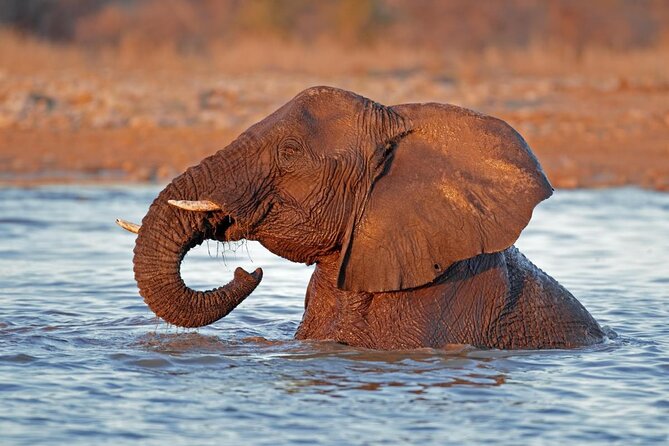
- Etosha waterholes: Much of the game viewing comes from waiting near natural and man-made water sources.
Why this six-day route works
At $1,355.66 per person, this safari is not bare-bones travel. Your price covers camping equipment, national park fees, game drives in a Chameleon Safaris vehicle, the Sossusvlei excursion, tap water, six lunches, four dinners, and five breakfasts.
That bundle matters in Namibia, where distances are vast and park entry costs can add up. You are also paying for a guide, vehicle, campsite arrangements, and a route that links three of the country’s best-known areas. For six days, the value is solid, especially if you do not want to arrange transport, permits, meals, and desert access yourself.
The tradeoff is comfort and free time. This is a fixed route, not a leisurely stay in each place. You will spend long stretches on the road, and camping requires some participation. The information provided says you need a moderate level of physical fitness, so you should be comfortable with early starts, packing up camp, and being outdoors for much of the day.
The group limit of nine is one of the strongest practical features. Namibia’s roads can make a large coach feel impersonal, while a small vehicle gives you a better chance to hear your guide and see the scenery without a crowd around you.
More Overnight Safaris in the world:
- Dubai: Overnight Safari, Dinner, Stargazing & Al Khayma Camp
★ 4.8 · 2,562 reviews - Dubai Overnight Desert Safari, BBQ & Stargazing at Al Khayma Camp
★ 5.0 · 2,327 reviews - 4 Days Group Camping Safari
★ 5.0 · 1,101 reviews
Day 1: Windhoek to Sesriem through the central plateau
Pickup begins at 7:00 a.m. from accommodation within Windhoek city limits. You then go to Chameleon headquarters for a short pre-departure meeting before leaving the capital.
The first part of the drive crosses Namibia’s central plateau. Mountain views make the road time more interesting, and the stop in Rehoboth gives you a chance to collect essential supplies. The route continues through the small community of BűellsPort before reaching Sesriem around lunchtime.
Your campsite is set beneath a large old camelthorn tree, with views toward the red dunes of the Namib Desert. After setting up, lunch is served in a picnic style, followed by a visit to Sesriem Canyon. The first day covers about six hours of activity and driving, so do not expect a relaxed afternoon with nothing planned.
I like this opening because it eases you into the trip. You see rural Namibia before reaching the desert, and the campsite location gives you an immediate sense of place. The drawback is that you need to be ready early and stay organized from the start. A soft bag is easier to manage than a large hard suitcase when camping gear and personal luggage share limited space.
Day 2: Sossusvlei and the best light at Dune 45
The second day starts before dawn. That early alarm is not a minor detail. The main reason is the light, which turns the dunes orange, apricot, and red while the opposite sides remain in shadow.
The first stop is Dune 45, named for its location 45 kilometers from Sesriem. You climb to a viewpoint for sunrise, then return to the vehicle for a quick breakfast before continuing toward Sossusvlei.
This timing is the right choice. The dunes are striking at any hour, but sunrise gives you sharper contrast and cooler temperatures for the climb. The morning also avoids the strongest heat of the day, though you should still expect a physical walk on soft sand.
The excursion continues to Sossusvlei and Deadvlei, where the stark desert setting creates some of Namibia’s most memorable views. The provided schedule allows about six hours for the day’s main stop, including the drive into the dune area and time to explore.
After lunch, the route heads back toward camp. The afternoon includes another look at the desert and a walk into Sesriem Canyon, a natural cut through the rock near the park entrance. Dinner and another night at the campsite follow.
This is the most visually concentrated part of the safari. If photography matters to you, the pre-dawn start is worth the lost sleep. If you dislike early mornings or walking on sand, this day will feel demanding, but skipping the sunrise would miss one of the route’s central pleasures.
Day 3: From the Namib Desert to Swakopmund
After an early breakfast, you travel west toward Swakopmund. The change is dramatic. The red dunes give way to broad gravel plains, isolated mountain inselbergs, and dry river corridors.
The vehicle crosses the Tropic of Capricorn, where a roadside sign provides an easy photo stop. You also pass through the Gaub River area and the Kuiseb Pass before continuing toward the Atlantic coast.
The road through this part of Namibia is a major part of the experience, not simply transport between attractions. The land can look empty at first, but the changing rock, mountains, and river channels give the drive a strong sense of distance and scale.
Swakopmund is described as Namibia’s adventure capital and serves as the coastal base for two nights. The town offers a useful change of rhythm after desert camping. You have accommodation rather than a tent, plus access to optional activities at your own expense.
The tour information does not specify which optional activities are included, and none are included in the price. That gives you flexibility, but you should budget separately if you want to add activities during your stay. The supplied details also do not list a precise schedule for your free time, so ask the operator what is planned and what remains open before departure.
Day 3 involves about six hours of travel. The long drive is balanced by unusual scenery and several roadside points of interest, but it is still a road day. Bring water that you have purchased or packed, snacks if you want them, and something useful for passing time between stops.
A few more safaris around the world worth a look
- Cape Town: Garden Route and Addo Elephant Park 6-Day Safari
★ 4.7 · 175 reviews - 6 Days Private Budget Safari
★ 5.0 · 163 reviews - 6 Days Tanzania Budget Camping Safari
★ 5.0 · 145 reviews - 6-Day Dunes and Wildlife Accommodated Safari from Windhoek
★ 5.0 · 123 reviews
Two nights in Swakopmund and a welcome change of pace
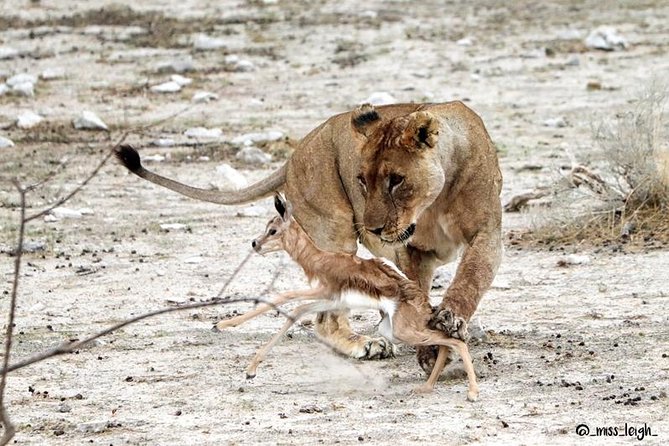
The route gives you two nights in accommodation in Swakopmund, which is valuable after the first desert campsite and before Etosha. This is the one part of the trip with a little more breathing room.
Swakopmund’s position on the Skeleton Coast gives the safari a different character. Instead of dunes viewed from inside the desert, you get coastal scenery, cooler air, and a town base for optional adventures. The information provided does not specify the accommodation category, so I would not book this expecting a luxury hotel.
The practical value is simple: you can reset your luggage, sleep indoors, and prepare for the wildlife section of the route. Since optional activities are not included, this is also the point where the total cost can rise beyond the advertised price.
Day 4: Entering Etosha National Park
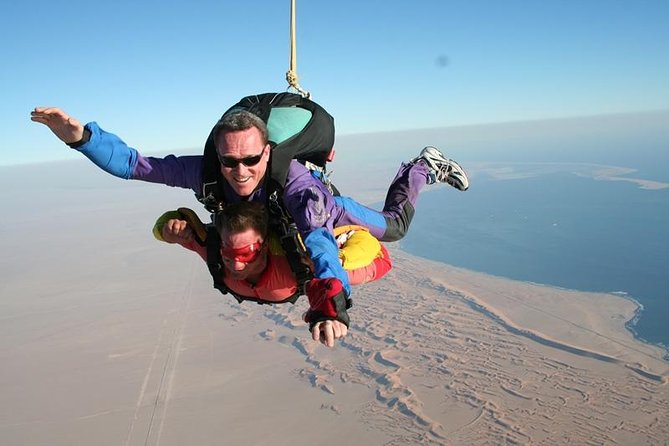
After breakfast, you aim to leave around 9:00 a.m. The route to Etosha uses paved roads and takes you toward Okaukuejo, one of the park’s main camps.
You arrive in the afternoon and begin your first game drive while setting up camp inside the park. The day includes about seven hours, so the drive and camp arrival occupy much of your schedule. Still, reaching Etosha by afternoon gives you a first chance to look for animals before settling in.
The evening focus is Okaukuejo’s waterhole. Etosha is a dry park, and water controls animal movement. The waterhole therefore offers a practical way to see wildlife without spending every minute driving around in search of it.
This is an important difference between an Etosha safari and a general wildlife tour. You are not guaranteed a particular animal, and sightings depend on timing and luck. But the waterhole gives you a fixed place where animals may come to you, which can be especially rewarding after a long day on the road.
Day 5: A full Etosha game-drive day
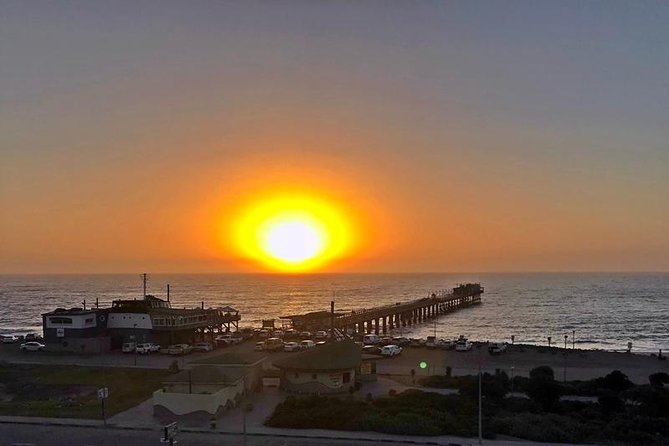
Day 5 is the main wildlife day. After an early start, you visit as many waterholes as possible, watching for animals arriving for a drink.
The morning includes a quick breakfast at a designated picnic area before you continue toward Halali camp. Halali’s name comes from a European hunting bugle call that signaled the end of a hunt, but today the focus is wildlife viewing rather than hunting.
The route through Etosha is about seven hours. That sounds long, but game drives naturally move at a slower pace, with stops for animals, waterholes, and changing conditions. You should be prepared for periods of patient watching as well as stretches of steady driving.
I like the waterhole strategy because it fits Etosha’s dry conditions. You learn to watch behavior rather than simply ticking animals off a list. An animal may appear suddenly, or nothing may happen for a while. That uncertainty is part of the real safari experience.
The supplied details do not promise specific sightings, and you should treat any animal encounter as a bonus rather than a guarantee. The strongest reason to choose this trip is access to Etosha and repeated chances to look for wildlife, not a promise of a particular big cat or herd.
You spend a second night camping in Etosha. That arrangement gives you more time in the park than a quick drive-through visit and lets you experience the difference between the afternoon and early morning periods.
Day 6: Etosha to Windhoek via local crafts
After breaking camp, you drive south toward Windhoek. There is a brief fuel stop in Otjiwarongo, followed by a stop in Okahandja.
Okahandja is known for Namibia’s largest wood-carving market. Craftspeople from across the country bring items in a wide range of sizes, giving you a chance to buy a locally made souvenir while supporting artists and communities.
This is a better final stop than a generic roadside shop. You can choose something connected to Namibia, though you should be sensible about what fits in your luggage. Large carvings may be tempting, but small pieces are much easier to carry home.
The final drive takes about eight hours, with arrival in Windhoek expected in the late afternoon. A shuttle then takes you to accommodation within Windhoek city limits.
This is a long finish. If you have an evening flight, do not assume the timing will work. The tour gives an expected late-afternoon return, not a guaranteed arrival time, so leave room for road delays and the final shuttle.
Camping, meals, and what you need to bring
Camping equipment is included except for a sleeping bag. You can hire one, which is useful if you are flying in and do not want to pack bulky bedding. The trip includes camping at Sesriem and for two nights in Etosha, while Swakopmund provides indoor accommodation for two nights.
One of the most useful details comes from a first-time camper who found the setup less intimidating than expected. Raymond, the guide, reportedly showed the group how to put up the tents and helped make the process comfortable. That matters if you have never camped before.
The meal plan includes:
- Six lunches
- Four dinners
- Five breakfasts
- Tap water
Drinks and water, including mineral water, are not included. Plan for that extra expense. You should also budget for tips and optional activities.
The food arrangement is designed for a moving safari rather than restaurant dining. Picnic-style meals and quick breakfasts help the group keep to the schedule. If you have dietary needs, the supplied information does not explain how they are handled, so ask before booking.
How the price compares with the experience
The $1,355.66 price buys more than transportation. It includes park access, camping gear, game drives, the Sossusvlei excursion, accommodation in Swakopmund, and most meals.
For someone starting and ending in Windhoek, the route covers a lot of ground without requiring you to rent a vehicle or organize desert permits. The small group size is another reason the price feels reasonable. You get a structured route with a guide and a defined support system.
It is less suitable if you want complete control over your schedule, private rooms every night, or slow mornings. The value comes from seeing major highlights efficiently, not from luxury or long periods of free time.
The 4.9 rating from 36 reviews and 97 percent recommendation are encouraging, and the strongest praise centers on organization and guide support. Raymond’s help with first-time camping is particularly useful evidence for anyone nervous about sleeping outdoors.
Who should book this safari?
I would recommend it to you if you want:
- A first taste of Namibia without arranging every transfer
- A small-group trip with no more than nine people
- A balance of desert scenery, coastal time, and wildlife
- Two nights in Etosha rather than a brief park visit
- A budget-conscious safari with many meals and park costs included
- A guided introduction to camping
I would think twice if you need a soft bed every night, dislike pre-dawn starts, or find long drives tiring. The route is active, and the six days are tightly used.
You should also be comfortable with the possibility that wildlife sightings vary. Etosha offers good opportunities around waterholes, but nature does not follow a schedule.
Should you book the six-day Namibia safari?
Book this tour if your priority is seeing Sossusvlei, Swakopmund, and Etosha in one organized trip at a controlled price. The route is practical, the small group is a real advantage, and the mix of camping and indoor accommodation keeps the experience adventurous without making every night rough.
I would choose it especially for a first Namibia visit or a first camping safari. Bring a sleeping bag or arrange the hire, allow extra money for drinks and optional activities, and expect long road days. If those conditions suit you, this is a strong introduction to Namibia’s desert, coast, and wildlife.
FAQ
Where does the safari start?
Pickup is available from accommodation within Windhoek city limits, starting at 7:00 a.m. You then go to Chameleon headquarters for a short pre-departure meeting.
Where does the safari finish?
The tour returns to Windhoek in the late afternoon on Day 6. A shuttle service takes you to accommodation within Windhoek city limits.
How long is the tour?
The experience lasts approximately six days.
What is the maximum group size?
The tour has a maximum of nine travelers.
Is camping equipment included?
Camping equipment is included, but a sleeping bag is not. A sleeping bag can be hired.
Are national park fees included?
Yes. National park entry fees and park fees are included.
Are meals included?
Yes. The package includes six lunches, four dinners, and five breakfasts.
Is drinking water included?
Tap water is included. Drinks and water, including mineral water, are not included.
Are optional activities included?
No. Optional activities are not included in the tour price.
What level of fitness is needed?
A moderate level of physical fitness is recommended. The tour includes early starts, camping, dune walking, and several long driving days.
Newest safaris around the world
- Desert Safari in 4×4 Car with BBQ Dinner and Belly Dance★ 5.0 · 62 reviews
- Dubai Desert Safari: Quad Bike, Camel Ride and BBQ Dinner★ 5.0 · 29 reviews
- Desert Safari and Quad Bike Experience in Dubai with Dinner★ 4.5 · 44 reviews
- Dubai Evening Desert Safari with Thrilling Dune Buggy Adventure★ 5.0 · 109 reviews
- Desert Safari With Bab Al Shams Dinner★ 4.5 · 43 reviews
- Dubai Desert Safari with Dinner, Camel Ride & Dune Bashing★ 5.0 · 73 reviews
- Evening Desert Safari Tour With Dinner & Entertainment★ 5.0 · 41 reviews
- Desert Safari with 30 Minutes Quad Biking on High Red Dunes (Complete Package)★ 5.0 · 124 reviews
Overnight & Camping Safaris, compared.
Overnight Safari, Dinner, Stargazing & Al Khayma Camp
Read our review →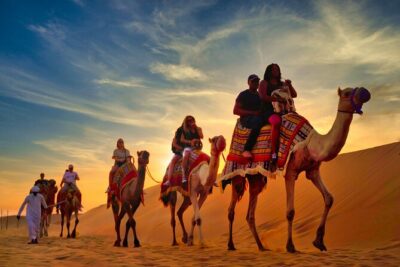
Dubai Overnight Desert Safari, BBQ & Stargazing at Al Khayma Camp
Read our review →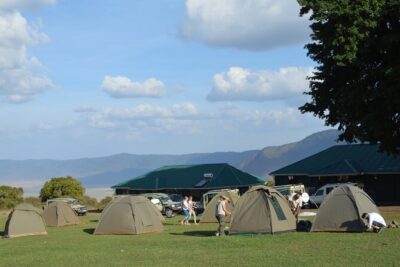
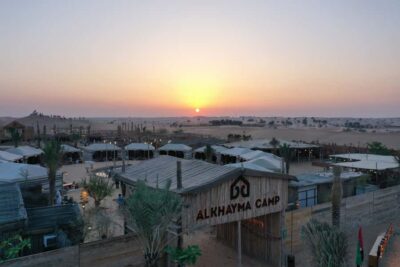
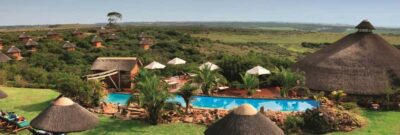
3 Days Serengeti & Ngorongoro Group Camping Safari
Read our review →Browse the lists this tour appears in