
Review · ARUSHA, TANZANIA
4-Days Adventure Camping Safari to Tarangire, Serengeti & Ngorongoro
Wild Africa comes with long drives. This four-day camping safari links Tarangire, Serengeti, and Ngorongoro in one efficient route from Arusha, with private transport, meals, airport transfers, and a maximum of six people. I like the small group size, and I like that the trip includes both a sunset drive in Serengeti and a camp on the Ngorongoro rim. The main drawback is the pace: you spend many hours on the road, and four days leaves little room for a slow, flexible safari.
The price is $1,199 per person. That is a strong package value if the advertised accommodation, meals, park fees, private vehicle, and transfers all fit your plans. I would, however, confirm the sleeping arrangements before paying, since the summary says four nights while the day-by-day plan clearly describes three camping overnights.
Key points at a glance
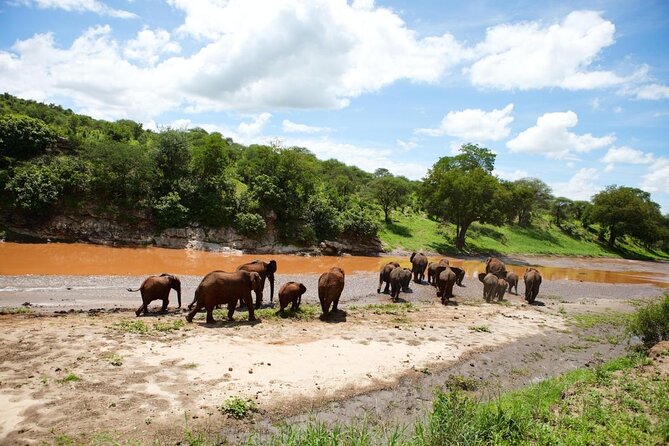
- Tarangire opens the trip with elephants and baobabs: Expect large elephant herds, zebras, giraffes, lions, ostriches, baboons, and the park’s distinctive old trees.
- Serengeti receives two game-drive periods: An afternoon and sunset drive is followed by an early morning search before the journey toward Ngorongoro.
- The group is capped at six people: That gives you a better chance of a window seat and makes communication with the guide easier than on a large coach tour.
- The safari uses camping rather than lodge accommodation: You trade some comfort for a closer connection to the parks and a lower overall price.
- The guide can shape the whole experience: Guides named in past trips include Sadi, Isaya Masai, Abdul, and Saadi, with especially strong praise for animal spotting and safety.
- Meals are built into the price: Breakfast is provided three times, lunch four times, and dinner three times, while drinks remain your responsibility.
Why this four-day route works
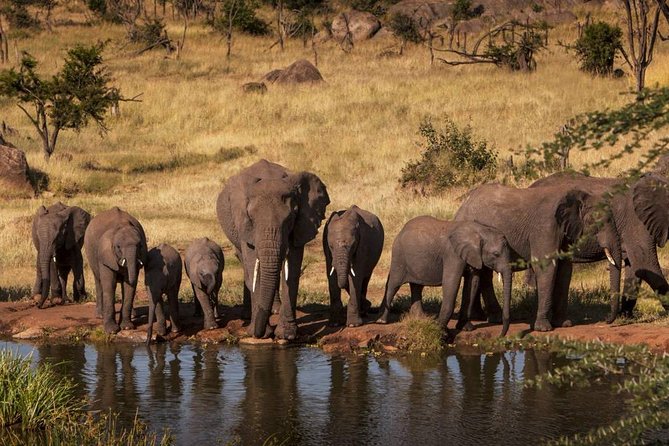
Tanzania’s northern safari circuit is famous because several very different wildlife areas sit within reach of Arusha. Tarangire has elephants and baobab trees, Serengeti offers huge open plains and predators, and Ngorongoro brings you into a compact crater with a strong chance of seeing several major species in one day.
This route gives you a taste of all three without adding a fifth or sixth day. I like that design for a first visit, especially if you are combining the safari with time in Arusha or a Kilimanjaro climb. You see a lot in a short period, but you should accept that the trip is built around movement.
The private vehicle is important. You are not being moved between parks on a public bus, and the group limit of six keeps the outing personal. A small group also matters when you stop for wildlife. You have fewer people competing for views, questions, and photo angles.
Still, do not mistake private transport for a private itinerary with unlimited flexibility. The published schedule has fixed park visits and long driving days. The guide may adjust the route according to animal sightings, road conditions, and park timing, but the overall trip moves quickly.
More Overnight Safaris in Arusha
- 4 Days Group Camping Safari
★ 5.0 · 1,101 reviews - 5 Days Group Camping Safari
★ 5.0 · 730 reviews - 3 Days Serengeti & Ngorongoro Group Camping Safari
★ 5.0 · 574 reviews
Day 1: Tarangire’s elephants and baobab country
The safari begins with an 8:30 am pickup in Arusha. You drive to Tarangire National Park, then spend about seven hours on game drives and the approach to camp.
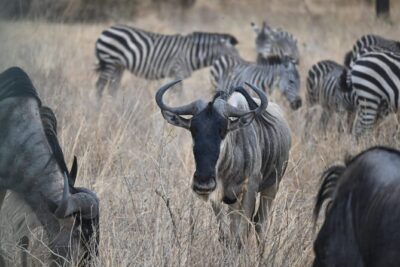
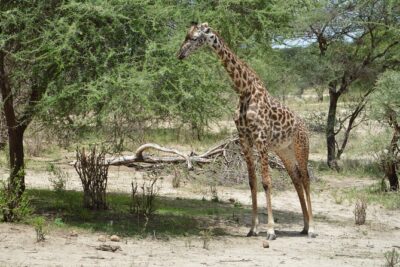
Tarangire is a fine first stop because it gives you a good introduction to Tanzania’s wildlife without beginning with the largest and most famous park. The park is especially associated with big elephant herds and old baobab trees. Zebras, giraffes, lions, ostriches, baboons, and other animals add variety to the day.
I would pay attention to the change in scenery here. Tarangire is not simply a warm-up for Serengeti. Its broad views, scattered trees, and huge baobabs give it a character of its own. The elephants are the headline act, but the smaller details often make the drive rewarding: giraffes moving between trees, ostriches crossing open ground, and baboons near the roadside.
Seven hours is a substantial first day. You will be sitting in the vehicle for part of it, and the road from Arusha adds to the total. That is the price of reaching a major park by road rather than flying. The benefit is that you get a connected overland trip, with transport, park access, dinner, and camping included.
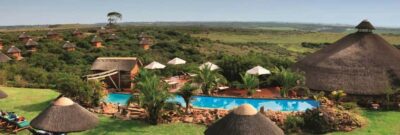
Late in the afternoon, you leave the park for the campsite. Dinner is provided, and you spend the night at camp. The information does not specify the exact campsite, tent style, bathroom arrangement, or bedding, so ask for those details before departure. Camping can mean a simple but comfortable setup, or something much more basic.
Day 2: Serengeti begins with an afternoon and sunset drive
After breakfast, you leave camp and drive toward Serengeti National Park. The listed schedule allows about six hours for the day, ending with afternoon and sunset game drives.
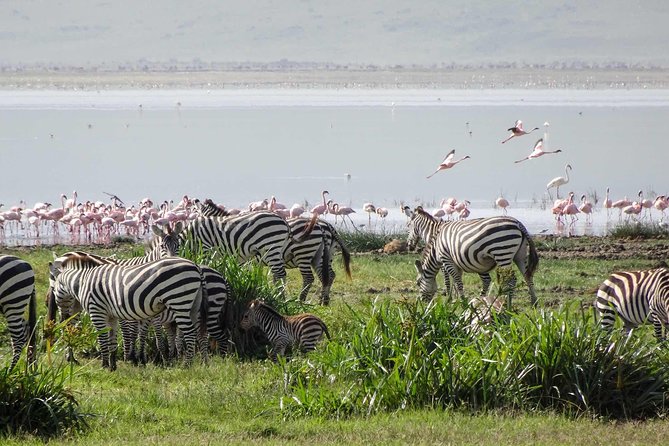
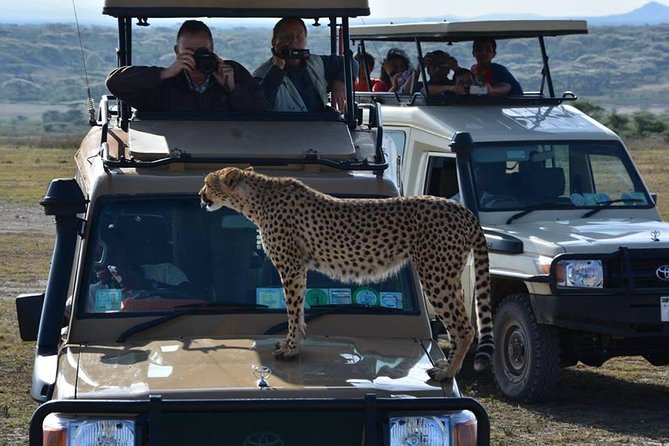
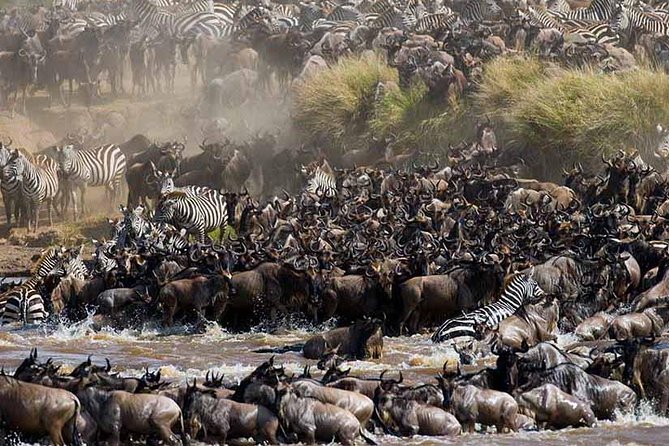
Serengeti is the emotional center of this trip. Its open plains are strongly linked with the annual wildebeest migration, but you do not need to visit during migration season to see why the park is famous. Lions, leopards, cheetahs, zebras, buffalo, antelope, and many other animals live here.
The timing is well chosen. An afternoon drive gives you time to reach the park and begin looking for wildlife, while the sunset portion adds a different quality to the outing. Low light can make the plains feel vast, and animals may be active after the heat of the day.
The tradeoff is travel time. Reaching Serengeti from the Tarangire area takes much of the day, so you should not expect a full morning and full afternoon of wildlife viewing. I see this as a sensible compromise for a four-day schedule, not a flaw in the operation.
Your guide matters greatly here. Past trips have singled out Sadi, Isaya Masai, Abdul, and Saadi for careful driving, animal spotting, safety, and explanations. One particularly useful detail is that Isaya was able to guide in Spanish. The company offers the tour in multiple languages, but you should confirm your preferred language in advance rather than assume it is available every day.
Day 3: An early Serengeti drive, then the crater rim
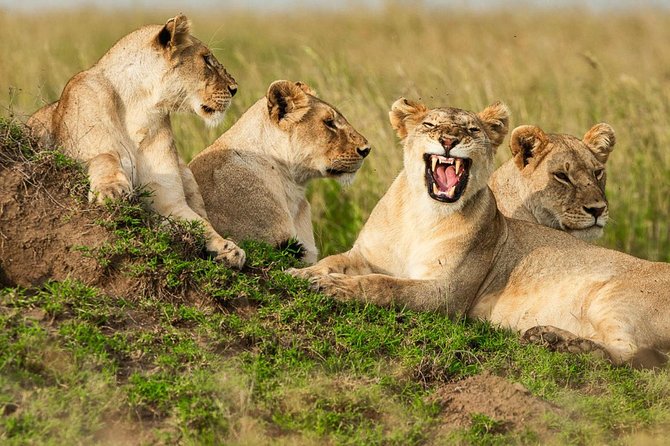
Day three starts with an early morning game drive in Serengeti. This is one of the best decisions in the schedule. You get another chance to find wildlife before breakfast, then eat lunch and set out for Ngorongoro.
An early drive also gives you a second look at the park after the previous afternoon. You may see the same broad setting in different light, but the animal activity can be quite different. The plan specifically highlights lions, leopards, cheetahs, zebras, buffalo, and antelope, with the guide searching according to conditions and recent sightings.
The listed duration is about six hours, though the road portion can make the day feel longer. Again, this is a road safari, not a fly-in trip. You gain the overland journey and avoid extra flight costs, but you give up time that could otherwise be spent inside the park.
The overnight stop is a campsite on the Ngorongoro Crater rim. This is one of the most memorable settings on the route, even though the exact camp facilities are not given. Being on the rim positions you well for the next day’s crater drive and gives the trip a strong sense of place.
Ask how far the camp is from the crater access point, what time breakfast is served, and what sort of tent and washroom facilities are provided. These questions are not fussy. They help you judge how comfortable the camping will be after two long days on the road.
More Overnight Safaris in Tanzania
- 2 Days Tarangire and Ngorongoro Group Camping Safari
★ 5.0 · 146 reviews - 6 Days Tanzania Budget Camping Safari
★ 5.0 · 145 reviews - 3 Day Serengeti National Park & Ngorongoro Crater Camping Safari
★ 5.0 · 142 reviews - Multi-Day Tanzania Odssey Safari from Arusha
★ 5.0 · 120 reviews
Day 4: Searching for the Big Five in Ngorongoro Crater
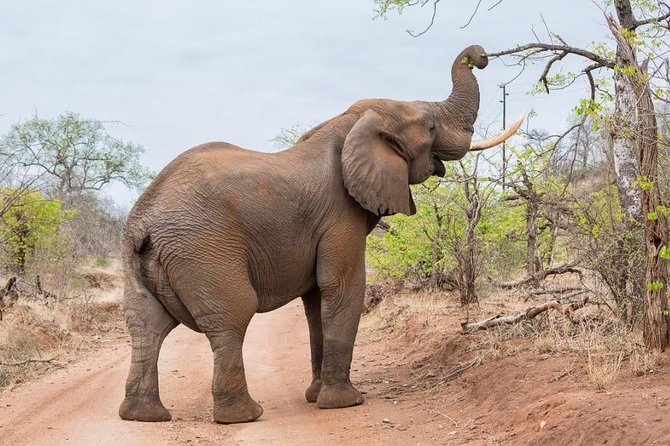
The final day brings a game drive in Ngorongoro Crater, with about six hours scheduled for the visit. The focus is the Big Five: lion, buffalo, leopard, rhino, and elephant.
Ngorongoro is different from both Tarangire and Serengeti. The crater concentrates wildlife in a contained area, so you can spend the day moving between open ground, water, and other habitats while searching for animals. Hyenas, cheetahs, zebras, and other species may also appear.
This is the strongest day for anyone who wants a broad wildlife checklist. One past trip described seeing all five major animals, but no safari can promise that result. Leopards and rhinos are the animals that often require patience and luck. A good guide can improve your chances, but sightings remain wild and unpredictable.
The crater drive is also the busiest-feeling part of this route in many seasons, although the supplied details do not promise a particular crowd level. You should expect a popular destination and a full day in the vehicle. The reward is a compact final chapter with plenty of wildlife potential.
The tour ends back at the meeting point. Since the published information also says airport transfers are supplied, confirm whether your transfer is scheduled after the crater day or arranged separately. That matters if you have a flight the same evening.
Camping, food, and the practical tradeoff
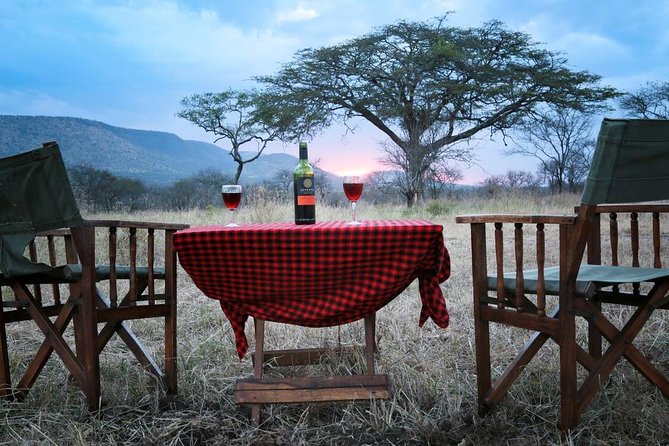
Camping is the heart of the value here. Four nights of accommodation are listed in the highlights, while the daily plan names camping after Tarangire, in Serengeti, and on the Ngorongoro rim. Because those descriptions do not match perfectly, I would ask the operator to confirm the exact number of nights and locations.
Meals are a real advantage. The package includes breakfast three times, lunch four times, and dinner three times. That means you are not searching for food after a long game drive, and you can keep your spending under control.
Drinks are not included. Bring money for beverages, and ask what water arrangements are provided before leaving Arusha. Travel insurance is also excluded, so arrange your own cover if you want protection for medical needs, delays, or cancellations.
The food receives repeated praise, with chefs such as Mudi, Moody, and Freddie named for preparing enjoyable meals during camping trips. That is good news because meals matter more than usual when you are spending most of the day outdoors. Still, tell the operator about dietary needs before the safari.
The camping format suits you if you want a closer, simpler safari and do not need lodge comforts every night. If you sleep lightly, dislike shared facilities, or want a private room and a slower schedule, a lodge-based trip may be worth the extra cost.
Guides, safety, and the small-group advantage
The strongest praise goes to the field staff. Sadi is repeatedly singled out for guiding, safety, and animal knowledge. Isaya Masai is praised for spotting the Big Five and for helping Spanish-speaking visitors. Abdul is described as professional and committed to finding animals, while chefs including Mudi, Moody, and Freddie receive credit for the food.
Those details matter because the guide is not just a driver. On safari, the guide controls the pace, reads animal behavior, chooses where to pause, and helps you understand what you are seeing. The best guide can turn a quiet stretch of road into a worthwhile lesson.
Safety also comes up often in the feedback. That is reassuring, particularly when you are close to large animals, but you still need to follow park rules and your guide’s instructions. Do not treat an elephant, lion, or buffalo as a photo prop.
A maximum of six people is a practical sweet spot. You get the social feel of a shared safari without the size of a large group. The vehicle arrangement is not specified, so ask whether all six people have window access and how luggage is handled.
Is $1,199 good value?
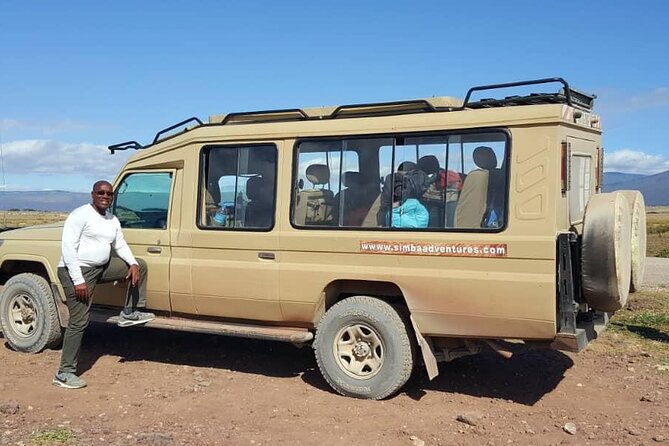
At $1,199 per person, the price includes a lot: private transport, airport transfers, accommodation, park fees and taxes, four lunches, three breakfasts, three dinners, and four days of guiding. It also includes access to three of northern Tanzania’s best-known wildlife areas.
I consider that good value for a short road safari if you want the major sights without organizing each transfer yourself. The small group cap adds value, as does the inclusion of meals and park-related costs.
The price is less attractive if you want long periods in each park. Four days is enough for an introduction, but not enough to explore every area of Serengeti at a relaxed pace. You are paying for efficient coverage, not a slow specialist safari.
Free cancellation is available if you cancel at least 24 hours before the 8:30 am start time. Within 24 hours, the amount paid is not refunded, and late changes are not accepted. Keep the local cutoff time in mind.
Who should book this safari?
I would recommend this trip to a first-time safari visitor who wants Tarangire, Serengeti, and Ngorongoro in one compact package. It also suits people combining a safari with another Tanzania activity, since the short schedule leaves room for a separate Arusha or mountain itinerary.
It is a good fit for couples, families, and small groups who value a personal guide and do not mind camping. The multilingual option is useful, especially if you confirm the language before booking.
I would hesitate if you want luxury, very short drives, or guaranteed sightings. I would also pause if your trip depends on a precise number of camping nights, since that part needs clarification.
Should you book the four-day safari?
Book it if your priority is seeing three major parks, keeping the group small, and controlling costs. The combination of experienced guides, included meals, private transport, and strong wildlife potential gives the trip a convincing value.
Before paying, confirm the exact camping schedule, tent facilities, vehicle layout, preferred guide language, airport transfer timing, and what is supplied for drinking water. If those answers suit you, this is a practical and exciting introduction to northern Tanzania, with just enough camping to feel adventurous and enough structure to keep the logistics manageable.
FAQ
Where does the safari start?
The safari starts with pickup from your hotel in Arusha at 8:30 am. Pickup is offered, and airport transfers are included.
How long does the safari last?
The experience lasts approximately four days.
How many people can join the tour?
The group has a maximum of six people.
Which parks does the safari visit?
The route visits Tarangire National Park, Serengeti National Park, and Ngorongoro Crater.
Is accommodation included?
Yes. Accommodation is included, and the itinerary describes camping after Tarangire, in Serengeti, and on the Ngorongoro Crater rim. The published information also refers to four nights, so confirm the exact number and location before booking.
Are meals included?
Yes. The package includes three breakfasts, three dinners, and four lunches.
Are drinks included?
No. Beverage drinks are not included in the price.
Can I cancel for a full refund?
Yes, if you cancel at least 24 hours before the experience starts. Cancellations within 24 hours are not refunded, and late changes are not accepted.
Newest safaris around Arusha
- Serengeti & Ngorongoro fly in safari★ 5.0 · 76 reviews
- 7 days great migration safari★ 5.0 · 77 reviews
- 5 days safari, hiking & culture (Serengeti & kilimanjaro)★ 5.0 · 27 reviews
- 6 days Tanzania budget safari★ 5.0 · 65 reviews
- 3 Days Tanzania Budget Group Joining Safari Tour★ 5.0 · 16 reviews
- Amazing 4 Days Tanzania Budget Camping Group Joining Safari★ 5.0 · 15 reviews
- 4 days safari★ 5.0 · 34 reviews
- 2 Day Budget Safari in Tarangire and Ngorongoro From Arusha★ 5.0 · 10 reviews
Overnight & Camping Safaris, compared.
Overnight Safari, Dinner, Stargazing & Al Khayma Camp
Read our review →
Dubai Overnight Desert Safari, BBQ & Stargazing at Al Khayma Camp
Read our review →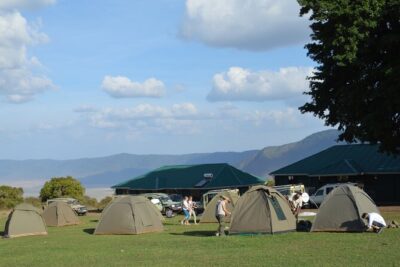
3 Days Serengeti & Ngorongoro Group Camping Safari
Read our review →Browse the lists this tour appears in