
Review · ARUSHA, TANZANIA
Multi-Day Camping Safari Experience in Arusha
Calving season brings the Serengeti alive. This six-day camping safari links Tarangire, the Ndutu plains, central Serengeti, Ngorongoro Crater, and Lake Manyara in one busy northern Tanzania route. I especially like the focus on the wildebeest migration from December to April and the small group limit of six people, which should make the safari vehicle less crowded.
I also like that the trip combines famous wildlife areas with practical comforts: a pop-up roof jeep, unlimited drinking water, cooked meals, and WiFi on board. The main consideration is the pace. Long drives, early starts, camping, and several full days in the vehicle will suit an adventurous safari enthusiast more than someone seeking a slow, restful holiday.
Key points at a glance
- Ndutu in February and March: This is the heart of the trip, when wildebeest gather on short grass plains and many calves are born.
- A compact six-person group: The vehicle limit gives you a better chance of a window or roof position during game drives.
- Five major wildlife zones: Tarangire, Ndutu, Serengeti, Ngorongoro Crater, and Lake Manyara each offer a different setting.
- Strong predator potential: Young wildebeest create feeding opportunities for lions, cheetahs, hyenas, and leopards.
- Camping with practical extras: Meals, water, taxes, a pop-up roof jeep, and WiFi are included.
- A busy northern circuit: Expect early breakfasts, long driving days, and little spare time outside the safari schedule.
Why the wildebeest calving season matters
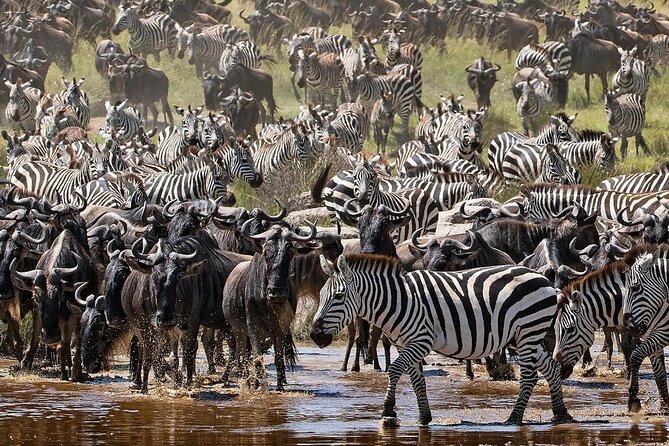
The main reason to choose this safari is timing. From December through April, much of the Great Wildebeest Migration moves through the southern Serengeti and the Ndutu area. The exact concentration changes with rainfall, but the trip is designed around the period when the herds usually gather on short grass plains.
The most intense calving period is generally around February and may last only about three weeks. That short window gives this journey a clear purpose. You are not simply visiting the Serengeti and hoping the migration happens to be nearby. Your route puts the southern plains at the center of the plan.
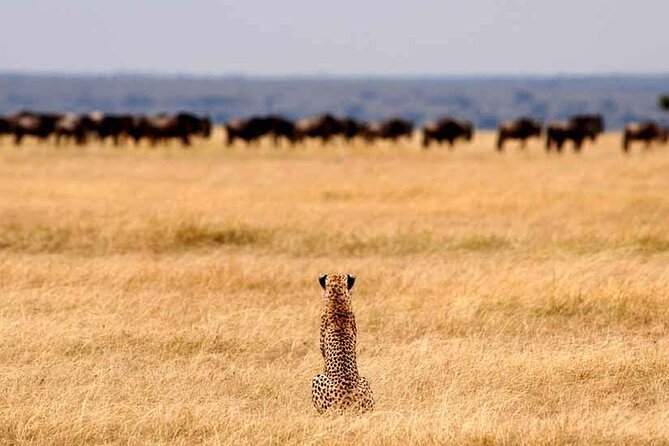
Calving season also changes the kind of wildlife viewing you may get. Newborn wildebeest can run within minutes, and after about three days they are usually strong enough to keep pace with the herd. The open grass offers little cover, so young animals can attract lions, cheetahs, hyenas, and leopards.
That does not mean a dramatic chase or kill is guaranteed. Wildlife never follows a schedule. Still, the timing gives you a better chance of seeing predator behavior, large herds, and the restless movement that makes the migration so memorable.
More Overnight Safaris in Arusha
- 4 Days Group Camping Safari
★ 5.0 · 1,101 reviews - 5 Days Group Camping Safari
★ 5.0 · 730 reviews - 3 Days Serengeti & Ngorongoro Group Camping Safari
★ 5.0 · 574 reviews
Day 1: Tarangire’s elephants and baobab trees
After breakfast in town, pickup takes you toward Tarangire National Park. The drive and game viewing take about eight hours, so this is a substantial first day rather than a gentle introduction.
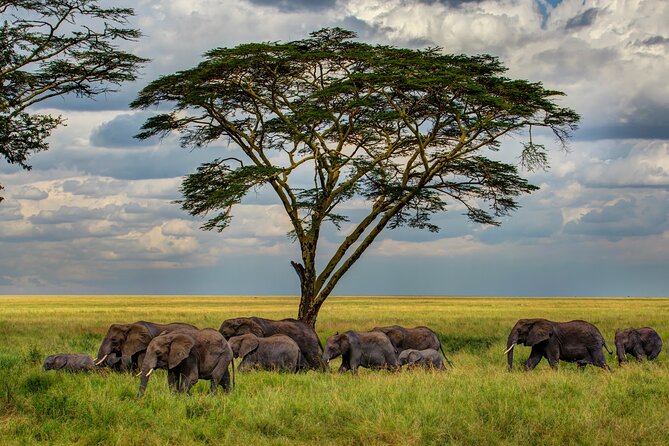
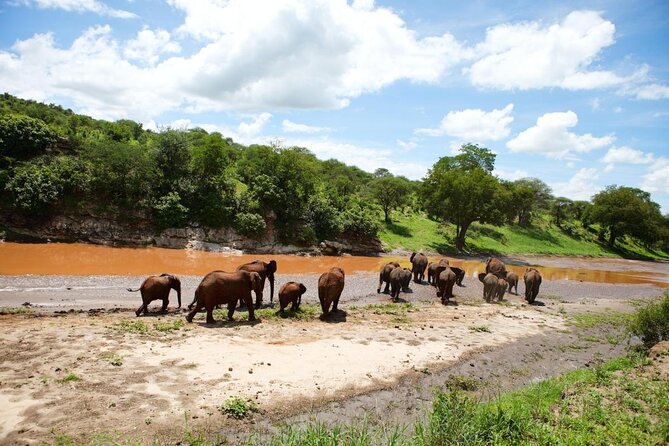
Tarangire is a useful opening stop because it feels different from the Serengeti. The park is known for large elephant herds, baobab trees, and the Tarangire River, which flows throughout the year. During dry periods, that water source becomes especially important for wildlife.
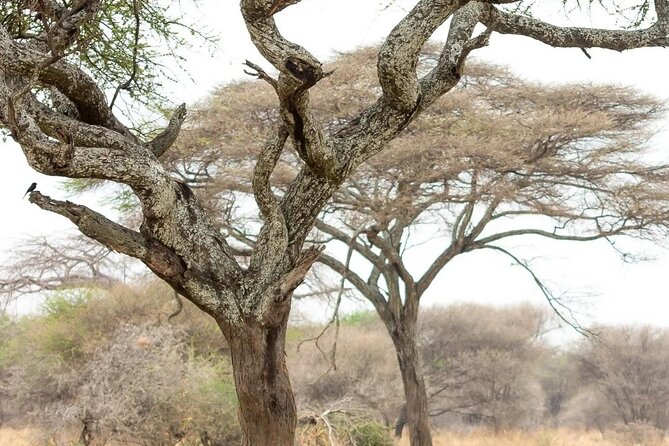
The park may also offer sightings of tree-climbing lions. They are not guaranteed, but the possibility adds variety to the day. The baobabs are another reason to keep your camera ready. Their thick trunks and unusual shapes give Tarangire a strong sense of place, quite apart from the animals.
The drawback is simple: you begin with a long day in a vehicle, then continue toward more distant areas later in the trip. If you want several hours to rest after arriving in Arusha, this schedule will feel demanding. If you want to start seeing wildlife at once, Tarangire gives you plenty to look for.
Days 2 and 3: Ndutu during the great gathering
After breakfast on Day 2, you head toward Ndutu, part of the southern Serengeti ecosystem within the Ngorongoro Conservation Area. The afternoon includes a game drive, with about five hours allocated to this part of the day.
Ndutu includes a mix of habitats: short grass plains, swamps, woodland, and soda lakes. That variety matters because different animals use different areas. The plains are the main attraction during migration season, while the water and wooded zones can add elephants, birds, and resident wildlife to the day.
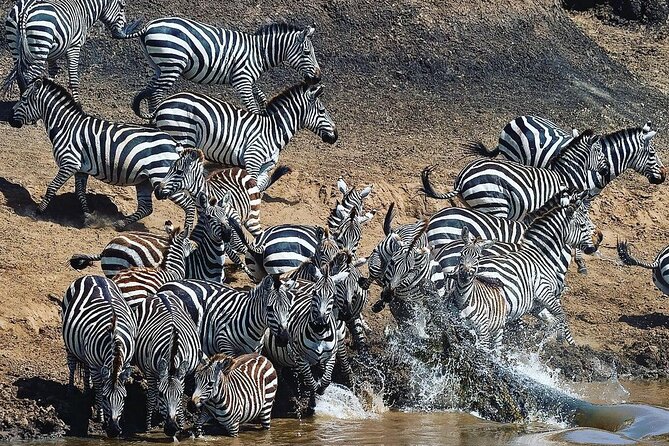
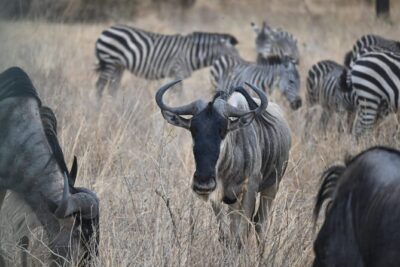
Day 3 gives you a full nine-hour game drive around Ndutu. This is the strongest section of the safari for anyone choosing the trip specifically for wildebeest calving. You may see huge herds of wildebeest and zebra spread across the grass, with calves staying close to adults and predators watching from nearby.
This is also where patience helps. The best moments may not happen immediately after you arrive. A vehicle might stop because a lion is resting, a cheetah is scanning the plain, or a hyena is moving through the herd. The open setting lets you see a great distance, but the animals may still be far away.
The soda lakes are alkaline, yet the water is consumed by many animals. Lake Ndutu itself adds an interesting contrast to the grass plains, and birdlife can be plentiful around the water. You should expect dust, sun, and long periods seated in the vehicle. That is part of the price of being in the right place during a short natural event.
Day 4: Sunrise in the Serengeti and the road to Ngorongoro
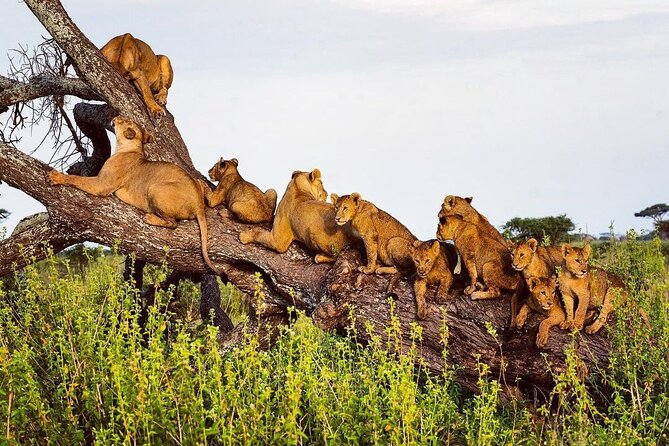
Day 4 begins at about 5:45 a.m. with an early breakfast. You then take an early morning game drive until roughly 11:30 a.m., return to camp for a hot lunch, pack your belongings into the jeep, and continue with an afternoon game drive toward Ngorongoro.
Early starts are not optional decoration on a safari. The first hours of the day can be cooler and offer good viewing conditions before the heat builds. You also get the memorable experience of watching sunrise inside the Serengeti.
The schedule is practical but full. You are asked to leave the campsite, eat, pack, and continue driving on the same day. By evening, you reach Simba Campsite for dinner and overnight accommodation near the crater area.
This transition day gives you one final chance to search the Serengeti while also moving the journey forward. It does mean you should pack carefully and keep essentials easy to reach. The vehicle becomes your main storage space, and an organized bag will save you from unpacking everything at lunchtime.
More Overnight Safaris in Tanzania
- 2 Days Tarangire and Ngorongoro Group Camping Safari
★ 5.0 · 146 reviews - 6 Days Tanzania Budget Camping Safari
★ 5.0 · 145 reviews - 3 Day Serengeti National Park & Ngorongoro Crater Camping Safari
★ 5.0 · 142 reviews - Multi-Day Tanzania Odssey Safari from Arusha
★ 5.0 · 120 reviews
Day 5: Inside the Ngorongoro Crater
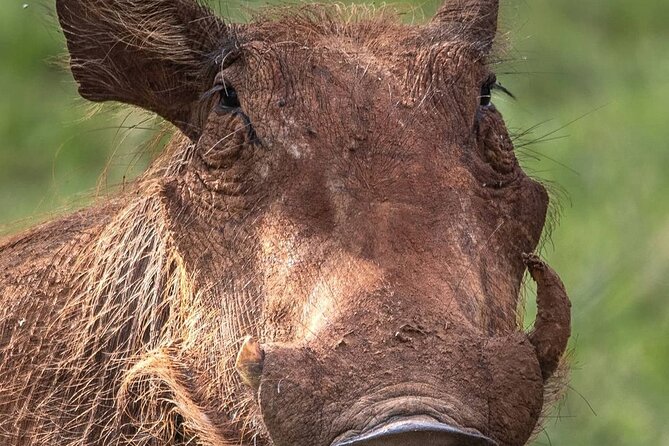
The fifth day starts with breakfast before the descent into Ngorongoro Conservation Area and the crater. The game drive lasts about eight hours, including the descent to roughly 600 meters below the crater rim.
Ngorongoro is different from Ndutu and Serengeti because the crater forms a contained wildlife setting with year-round water and grazing. You may see wildebeest, zebra, buffalo, eland, warthog, hippo, and elephants within the crater. The concentration of predators is another major attraction, with possible sightings of lions, hyenas, jackals, cheetahs, and leopards.
Lake Magadi, a shallow alkaline lake in the crater, is one of the key stops. Flamingos, hippos, and other water birds may gather there. The lake gives the day a change of pace after the broad plains of the Serengeti.
A trained eye can help with difficult sightings, especially leopard. The supplied trip information identifies guides including Robert, Raymond, and Swalehe in connection with the operator. Past praise has been especially strong for guide service, animal spotting, cultural knowledge, organization, and helpfulness. If you have the chance to request a particular guide, asking for Robert or Swalehe may be worthwhile, though availability is not stated.
The crater is a highlight, but it can also be busy and crowded compared with the more open southern plains. You may find many safari vehicles sharing the same wildlife areas. That is the tradeoff for visiting one of Tanzania’s most famous wildlife destinations.
Day 6: Lake Manyara and a final change of scenery
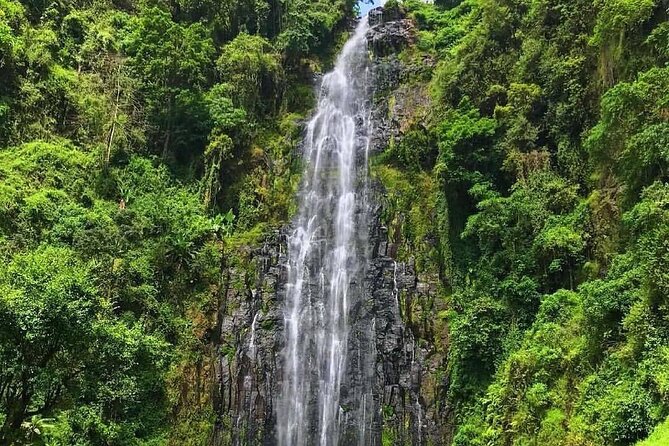
After breakfast, you drive to Lake Manyara National Park. The final day is listed as about nine hours, so this is not just a short stop before returning to Arusha.
Lake Manyara is known for its compact game-viewing circuit, the Great Rift Valley wall, and a lake covering about two-thirds of the park. More than 400 bird species are found in the park, including large numbers of pink-hued flamingos.
Manyara gives the safari a different finish. Instead of repeating the open grass plains, you get a scenic area shaped by water, woodland, and the steep Rift Valley escarpment. The birdlife may be especially rewarding if you enjoy photography or prefer watching smaller details between big-animal sightings.
The limitation is time. With a nine-hour day and a full route behind you, the final stop may feel like a bonus rather than a relaxed exploration. Ask your operator how the return transfer is handled, since the supplied information confirms pickup but does not specify the exact end point or arrival time.
Camping, food, and the pop-up roof jeep
This is a camping safari, so you should expect a more basic setup than a lodge-based itinerary. The information provided does not specify tent style, bedding, shower facilities, or bathroom arrangements, so ask about those before paying.
The practical inclusions are useful. A pop-up roof safari jeep gives you a raised viewing position and an open-air feel while keeping you inside the vehicle. Unlimited drinking water is included, which matters during long game drives in hot, dusty conditions.
The trip includes six breakfasts, six lunches, and five dinners. The food receives some of the strongest praise in the available feedback, with particular appreciation for tasty meals that exceeded expectations. That is encouraging for a camping trip, where food can make a big difference after a long day in the bush.
WiFi on board is also included. Do not treat that as a promise of a strong connection in every national park. Still, it may be useful for basic messages when coverage allows. Alcoholic drinks are not included, and personal items, tips, visas, and air tickets are extra.
The $1,496 price and who gets good value
At $1,496 per person, this safari is not a budget day trip. It covers six days, five major wildlife areas, park-related fees and taxes, transport in a safari jeep, meals, drinking water, and a small group of no more than six people.
The value depends on what you want from northern Tanzania. If your priority is seeing the calving migration, the route puts two full days and part of a third in Ndutu and the southern Serengeti. That focus is more useful than spending every night in one area if you want to compare different parks.
The price also includes several expensive elements of a safari, especially park access, vehicle use, guide service, and meals. You should still confirm exactly what kind of camping is provided, because comfort can vary greatly between basic public campsites and more equipped camps.
I would view the trip as good value for someone who wants a concentrated wildlife itinerary and accepts basic camping. It is less attractive for someone who wants a luxury lodge, a slow schedule, or long breaks between drives.
Who should book this six-day safari?
I would recommend it to you if you:
- Want to plan around wildebeest calving from December to April
- Prefer wildlife action over a relaxed resort schedule
- Are comfortable with early mornings and long drives
- Like combining major parks instead of staying in one reserve
- Want a small group capped at six people
- Appreciate cooked meals and water included in the cost
- Are happy with camping and can manage basic facilities
I would think twice if you dislike sitting in a vehicle for many hours, need a highly predictable timetable, or want detailed information about accommodation before booking. The journey covers a lot of ground, and the route is designed for sightings rather than lounging.
The operator has a perfect five-star rating from 32 submitted reviews and a 100 percent recommendation rate. Praise centers on communication, punctual arrangements, friendly service, helpful guides, good food, and strong animal sightings. Names that come up in the service feedback include Robert, Raymond Ayo, and Swalehe, with Raymond also described as handling logistics and providing attentive support.
Those positive points are useful, but you should still ask direct questions before booking. Confirm the campsite facilities, pickup and drop-off details, guide assignment, and whether the biking activity in Mto wa Mbu is part of this exact six-day schedule. The overview mentions a biking adventure, but the daily plan provided does not place it on a specific day.
Should you book it?
Book this safari if the wildebeest calving season is your main goal and you want the major northern circuit highlights in six days. The Ndutu focus, predator potential, small group size, included meals, and pop-up roof vehicle make a strong case.
Skip it if you want luxury, short driving days, or a clearly defined biking program. For the right person, this is a focused wildlife trip with real chances for memorable scenes. Just go in ready for dust, early breakfasts, simple camping, and a schedule that keeps moving.
Cancellation is free when you cancel at least 24 hours before the local start time. Changes or cancellations inside that period are not accepted for a refund.
FAQ
How long is the safari?
The safari lasts approximately six days.
Where does the safari take place?
The experience is based in Arusha and visits Tarangire National Park, the Ndutu area, Serengeti National Park, Ngorongoro Conservation Area, and Lake Manyara National Park.
When is the best period for the wildebeest calving focus?
The safari is designed for December through April. The main calving period is described as occurring around February and lasting about three weeks.
How many people can join the safari?
The maximum group size is six people.
Is hotel or accommodation pickup available?
Pickup is offered, but the provided information does not specify the exact pickup location or drop-off arrangement.
What meals are included?
The package includes six breakfasts, six lunches, and five dinners.
What is not included in the price?
Tips, visas, air tickets, personal items, and alcoholic beverages are not included.
Newest safaris around Arusha
- Serengeti & Ngorongoro fly in safari★ 5.0 · 76 reviews
- 7 days great migration safari★ 5.0 · 77 reviews
- 5 days safari, hiking & culture (Serengeti & kilimanjaro)★ 5.0 · 27 reviews
- 6 days Tanzania budget safari★ 5.0 · 65 reviews
- 3 Days Tanzania Budget Group Joining Safari Tour★ 5.0 · 16 reviews
- Amazing 4 Days Tanzania Budget Camping Group Joining Safari★ 5.0 · 15 reviews
- 4 days safari★ 5.0 · 34 reviews
- 2 Day Budget Safari in Tarangire and Ngorongoro From Arusha★ 5.0 · 10 reviews
Overnight & Camping Safaris, compared.
Overnight Safari, Dinner, Stargazing & Al Khayma Camp
Read our review →
Dubai Overnight Desert Safari, BBQ & Stargazing at Al Khayma Camp
Read our review →
3 Days Serengeti & Ngorongoro Group Camping Safari
Read our review →Browse the lists this tour appears in