
Review · ARUSHA, TANZANIA
4 Days Group Joining Camping Tanzania safari
Three parks, four days, one big wildlife hit. This Northern Safari Circuit trip packs Tarangire, Serengeti, and Ngorongoro Crater into a demanding but rewarding safari from Arusha. I like the strong mix of scenery and wildlife, especially the chance to see elephants among Tarangire’s acacias, big cats across the Serengeti, and rhinos inside Ngorongoro Crater. I also like that meals, camping equipment, park fees, transport, and an English-speaking guide are included. The main drawback is the amount of time spent on the road, particularly on the long transfer into the Serengeti.
This is a budget-minded safari, but it is not a soft holiday. You will rise early, spend hours in a 4×4, sleep at campsites, and follow a full schedule. The reward is access to three of Tanzania’s best-known wildlife areas for $1,333.34 per person, with groups capped at 15 people.
Key points before you book
- Three major parks in four days: Tarangire, Serengeti, and Ngorongoro Crater give you a broad taste of northern Tanzania.
- Camping keeps the price in check: Tents, sleeping mats, chairs, tables, and meals are included.
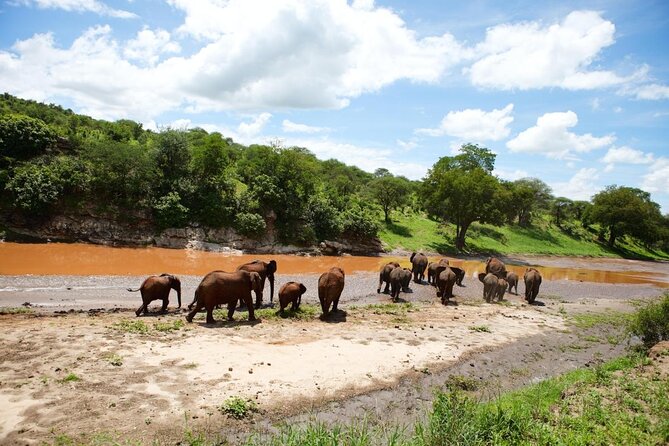
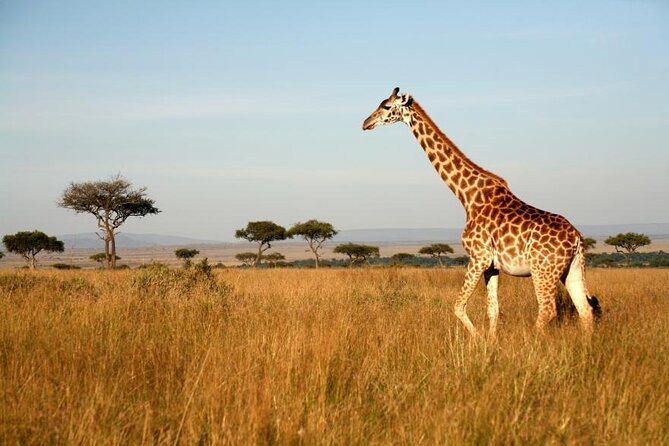
- Wildlife is the main event: Expect strong chances for elephants, lions, zebras, wildebeests, buffalo, giraffes, and many bird species, though no sighting is guaranteed.
- Guides receive especially strong praise: Names associated with this trip include Frankie, Bryson, Joel, Jordan, Juma, Mo, Salim, and Elias.
- Meals matter after long drives: Chefs John and Prosper are singled out for generous, well-prepared food.
- The pace is brisk: The longest day runs about nine hours, and several days combine game drives with long road transfers.
What $1,333.34 gets you in northern Tanzania
At first glance, the price may seem high for a camping trip. Look closer, and much of the costly work is already covered. You get park fees and taxes, a 4×4 safari vehicle, an English-speaking guide, camping equipment, three dinners, four lunches, and three breakfasts.
That package matters in Tanzania. Park access, vehicle use, fuel, food, staff, and camping supplies add up quickly. You are not simply paying for a ride through a park. You are paying for a working safari operation that handles the practical pieces while you concentrate on wildlife.
The value is strongest if you want to see a lot in a short visit. Tarangire, Serengeti, and Ngorongoro offer three quite different settings. You may see elephants in Tarangire, predators on the open Serengeti plains, and a dense mix of animals inside the crater. A longer safari would give you more relaxed mornings and more time in each area, but this four-day route gives you a clear introduction.
The price does not include international flights, a Tanzanian visa, travel insurance, tips, laundry, or communication costs. Build those expenses into your total. Also check exactly what sleeping arrangements are planned for your departure date. The trip is described as camping, with tents and basic camping furniture supplied, though the general description also refers to lodges and tented camps.
More Overnight Safaris in Arusha
- 4 Days Group Camping Safari
★ 5.0 · 1,101 reviews - 5 Days Group Camping Safari
★ 5.0 · 730 reviews - 3 Days Serengeti & Ngorongoro Group Camping Safari
★ 5.0 · 574 reviews
Day 1: Tarangire’s elephants and bird-filled swamps
The first morning begins with pickup in Arusha. The schedule gives a 6:30 a.m. pickup from your hotel, while the general start time is listed as 7:30 a.m. Confirm the exact time and meeting point before departure. You will then travel about 120 kilometres on tarmac road to Tarangire National Park.
Tarangire covers about 2,850 square kilometres and is known for large concentrations of wildlife outside the Serengeti system. Its swamps stay green through much of the year, drawing animals and an impressive range of birds. The trip information gives a figure of 550 bird varieties, making this a particularly good stop if you enjoy birdwatching as much as mammals.
The first game drive gives your guide room to search for lion, leopard, elephant, buffalo, python, zebra, oryx, and impala. On drier ground, look for kori bustards, ostriches, and ground hornbills. The birdlife adds variety to a day that might otherwise focus only on the familiar big animals.
After lunch, you continue with afternoon wildlife viewing. This timing can make the day feel full, but it also gives you a useful first look at safari routines: long periods of watching, sudden animal sightings, and plenty of slow driving over rough roads.
Tarangire is a smart opening park because it offers a different feel from the Serengeti. The acacia country and swamps create a more varied setting than the open plains you will see later. The tradeoff is that the first day begins early and includes the road from Arusha, so do not expect a gentle arrival.
Day 2: The long road into the Serengeti
After breakfast near Mto wa Mbu, you head through cooler highland country toward Serengeti National Park. The listed duration is about nine hours, making this the longest and most demanding day of the trip.
The drive is part of the experience, but you should set your expectations correctly. This is not nine hours of nonstop game viewing. It combines travel, changing scenery, and safari stops as you make your way toward the park. If you dislike long road journeys, this day may test your patience.
The reward is the Serengeti, one of Africa’s great wildlife areas. Its scenery shifts from open grass plains to dry savannah, marshy woodland, and other habitats that support both predators and prey. The park is home to the large annual movement of wildebeests and zebras. Timing matters. The herds travel from the northern hills toward the southern plains during the short rainy period in November and December, then move north again later in the cycle.
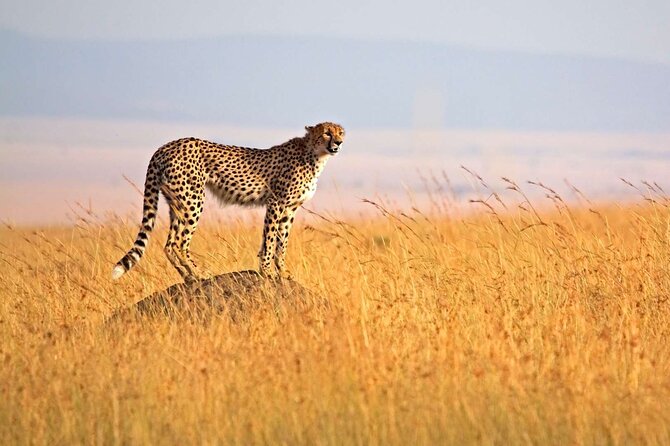
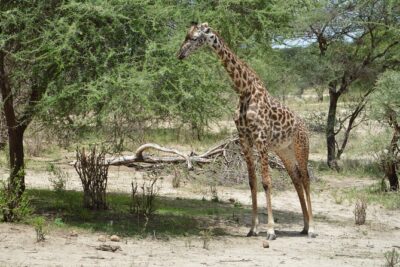
You may see lion, cheetah, leopard, zebra, wildebeest, and gazelle. The guide’s skill matters greatly here. Several guides connected with this safari, including Bryson, Joel, Salim, and Mo, receive praise for spotting animals, explaining what you are seeing, and keeping the mood friendly.
Do not book this trip solely on the promise of the migration. Animal movements change with weather and grazing conditions, and the itinerary does not give a fixed migration guarantee. The Serengeti is worthwhile even when the herds are elsewhere because its predator and prey populations are so strong.
Day 3: Sunrise predators and the road to Ngorongoro
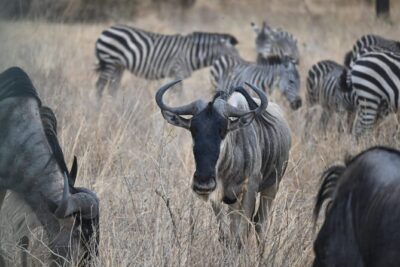
Day three starts with an early morning game drive across the Serengeti. This is one of the best moments of the program because the open plains support large numbers of gazelles and impalas, which in turn support lions, leopards, and cheetahs.
The schedule allows about eight hours for the day. You return to camp for breakfast, then leave the Serengeti and travel toward Ngorongoro Crater. This pattern gives you one more chance to watch wildlife in the Serengeti before changing settings.
Arriving at the crater rim is a dramatic shift. The caldera is about 600 metres deep, and the view opens across the crater floor, with springs and animal areas spread below. You spend the night at a campsite near the rim, where sunset views are part of the appeal.
Camping at the crater edge can be one of the most memorable parts of the trip, but it also means basic conditions. The supplied equipment includes tents, sleeping mats, chairs, and tables. You should be comfortable with outdoor sleeping and changing conditions. This is not the right choice if you need hotel comforts every night.
The food helps make the camping format easier. Chef John receives warm praise for meals after long days in the sun, while Prosper is also praised for generous cooking. Meals included across the trip are three dinners, four lunches, and three breakfasts. That is a useful saving, and it means you do not need to arrange every meal yourself.
More Overnight Safaris in Tanzania
- 2 Days Tarangire and Ngorongoro Group Camping Safari
★ 5.0 · 146 reviews - 6 Days Tanzania Budget Camping Safari
★ 5.0 · 145 reviews - 3 Day Serengeti National Park & Ngorongoro Crater Camping Safari
★ 5.0 · 142 reviews - Multi-Day Tanzania Odssey Safari from Arusha
★ 5.0 · 120 reviews
Day 4: Inside the Ngorongoro Crater
You start early after breakfast and descend by a narrow, steep road to the crater floor. The final day includes about six hours of activity, including game viewing and the return to Arusha.
Ngorongoro is special because its enclosed setting concentrates wildlife in a relatively compact area. You may see zebra, hippo, hyena, wildebeest, warthog, buffalo, rhino, lion, elephant, and leopard. The crater is one of the better places on this route to look for the Big Five, though wildlife sightings are never guaranteed.
A picnic lunch breaks up the game drive before you leave the crater. Afterward, the vehicle climbs out and continues toward Arusha, with arrival expected in the late afternoon.
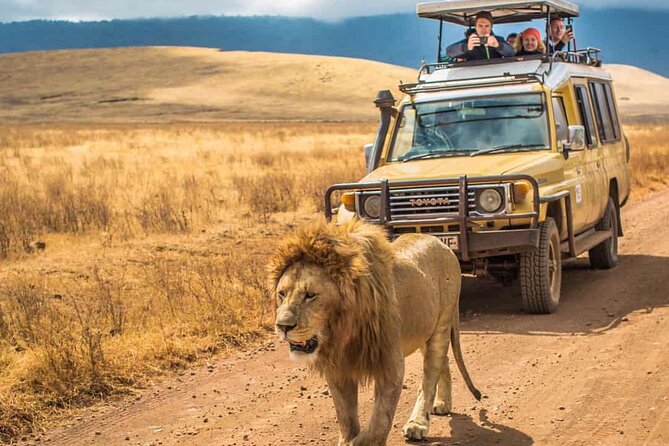
The crater can feel crowded with safari vehicles, particularly around well-known sightings. That is a practical tradeoff for visiting a famous and wildlife-packed site. One of the strongest animal encounters reported on this route was a lion seen very close to the vehicle, about one metre away. Encounters like that are possible, but your guide must still follow park rules and keep a safe distance.
Guides, vehicles, and group size
The experience is designed for a maximum of 15 people. That is a manageable group size, but comfort depends on the vehicle layout and how many people join your specific departure. Ask how many passengers will share the 4×4 and whether everyone has a window seat.
Your driver also serves as your guide. That makes the guide’s attitude and skill central to the trip. The strongest praise goes to guides who explain animal behavior, identify birds, search carefully for predators, and create a relaxed atmosphere. Bryson is described as friendly and safe behind the wheel. Salim is praised for many years of safari experience and for knowing where to look. Joel receives credit for explaining animals and birdlife, while Frankie is praised for clear information throughout the journey.
Guide assignments can change, so you should not book on the assumption that one particular person will lead your departure. Still, the repeated praise for the team is a good sign. A patient guide can turn a long drive into a useful lesson in Tanzania’s wildlife and geography.
Pickup is offered, and the activity begins and ends in Arusha. The exact pickup time deserves confirmation because the information gives both 6:30 a.m. and 7:30 a.m. as start times. That small check can prevent a rushed first morning.
What camping is really like on this route
Camping lowers the cost and puts you close to the outdoor setting that makes a safari memorable. You receive tents, sleeping mats, chairs, tables, and meals, so you are not expected to bring a complete camp kitchen.
Still, pack for practicality. The itinerary includes early starts, long drives, sun, and several nights outdoors. A small bag, comfortable clothing, sun protection, and personal toiletries will make the routine easier. Communication, laundry, tips, and personal expenses are not included, so keep money available for those needs.
The biggest question is comfort. If you enjoy simple camps and care more about wildlife than polished accommodation, this format makes sense. If you want a lodge every night, private space, or a slower schedule, compare this option with a longer lodge safari before paying.
The strongest reasons to choose this safari
I like this route for its range. Tarangire gives you elephants, swamps, and birds. Serengeti offers wide plains and major predator territory. Ngorongoro adds a concentrated wildlife setting and a memorable crater descent.
I also like the human side of the operation. The guide names connected with the trip receive praise for friendliness, animal knowledge, driving, and personal care. One guide is even described as making people feel more like friends than customers. That matters on a group safari, where you spend much of each day in the same vehicle.
The food is another practical strength. After hours on the road and in the sun, a hot and generous meal changes the whole mood of camp. Having lunches and breakfasts included also makes budgeting much easier.
The main weakness is pace. You cover a lot of ground in four days, and the Serengeti transfer can take about nine hours. One comparison found these parks less impressive than Kruger National Park, which is a useful reminder that safari preferences vary. This route is best for a first taste of northern Tanzania, not for lingering in one park.
Should you book it?
Book this safari if you want the major northern parks in a short window, prefer a social group setting, and are happy with camping and long drives. The included transport, park costs, equipment, meals, and guide make $1,333.34 a reasonable package price for the coverage.
Think twice if you need luxury, privacy, or plenty of unhurried time. Before confirming, ask about the exact accommodation style, group size for your date, pickup time, and assigned vehicle. If those details suit you, this is a practical way to reach Tarangire, Serengeti, and Ngorongoro without arranging every part yourself.
FAQ
Where does the safari start?
The safari starts in Arusha, Tanzania, with pickup offered from your hotel or the agreed meeting point.
Where does the safari end?
The activity ends back at the meeting point in Arusha.
How long does the safari last?
The safari lasts four days, approximately.
What time does pickup take place?
The information gives a 6:30 a.m. hotel pickup and a general start time of 7:30 a.m. Confirm the exact time before departure.
Which parks are included?
The route includes Tarangire National Park, Serengeti National Park, and Ngorongoro Crater.
What meals are included?
The package includes three breakfasts, four lunches, and three dinners.
Is camping equipment provided?
Yes. The package includes tents, sleeping mats, chairs, tables, and other camping equipment listed for the safari.
Is a guide included?
Yes. An English-speaking professional guide is included, and the guide also accompanies the group in the 4×4 safari vehicle.
How large can the group be?
The maximum group size is 15 people.
What is not included in the price?
International flights, a Tanzanian visa, travel insurance, tips, laundry, communication, and personal expenses are not included.
More 4-Day Experiences in Arusha
- 4-Day Safari from Arusha: Tarangire, Serengeti and Ngorongoro
★ 5.0 · 173 reviews - 4 Days safari Tour Tanzania
★ 5.0 · 159 reviews - 4 Days Tarangire, Serengeti and Ngorongoro Mid-Range Group Safari
★ 5.0 · 84 reviews - 4 Days Tanzania Lodge Safari With Two Nights at Serengeti
★ 5.0 · 62 reviews
Newest safaris around Arusha
- Serengeti & Ngorongoro fly in safari★ 5.0 · 76 reviews
- 7 days great migration safari★ 5.0 · 77 reviews
- 5 days safari, hiking & culture (Serengeti & kilimanjaro)★ 5.0 · 27 reviews
- 6 days Tanzania budget safari★ 5.0 · 65 reviews
- 3 Days Tanzania Budget Group Joining Safari Tour★ 5.0 · 16 reviews
- Amazing 4 Days Tanzania Budget Camping Group Joining Safari★ 5.0 · 15 reviews
- 4 days safari★ 5.0 · 34 reviews
- 2 Day Budget Safari in Tarangire and Ngorongoro From Arusha★ 5.0 · 10 reviews
Overnight & Camping Safaris, compared.

Overnight Safari, Dinner, Stargazing & Al Khayma Camp
Read our review →
Dubai Overnight Desert Safari, BBQ & Stargazing at Al Khayma Camp
Read our review →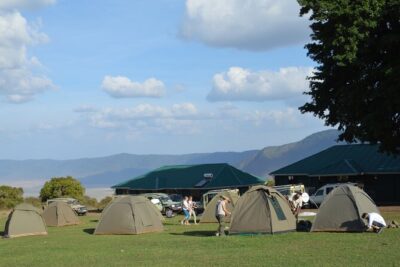
3 Days Serengeti & Ngorongoro Group Camping Safari
Read our review →Browse the lists this tour appears in