
Review · ARUSHA, TANZANIA
5 Days Safari in Tanzania | Camping and Lodge Safaris
Five days can deliver a serious safari. This trip combines Tarangire’s elephant herds and baobabs with long game drives in the Serengeti and an early descent into Ngorongoro Crater. I like the small maximum group size of seven and the fact that transportation, park fees, meals, and four nights of breakfast and dinner are covered. The main point to check before booking is the exact accommodation plan, since the experience is described as offering both camping and lodge safaris.
You spend three days around the Serengeti and finish with one of Tanzania’s great wildlife settings, Ngorongoro Crater. I also like the practical touches, including pickup, onboard WiFi, a supermarket stop near Arusha, and guides who use radio contact with other safari vehicles to find current wildlife activity. The tradeoff is time: several days involve long drives, and Lake Manyara appears in the general description but not in the five-day schedule provided.
The price is $1,800 per person, which can be fair for a northern Tanzania safari that includes private transport, park charges, all lunches, and most dinners and breakfasts. Still, you should confirm the room or tent category, group arrangement, and final route before paying. Tanzania’s northern parks are large, and this is a wildlife-first trip rather than a relaxed holiday.
Key points to know before booking
- Tarangire begins the safari with elephants and baobab trees: The first afternoon game drive offers an immediate introduction to Tanzania’s wildlife.
- The Serengeti receives the most time: You have an arrival game drive, a full day, and a final morning or afternoon drive around areas such as Seronera.
- Ngorongoro Crater is the final wildlife highlight: An early descent gives you a better chance of finding animals, including black rhino.
- The group is capped at seven people: That is small enough to make vehicle space and communication easier than on a large coach trip.
- Camping and lodge standards may differ: Ask exactly where you will sleep and what level of comfort is included.
- Lake Manyara is not in the listed five-day route: Confirm this if flamingos and baboons are a priority.
What this five-day Tanzania safari is really offering
This is a classic northern Tanzania circuit based in Arusha. The route moves through Tarangire National Park, the Serengeti National Park, the Ngorongoro Conservation Area, and the crater itself. The description also refers to Lake Manyara, but the day-by-day plan does not include a visit there.
That distinction matters. Lake Manyara is known for its alkaline lake, flamingos, and large baboon population. If you specifically want that park, ask for a revised route. Adding it usually means taking time from another stop, and five days already includes long road sections.
The safari is designed around wildlife rather than sightseeing in towns. You will spend many hours in a safari vehicle, often on unpaved roads, with picnic lunches and early starts. That is part of the appeal, but you should be comfortable with dust, bumps, changing temperatures, and a schedule shaped by animal sightings.
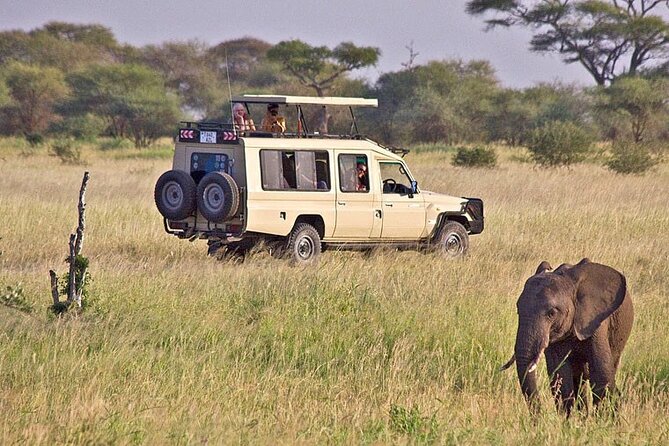
The vehicle is described as privately provided, and the group limit is seven. That combination can work well for couples, families, and small groups of friends. It also gives you more room to ask the guide to pause for photographs or explain animal behavior. The exact meaning of private transportation should be confirmed, since the experience can also be booked with other people.
More Overnight Safaris in Arusha
- 4 Days Group Camping Safari
★ 5.0 · 1,101 reviews - 5 Days Group Camping Safari
★ 5.0 · 730 reviews - 3 Days Serengeti & Ngorongoro Group Camping Safari
★ 5.0 · 574 reviews
Day 1: Tarangire’s elephants and giant baobabs
The first day begins in Arusha, the main safari base in northern Tanzania. A pickup is offered from the stated meeting point at Travel Wise Safari in Arusha Urban. Before leaving town, you can stop at a supermarket for personal items, which is useful if you need water, snacks, toiletries, or something you forgot.
The drive toward Tarangire takes about two hours, passing through the Masai Steppe and along the Arusha to Dodoma road. This opening journey gives you a look at the countryside before the wildlife begins. Once you reach the park gate, your driver handles the entry paperwork.
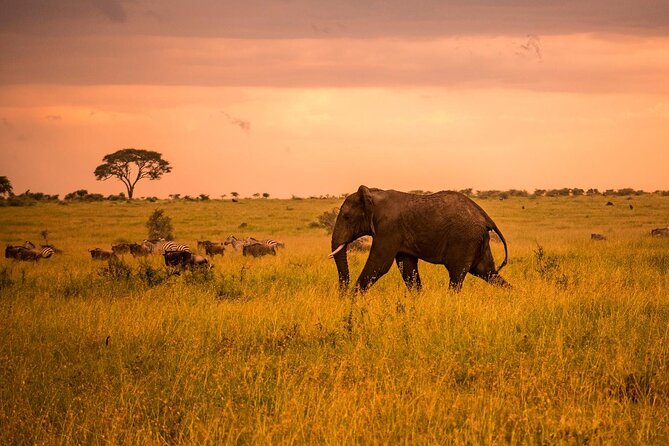
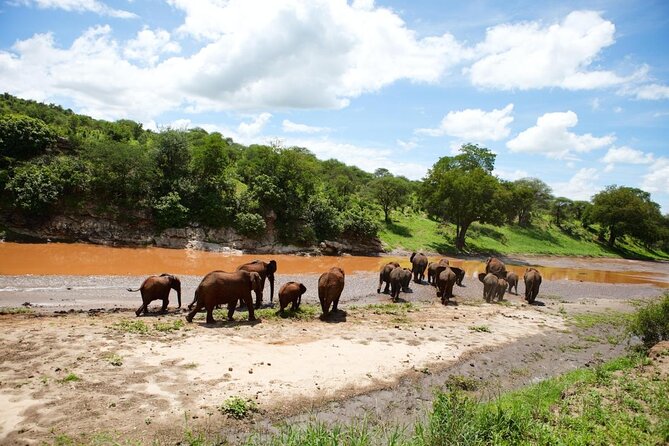
Tarangire is a strong first park because it offers a clear sense of scale without requiring a long wait for the first sighting. The park is famous for large elephant groups and broad baobab trees scattered across the grassland. Those trees give the scenery a distinctive shape, and elephants often make the first day especially memorable.
You stop for lunch at a designated picnic site, then continue with afternoon game drives until sunset. The timing is sensible. The heat of midday begins to ease, and animals may become more active later in the day.
You then check into a lodge or camp for dinner and the night. This is where you should get specific before booking. The experience is sold as a camping and lodge safari, but the provided schedule does not identify one fixed property for the first night. Ask if you will use a permanent tent, a simple campsite, or a lodge room, and ask what facilities are included.
One useful detail comes from the accommodation feedback connected with the Tarangire area: a newer lodge opened in 2024 was praised for individual lodges, friendly staff, food, elephants nearby, and birdlife. That property may not be part of your booking, so treat it as an example rather than a promise.
Day 2: Across the Rift Valley to the Serengeti
Day two is a long one. After breakfast, you leave Tarangire and cross the floor of the Great Rift Valley before climbing the escarpment and passing through the Ngorongoro Conservation Area. The views are one of the rewards of this transfer, but the road time is substantial.
The route eventually reaches Serengeti National Park, usually in the afternoon. Lunch is taken at a picnic site, most likely near Naabi Hill Gate. This is a practical stopping point where you can stretch your legs before entering the park.
The afternoon game drive continues until late afternoon, followed by check-in at a camp or lodge. Dinner and an overnight stay follow, with a campfire mentioned as part of the evening plan. A campfire can be a pleasant end to a dusty day, but the actual evening setup depends on your accommodation.
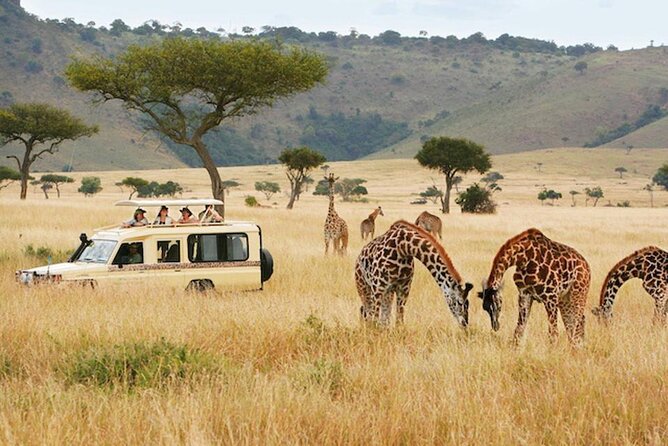
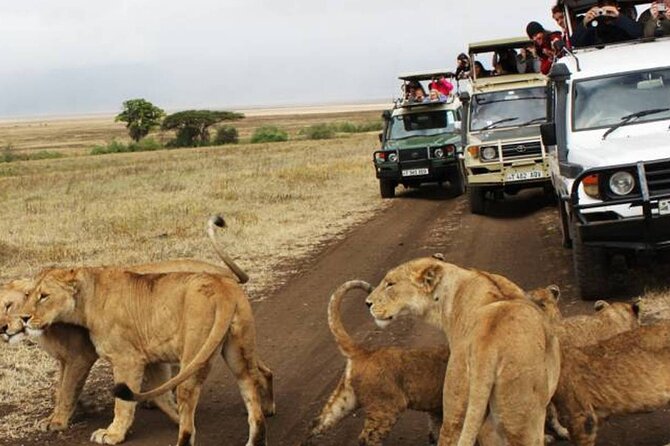
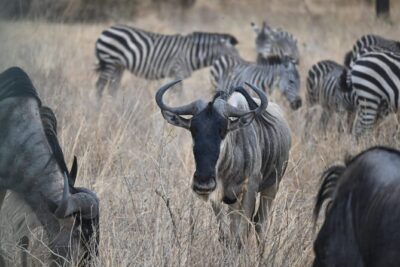
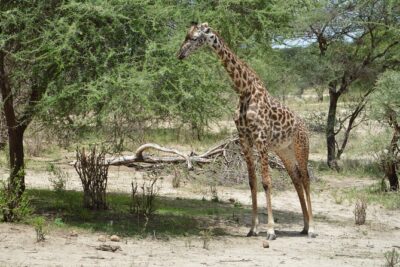
The Serengeti changes the feel of the trip. Tarangire is shaped by elephants and baobabs, while the Serengeti opens into huge stretches of grassland. Its name comes from the Maasai word Siringit, meaning plains without end, and the scale is the point. You may drive for some time with little visible movement, then come upon a lion, zebra herd, wildebeest group, or giraffe in open country.
The drive from Tarangire to the Serengeti is not a minor transfer. It takes much of the day and can feel tiring, especially after several hours in a safari vehicle. In return, you reach one of Africa’s most famous wildlife areas without adding a separate domestic flight.
Day 3: A full day in the Serengeti
Day three is the strongest wildlife day on paper. You can rise early for a sunrise drive, looking for nocturnal animals and early-rising species. Morning is often a good time for viewing because animals may be close to the road, and the softer light is better for photographs.
After breakfast at camp, you spend the day on game drives across the Serengeti. The route is not fixed to one attraction. Your guide decides where to search based on recent sightings, road conditions, and radio reports from other safari vehicles.
That radio network is a useful feature, but it should not make you expect guaranteed sightings. It helps the guide gather current information. Animals still move on their own schedule, and no responsible safari can promise a leopard, rhino, or a complete Big Five list.
The supplied experiences include reports of seeing all of the Big Five, as well as a leopard hunting. Those are exceptional moments, not fixed features of the route. The larger promise is time in a major wildlife park, giving you several chances to see predators, grazing animals, birds, and changing scenery.
The Serengeti section also includes the annual wildebeest movement in its general description. The migration is seasonal and moves through different parts of the ecosystem, so ask where the route falls during your travel dates if that is your main goal. A five-day trip can provide excellent wildlife viewing without placing you near the migration at the right time.
You return to camp or lodge after a full day outside. All that time in the vehicle can be tiring, but this is the day that gives the safari its best chance to feel unhurried. If you are choosing between a shorter three-day trip and this one, the extra Serengeti day is the strongest reason to choose five days.
More Overnight Safaris in Tanzania
- 2 Days Tarangire and Ngorongoro Group Camping Safari
★ 5.0 · 146 reviews - 6 Days Tanzania Budget Camping Safari
★ 5.0 · 145 reviews - 3 Day Serengeti National Park & Ngorongoro Crater Camping Safari
★ 5.0 · 142 reviews - Multi-Day Tanzania Odssey Safari from Arusha
★ 5.0 · 120 reviews
Day 4: Seronera, more game, and a night near Karatu
After breakfast, you check out and take one final game drive in the Serengeti. The suggested focus is the Seronera River Valley, an area associated with wildlife and birdlife, though your guide may choose another part of the park.
This is a smart use of the morning. You get one more chance to see animals before leaving the Serengeti, rather than treating the park as a single arrival-and-departure stop. Morning light can also make the final drive especially attractive.
Later in the afternoon, you drive back toward the Ngorongoro Conservation Area and stay near Karatu. The named examples are Marera Valley Lodge and Country Lodge, both described as mid-range options. These properties are presented as examples, not a guaranteed room assignment.
Staying in Karatu places you closer to the crater for the next morning. That matters because the plan calls for an early descent, and a nearby overnight stop avoids returning all the way to Arusha before visiting Ngorongoro.
Day four is another long day, so keep your expectations realistic. You will be combining a final Serengeti drive with a cross-region transfer. The reward is a more efficient start for the crater visit on day five.
Day 5: Early wildlife viewing in Ngorongoro Crater
The final morning begins with breakfast at the lodge, followed by a descent into Ngorongoro Crater. You may leave after breakfast or take a packed breakfast so you can reach the crater floor as early as possible.
That early start is worth taking seriously. The crater can be busy later in the day, and the plan specifically aims to improve your chance of finding rare animals such as black rhino. Sightings are never guaranteed, but the timing gives you the best opportunity within this schedule.
The crater walls rise about 600 to 650 meters around the floor. From below, the setting feels enclosed and unusually concentrated, with open grassland, water, forested edges, and large numbers of animals in one broad natural basin.
The experience is described as a place where you might see the Big Five in a single day if lucky. Again, luck matters. The strongest advantage is the concentration of wildlife, not certainty. Your guide will choose the route and respond to current information from inside the crater.
You spend most of the morning on game drives, stop for a picnic lunch, and then continue with the final part of the day before returning to the meeting point in Arusha. The exact return timing is not given, so do not schedule a tight onward connection without confirming the expected arrival time.
Camping or lodge: what should you choose?
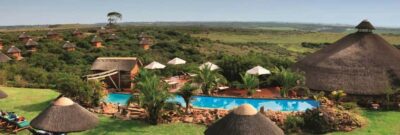
The choice between camping and a lodge can change the feel of the entire trip. Lodge accommodation generally gives you a private room and more predictable facilities. Camping can place you closer to the setting and may cost less, but comfort and bathroom arrangements vary widely.
The description includes lodge examples near Karatu but does not give a full accommodation list for every night. Before booking, ask these questions:
- Is the safari camping, lodge-based, or a mixture?
- Are tents permanent or basic camping tents?
- Is a private bathroom included?
- Which properties are planned for Tarangire, Serengeti, and Karatu?
- Can you request a lodge upgrade?
The accommodation feedback is generally positive, with specific praise for beautiful lodges, good food, and stays in the middle of the Serengeti. At the same time, one separate safari experience included a hot-water problem, a useful reminder that remote accommodation can have occasional limits.
Guides, vehicles, and group size
The operator has received repeated praise for communication and guide quality. Names associated with past trips include Amani, Sam, Frankie, Meshack, Isaac, David, Bruno, and guide Frank. Several people singled out guides and organizers for being responsive, kind, professional, and good at solving problems.
You may not be assigned any particular person, so treat those names as examples rather than a guarantee. The more important point is the operating style: guides use VHF radios to share information, and the vehicle carries WiFi according to the inclusions.
A maximum of seven people is a useful middle ground. You get the social side of a small group without the size of a full coach. If you want a fully private vehicle, confirm that in writing, because private transportation and a small shared group are not always the same thing.
Is $1,800 a fair price?
At $1,800 per person, the cost is not cheap, but northern Tanzania safaris carry substantial park and transport expenses. This package includes private transportation, all fees and taxes, onboard WiFi, five lunches, four breakfasts, and four dinners.
The value improves if your price includes lodge rooms or well-organized tented camps, park access, a capable safari vehicle, and a guide dedicated to a group of no more than seven. It becomes less attractive if the camping is very basic or if accommodation is assigned without clear details.
You still need to budget for international flights, personal expenses, extra nights before or after the safari, and tips. The stated tipping guideline is $10 per person per day. Pickup is offered, and group discounts may be available, so ask about both before finalizing the booking.
Free cancellation is available up to 24 hours before the start time. If the minimum number of people is not met and the operator cancels, you are offered another date or experience, or a full refund.
Who should book this safari?
I would recommend this trip to someone who wants the major northern Tanzania parks in a compact five-day schedule. It suits people who place wildlife above luxury, can manage long drives, and want more Serengeti time than a short weekend-style safari allows.
Families and small groups may appreciate the seven-person limit. Couples should ask about private departures if they want a quieter vehicle. First-time safari visitors will like the straightforward route and included meals, fees, and transport.
I would hesitate if you want a slow trip with late mornings, high-end hotels, or very little road travel. I would also ask for a revised plan if Lake Manyara is essential, since it is named in the general description but not included in the daily schedule.
Should you book it?
Book this safari if you want a solid wildlife circuit with Tarangire elephants, several Serengeti game drives, and a final morning in Ngorongoro Crater. The strongest parts are the three Serengeti-focused days, the small group limit, the radio-equipped guiding system, and the broad list of inclusions.
Before paying, confirm the exact lodging, whether your vehicle is private, the Lake Manyara question, and the expected return time to Arusha. If those details match your expectations, $1,800 can buy a well-rounded introduction to Tanzania’s northern parks. If accommodation comfort matters as much as wildlife, request the lodge version rather than leaving the camping arrangement unclear.
FAQ
Where does the safari start and finish?
It starts at Travel Wise Safari in Arusha Urban, Arusha, Tanzania, with pickup offered. The activity ends back at the meeting point.
How many people can join the safari?
The maximum group size is seven travelers.
Which parks are included in the five-day schedule?
The daily plan includes Tarangire National Park, Serengeti National Park, the Ngorongoro Conservation Area, and Ngorongoro Crater. Lake Manyara is mentioned in the general description but does not appear in the five-day schedule, so confirm this before booking.
Are meals included?
Yes. The package includes five lunches, four breakfasts, and four dinners.
Is accommodation included?
The plan includes overnight stays at a camp or lodge, with a mid-range lodge near Karatu mentioned for the Ngorongoro portion. Ask for the exact accommodation plan because the experience offers both camping and lodge options.
What is not included in the price?
International flights, personal expenses, extra accommodation before or after the safari, and tips are not included. The stated tipping guideline is US$10 per person per day.
More 5-Day Experiences in Arusha
- Tanzania Simba Safari – 5 Days
★ 5.0 · 217 reviews - 5 Days Budget Private Safari, Tanzania
★ 5.0 · 191 reviews - 5-Day Private Northern Tanzania Safari from Arusha
★ 5.0 · 182 reviews - 5 Days Best of Tanzania Luxury Safari Northern Circuit
★ 5.0 · 174 reviews
Newest safaris around Arusha
- Serengeti & Ngorongoro fly in safari★ 5.0 · 76 reviews
- 7 days great migration safari★ 5.0 · 77 reviews
- 5 days safari, hiking & culture (Serengeti & kilimanjaro)★ 5.0 · 27 reviews
- 6 days Tanzania budget safari★ 5.0 · 65 reviews
- 3 Days Tanzania Budget Group Joining Safari Tour★ 5.0 · 16 reviews
- Amazing 4 Days Tanzania Budget Camping Group Joining Safari★ 5.0 · 15 reviews
- 4 days safari★ 5.0 · 34 reviews
- 2 Day Budget Safari in Tarangire and Ngorongoro From Arusha★ 5.0 · 10 reviews
Overnight & Camping Safaris, compared.
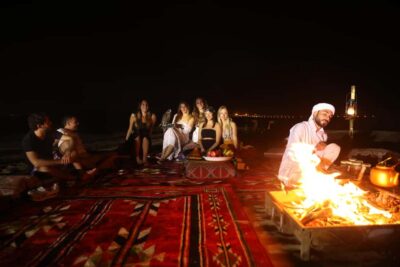
Overnight Safari, Dinner, Stargazing & Al Khayma Camp
Read our review →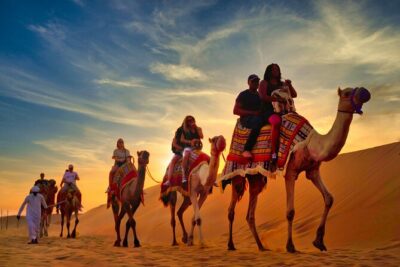
Dubai Overnight Desert Safari, BBQ & Stargazing at Al Khayma Camp
Read our review →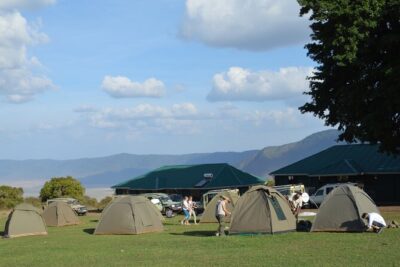
3 Days Serengeti & Ngorongoro Group Camping Safari
Read our review →Browse the lists this tour appears in